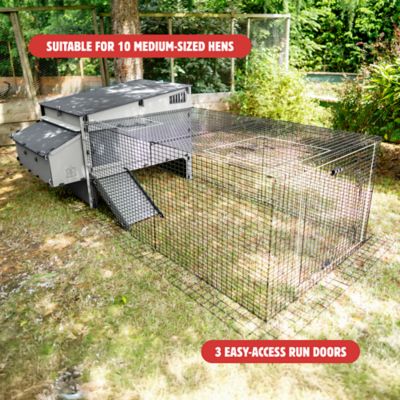
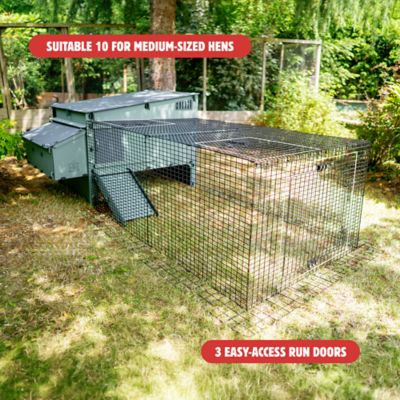
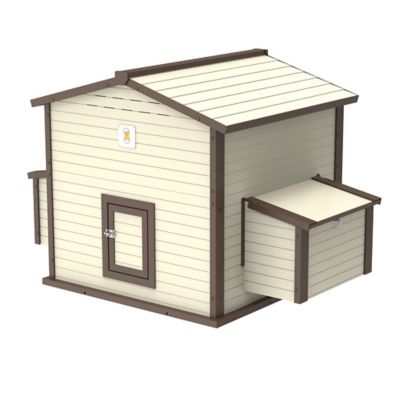
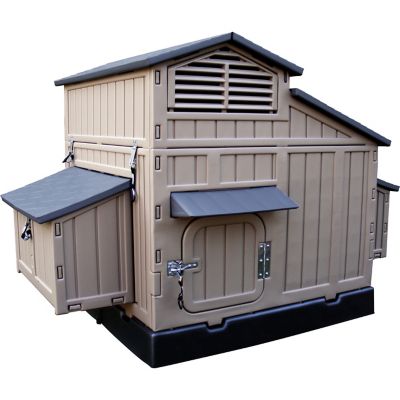
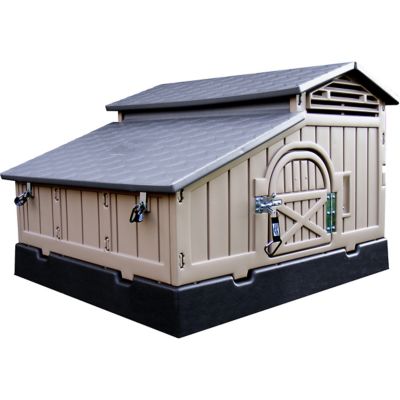
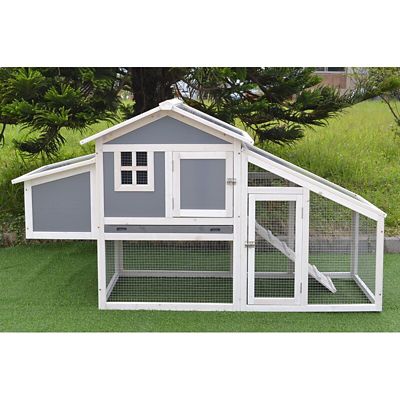
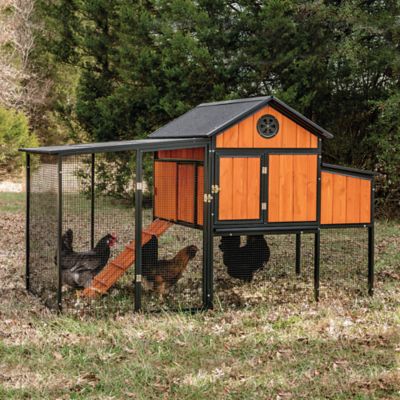
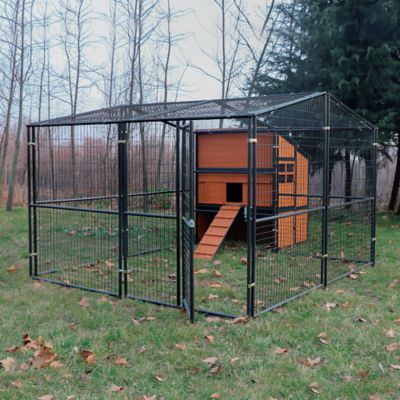
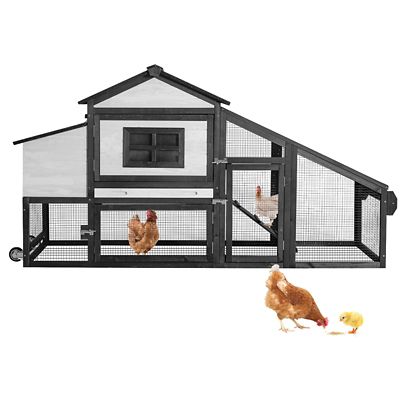
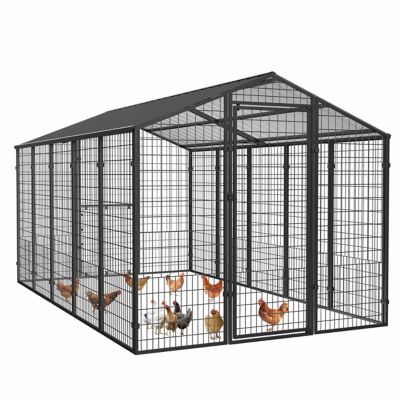
Plastic chicken coops give backyard flocks and small homesteads a dedicated place for roosting, nesting and settling in at the end of the day. Their molded construction brings a different feel to the chicken yard, with smooth wall surfaces and practical layouts that can make everyday chores more manageable. Polyethylene and other plastics appear in these designs, though panel thickness, framing, floors and fastening systems vary. Some structures rely on molded sections that fit together, while others combine plastic panels with metal supports or separate run components. Those differences matter when comparing how a coop goes together, how much room it provides and how easily its parts come apart for cleaning. The right fit starts with the birds themselves. A few bantams have different space needs than a flock of broad-bodied laying hens, and a stated bird capacity does not tell the whole story. Usable floor area, roost length, nesting space and access to a secure run all contribute to a comfortable setup. Nest boxes take up space, as do feeders or waterers placed inside, so outside dimensions alone can be misleading. A coop also needs to fit the property without making chores awkward. There should be room to swing access doors open, reach the nest boxes and carry out bedding without squeezing between a fence and the coop wall. Raised designs can bring egg collection closer to standing height, while ground-level layouts may offer a simpler entrance for heavier birds. Ramps need enough width and traction for the flock, with an approach that does not crowd the doorway. Adult hens and chicks also have different housing needs; a standard coop is not a substitute for a properly equipped brooder. For households planning a bigger flock,
Large Chicken Coops for 11–20 Chickens provides another size range to consider rather than asking a small coop to hold more birds than its layout can support.
Easy access is a big part of the appeal of plastic chicken coops, especially when the daily routine includes collecting eggs before work and checking the flock again before supper. Smooth, nonporous panels can make droppings and dirt easier to wipe or wash away than rough, absorbent surfaces, but the layout matters as much as the material. A broad cleaning door gives better reach into corners, and removable roosts or floor sections can help expose spots that otherwise stay hidden. Seams, joints and hardware still need attention; plastic housing does not eliminate mites, other pests or the need for regular cleaning. Bedding remains important for managing droppings and giving birds suitable footing, and the floor should support the bedding system intended for that coop. A slick entrance or steep ramp can be troublesome for an older hen, so textured walking surfaces and securely attached ramp cleats deserve a close look. After washing, interior surfaces need time to dry before fresh bedding goes in, and any cleaner should be suitable for poultry housing and applied according to its label. Ventilation deserves the same attention as cleanup. Birds release moisture through breathing and droppings, and enclosed housing needs steady air exchange to help keep that moisture and ammonia from building up. Screened openings can support airflow while limiting access by pests, provided the screening and its attachments are up to the job. Nest boxes work best as quiet, accessible laying spaces rather than crowded sleeping quarters. Roost placement can help separate those activities, keeping sleeping birds from settling directly over nest openings or equipment. For the person tending the flock, an outside nest-box lid can make gathering eggs simpler, but its hinges and latch still need to close securely. The most practical layout keeps the regular tasks within reach: checking every corner, lifting out bedding, inspecting birds and making sure nothing is tucked behind a panel where it cannot be seen.
Construction details become especially important once a plastic coop is part of a working chicken yard. Panel connections, door frames, hinges and latches all help determine how well the structure holds together through repeated opening, cleaning and everyday movement. Firmly joined sections should not leave gaps that widen when a door is pulled, and any supporting frame should match the demands of the finished enclosure. Plastic thickness alone does not establish how secure a coop will be; the strength of the entire assembly matters. Predator protection includes more than a closed pop door. Raccoons can work simple latches, and digging animals may target the edge of a run or an opening beneath the floor. Secure closures, tightly attached hardware cloth and an appropriate ground barrier can all play a role in the complete setup. Ordinary chicken wire can help contain birds, but it should not be treated as the only defense against determined predators. A run attached to a coop also needs attention at its roof, corners and connection points, where small openings can be easy to overlook. Placement on a level, stable base helps doors line up and keeps the structure from rocking as birds move through it. Anchoring requirements depend on the design, and a movable coop still needs a secure resting position each time it is relocated. Portability is worth weighing honestly: molded panels may be lighter than some other building materials, but a complete coop with a frame, run and bedding can still take more than one adult to move safely. For a family keeping hens for eggs, a small homestead adding poultry or an experienced keeper setting up a separate flock, the best match is a coop that suits both the birds and the chore routine. Comfortable access, sensible space, washable surfaces and sound closures do more for day-to-day satisfaction than an eye-catching shape alone. A well-planned plastic chicken coop earns its place by making those ordinary moments—opening the door, gathering the eggs and settling the flock—easier to handle.