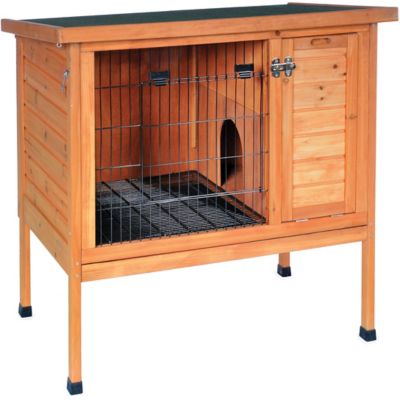
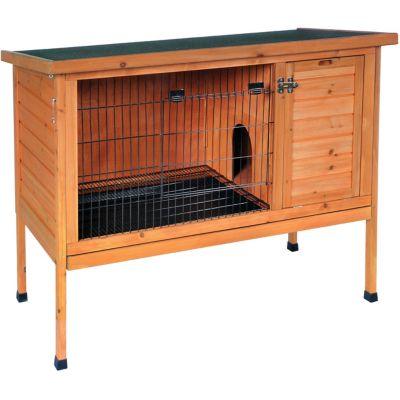
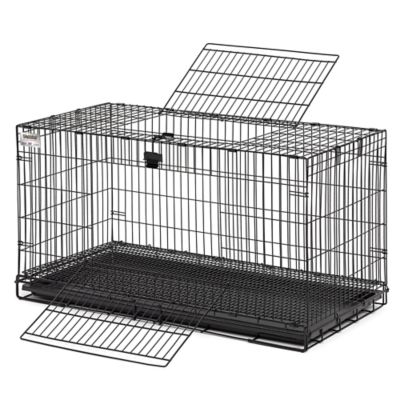
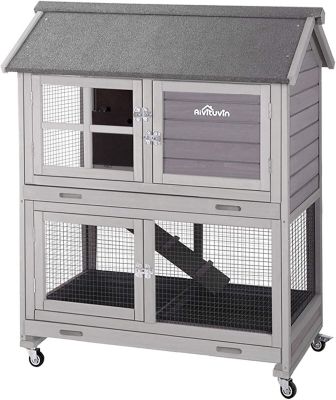
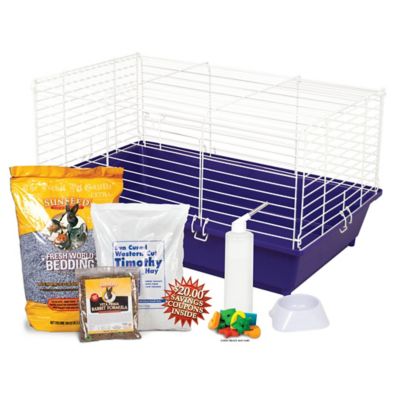
Pet rabbit supplies have a place in just about every part of a rabbit’s day, from the first stretch after a nap to the evening scramble when there’s a fresh patch of floor to explore. A roomy home base gives a rabbit space to hop, stand all the way up and flop onto its side without landing in the feeding area. It also leaves room for a quiet retreat. That matters in a busy house, where the vacuum or a pair of boots coming down the hall can send a rabbit looking for cover. Fit is about more than the amount of floor space a housing setup takes up. There’s the size of the rabbit at full growth, the width of the entrance and how easily the folks doing the chores can reach the back corners. A low entrance may suit an older rabbit that doesn’t hop as easily as it once did, while a growing rabbit needs room to stretch out as it fills out. Solid footing with some grip makes it easier to take off, turn and come to a stop than slick flooring does. In a family room where the rabbit comes out to roam, the space beyond the home base matters just as much. A rabbit can slip behind a chair or nose its way toward a cord before anybody notices, so a rabbit-proof exercise area with secure boundaries and no little gaps is worth making room for. Sturdy construction matters at floor level, where a curious rabbit is likely to nose, push and chew at the edges. Smooth seams and secure connections can stand up to that daily attention without leaving a rough edge where a paw might catch. The space still needs to work for the person on cleanup duty. In a narrow room, for example, an entrance that opens clear of the wall is easier to reach through than one that leaves just enough room for an arm.
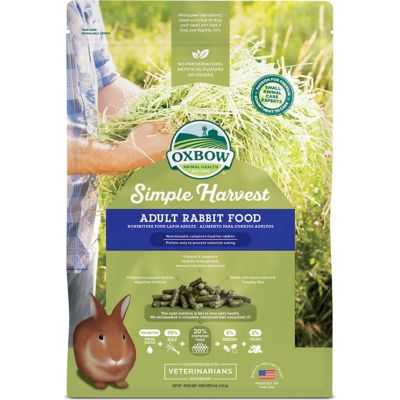
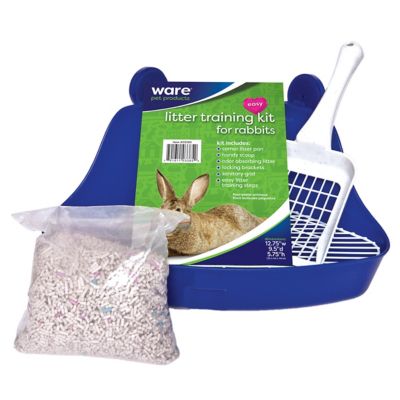
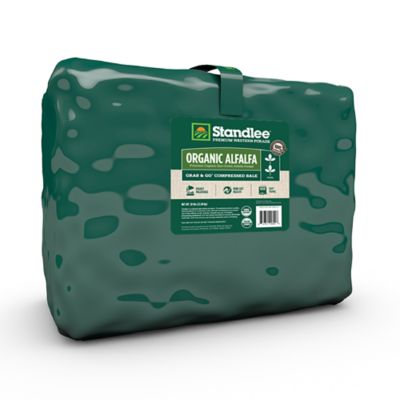
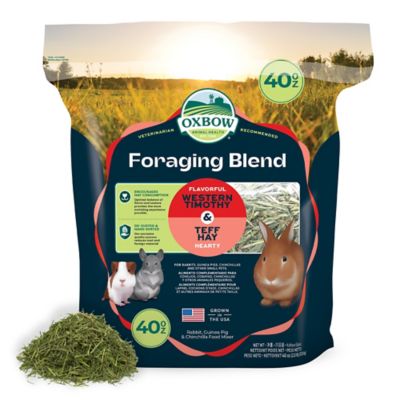
Feeding and cleanup supplies do most of their work in the same few corners, so it helps to think about how those areas will hold up through a regular day. Hay tends to travel. A rabbit might tug a mouthful free, turn around to eat it and leave a small trail behind. A feeding area that’s easy for the rabbit to reach and easy for a person to tidy makes those little messes less of a chore. Stability counts, too. A rabbit that likes to rearrange its space can send a lightweight feeding setup skidding with a nudge, while a steady base keeps food and water where the rabbit expects to find them. Smooth, nonporous surfaces are handy where there are frequent spills because they can be wiped down without giving moisture much place to settle. Washable materials make sense in spots that need more than a quick sweep, and easy access to seams and corners matters when stray hay starts to pile up. In the litter area, absorbency is only part of the picture. A low-dust, unscented material made for rabbits is a better fit than something that simply covers up odors, especially when a rabbit likes to rest close by. It’s also worth noticing how a material holds up after repeated cleaning. A surface can look plenty stout at first but become harder to clean if it chips, cracks or develops deep scratches. Anything within reach of a rabbit’s teeth deserves a closer look for loose bits, exposed finishes or damage along the edges. For a family sharing chores, the practical details can make the difference between a routine that sticks and one that gets put off: fresh water that’s easy to tend, a feeding area that doesn’t take much fuss to straighten and a litter corner that an adult can reach without shifting the whole setup. Those considerations apply whether the rabbit lives in a quiet room of its own or a spot where people pass by all day.
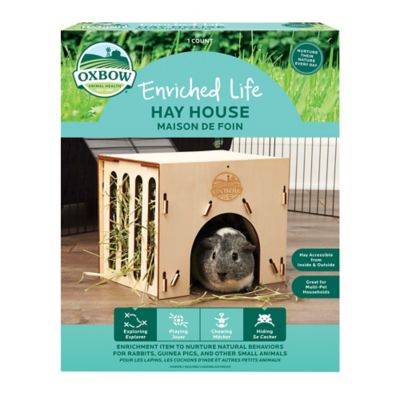
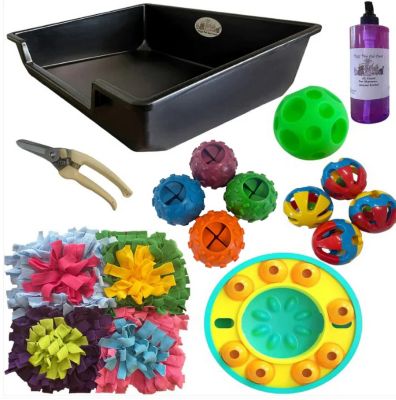
Play and enrichment supplies are often a better match when they’re chosen around what a rabbit already likes to do. One might spend a good part of its floor time exploring under cover, while another is happiest nosing around for bits of hay or working at something safe to chew. Room to investigate at ground level gives both rabbits something to do without expecting them to climb or be picked up. Size and construction count here, too. An opening ought to leave room for the rabbit to move through without squeezing, and anything a rabbit leans against or pushes around should stay steady enough not to tip into its path. Materials within chewing reach should be rabbit-safe, and anything that starts coming apart is worth taking out of the space. The signs of wear don’t always show up where they’re easy to see. The underside of an edge or the corner facing the wall may be exactly where a rabbit does most of its chewing. Watching how a rabbit spends its time can also help when picking out a gift. For a household just getting settled with a rabbit, something that fits the family’s daily feeding or cleanup routine can be a welcome choice. For someone who already has the basics covered, supplies that suit the rabbit’s favorite way to explore may make more sense. The space they have to spare and the size of the rabbit are good details to know before bringing something home. The
Rabbit Pet Supplies For Holiday Gift page offers a place to browse with those details in mind. Whether the supplies are for a gift or for a rabbit at home, the best fit is often something simple: enough room for a rabbit to do what comes naturally and a setup that still makes sense when it’s time to sweep up and settle in for the night.