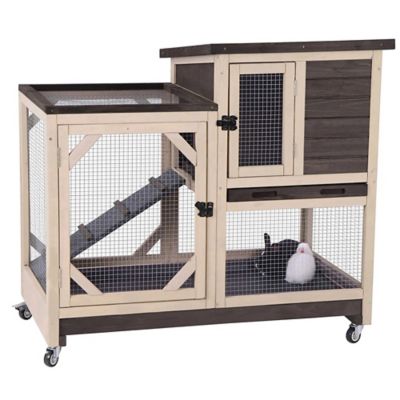
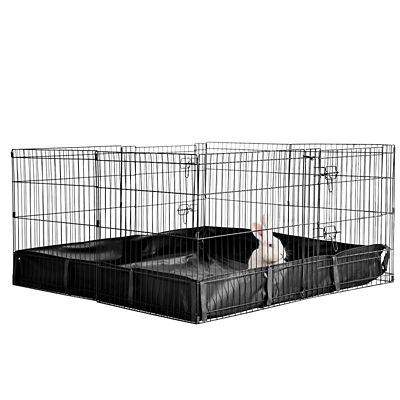
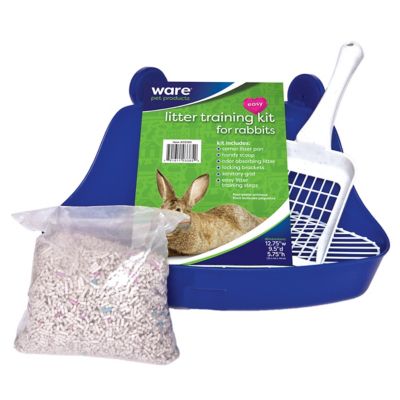
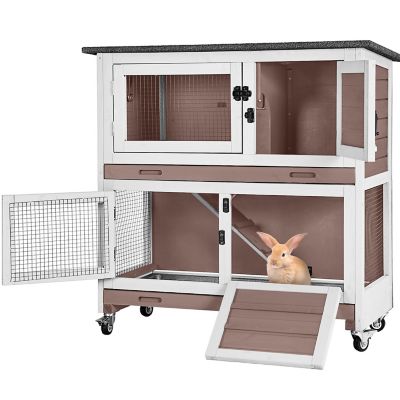
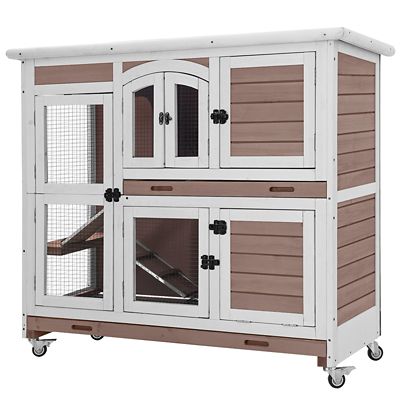
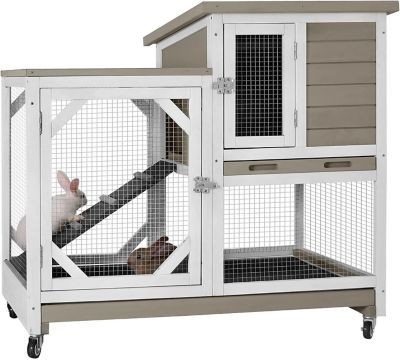
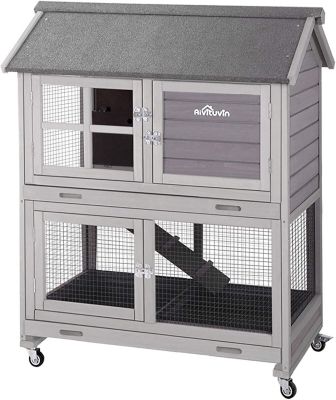
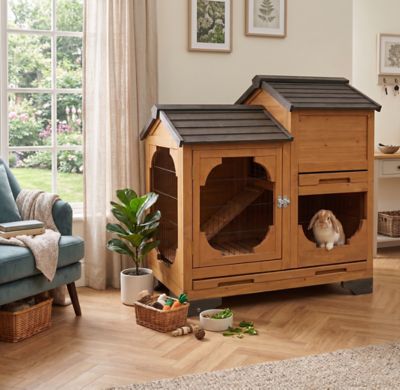
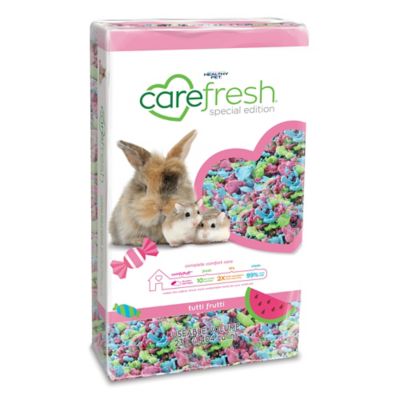
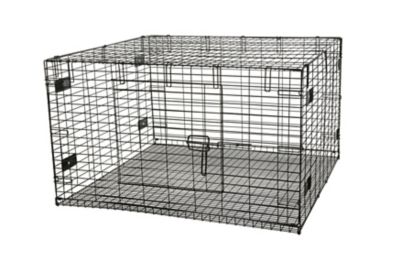
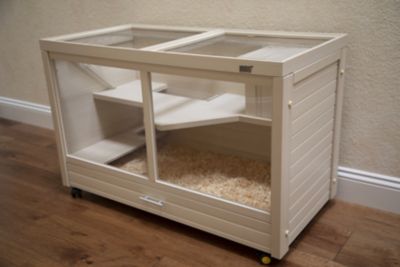
Caring for a pet rabbit starts with setting up a safe, roomy place where they can eat, rest, stretch out and act like a rabbit. A small cage by itself is not enough for most rabbits, especially when they spend much of the day indoors. An exercise pen, rabbit-safe room or other roomy enclosure gives your pet space to hop, stand up, turn around and explore without having to wait for out-of-enclosure time. Choose sturdy panels with openings that are too small for a rabbit to squeeze through, and keep the setup away from drafts, direct heat and damp areas. During cooler months, a comfortable indoor location helps protect rabbits from sharp temperature changes, while good ventilation keeps the space fresh. Rabbits chew as naturally as they dig, so rabbit care also means rabbit-proofing the surrounding area. Cover electrical cords, block access to baseboards and furniture legs, and look over the floor for anything small enough to be swallowed. A washable mat or bedding layer can help protect flooring and make daily cleanup easier. Keep food and water stations steady so they are not tipped over during a lively hop, and give your rabbit a quiet hideaway where they can settle down when the household gets busy. A low-sided litter box is often easier for a rabbit to enter and can be placed near a favorite resting spot. Paper-based litter is a safer choice than clay, pine or cedar litter, which may irritate a rabbit’s respiratory system or cause other health concerns. Adding fresh hay to the litter area can encourage good litter habits, since many rabbits like to nibble while they do their business. These supplies are useful for a family bringing home its first rabbit, a longtime rabbit keeper refreshing an enclosure or someone putting together a thoughtful gift for a child or friend who has recently adopted a small companion.
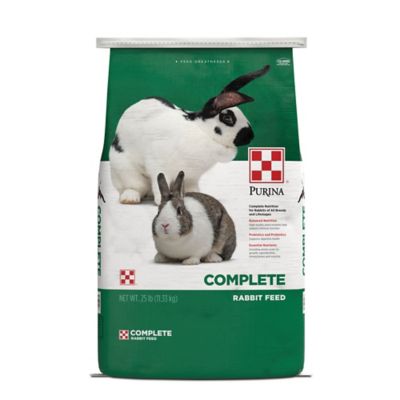
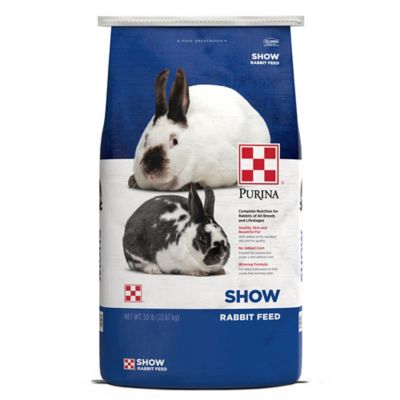
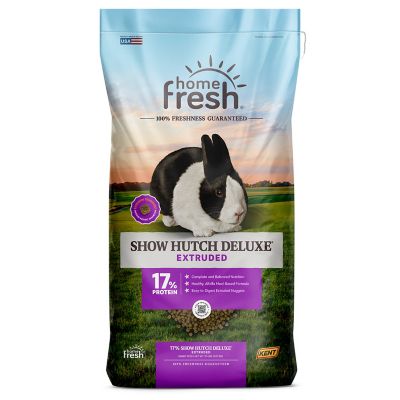
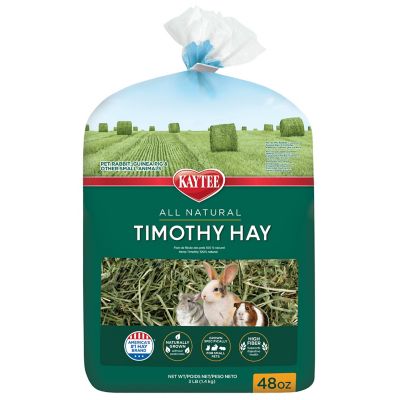
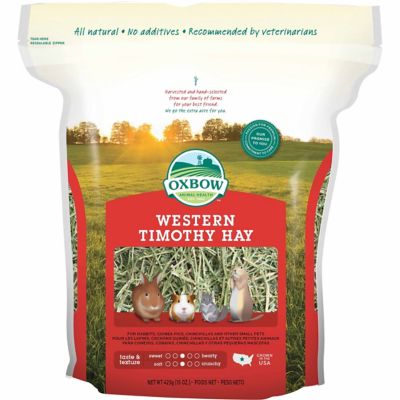
Food and water are at the heart of everyday pet rabbit care. Clean, fresh water should be available at all times in a heavy bowl or a well-maintained bottle, with containers checked often for clogs, spills and buildup. Grass hay should make up the largest part of an adult rabbit’s diet and should be offered freely throughout the day. Timothy, orchard and other suitable grass hays provide the long fiber rabbits need for normal digestion and natural tooth wear. If you are comparing options for your feeding area, this guide to
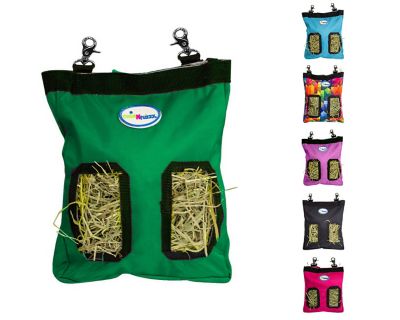
Hay For Rabbits can help you think through the differences in texture, cut and feeding needs. Pellets should be measured rather than left out in unlimited amounts, and a plain, fiber-focused formula is generally preferred over mixes with colorful pieces, seeds or sugary extras. A rabbit’s age, size and health can affect the right feeding plan, so a rabbit-savvy veterinarian should help guide choices for young, adult and senior rabbits. Mature rabbits may also enjoy small servings of properly washed leafy greens introduced one at a time, allowing you to watch for digestive upset. High-sugar treats should stay limited, and alfalfa-based foods are typically not the everyday choice for healthy adult rabbits because they are richer than most adults need. Keep feed stored in a cool, dry container that closes securely, especially if other pets, barn animals or curious children share the home. Feeding accessories such as bowls, storage containers, hay holders and treat dishes can make routines less messy and are practical gifts for new rabbit owners. Even a simple feeding station can become part of the daily rhythm: fresh hay in the morning, a measured portion of pellets, greens prepared as needed and a quick check that water is clean and easy to reach.
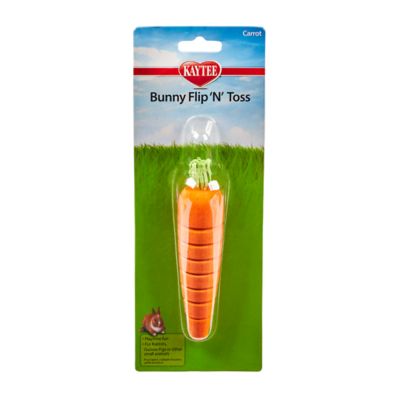
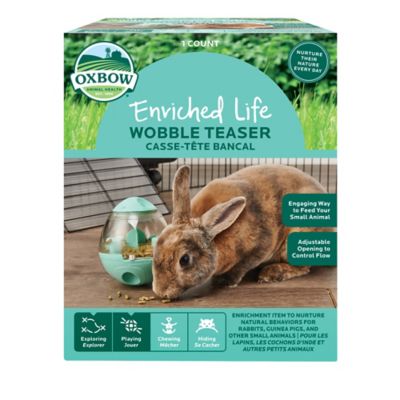
Regular handling and observation help you spot small changes before they become serious problems. Grooming tools suited to a rabbit’s coat can remove loose fur and reduce the amount swallowed during self-grooming. Brush more often when a rabbit is shedding, and handle gently around the belly, feet and hindquarters. Nail care is another routine task, though many owners prefer having a veterinarian or experienced groomer demonstrate safe trimming first. Toys and chew-safe enrichment give rabbits an appropriate outlet for busy teeth and curious minds; rotate items so the enclosure stays interesting without becoming crowded. A rabbit should never be picked up by the ears or scruff, and children should be shown how to support the chest and hindquarters while holding one close to the ground. Schedule a wellness visit with an exotic-animal or rabbit-experienced veterinarian after adoption, then keep an eye on appetite, water intake, droppings, movement and behavior between visits. Rabbits often hide illness, so a sudden change deserves attention. If a rabbit stops eating or stops producing stool for several hours, contact a veterinarian or emergency animal clinic promptly, since digestive slowdown can become life-threatening. Keep grooming, feeding, cleaning and enrichment supplies together in a handy spot so care is easier to keep up with during busy days and changing weather. With a secure home, plenty of fiber, clean water, patient handling and daily observation, the right rabbit care supplies support a calmer routine and help a pet rabbit stay active, comfortable and well cared for through every season.