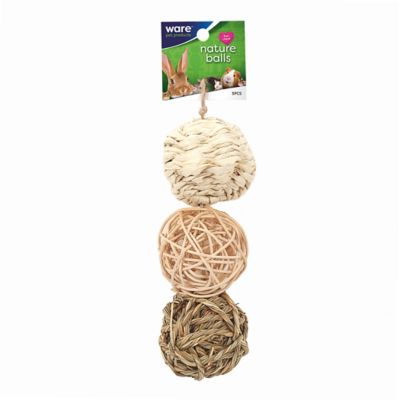
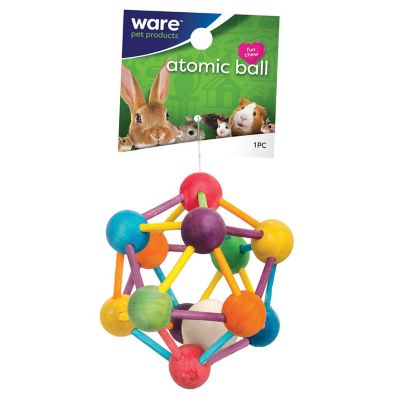
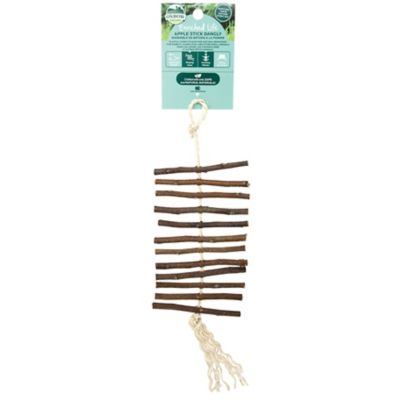
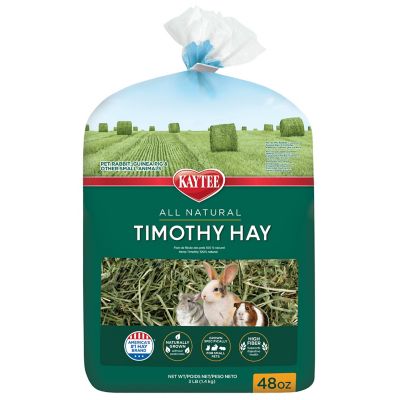
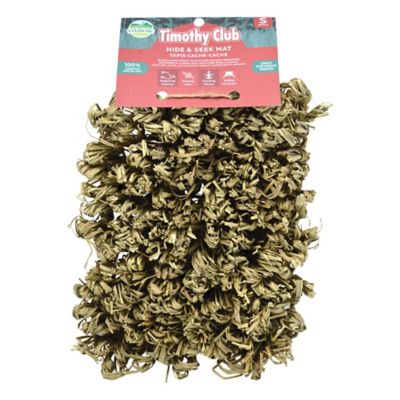
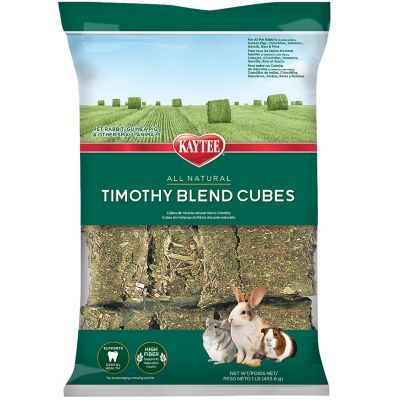
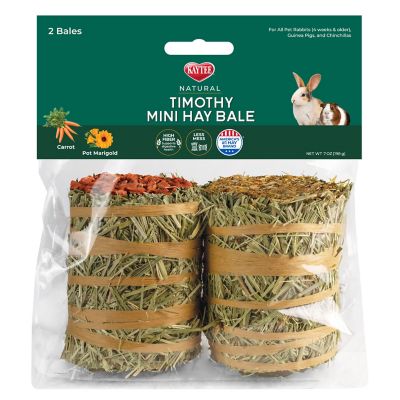
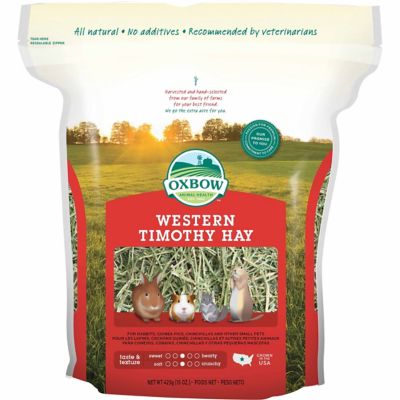
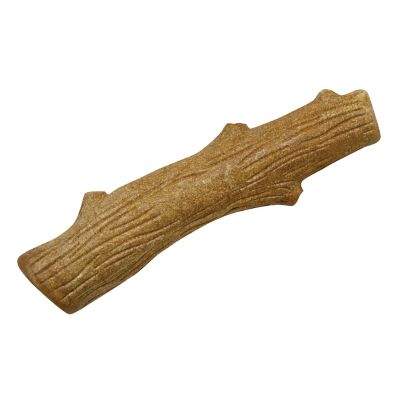
Rabbit chews give busy bunnies a place to put their natural urge to gnaw, tug and nibble. That urge is part of everyday rabbit behavior, whether a rabbit lives in a roomy indoor pen or spends supervised time in a sheltered outdoor run. Rabbit teeth grow throughout life, and a diet built around plenty of appropriate grass hay supports the long chewing sessions that help wear them down. Chew toys add variety and enrichment, but they do not replace loose hay, a balanced diet or veterinary dental care. Common materials for rabbit chew toys include untreated, rabbit-safe wood, willow, dried grass and hay. Each offers a different feel, from the firm resistance of a wooden surface to the softer give of a woven grass shape. Some rabbits settle in for a steady nibble, while others would rather toss something across the pen before chewing the edge. That difference makes texture and shape worth considering alongside ingredients. A rabbit that enjoys pulling at hay may take to loosely woven grass, while one that keeps testing the edge of a wooden hideout may appreciate an appropriate wood chew. Materials matter more than bright colors or fancy shapes: clear labeling should identify the wood or plant material and indicate that the chew is intended for rabbits. Untreated apple wood and willow are common choices, but “natural” alone does not establish that something is safe. Paint, varnish, pesticide residue and unknown wood treatments have no place on a rabbit’s chewing surface. Random branches from the yard can also bring uncertainty about tree species, spraying or mold. Purpose-made rabbit chews with clearly identified materials make those details easier to assess. For households bringing home a first bunny, chews belong alongside the everyday essentials found within
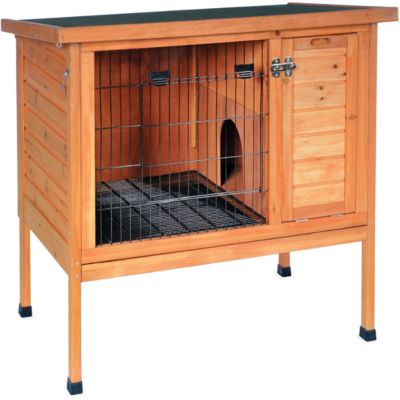
Pet Rabbit Supplies, with room in the setup for feeding, resting, hiding and moving around.
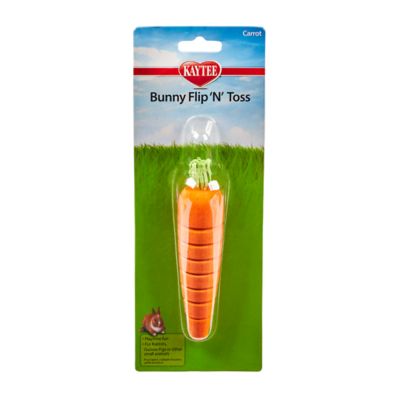
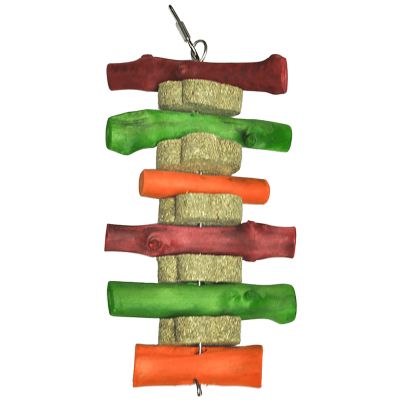
The best fit for a rabbit chew comes down to the animal’s size, chewing style and living space rather than appearance alone. A lightweight shape can suit a rabbit that likes to grab and fling things, while a broader woven surface offers room for tugging and nibbling along several edges. Small rabbits still need pieces large enough to handle safely, and bigger rabbits need enough substance that a chew does not immediately break into troublesome fragments. Openings deserve a close look, especially on woven shapes or anything attached to a pen: a rabbit should not be able to catch its head, jaw or feet in them. Hanging designs also call for secure attachment without long loops, loose cords or accessible hardware. How long a chew lasts varies with its construction and the bunny doing the chewing. Softer grass materials may disappear faster than solid wood, and that gradual breakdown is often part of their purpose. A hard surface is not automatically a better choice, especially if it develops sharp splinters or encourages forceful biting on unsuitable material. For rabbits that share a space, several chewing spots can help keep one favorite corner from becoming a source of competition. Placement matters, too. A chew near a familiar resting area may draw more interest than one tucked into an unfamiliar corner, though food, water and the litter area still need clear access. Chews can give a rabbit something appropriate to investigate during evening activity or quieter stretches between visits from the family. They do not make electrical cords, baseboards or furniture safe from chewing, so a rabbit-ready room still needs protected wires and sensible barriers. During the cooler months, when outdoor time may be shorter, a few different textures can bring variety to the indoor pen without crowding the floor. Enough open space for stretching, hopping and turning around remains just as important as something enjoyable to nibble.
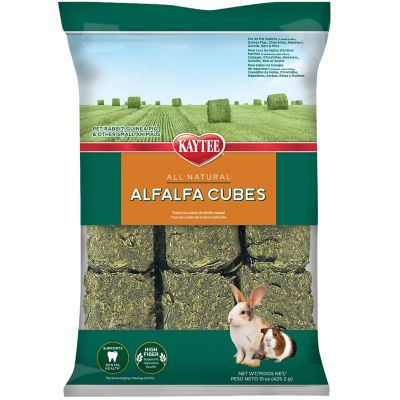
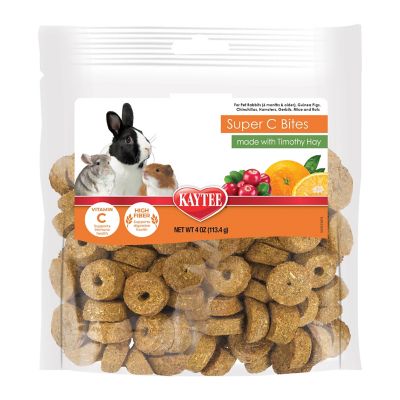
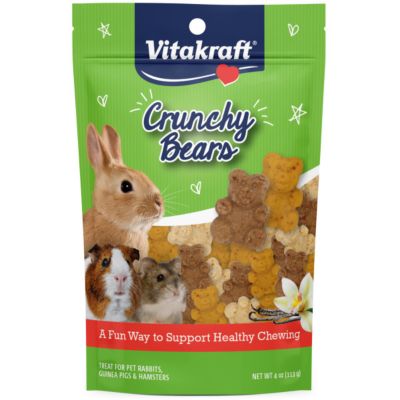
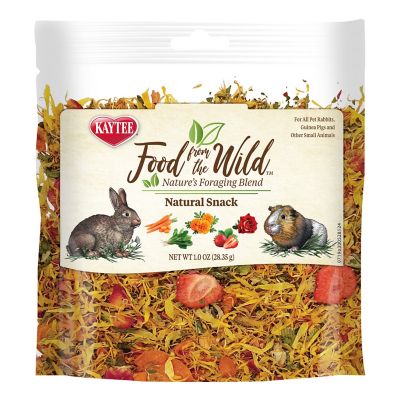
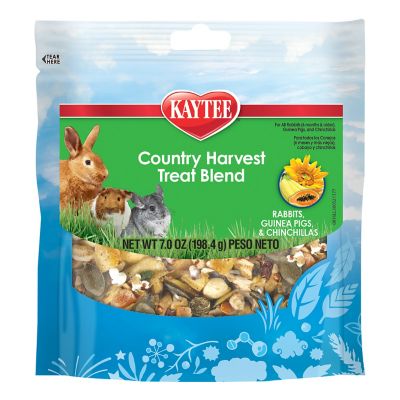
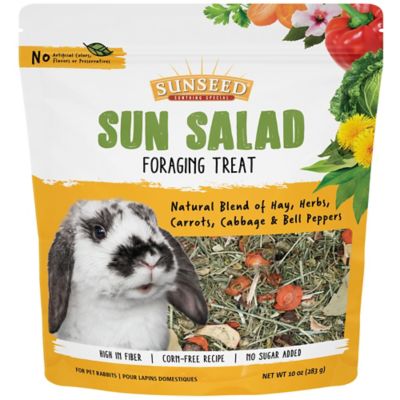
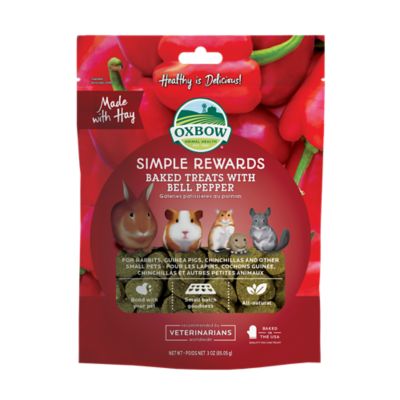
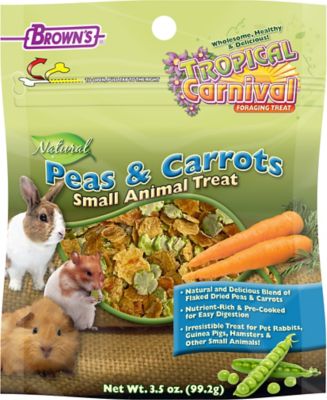
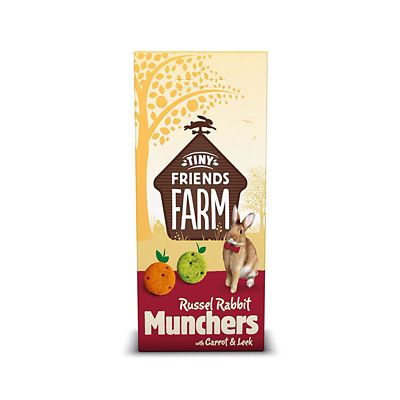
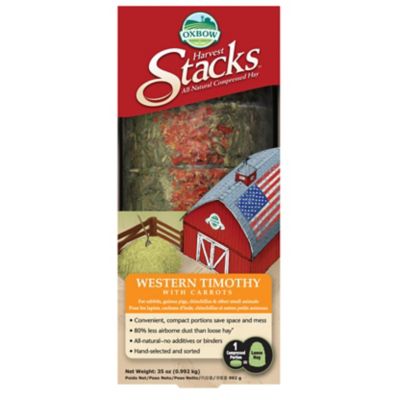
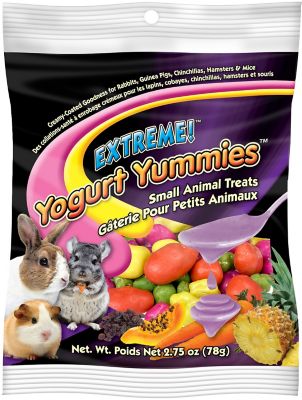
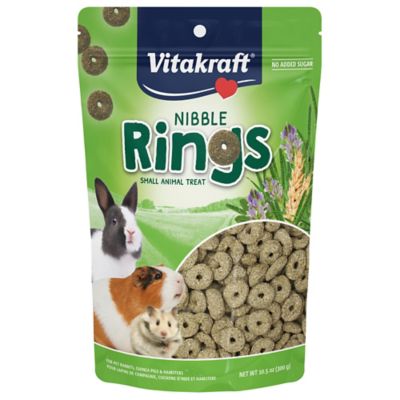
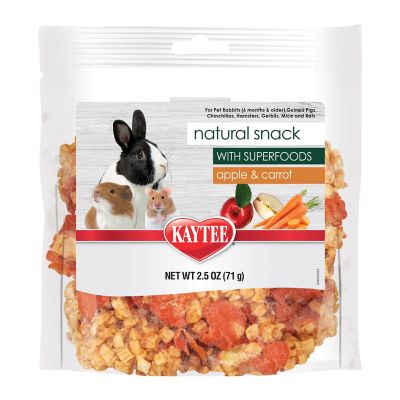
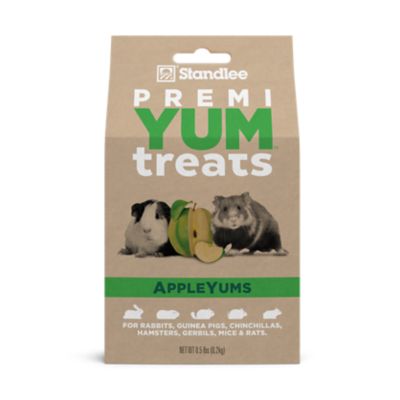
Edible rabbit chews call for a slightly different look at the label than wood or woven play materials. Hay-based chews can offer another texture, but their ingredients and feeding directions still matter. A compressed shape does not necessarily provide the same chewing pattern or feeding benefits as a generous supply of long-strand grass hay. Added sugars, honey, seeds and rich coatings are not needed to make chewing worthwhile, and sweet treats should not become the main source of daily activity. Alfalfa-based chews also have a different nutritional profile from grass-hay options; a rabbit’s age, condition and regular diet affect whether they fit. Growing rabbits and healthy adults do not always have the same feeding needs, and a veterinarian familiar with rabbits can help sort out choices for animals with dental trouble, weight concerns or digestive sensitivities. New edible materials belong in the routine gradually, with attention to appetite and droppings. Nonfood chew materials need observation as well. A rabbit that swallows large pieces rather than steadily nibbling may need a different construction and closer supervision. Everyday care is usually straightforward: check chewing surfaces for sharp edges, loose bindings, trapped debris and signs of dampness. Porous wood and grass can hold moisture, so storage in a dry spot away from leaky water containers helps keep unused chews in good condition. Follow any cleaning directions on the packaging rather than soaking materials that may not dry all the way through. Pieces that become wet, soiled, moldy or small enough to cause concern belong out of the enclosure. Rotating a few suitable textures can renew interest without changing everything in a rabbit’s familiar space at once. A fresh chew may be a welcome small gift for a rabbit-owning household, especially when the giver knows the bunny’s diet and preferences. The most useful choices suit ordinary daily life: something a rabbit can investigate after breakfast, carry toward its hideout or nibble while the household settles down. If chewing habits change suddenly, or a rabbit drools, drops food or eats less, a new toy is not the answer; prompt veterinary attention matters.