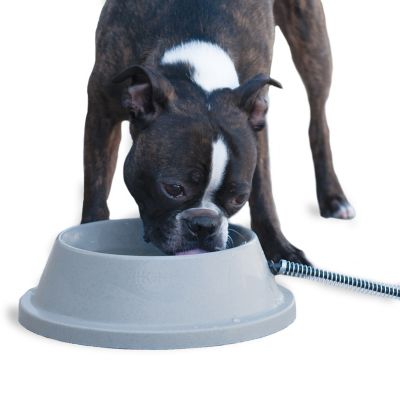
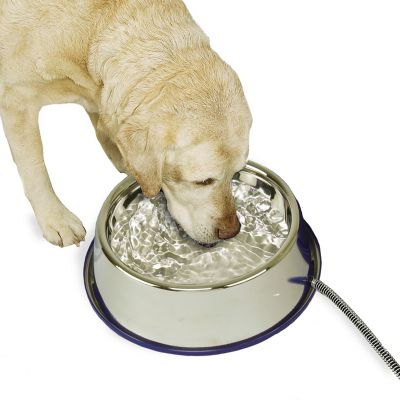
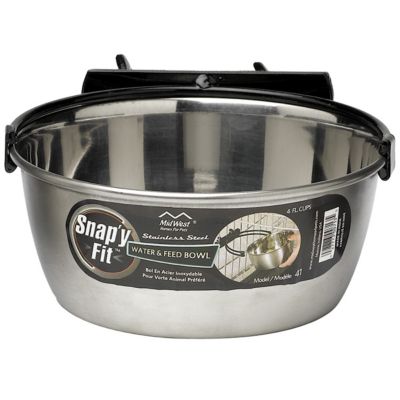
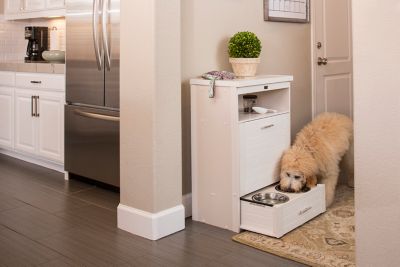
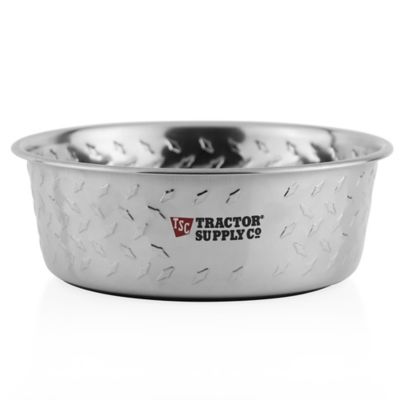
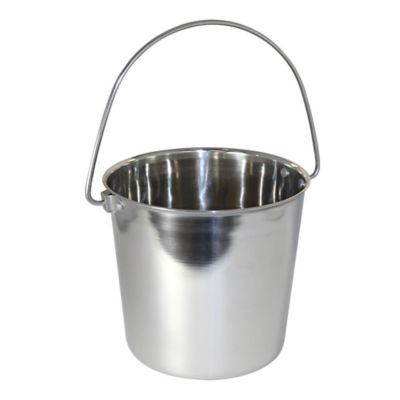
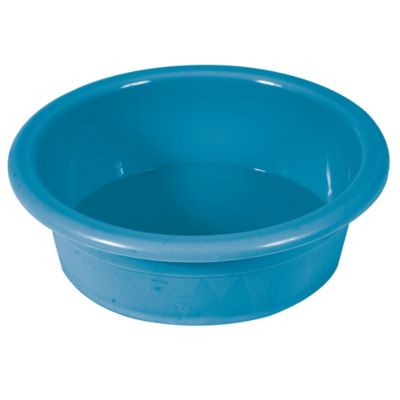
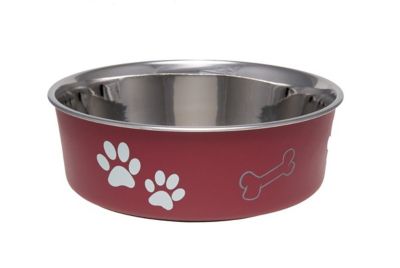
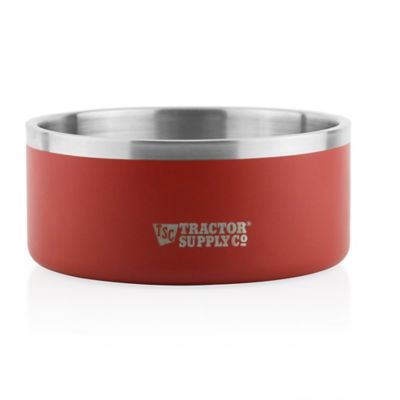
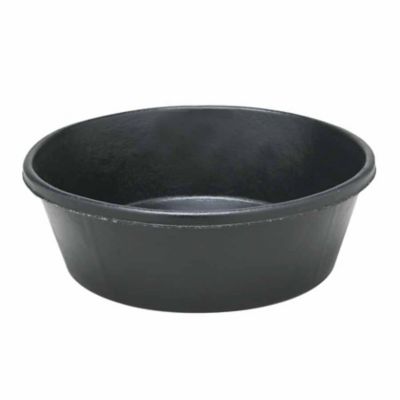
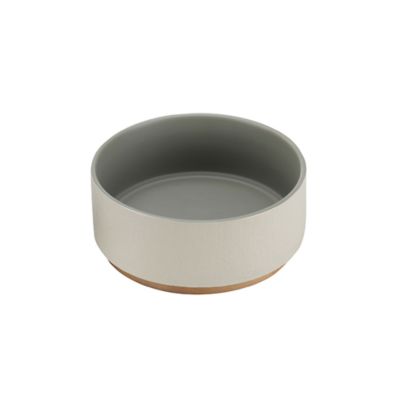
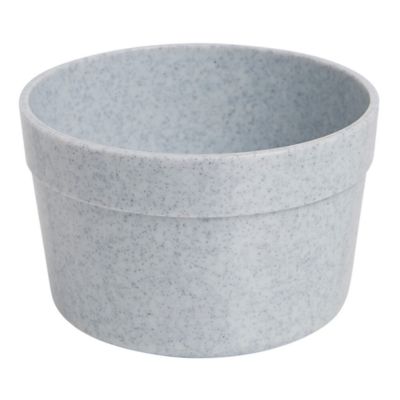
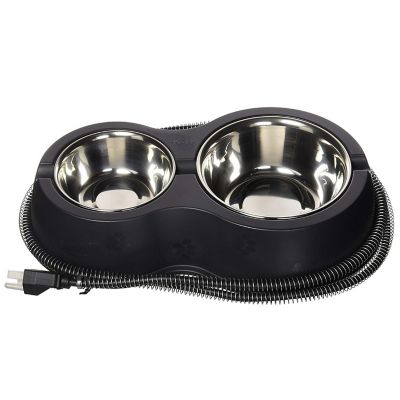
Pet bowls give dogs, cats, and other companion animals a place for food and fresh water, with shapes and materials suited to everything from a kitten’s small meals to a farm dog’s steady drinking breaks. The right bowl fits the animal as well as the spot where meals happen, whether that is a kitchen corner, a mudroom feeding station, or a quiet space away from household traffic. Stainless steel, ceramic, plastic, and silicone each bring different benefits to daily feeding. Stainless steel is generally lightweight, resists corrosion, and has a smooth surface that is straightforward to wash. A heavier ceramic bowl can help limit sliding, though ceramic needs a food-safe finish and regular checks for cracks or chipped edges. Plastic offers light weight and easy handling, while silicone commonly appears in flexible travel bowls and nonslip bases. For households that prefer a light dish for daily meals or trips away from home,
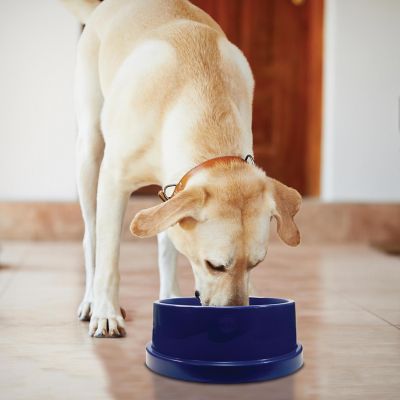
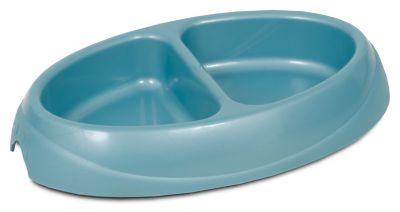
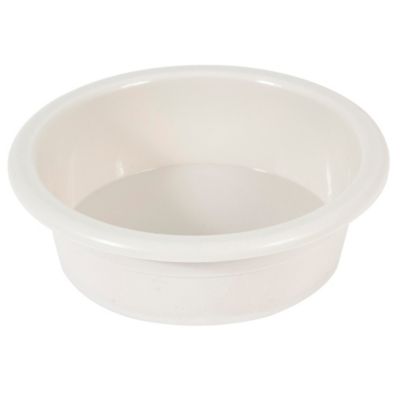
Plastic Dog Bowls fit into a range of feeding routines. Material alone does not tell the whole story: a broad base, rounded interior, and rim that is easy to grip can matter just as much when carrying a full water dish across the kitchen. A rubber or silicone ring may help a bowl stay put on a smooth floor, while a removable insert can make cleanup simpler. Pets that chew their dishes need particular attention to the edges and base, since bite marks can leave rough spots or loosen small pieces. Food-contact surfaces should stay smooth and free of damage, and any finish should be intended for pet feeding. A bowl’s weight also makes a difference for the person filling it. Something that feels manageable when empty can take two hands once it is full of water, especially when the feeding spot sits a little way from the sink.
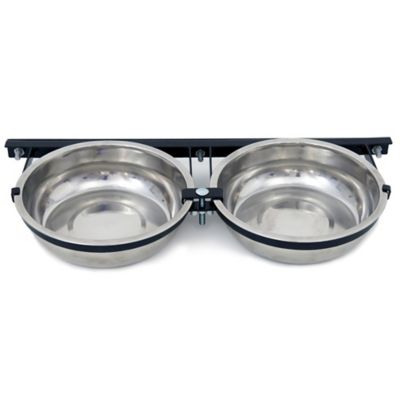
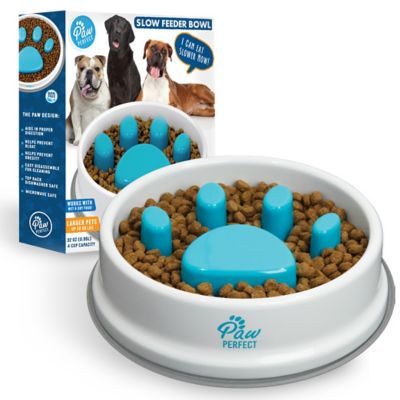
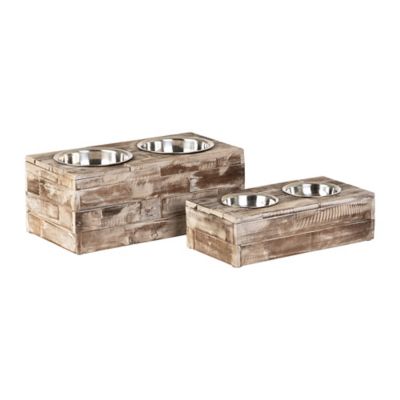
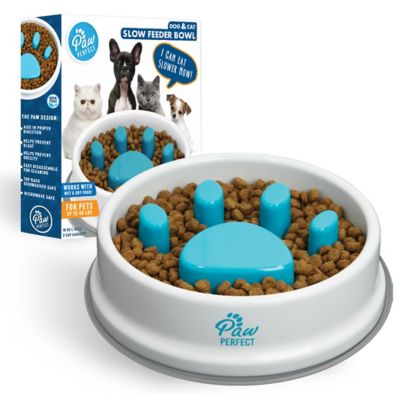
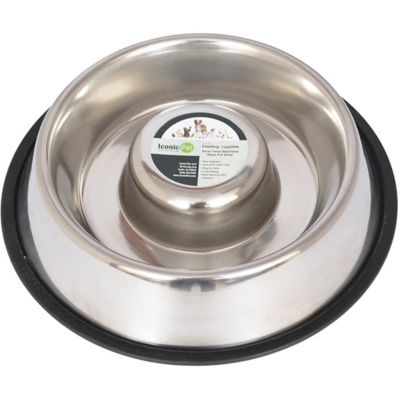
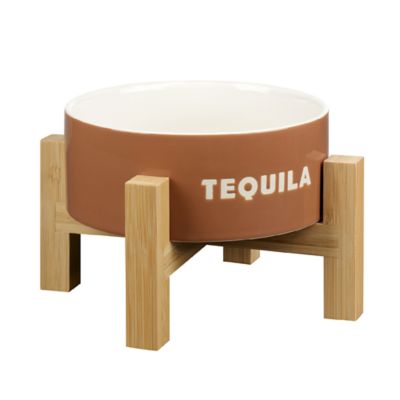
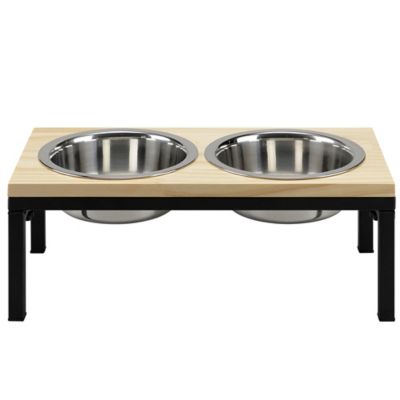
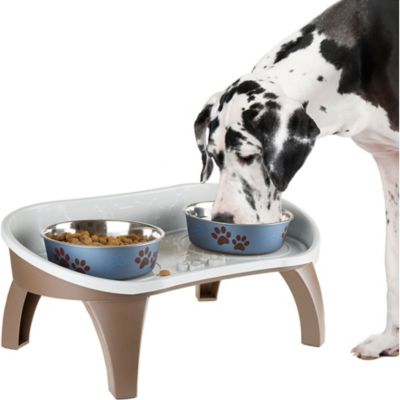
Bowl capacity and shape work together, so a large capacity does not always mean a comfortable fit. A deep dish can hold plenty of food but make the bottom hard for a small pet to reach; a shallow, wide dish leaves more room around the face. Cats may prefer that open shape, while some dogs with long ears do better with a narrower opening that helps keep their ears out of dinner. Flat-faced pets often benefit from easy access at the rim rather than having to reach into a tall-sided bowl. The feeding surface should suit the animal’s muzzle, not just the amount of kibble poured in. Water capacity matters separately from food capacity, particularly in homes with several animals, but a larger bowl never replaces regular refilling and cleaning. For the dog that pushes a dish across the floor, weight and a broad footprint can help keep meals in one spot. For a fast eater, slow-feeder bowls have ridges or channels that spread out food and can slow the pace of a meal. Those spaces still need to be wide enough for the pet to reach the food without frustration and open enough for a brush to reach during washing. Raised feeders bring bowls above floor level, which can be useful for certain pets with mobility needs when a veterinarian recommends that setup. Height should follow the individual animal’s needs rather than a blanket rule based on size, and raised feeding is not necessary for every dog or cat. In a home with several pets, separate bowls make portions easier to manage and give each animal room to eat. A cat’s quiet feeding area may need distance from an eager dog, and two dogs may settle into meals better when their dishes are spaced apart. Keeping those arrangements steady can make feeding time feel less crowded, particularly when a new pet joins the household.
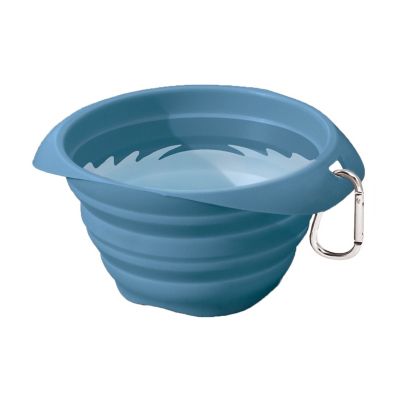
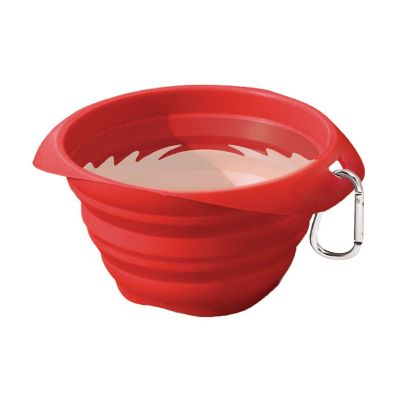
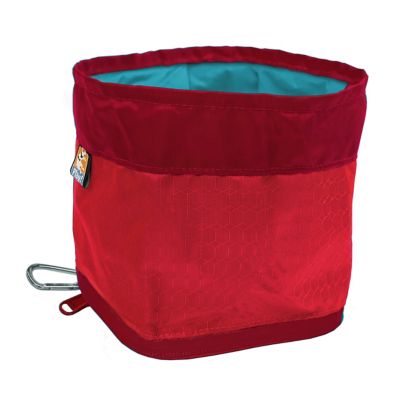
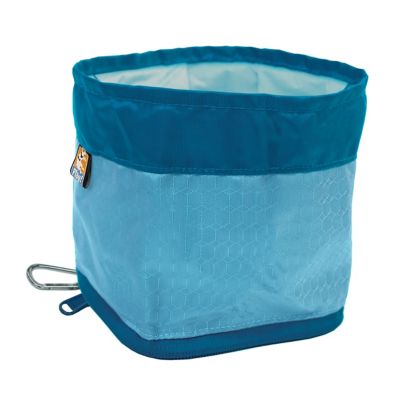
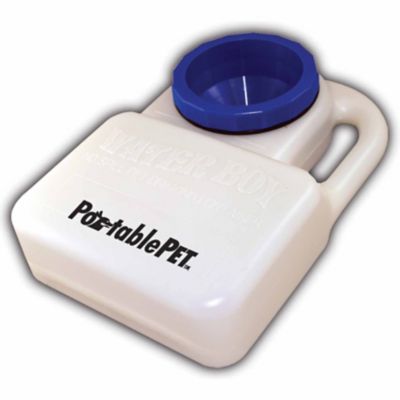
Everyday care is part of what makes pet bowls practical for the long haul. Food bowls need washing after meals, and water bowls need daily washing and fresh water rather than repeated topping off. A slick film along the inside is a sign that a dish needs a thorough cleaning, even when the water looks clear. Smooth interiors and rounded corners leave fewer tight spots for food to collect, while deep grooves, attached bases, and layered parts may take more attention. Dishwasher care depends on the manufacturer’s directions, including whether removable rings or inserts need separate washing. After cleaning, a bowl should be rinsed well so soap does not linger on the eating surface. Cracked ceramic, sharp metal edges, and deeply scratched plastic are reasons to replace a dish rather than keep it in the feeding rotation. The space underneath deserves attention, too. A feeding mat can catch drips and scattered kibble, but lifting both the mat and bowls helps keep trapped moisture and crumbs from building up. A level spot outside the main walking path gives pets room to stand comfortably and keeps a full water bowl away from passing boots. For trips to visit family, stops between errands, or a break after barn chores, collapsible and nesting bowls take up less room in a bag than a full-size feeding setup. Travel bowls need enough stability for drinking, along with a size that lets the pet reach the water easily. Washing and drying them before packing helps prevent leftover food and moisture from sitting inside folded sections. Flexible dishes also belong out of reach of pets that treat them like chew toys. As a practical gift for someone bringing home a puppy, adopting a cat, or adding another animal to the household, pet bowls make sense when the recipient’s feeding space and the animal’s size are known. A comfortable shape, manageable weight, and simple cleaning routine matter far more than an eye-catching finish when breakfast comes around every day.