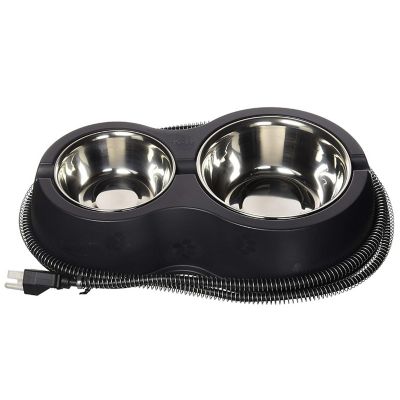
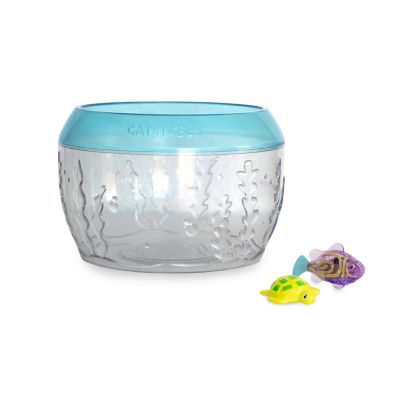
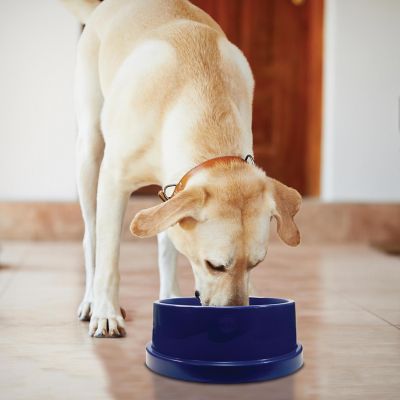
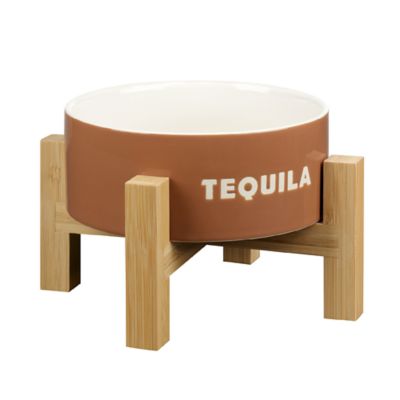
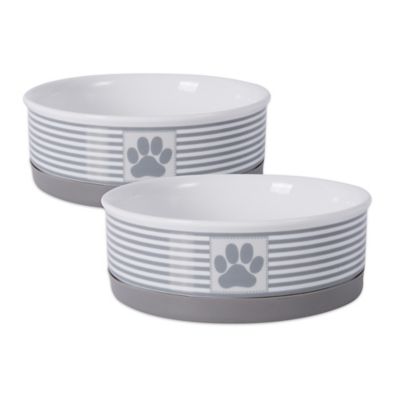
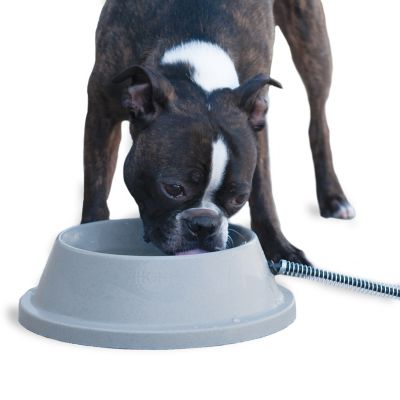
Cute pet bowls bring a little personality to a daily routine, pairing food and water dishes with cheerful colors, playful patterns, and shapes that suit the animals sharing your home. Paw prints, scattered hearts, flowers, checks, and animal faces can make a feeding spot feel more inviting without getting in the way of supper. A soft-colored ceramic dish might fit neatly beside the kitchen cabinets, while a patterned bowl with a stainless steel insert can add some charm to a busy mudroom. The best match balances those good looks with a comfortable shape, enough capacity, and a base that stays put when an eager eater digs in. For dogs and cats, bowl size means more than how much food fits inside. The opening needs to leave room for the pet’s muzzle, and the sides should make it easy to reach the last few bites. A small puppy may manage a low-sided dish more easily than a deep one, while a larger dog needs enough room to eat without crowding its nose against the rim. Some cats prefer wide, shallow dishes that leave more space around their whiskers. Long-eared dogs may benefit from a narrower opening that helps keep their ears outside the food, provided there is still plenty of room for their muzzle. Water bowls call for their own consideration: a dish that holds one meal may not hold enough drinking water between refills. Capacity should suit the animal and the household routine, with fresh water always within reach. Matching food and water bowls create a tidy pair, but different sizes often make more sense than identical dishes. A generous water bowl beside a smaller food dish can still look coordinated through matching colors or patterns. In a home with several pets, different bowl colors can also help people keep track of feeding stations and portions. That little bit of organization comes in handy when one animal eats a measured meal and another follows a different feeding plan.
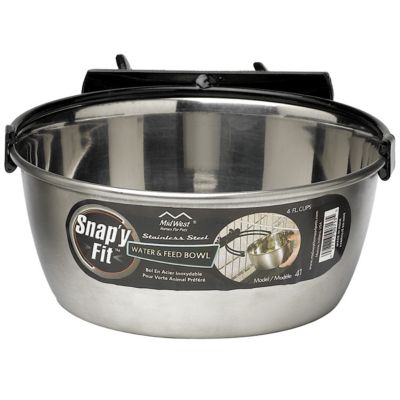
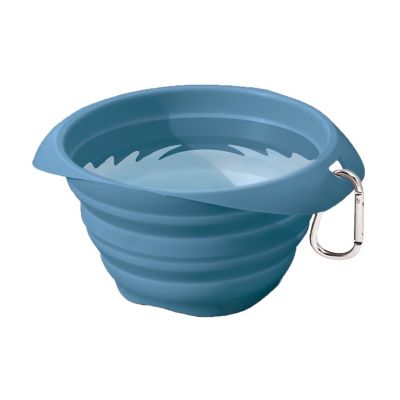
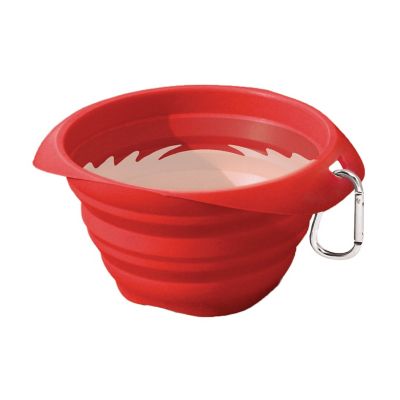
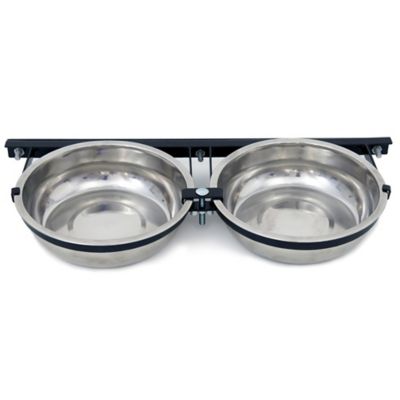
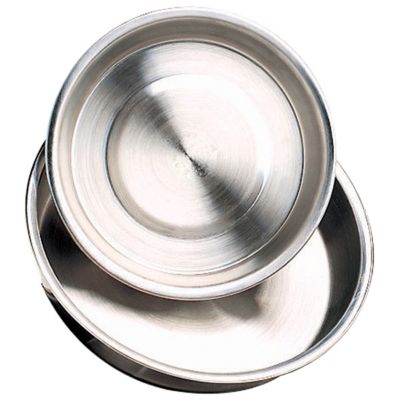
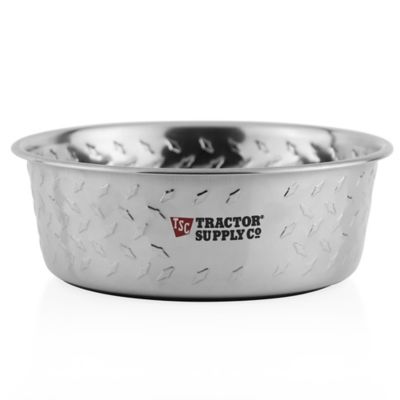
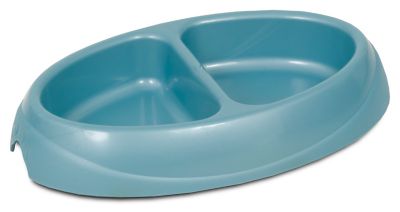
Materials give cute dog bowls and cat bowls much of their character, and they also affect weight, cleaning, and how the dish handles daily wear. Ceramic offers a substantial feel and a broad range of painted patterns, glazed colors, and sculpted shapes. Its weight can help limit sliding, although a determined pet may still push it across a smooth floor. Ceramic bowls should be intended for pet food or water, with intact food-contact surfaces; chips and cracks are reasons to replace a dish rather than keep it in the feeding rotation. Stainless steel is generally lightweight, resists rust, and is easy to wash, making it a practical choice for frequent meals and water refills. A metal insert inside a patterned outer holder separates the washable eating surface from the colorful exterior, though both pieces need attention when spills collect between them. Silicone bowls offer flexibility and are often suited to travel, with some designs folding down for a day away from home. They are not chew toys, so pets that grab or gnaw their dishes need supervision and a different option if damage appears. Plastic can bring bright colors and a lighter feel, but scratches and tooth marks make careful inspection important. Whatever the material, a smooth interior with few tight corners makes leftover food easier to remove. Raised patterns on the outside can add charm without creating extra places for food to settle inside. Dishwasher care varies by bowl, insert, finish, and base, so the care label matters more than appearance alone. Rubber rings, printed surfaces, and removable parts may have separate washing instructions. Food bowls need washing after meals, and water bowls need regular washing and fresh refills rather than a quick top-off alone. A spare set makes that routine easier when one pair is being cleaned. On wood, tile, or vinyl floors, a nonslip base and a washable feeding mat can help manage scooting bowls and stray drips, though neither takes the place of wiping up standing water.
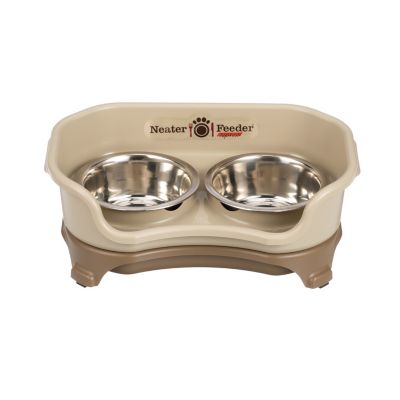
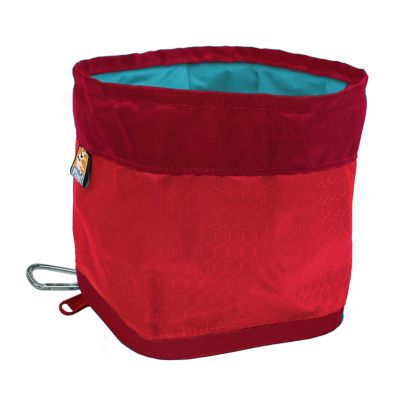
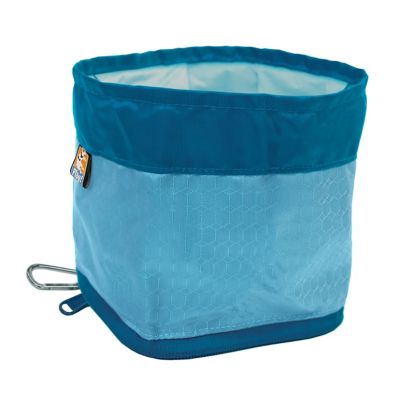
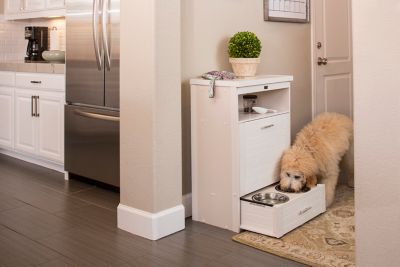
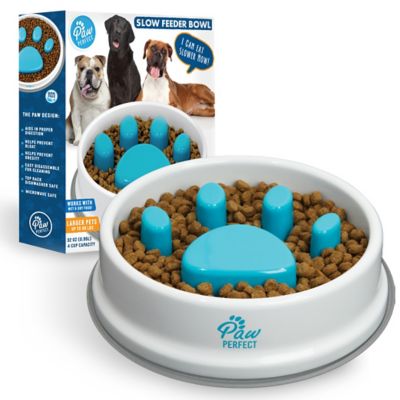
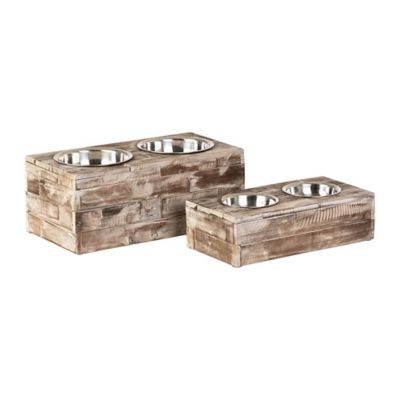
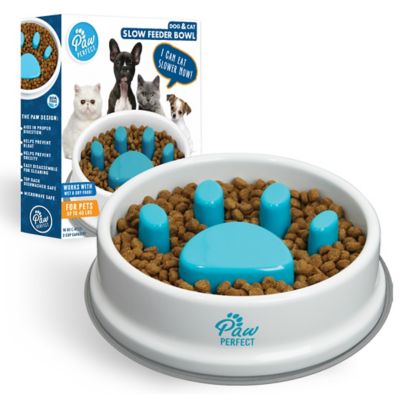
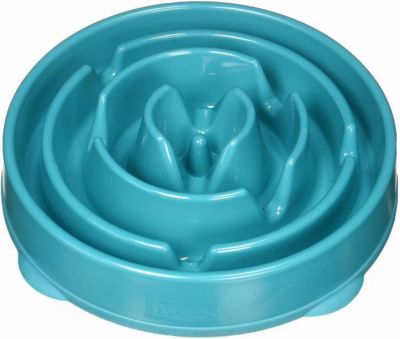
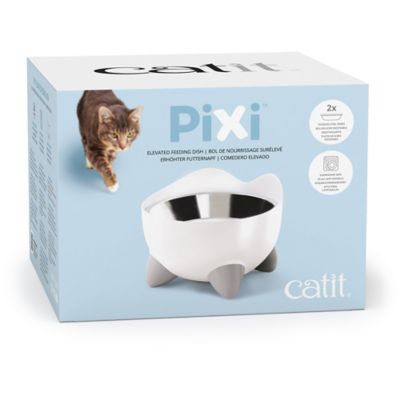
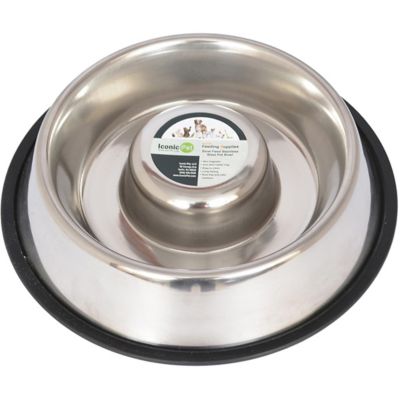
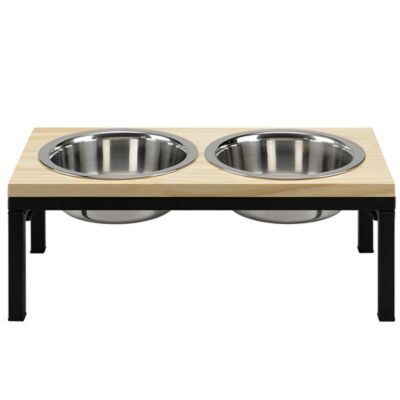
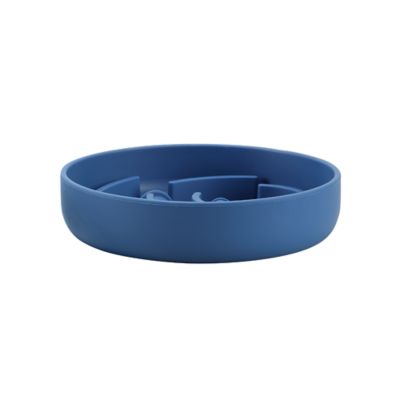
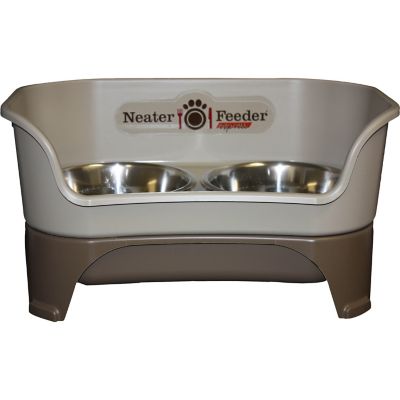
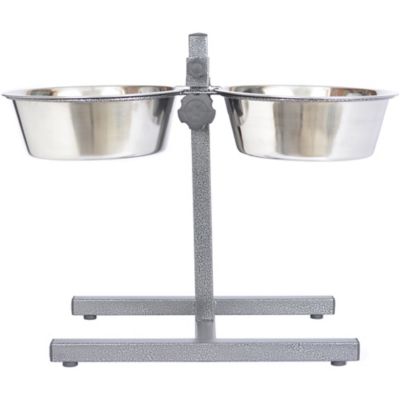
Different feeding routines call for different bowl features, even when a playful look is the common thread. A straightforward open dish works well for many pets, while a slow-feeder bowl adds channels or raised sections that make food take longer to reach. Those shapes should suit the animal’s muzzle and the type of food served, with enough space to eat comfortably and surfaces that can be cleaned thoroughly. Deep, narrow grooves may be awkward for a flat-faced pet, and sticky food takes more effort to wash out of intricate patterns. Raised bowl stands change the height of the eating surface and can keep a pair of dishes together, but height should fit the individual animal rather than follow a one-size-fits-all rule. A stand should sit firmly without rocking, and the bowls should lift out easily for washing. Pets with swallowing trouble, discomfort, or other medical needs may need a veterinarian’s advice on feeding position and bowl style. For an enthusiastic dog that nudges dinner across the mudroom, a broad base may matter more than an elaborate shape. For a cautious cat that likes a quiet corner, a low, open dish in a calm spot may be the better fit. Portable bowls serve a different job, tucking into a travel bag for visits, outings, or a stay with family, while heavier bowls are often better left at the regular feeding station. Cute pet bowls can also make thoughtful gifts for someone welcoming a puppy, adopting a cat, or setting up a new home with an animal companion. Knowing the pet’s size, eating habits, and household cleaning routine helps make the gift practical as well as cheerful. Coordinating a dish with a feeding mat, toy basket, or other
Cute Pet Supplies gives the pet’s corner a pulled-together look without requiring everything to match. Whether the look is bright and playful or simple with a small paw-print detail, the bowl still has an everyday job to do: hold meals or fresh water, sit securely, and give a much-loved pet a comfortable place to tuck in.