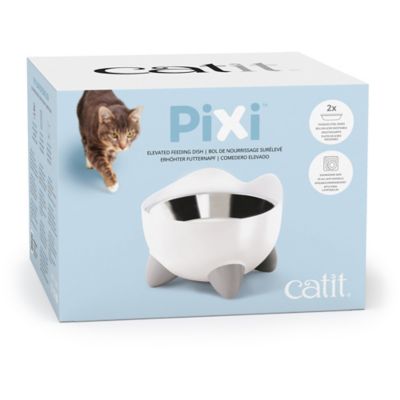
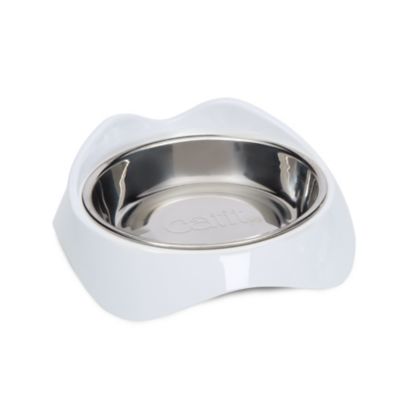
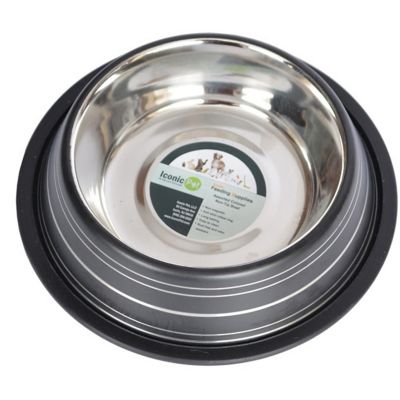
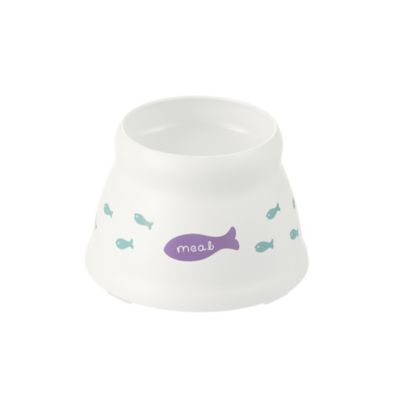
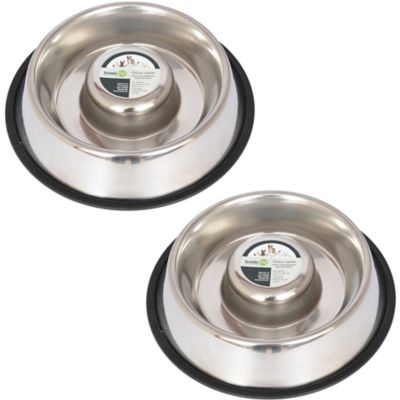
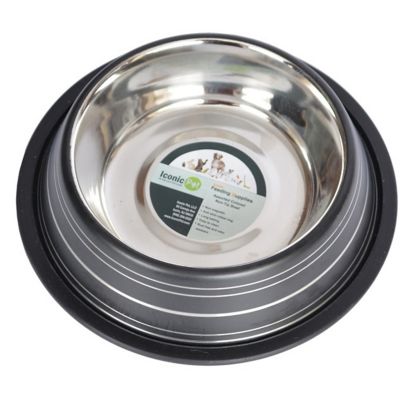
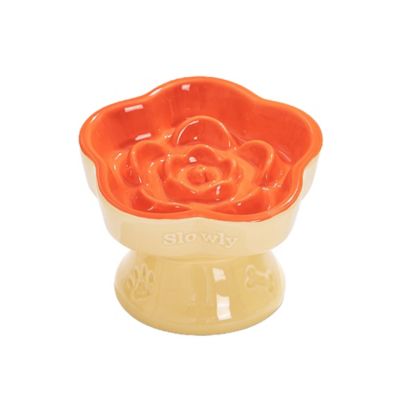
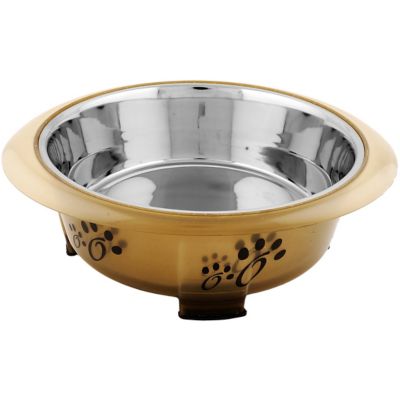
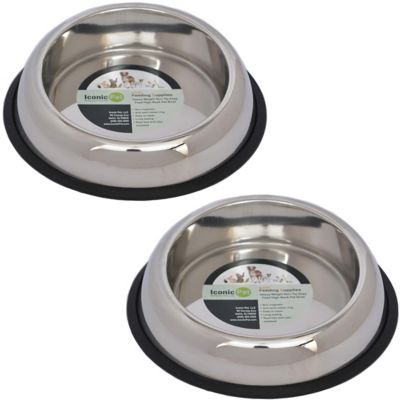
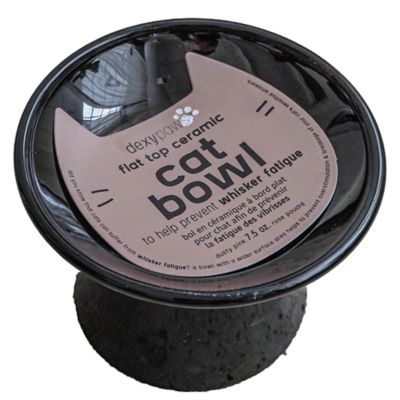
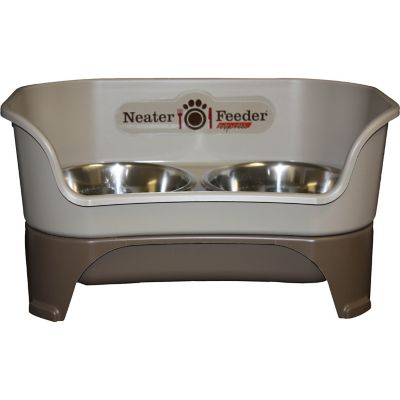
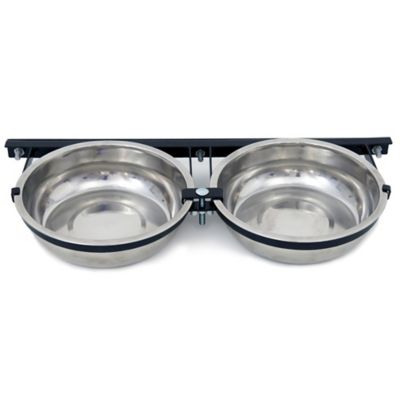
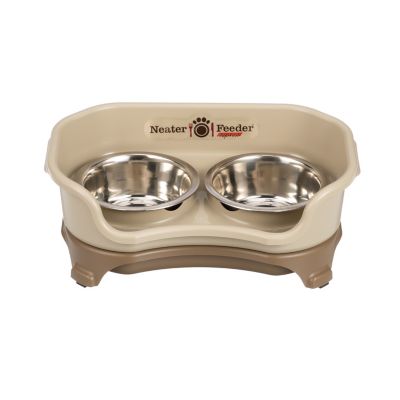
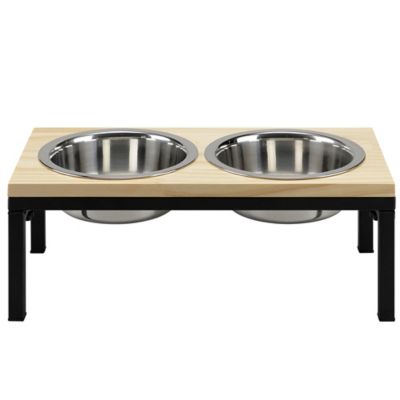
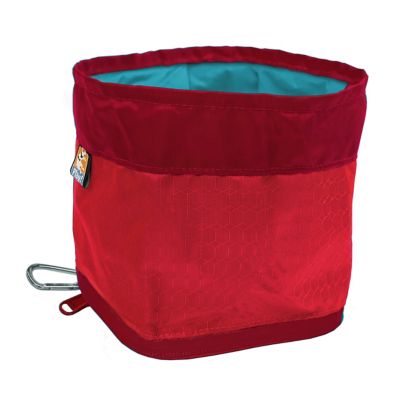
A wide, shallow cat food bowl made from stainless steel or food-safe glazed ceramic is a practical starting point for everyday feeding. An open shape gives a cat room to reach its food without pressing its face into a narrow dish, while a smooth surface makes leftover food easier to wash away. Cat food bowls come in different depths, widths, and heights because a small kitten, a broad-faced adult, and an older cat may not settle comfortably at the same dish. For many cats, a shallow bowl keeps food within easy reach and leaves more space around sensitive whiskers. Some cats seem to prefer less contact between their whiskers and the sides of a bowl, although claims about “whisker fatigue” are not firmly established. The useful detail is how comfortably the cat can eat: a roomy opening can help prevent a nose-down scramble for the last few bites. Capacity matters, too, but a larger bowl does not mean a larger serving. A dish should hold the cat’s measured meal with enough room to keep kibble from spilling over the rim. Wet food often fits well on a shallow surface where a cat can reach it without pushing it into deep corners. Dry food needs enough edge to contain loose pieces, especially when an enthusiastic eater noses them around. A rounded interior can make those final mouthfuls easier to reach than a dish with tight corners. Raised cat food bowls bring meals above floor level and may make access easier for some cats with mobility limitations, but the height needs to suit the individual animal. A stand should let the cat eat in a comfortable position without stretching upward or leaning awkwardly. Elevation is not a proven fix for vomiting, and repeated vomiting calls for veterinary attention rather than a different bowl alone. Whether a cat eats beside the kitchen cabinets or in a quiet farmhouse mudroom, a comfortable fit starts with its size, posture, and eating habits.
Materials affect the weight, feel, and upkeep of a feeding dish. For a straightforward daily setup,
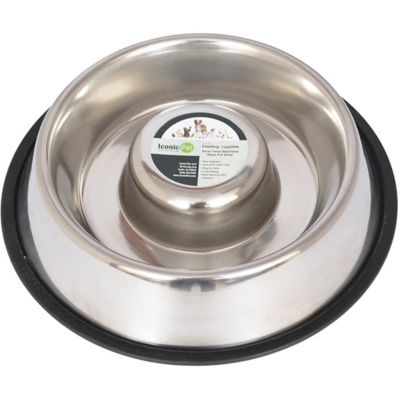
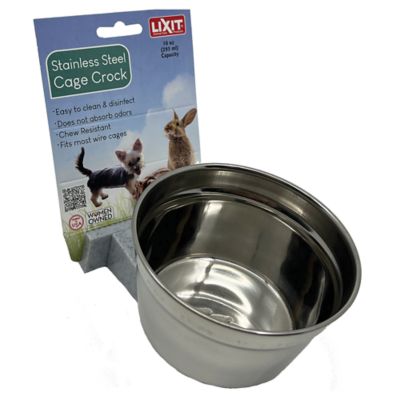
Stainless Steel Bowls for Cats offer a smooth, nonporous surface that is easy to wash. Stainless steel is generally lighter than ceramic and resists breakage, making it a practical choice for busy households, foster homes, and feeding areas where dishes get carried back and forth. It still needs regular cleaning, and scratches, damaged rims, or stubborn buildup deserve attention. Food-safe glazed ceramic brings more weight to the feeding spot, which can help a bowl stay put when a cat nudges it. The glaze should remain smooth and intact; chips and cracks can leave rough edges and places that are harder to clean. Plastic bowls are lightweight, but scratches can develop with repeated wear and make thorough washing more difficult. Any bowl with deep grooves, damaged surfaces, or a rough rim is worth replacing. If a cat develops irritation around its chin, a veterinarian can help identify the cause instead of leaving the bowl material to take all the blame. Shape and construction matter alongside the material. A broad base can help resist tipping, while a non-skid ring or silicone pad can limit the familiar scrape of a bowl traveling across the kitchen floor. Removable inserts make some raised feeding setups easier to carry to the sink, and a stand without narrow crevices is simpler to wipe down. Dishwasher compatibility varies, so the care directions should determine whether a bowl, rubber ring, or stand belongs in the machine. Wash bowls with dish soap and water, rinse thoroughly, and let them dry before refilling. Food bowls need cleaning every day, including dishes that hold dry kibble, and wet-food bowls should be washed after each meal. A spare dish makes it easier to keep that routine moving while another bowl is being cleaned.
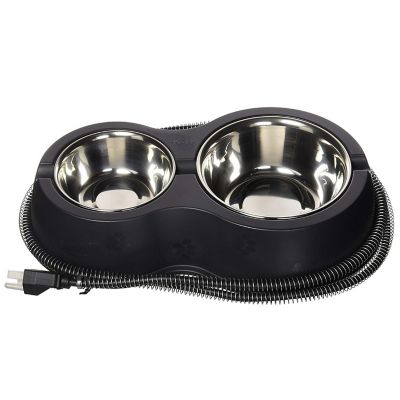
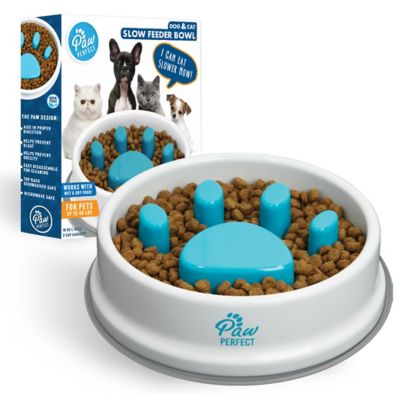
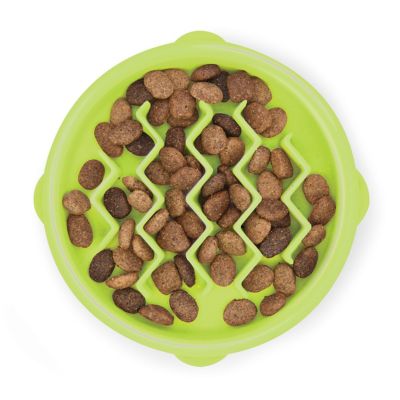
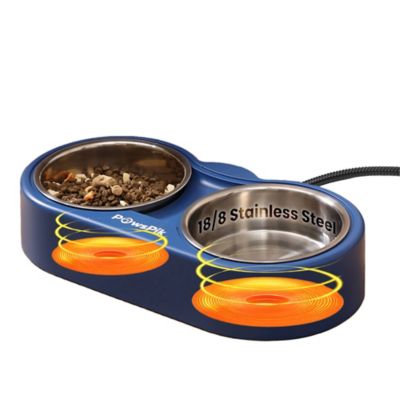
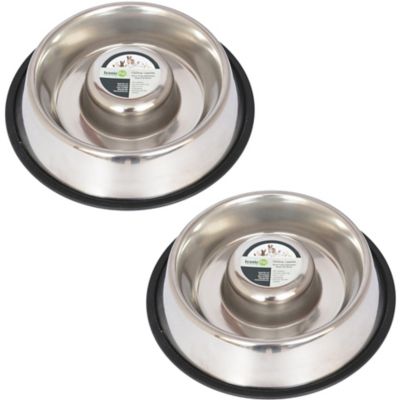
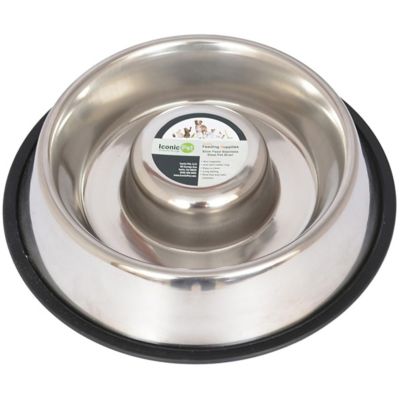
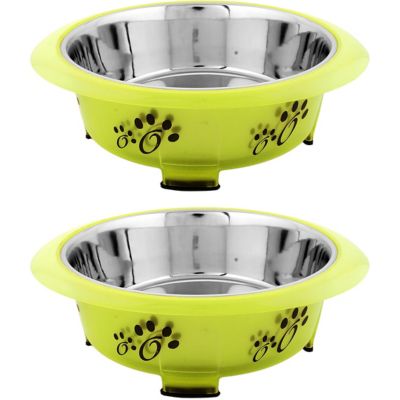
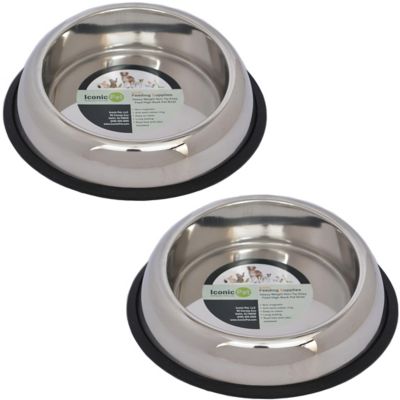
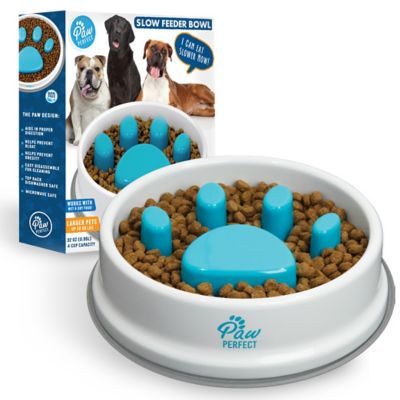
The best feeding arrangement also gives a cat a calm place to eat and leaves enough room for the people moving through the house. A bowl tucked beneath a low shelf may look out of the way but leave a taller cat crouching awkwardly. A dish beside a swinging door can interrupt a meal every time someone walks past. An open, quiet spot away from the litter box usually makes more sense, with a washable mat underneath to catch crumbs and small spills. That mat needs regular cleaning, too, since food can collect beneath the bowl even when the dish itself looks tidy. In a household with several cats, separate bowls and some space between feeding spots can help each animal eat without crowding. For cats that guard meals or finish another cat’s portion, separate feeding areas may work better than lining every dish up along one wall. A double-bowl setup keeps two dishes together, but the spacing should allow comfortable access and easy removal for washing. Some cats prefer their drinking water apart from their food, so separate dishes give the household more flexibility. Kittens need low rims they can reach without climbing into dinner, while larger cats need room for their faces rather than simply a deeper container. For cats that paw at kibble or push dishes with their noses, a heavier bowl or a stable non-skid base can help keep the feeding spot contained. Slow-feeding designs add ridges or compartments that can slow some eager eaters, though the openings still need to suit the cat’s face and allow thorough cleaning. Farm households caring for several cats may find individual, washable bowls helpful for keeping meals organized and noticing when one animal leaves food behind. A fresh feeding set can also be a practical gift for someone welcoming a cat home. From a simple shallow dish to a raised feeding setup, cat food bowls earn their place through comfortable access, steady footing, and easy everyday care.