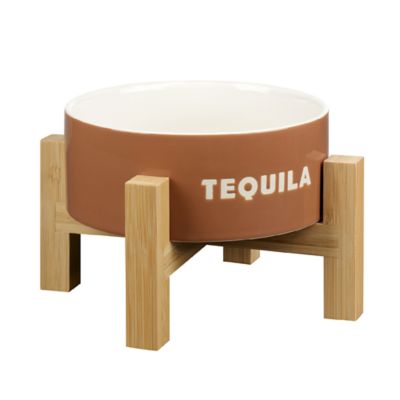
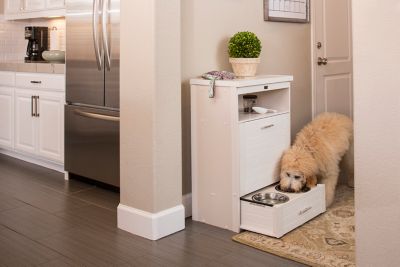
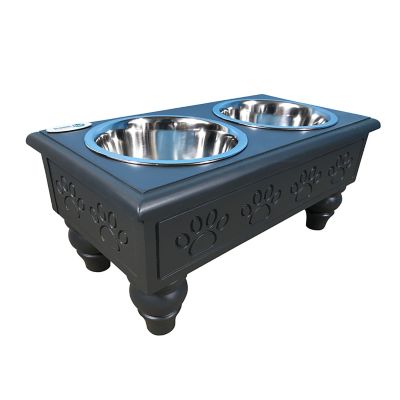
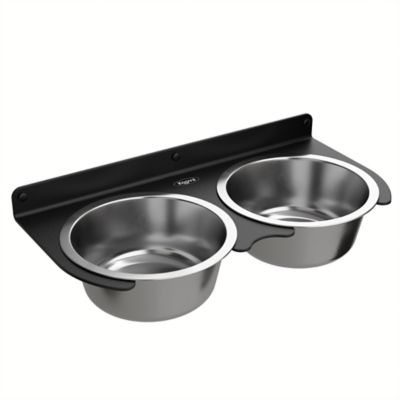
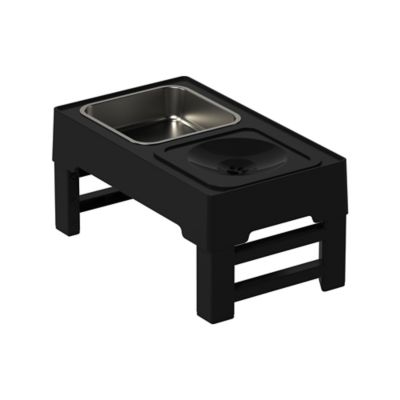
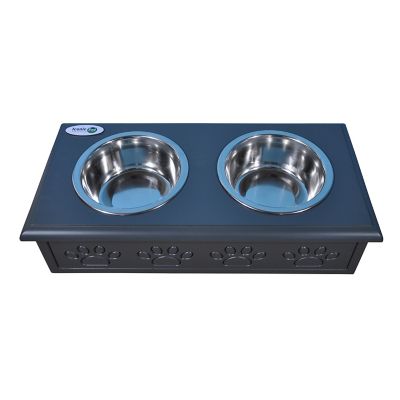
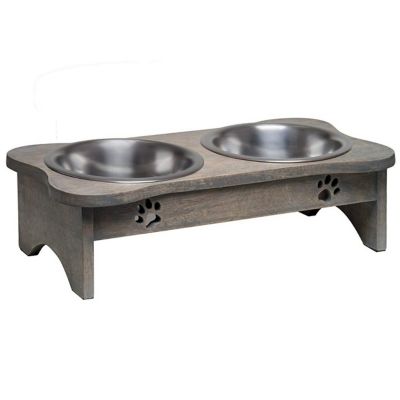
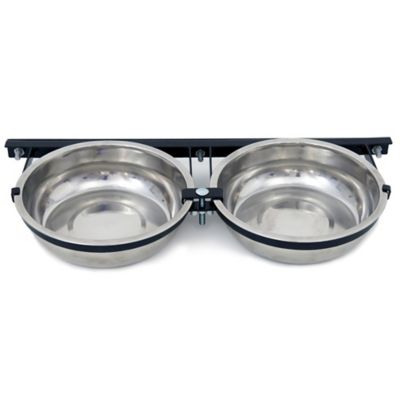
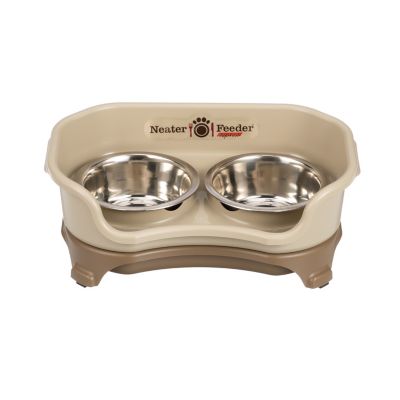
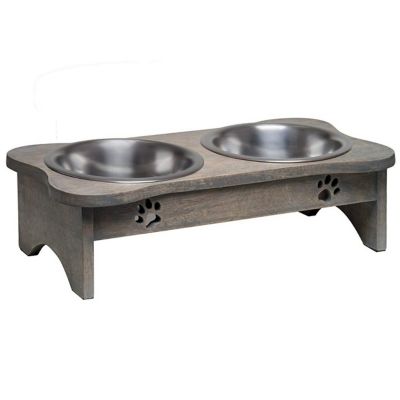
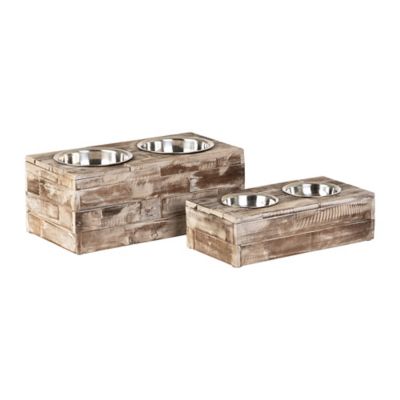
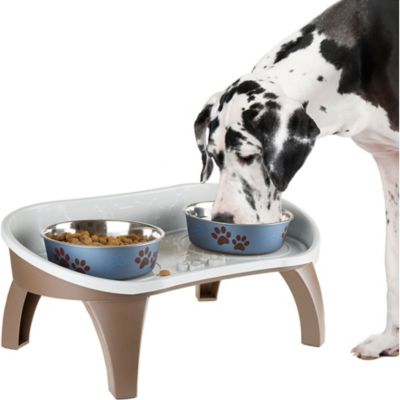
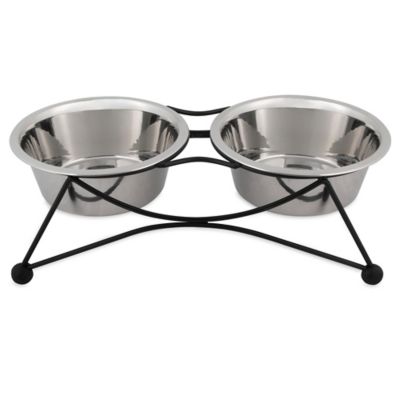
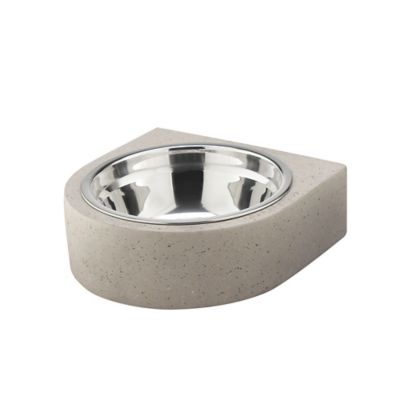
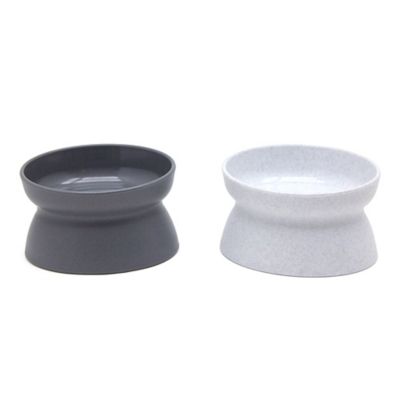
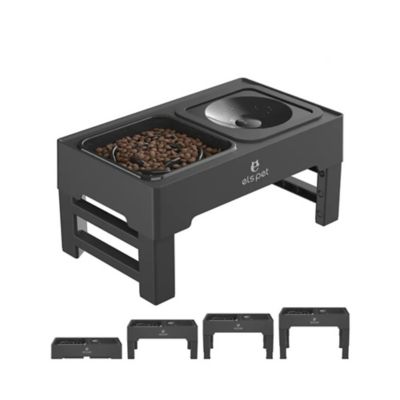
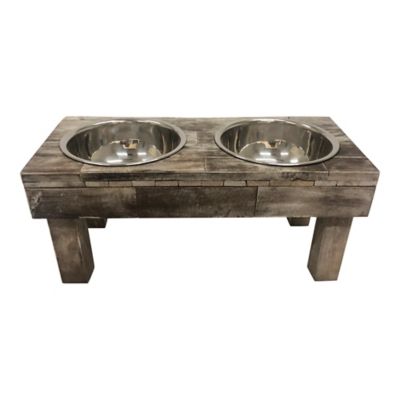
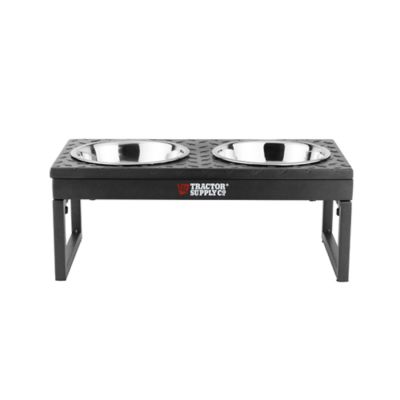
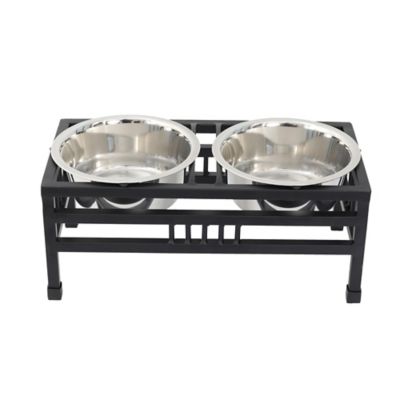
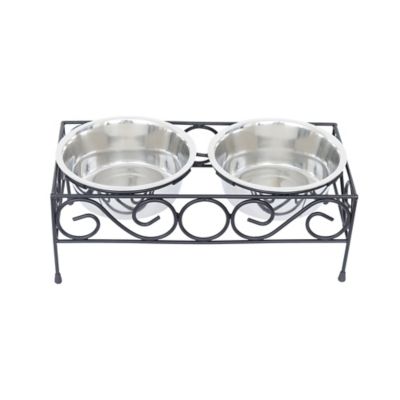
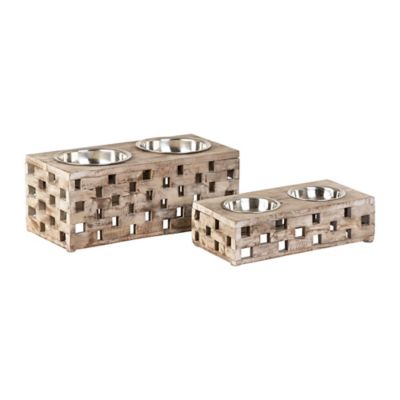
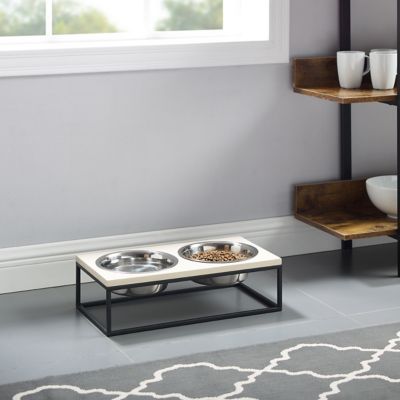
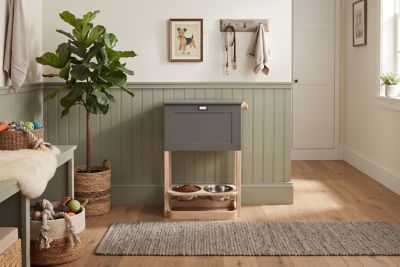
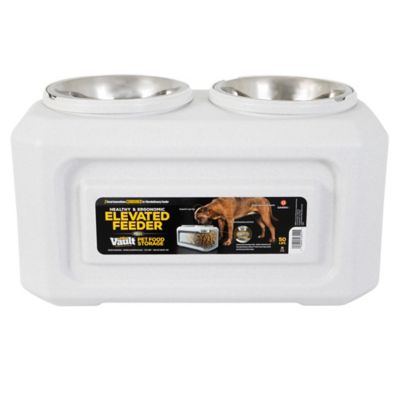
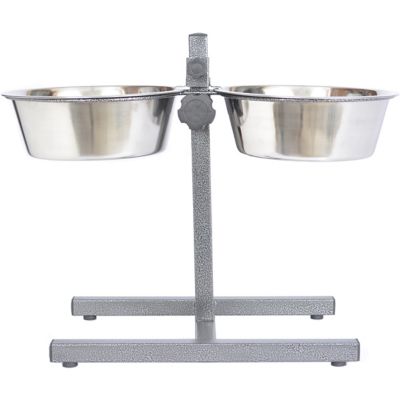
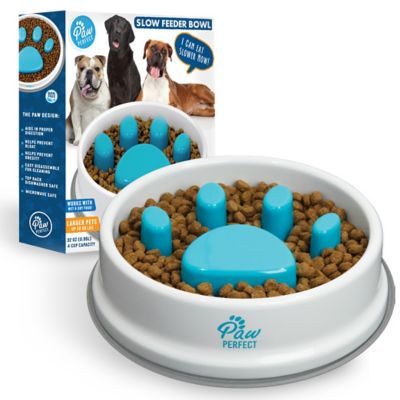
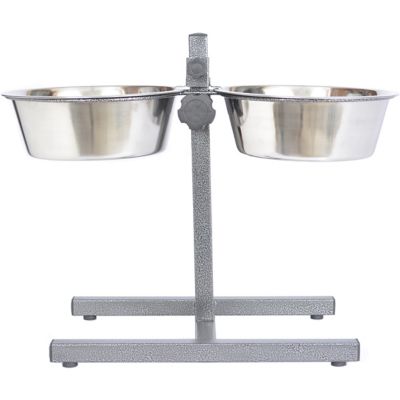
Pet bowl stands hold food and water dishes above the floor, creating a feeding spot for dogs and cats. Also called elevated feeders, they range from low platforms for small pets to taller frames for larger dogs, with single-bowl, double-bowl, and adjustable-height designs serving different households. A stand can help keep dishes from scooting across the kitchen and make the space around them easier to wipe down, though the bowl fit and base design matter just as much as height. The right feeding position depends on the animal’s build, reach, and health rather than breed size alone. A broad-chested dog with short legs has different needs from a long-legged dog of similar weight, and a cat generally needs much less elevation. There is no single stand height that suits every pet. A suitable setup leaves room for a natural stance without making the animal stretch upward, reach over a tall edge, or crowd its front feet against the frame. Pets with mobility limits, swallowing trouble, or a history of bloat may need a particular feeding arrangement, so a veterinarian’s recommendation takes priority over general sizing suggestions. Raised bowls are not automatically healthier for every animal. Adjustable pet bowl stands offer flexibility as a puppy grows or when a household needs to change the feeding height, while fixed-height frames keep the arrangement simple. Bowl capacity deserves equal attention: the dish should hold an appropriate meal or water supply without needing to sit filled to the brim. A deep bowl may have plenty of capacity but still be awkward for a short muzzle to reach into. Wider, shallower dishes leave more room around a cat’s face, while long-eared dogs may benefit from a bowl shape that helps keep their ears clear of dinner. Stand height, bowl depth, and the pet’s reach all work together, making the complete setup more important than any one measurement.
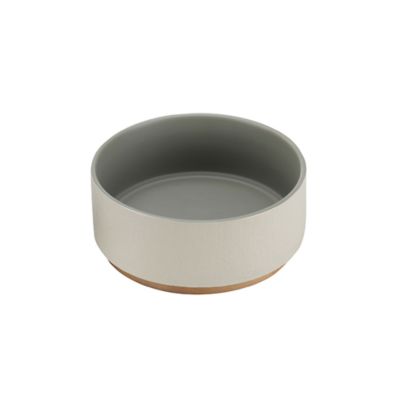
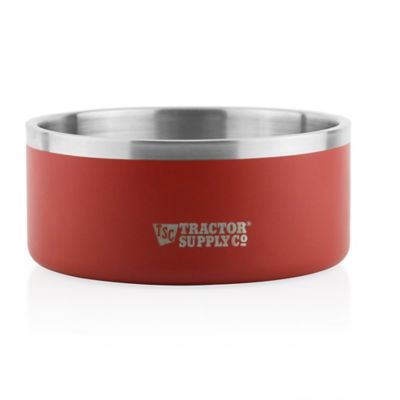
Materials affect a pet bowl stand’s weight, appearance, and everyday care. Steel and iron frames provide a firm structure, especially when the legs spread far enough to support the bowls without rocking. A coated finish helps separate the metal from splashes, but scratches, exposed edges, and damp joints still deserve attention. Stainless steel bowls are practical companions because their smooth surfaces wash easily and do not absorb food odors. Wood and bamboo stands bring a warmer look to a kitchen or mudroom, with care needs that center on keeping standing water away from seams and unfinished edges. A sealed top can make wiping up easier, but a puddle left beneath the water bowl can still work its way into joints. Plastic stands are often lighter to carry and straightforward to rinse, although their stability depends on the base, construction, and weight of the filled bowls. Ceramic dishes add heft, but chips and cracks call for replacement, and the frame must support their weight. Whatever the material, a bowl should settle securely into its opening rather than balance on a narrow edge or wobble when a pet starts eating. The outside rim measurement, bowl depth, and clearance underneath all matter when matching replacement dishes to an existing stand. A bowl with the right capacity may still have the wrong shape for the holder. Removable dishes make daily cleanup simpler, especially after wet food or a meal that leaves crumbs tucked beneath the rim. Food bowls need washing after meals, and water bowls need daily cleaning and fresh water. Dishwasher directions apply to the individual bowl, not automatically to the stand or any attached rubber parts. Lift-out trays, open corners, and smooth surfaces make it easier to reach the places where splashes collect. Rubber rings and feet also need occasional cleaning so trapped food and moisture do not build up out of sight. For a busy household, straightforward access to every surface can matter more than extra compartments or elaborate trim.
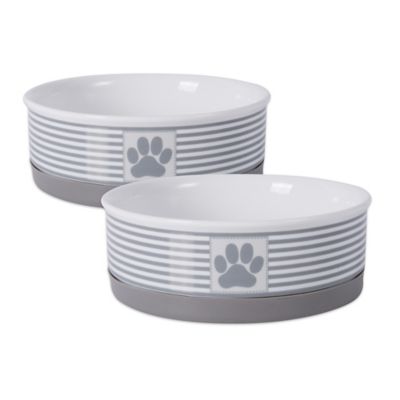
The best layout for a feeding corner depends on how the household moves around it. A double-bowl stand keeps food and water together along a kitchen wall or in a roomy mudroom, while separate single-bowl stands allow more space between meals and drinking water. That separation can help when a dog drops kibble into the water dish or when a cat prefers to drink away from its food. In homes with several pets, individual feeding stations make portions easier to manage and give each animal room to eat without another nose pushing into the bowl. Two openings in one stand do not necessarily make a comfortable dining spot for two animals. The frame’s footprint matters, too: widely spaced feet may improve balance but can become a tripping point beside a narrow doorway. A broad base and nonslip feet help resist movement when an eager eater nudges the rim, while rubber contact points can soften the clatter between a metal bowl and its holder. A washable feeding mat underneath catches drips and crumbs, provided it lies flat and does not make the stand rock. Placement away from swinging doors, foot traffic, and the path of a rolling chair keeps the setup out of the daily shuffle. Low-profile frames suit tight corners, while larger platforms need enough open space for the pet to approach and step away easily. Some households also need room nearby for a food container, scoop, or towel without crowding the bowls themselves. Color and pattern can give that corner a little personality;
Cute Pet Bowls can complement a stand when their dimensions match its openings. A coordinated feeding setup can also make a thoughtful gift for someone welcoming a pet, especially when the animal’s size and existing bowl measurements are known. From a compact cat station to a roomy feeding spot for a large dog, pet bowl stands work best when steady construction, accessible dishes, and manageable cleanup fit naturally into everyday life.