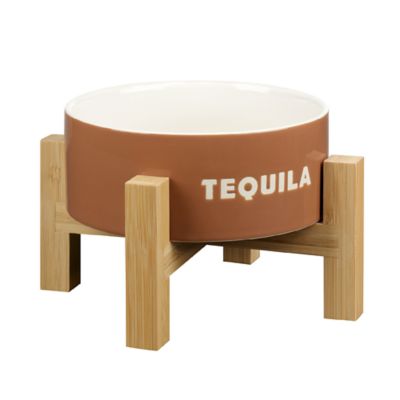
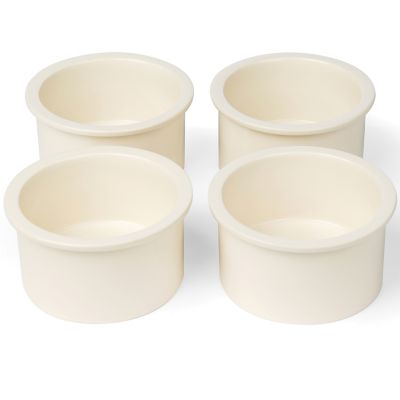
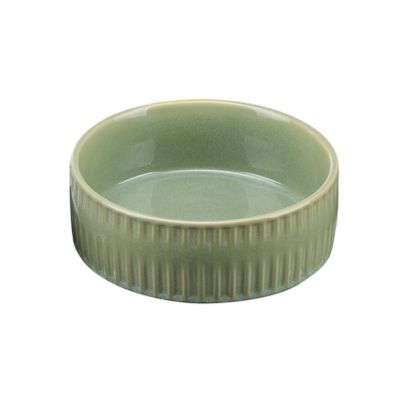
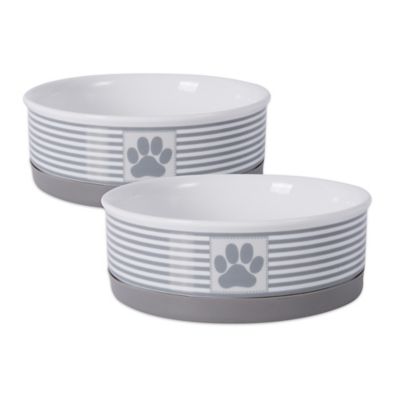
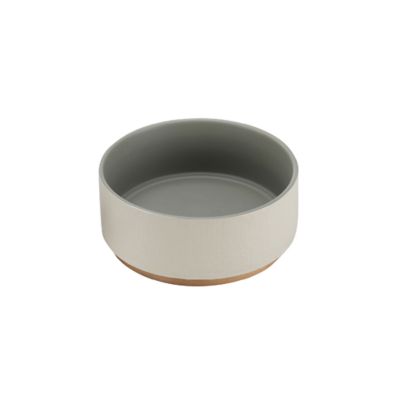
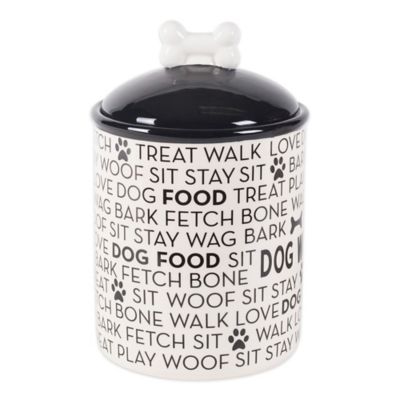
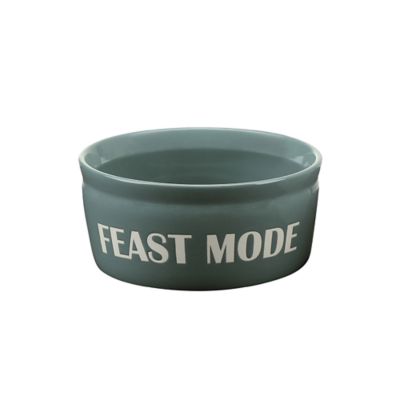
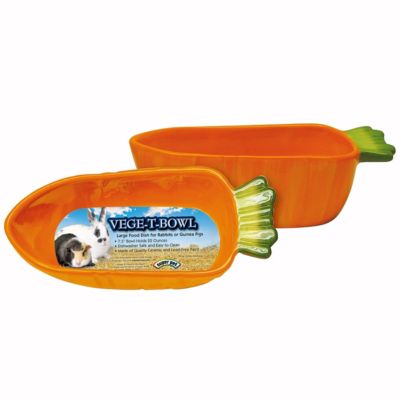
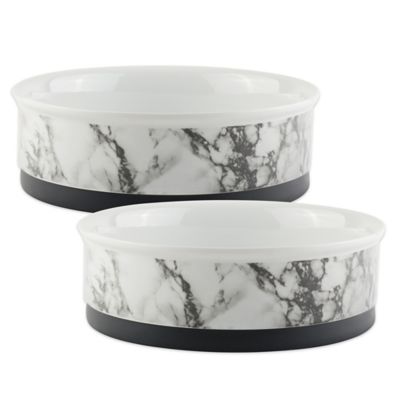
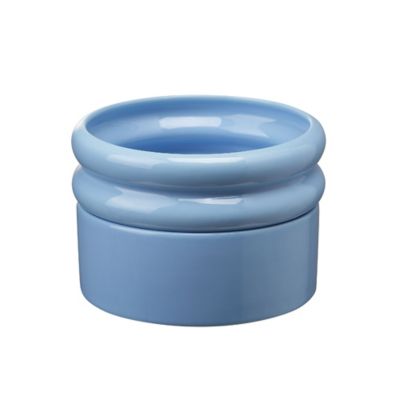
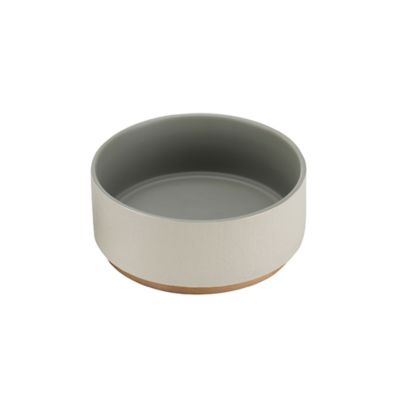
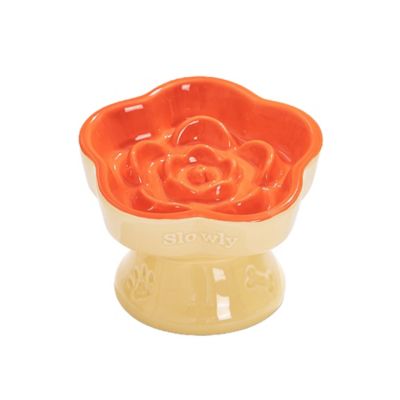
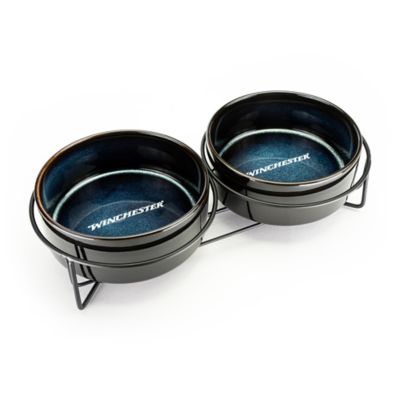
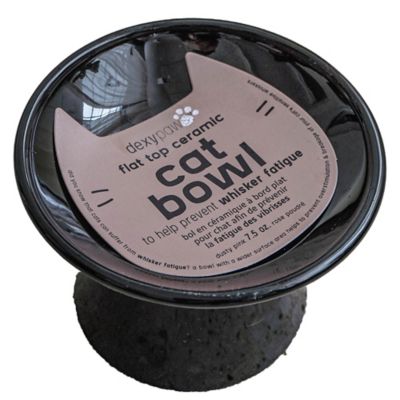
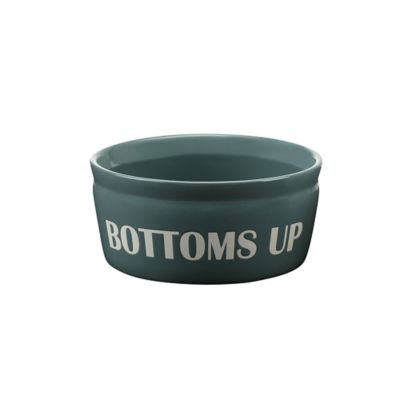
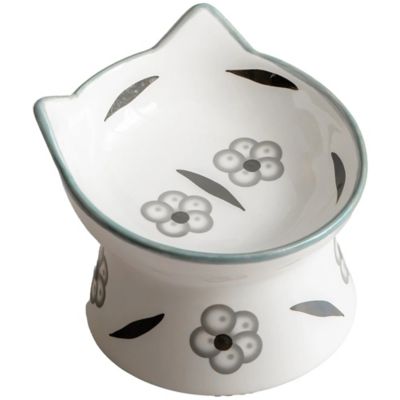
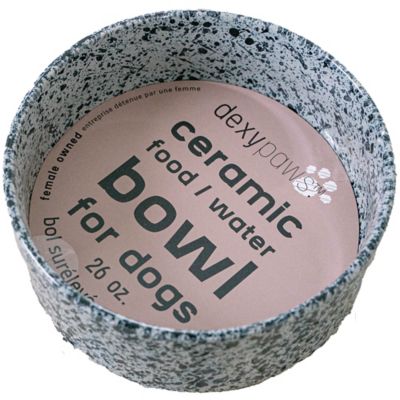
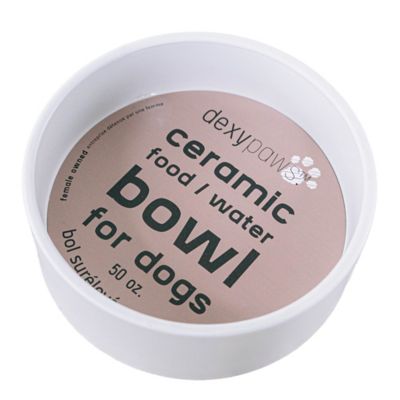
Ceramic pet bowls bring a little heft and a smooth eating surface to a pet’s everyday feeding spot, whether that’s beside the kitchen cabinets or tucked into a quiet corner of the mudroom. Made from clay that’s shaped and fired, these bowls often have a glazed interior that holds food or water without letting moisture soak into the ceramic beneath it. That finish matters for more than looks: a food-contact-safe glaze provides a surface that can be washed between meals, while the bowl’s weight can help keep it from scooting across the floor when an eager eater gets going. Weight alone won’t stop every spill, though, especially with a big dog that likes to push dinner around. A broad base and a feeding mat can help make that spot steadier. Ceramic bowls suit many cats and dogs, from a house cat nibbling small portions to a farm dog settling down for supper after following everyone around the property. They can hold dry kibble, wet food, or drinking water when the manufacturer identifies them for those purposes. Separate food and water bowls make it easier to keep drinking water clear of crumbs and meal residue. In a home with several animals, individual bowls and a little space between feeding spots can also help pets eat without crowding one another. Colors, painted patterns, and simple glazed finishes let a bowl blend into the room without making the feeding area fussy. A coordinated pair can make a thoughtful gift for someone welcoming a pet, especially when the size matches the animal rather than just the space on the floor. For everyday feeding, the most useful details are often the least flashy: enough room for the meal, a comfortable rim, and a shape that’s easy to reach into and wash. Ceramic has a solid feel that works well in a regular feeding spot, but it needs sensible handling because a drop onto tile or concrete can crack or break it.
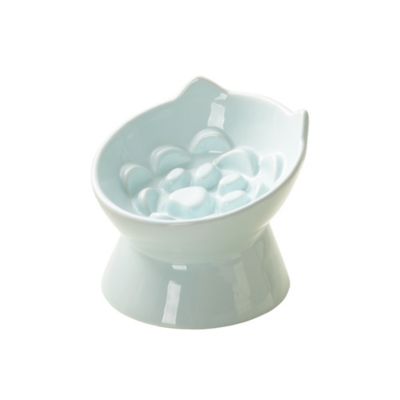
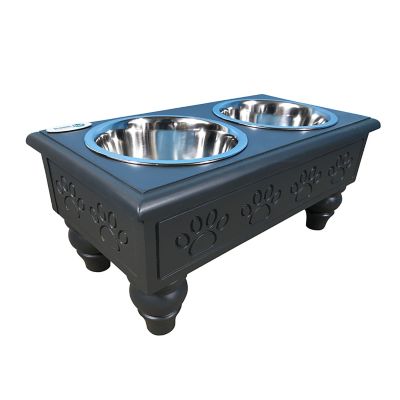
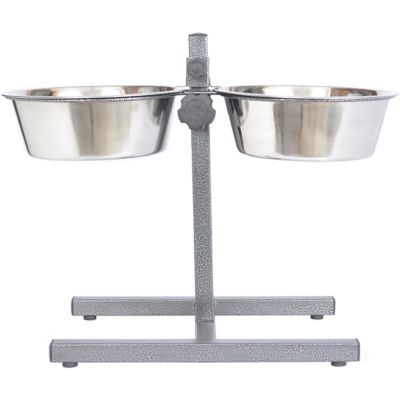
The right ceramic pet bowl starts with the pet’s build and eating habits, not simply a small, medium, or large label. Capacity tells how much a bowl holds, while its width, depth, and overall footprint tell more about how comfortably an animal can reach the contents. A bowl filled all the way to the rim leaves little room for a nose moving through kibble or a tongue lapping water, so some space above the serving helps keep meals contained. For cats, a wide, shallow shape gives the face more room and can reduce contact between the bowl’s sides and the whiskers. Some cats show a clear preference for that open shape, while others eat comfortably from deeper dishes. Short-muzzled dogs may also find shallow bowls easier to reach into. Long-eared dogs bring a different consideration: a narrower opening may help keep ears out of dinner, provided there’s still enough room for the muzzle. A larger dog’s water bowl needs capacity as well as stability, but even a roomy bowl still calls for regular checking and fresh refills. For puppies and kittens, a low rim can make early meals easier to reach; that same bowl may become too small as the pet grows. Older animals or pets with trouble bending may need a different feeding setup, and a veterinarian can help assess whether a raised position makes sense for their health and comfort. If a ceramic bowl will sit in a stand, both the opening diameter and the bowl’s outer lip need to fit securely so it doesn’t tilt or rattle. Slow-feeding shapes introduce another consideration: channels should leave enough room for the pet’s mouth and allow thorough cleaning after each meal. Ceramic often makes more sense for a settled feeding station than for a bowl carried from the house to the truck every day. For a lighter material suited to frequent carrying,
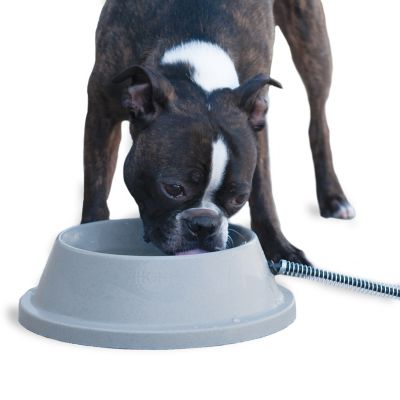
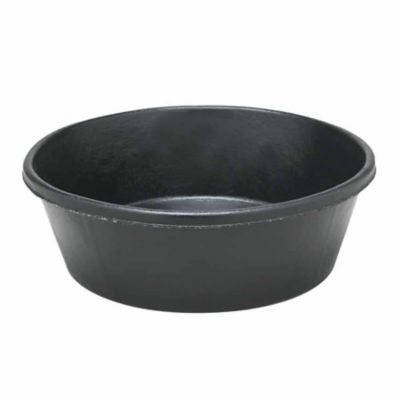
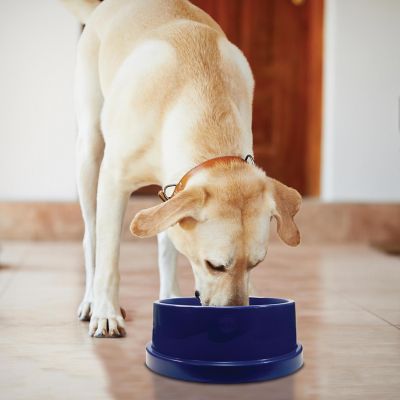
Plastic Dog Bowls offer another option to consider alongside a pet’s chewing habits and the manufacturer’s care directions.
Keeping ceramic pet bowls in good shape comes down to regular washing, careful handling, and paying attention to changes in the surface. Food bowls should be washed after meals, especially when they hold wet food, and water bowls need daily washing and fresh water rather than an endless series of top-offs. A slick film along the inside is a sign that a rinse alone isn’t enough. Dish soap, water, and a soft sponge can reach the bottom and sides without scraping the glaze; a thorough rinse helps keep soap residue out of the next serving. Check the manufacturer’s directions before placing a ceramic bowl in the dishwasher or microwave, since finishes, attached bases, and other details can affect what’s appropriate. Dishwasher-safe does not automatically mean microwave-safe. Bowls with ridges, lettering inside the basin, or narrow feeding channels need extra attention where bits of food collect. The underside deserves a look, too, particularly if an unglazed foot ring rests on a mat that stays damp. Let both the bowl and the surface beneath it dry, and wipe up splashes so the feeding corner stays clean. Ceramic resists some of the scratching that can come with everyday feeding, but it isn’t shatterproof. Set bowls down gently, avoid knocking them against the sink, and keep them out of walkways where boots or a swinging door could catch an edge. Check the rim and interior for chips, cracks, or a network of fine lines in the glaze. Damage can create sharp edges or places that are difficult to clean, so a damaged bowl belongs out of the feeding rotation. Pets that mouth or carry their dishes may need a different material rather than a heavier version of the same bowl. A ceramic dish works best when its size, shape, and placement match the animal and the household routine. With room to eat comfortably, a steady spot on the floor, and straightforward daily care, it can be a practical part of breakfast, supper, and all the water breaks in between.