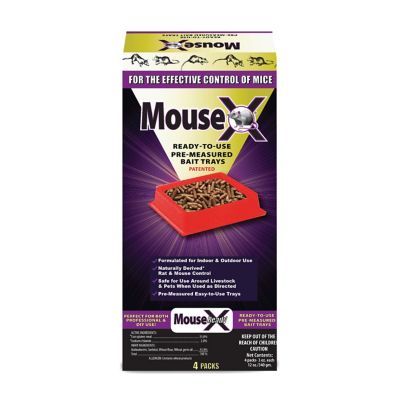
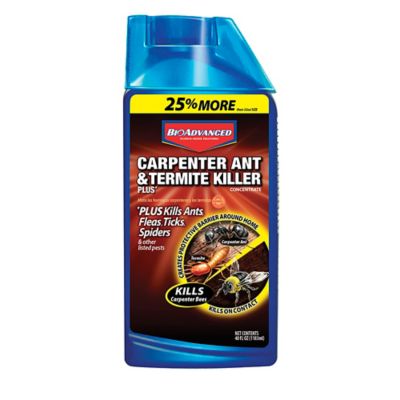
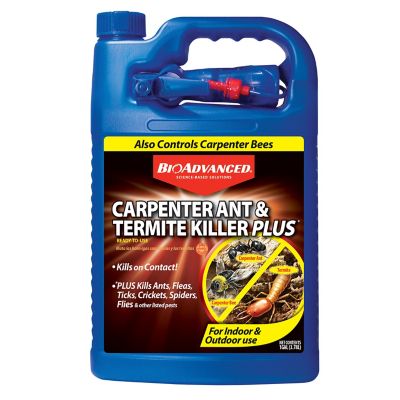
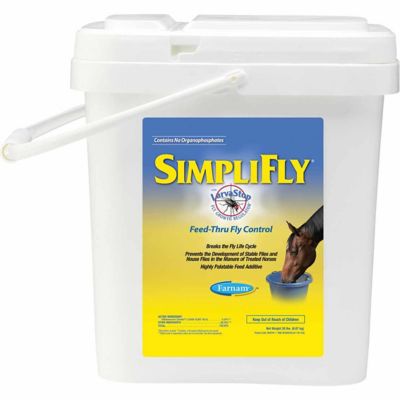
Pest control supplies help keep everyday spaces better suited to the people and animals that belong there, from the kitchen pantry to the feed room at the back of the barn. A mouse chewing through a feed sack, ants trailing along a baseboard, and flies gathering near a manure pile call for different approaches, even when they turn up on the same property. That makes the target pest and the intended treatment area good starting points when comparing pest control options. Traps, baits, repellents, sprays, and barriers each serve a different purpose, and the right choice depends on more than the size of the problem. Some supplies catch pests so activity can be monitored, while others discourage entry or control pests in places where they travel, nest, or feed. Homeowners may need a contained option for a garage or utility room, while people caring for livestock may need treatments specifically labeled for animal housing or certain animals. Gardeners and acreage owners have another set of considerations, including nearby plants, beneficial insects, and access to water. Indoor and outdoor applications are not interchangeable; a label that permits treatment around a foundation does not necessarily permit application inside a home, on an animal, or near stored feed. Pest identification matters, too, since a treatment meant for one insect may do little for another. General-purpose options can cover several listed pests, but a narrower treatment may better match a particular trouble spot. Around a working property, convenience often comes down to how well a control method fits the daily routine: a trap that is easy to inspect, a treatment suited to a hard-to-reach crevice, or a barrier sized for an entry gap. A good fit supports regular attention without getting in the way of feeding animals, tending a garden, or carrying groceries through the back door.
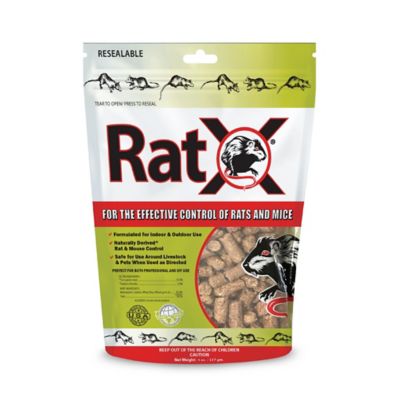
The construction and format of pest control supplies make a practical difference in where they belong and how much attention they need. Metal trap components, molded plastic housings, enclosed bait stations, and mesh barriers offer different benefits depending on the job. A housing should suit its placement, with closures that work properly and enough room for inspection and servicing as directed. For rodent control, trap size and design should match the target animal rather than simply fit the empty space behind a cabinet. Enclosed stations can help restrict access to bait, but tamper-resistant does not mean harmless or impossible to open. Placement must still follow the label and account for children, pets, livestock, and wildlife. Along a wall in a feed room, supplies also need to stay clear of sweeping, moving sacks, and other daily chores that could knock them out of position. Mechanical traps require routine checks and proper handling, while bait-based options need attention to label directions for placement, replacement, and disposal. For sprays and other applied treatments, ready-to-apply formats reduce preparation, while concentrates require the specified measuring, mixing, and application equipment. The treatment area, application rate, and permitted surfaces matter more than choosing the strongest-sounding formula. Some treatments may stain or affect certain finishes, so surface restrictions and any label-directed spot testing deserve attention before application. Applicator fit matters as well: a nozzle intended for a narrow crack serves a different purpose than equipment meant to cover a larger labeled area. Gloves, eye protection, or other protective equipment may be required, depending on the directions. After the job, proper equipment cleaning and storage help keep supplies ready for their next application. Pesticides belong in their original labeled containers, secured away from children and animals and separate from food, feed, and animal medications. Reusable equipment should be inspected for damaged seals, clogged nozzles, cracked housings, or worn parts according to its care instructions, rather than put back on the shelf with a problem still waiting.
Pest control around a home, barn, or outbuilding works best as part of the regular upkeep of the place, not as a substitute for it. Grain scattered beneath a feed bin, an open trash container, and a gap beside a pipe can keep attracting trouble even after a treatment. Supplies that address entry points and pest activity have a clearer role when food sources, hiding places, and access routes are also considered. That might mean pairing rodent monitoring with securely closed feed containers, or selecting fly control for a livestock area alongside consistent manure management. Physical exclusion materials need openings and dimensions suited to the pest, plus a secure fit at the intended entry point; blocking a gap should not interfere with needed ventilation, drainage, or equipment operation. For yards, fence lines, and the spaces around buildings,
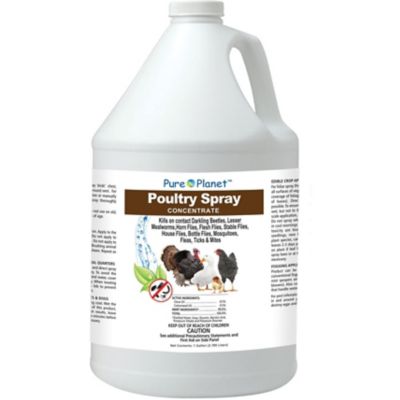
Outdoor Pest Control covers a related part of keeping a property comfortable and manageable. Outdoor treatment choices require close attention to the exact application site, nearby edible crops, water sources, flowering plants, and areas where animals graze or rest. A treatment labeled for an ornamental planting is not automatically suitable for a vegetable patch, and a premise treatment is not necessarily approved for direct application to livestock or pets. Repellents also have limits, with performance and reapplication needs that depend on the formula and its labeled purpose. Terms such as plant-based do not remove the need to follow precautions. On properties with dogs, cats, chickens, or larger livestock, checking species restrictions and any required time before reentry is especially important. Household pest control supplies are generally a practical purchase for the person managing the space, since that person knows the access points, animal routines, and treatment history. Whether the task involves a single pantry corner or several buildings across an acreage, clear labeling, suitable construction, manageable upkeep, and a close match to the target pest help make the choice useful for everyday life on the property.