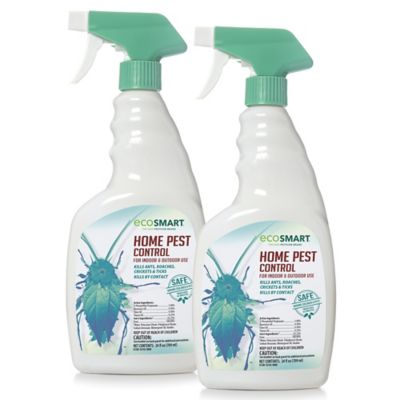
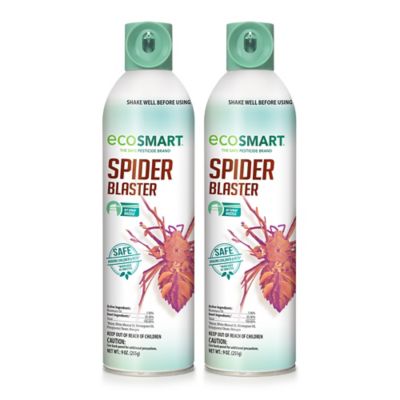
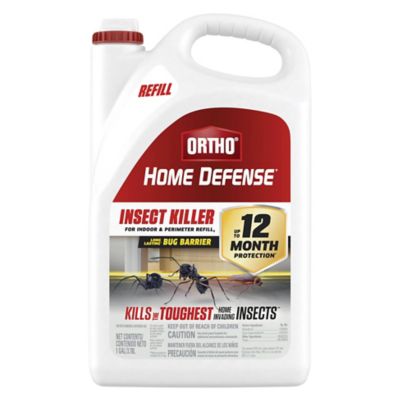
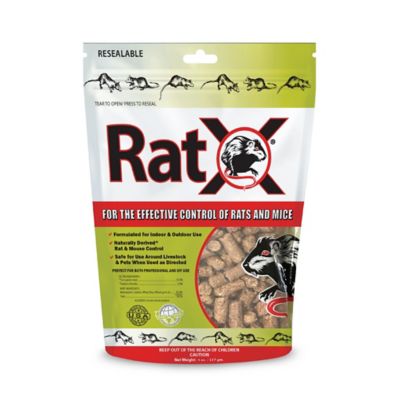
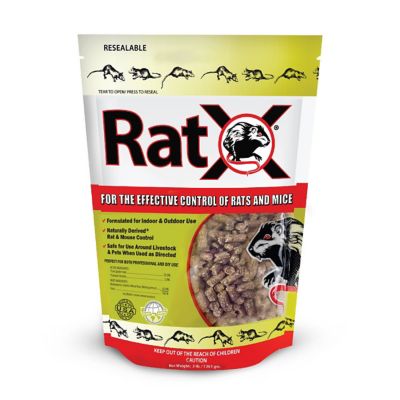
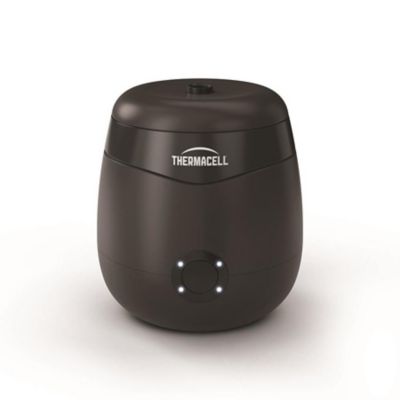
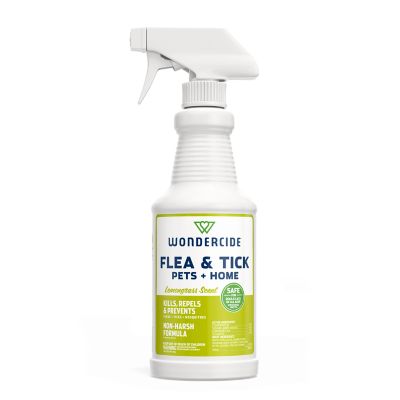
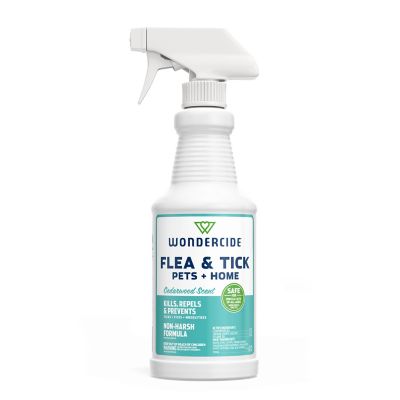
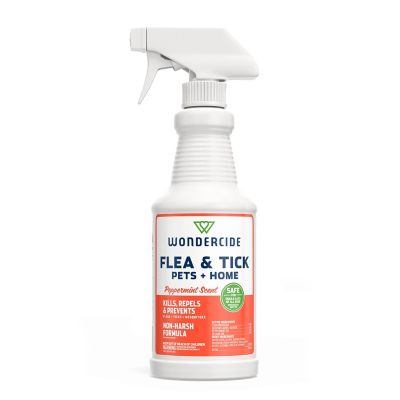
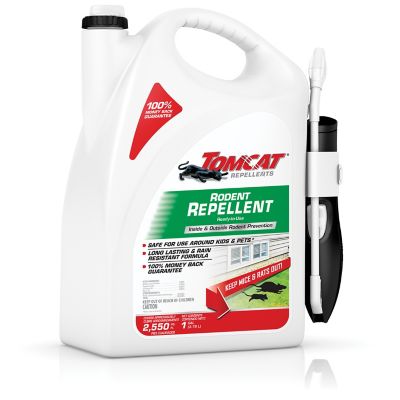
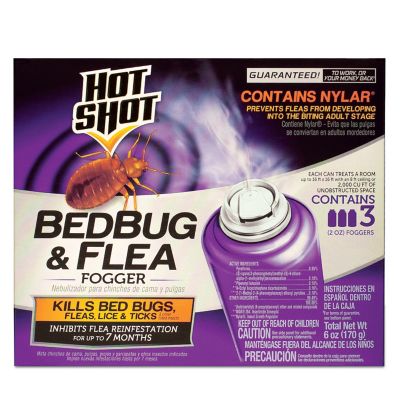
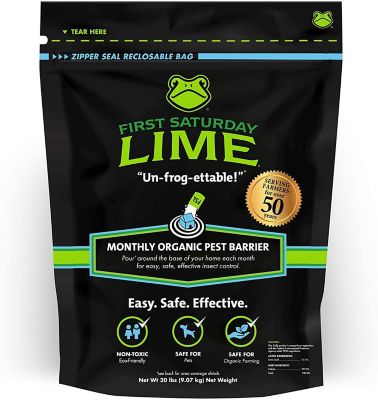
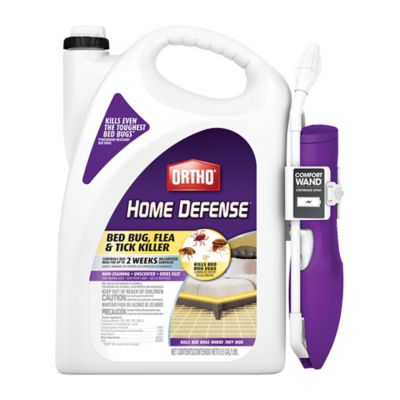
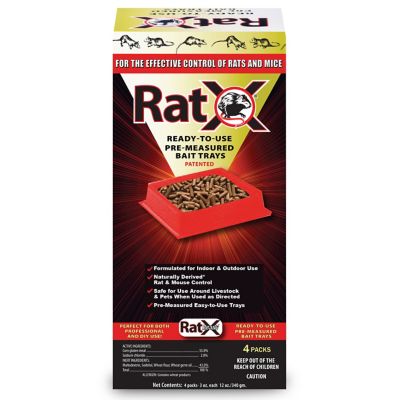
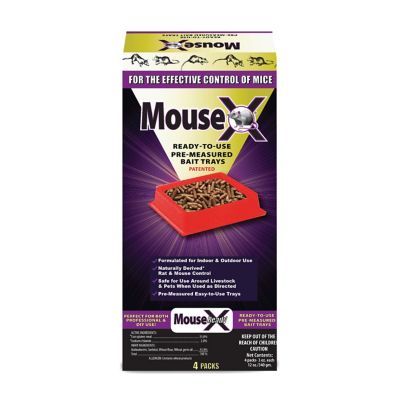
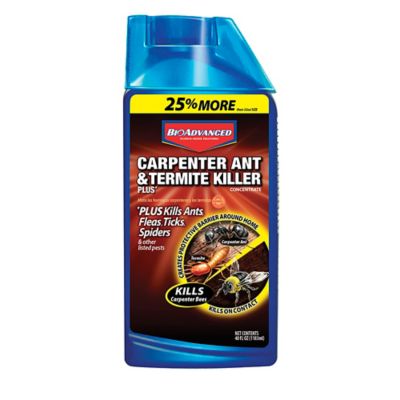
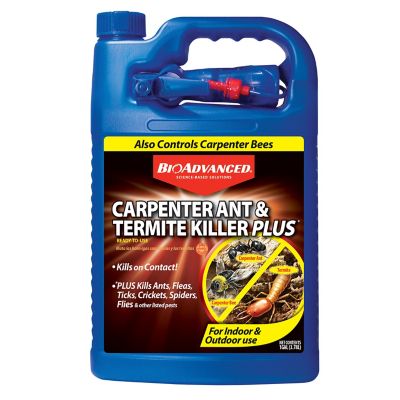
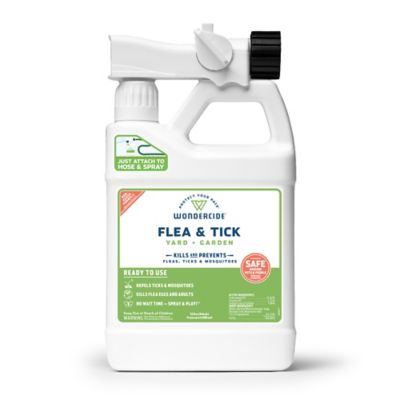
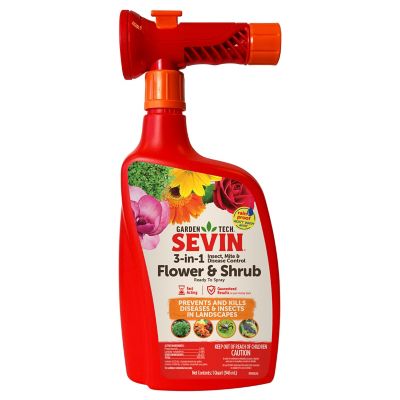
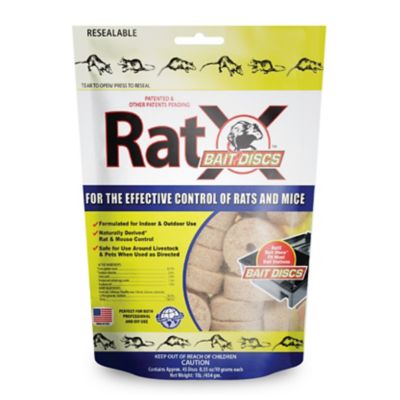
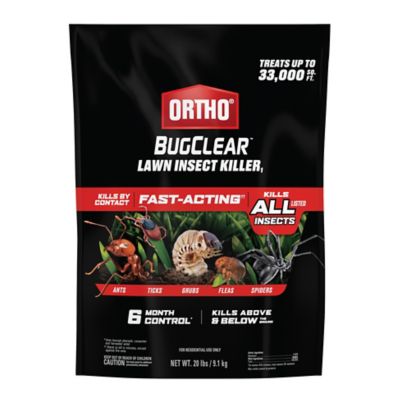
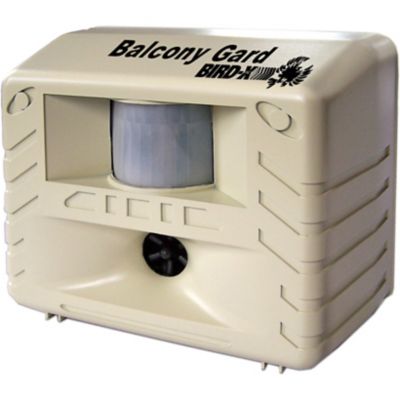
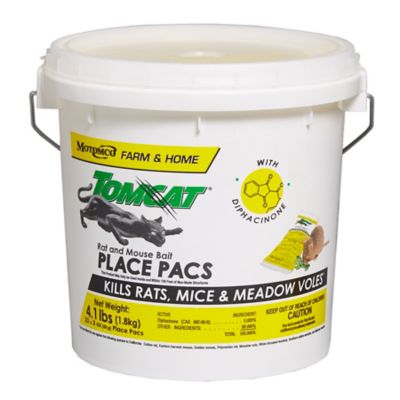
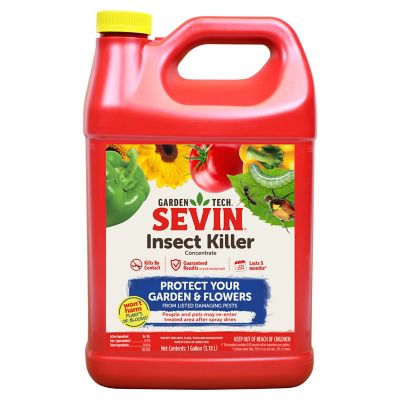
Modern pest control makes it easier to protect a home, barn, garage, garden shed, or other outbuilding without turning the job into a major chore. Today’s pest control options are designed with practical use in mind, from discreet indoor solutions for kitchens and living areas to outdoor choices that help create a cleaner boundary around doors, windows, foundations, and animal spaces. The right choice depends on the pest, the location, the size of the area, and the habits of the people and animals nearby. A small apartment kitchen may call for a different approach than a farmhouse pantry, tack room, workshop, or feed storage area. Before choosing anything, take a close look at where pests are showing up and what may be drawing them in. Crumbs beneath a counter, damp soil near a spigot, standing water in a low spot, firewood stacked against a wall, and gaps around utility lines can all give insects and rodents a reason to settle in. During the cooler months, many pests look for warmth and shelter, so garages, sheds, attics, crawl spaces, and barns can become especially appealing. Sealing openings, keeping food and feed in sturdy containers, cleaning up spills, and trimming back vegetation can help support any pest control plan. Products made for monitoring, trapping, repelling, or treating targeted areas can then be selected to match the situation instead of relying on a one-size-fits-all solution.
When shopping for modern pest control, pay attention to where the product can be used, how it is applied, and how long it is meant to remain effective. Indoor and outdoor use are not always interchangeable, and a product intended for a perimeter should not automatically be used inside a living area. Look for clear directions, coverage information, placement guidance, and storage instructions. Homes with children, dogs, cats, horses, poultry, or other animals call for extra care around placement and access. If pets share the space, consider options and practices specifically suited to their surroundings, along with the information found in
Pet Safe Pest Control. Keep treated areas, traps, and bait stations out of reach when needed, and never place pest control supplies near food, water, bedding, or animal feed unless the label specifically allows it. For barns and outbuildings, think about dust, moisture, temperature swings, and curious livestock that may nudge or knock over anything left within reach. In a house, discreet placement may matter just as much as performance, especially in busy rooms where people gather. Some shoppers prefer a low-profile option that blends into the background, while others need a more visible setup that can be checked at a glance. If a product requires regular inspection, choose a location that is easy to reach and remember. Pest control is easier to keep up with when the routine fits naturally into everyday chores, such as checking a storage room while bringing in firewood or looking over a shed during the regular evening lockup.
These products can be useful for a wide range of households, from first-time homeowners and renters to gardeners, hunters, livestock owners, landlords, and anyone caring for an older property. They can also make a thoughtful practical gift for someone settling into a new home, fixing up a country place, building a workshop, or preparing a cabin for cooler weather. A well-chosen pest control item may not be flashy, but it can be the kind of useful gift that earns its keep the first time a line of ants appears along the windowsill or a mouse leaves tracks near the feed room. For gift giving, consider the recipient’s setting and routine: an apartment dweller may value compact, low-profile solutions, while someone with a large yard or multiple outbuildings may need broader coverage and weather-ready options. Gardeners may be focused on protecting plants and raised beds, while pet owners may place greater importance on careful placement around kennels, runs, and feeding areas. Whatever the setting, read and follow all label directions, use only as intended, and give treated areas the time and ventilation called for by the manufacturer. Regular checks are especially worthwhile as temperatures shift, since a pest problem that seems quiet outdoors can move inside when conditions change. With thoughtful placement, good housekeeping, and products suited to the job, modern pest control can help keep living spaces more comfortable, stored goods better protected, and everyday farm and home routines running a little smoother through changing seasons.