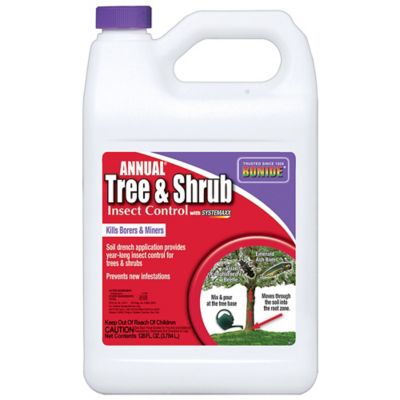
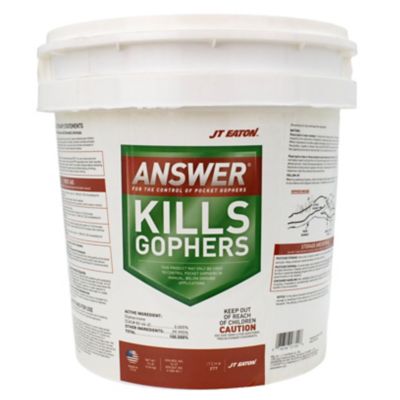
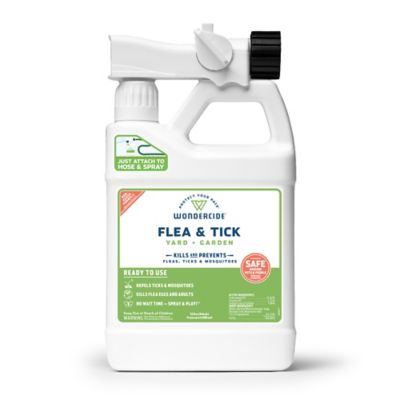
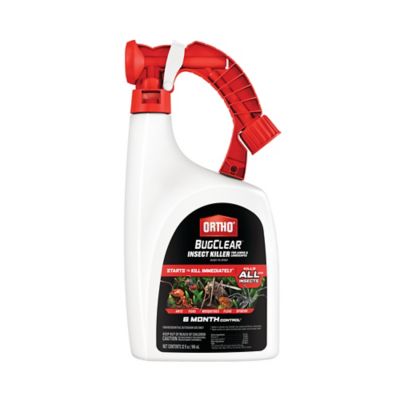
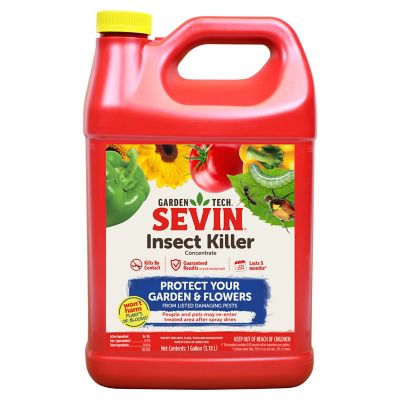
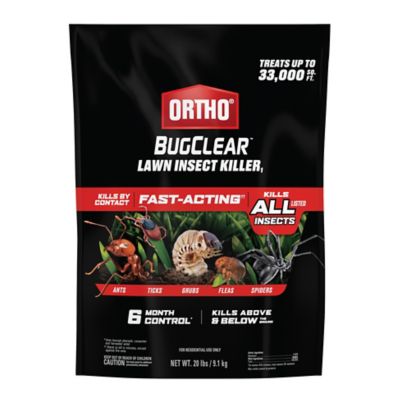
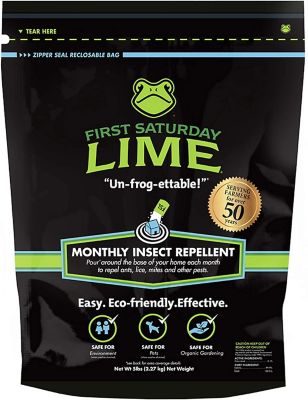
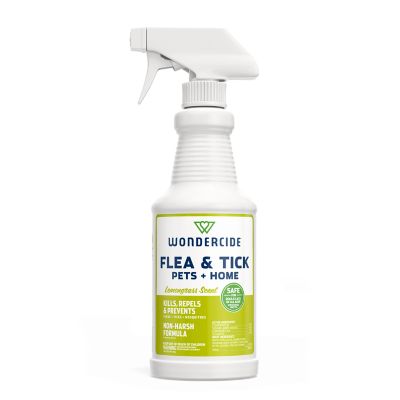
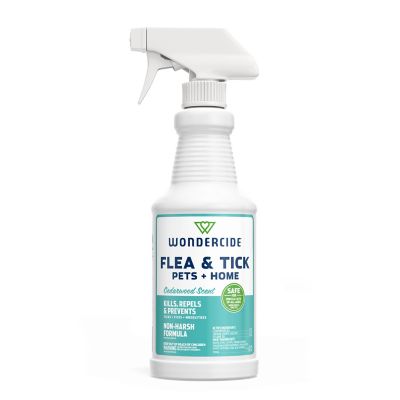
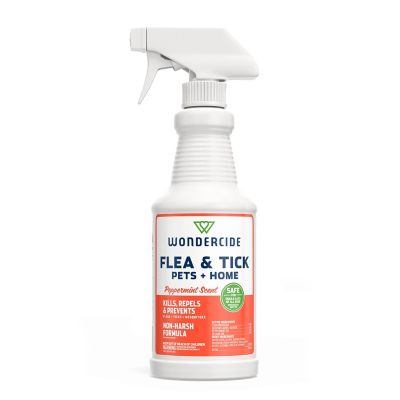
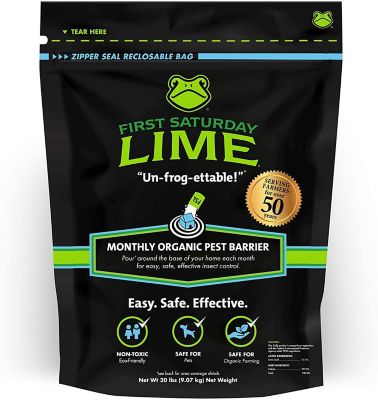
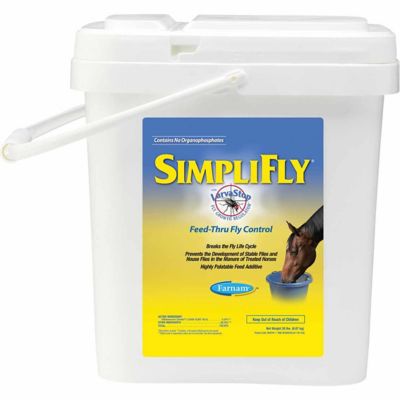
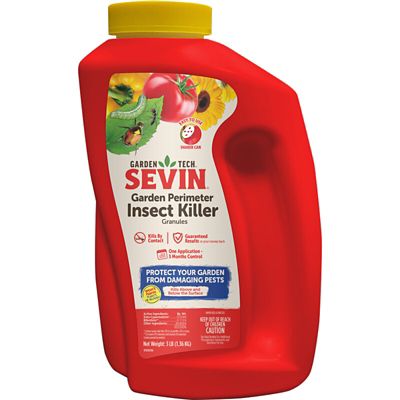
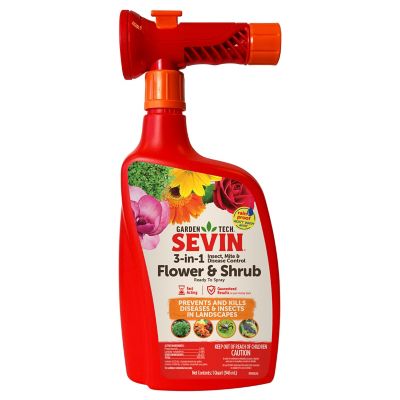
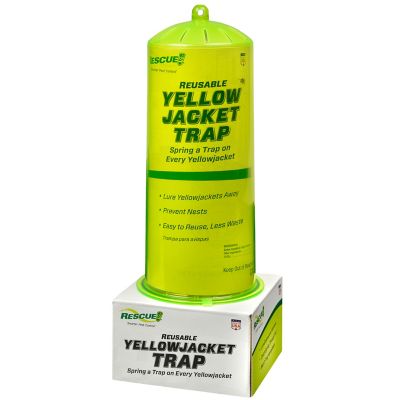
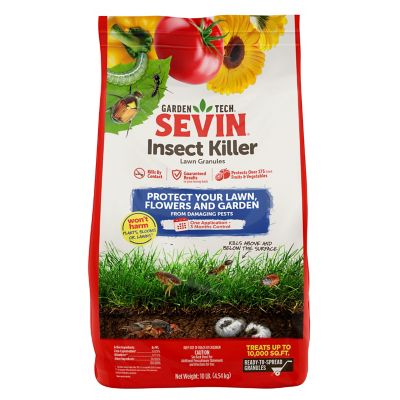
Outdoor pest control products help you take care of the areas around your home, barn, garden, shed, kennel and other outdoor spaces where insects and other unwanted pests tend to gather. A well-planned approach usually starts with the places pests use to get in or move around: the foundation, doorways, windows, garages, porches, utility openings, dryer vents and shaded spots along the edge of the house. Perimeter sprays and ready-to-use treatments can create a protective boundary on appropriate outdoor surfaces, while hose-end concentrates make it easier to cover larger areas such as lawns, shrubs, flower beds and fence lines. Granular treatments are another handy choice for lawns and soil, especially when you want to treat a broader stretch of ground with a spreader. Baits and bait stations work differently by drawing certain pests to a treated food source, making them useful near active trails, property edges or other spots where insects are already showing up. Traps, repellents and protective treatments may also have a place around patios, outbuildings, gardens and livestock areas, depending on the pest and the setting. Before buying, identify the kind of pest you are seeing, the size of the area that needs attention and whether the treatment is intended for grass, ornamental plants, hard surfaces, cracks and crevices or another approved location. A product made for lawn insects may not be suitable for a vegetable garden, pond edge or animal enclosure, so always read the label for approved uses, application rates, reentry times and storage instructions. For more background on planning a practical approach around the home and property, visit
Modern Pest Control.
Outdoor pest control is often most useful when it fits into the way you already care for your property. Keep grass trimmed where practical, clear away piles of leaves and damp debris, and make sure standing water does not linger in buckets, toys, clogged gutters, old tires or low spots after rain. Mosquitoes can gather around still water and shaded vegetation, while ticks may be found in tall grass, brush and the edges between maintained areas and woods. Ants commonly follow protected routes beside foundations, sidewalks, patios and garden borders, and other crawling insects may settle beneath mulch, stones, firewood or stored equipment. Treating these trouble spots can help reduce activity, but outdoor pest control is not a one-time fix for every property. Weather, irrigation, heavy dew, mowing and new pest activity can affect how long a treatment lasts. When using a liquid spray, choose a calm, dry stretch when the treated area can remain undisturbed for the time stated on the label. Avoid spraying before rain unless the directions specifically allow it, and do not apply more than directed. Hose-end products can be convenient for covering a wide lawn or foundation, but a hand sprayer may offer better control around steps, window frames and tight corners. Granules generally need to be spread evenly and watered according to the label so the active ingredient can move into the intended layer of soil. Baits should be placed where the target pest is active, not scattered randomly, and they should be protected from children, pets, poultry and other animals that may investigate something unfamiliar. Wear the recommended protective gear when mixing or applying concentrates, including gloves, eye protection, long pants and closed-toe shoes when called for. Keep people and animals away from treated areas until the product has dried or the label’s reentry period has passed, and store unused treatments in their original containers in a cool, dry place away from feed, seed and household items.
These products can be useful for homeowners, renters with outdoor areas, gardeners, property managers, campers, hunters and anyone caring for a rural place where insects are part of the landscape. A homeowner may use a perimeter treatment around a porch before sitting outside during the warmer part of the day, while a gardener may prefer a targeted option that lets them focus on pathways and nearby turf instead of treating the whole yard. Families with pets often look for solutions that help manage pest pressure around the places dogs spend time, such as runs, shaded resting areas and fence lines, while paying close attention to species-specific label directions and keeping animals out of the area during application and drying. Folks maintaining barns, sheds and workshops may want treatments that address activity around doors, walls and stored equipment without being used on animals, feed or bedding unless the label clearly permits it. Outdoor pest control supplies can also make a thoughtful gift for a new homeowner, gardener, camper, hobby farmer or anyone settling into a place with a yard to maintain. Pairing a suitable treatment with basic application gear, such as a spreader, sprayer, gloves or protective eyewear, can be practical for someone building a property-care setup. During the warmer seasons, mosquitoes, ants, flies, ticks and other insects may become more noticeable around gathering spaces and grass, while cooler months can shift attention toward pests seeking shelter in garages, sheds, crawl spaces and other protected areas. Regularly checking entry points, cleaning up organic debris and choosing treatments made for the specific outdoor setting can help keep pest control manageable through changing weather. Always follow the product label, avoid applying treatments to waterways or areas not listed for use, and contact a licensed pest professional when an infestation is extensive, difficult to identify or located where home treatment may not be appropriate.