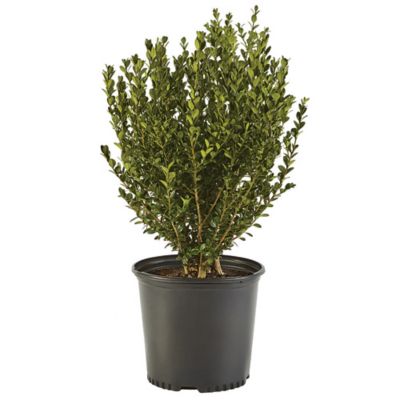
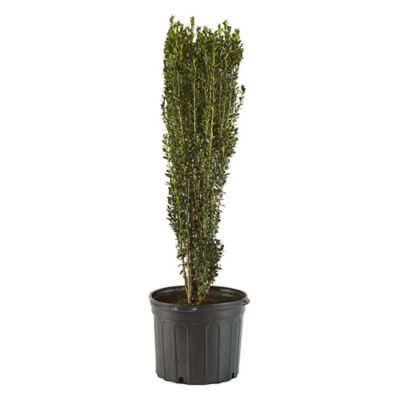
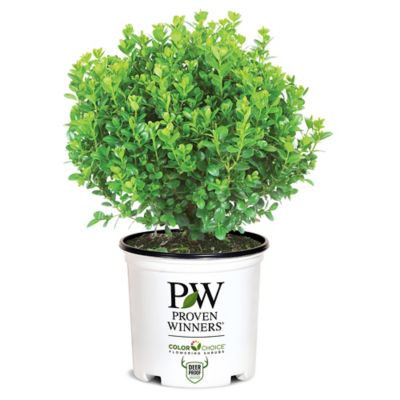
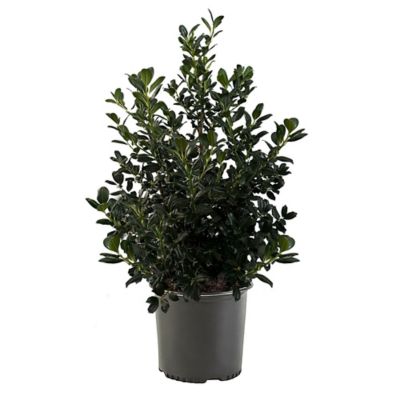
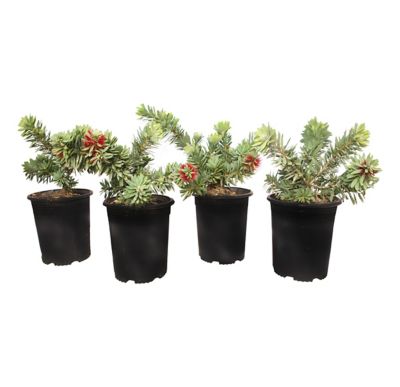
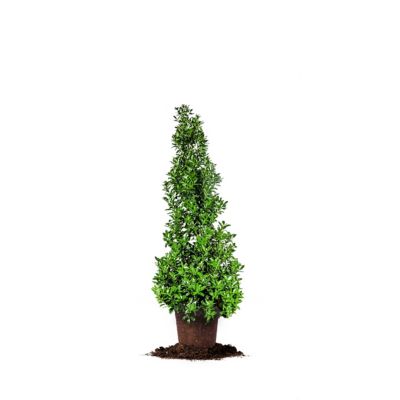
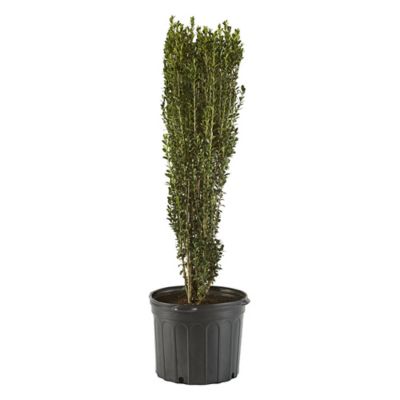
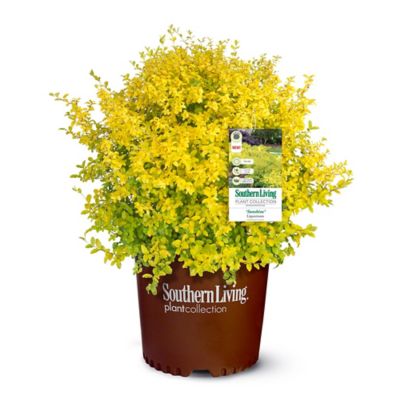
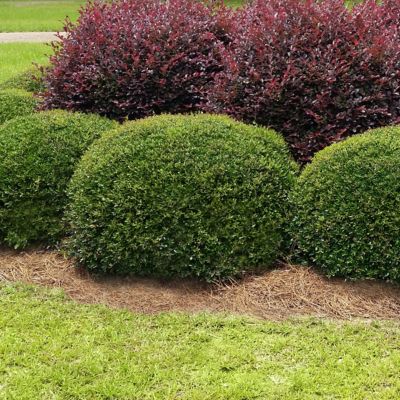
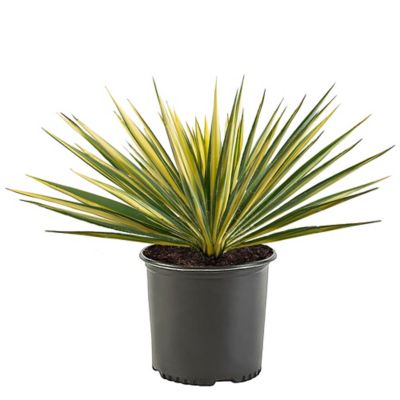
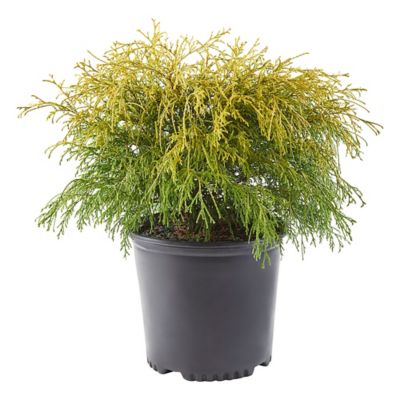
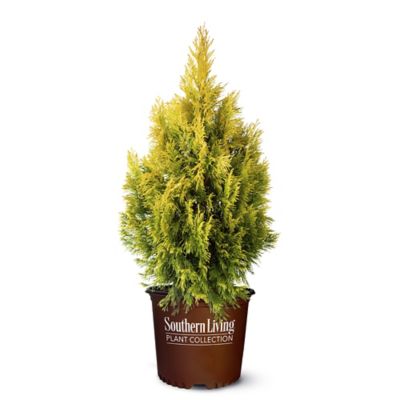
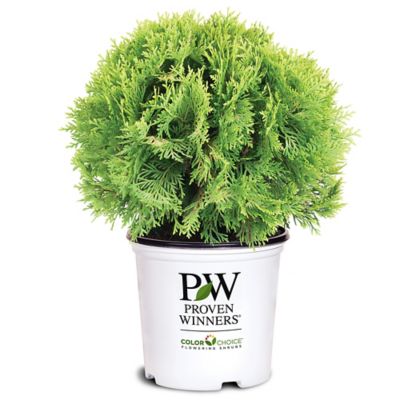
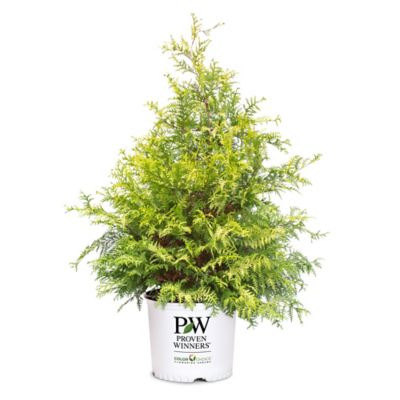
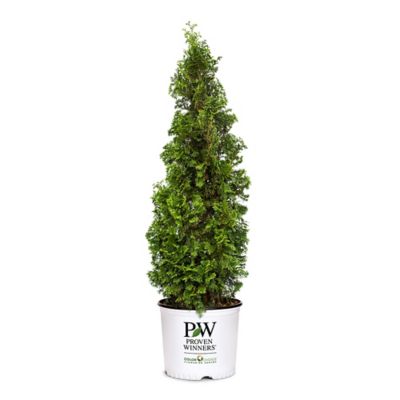
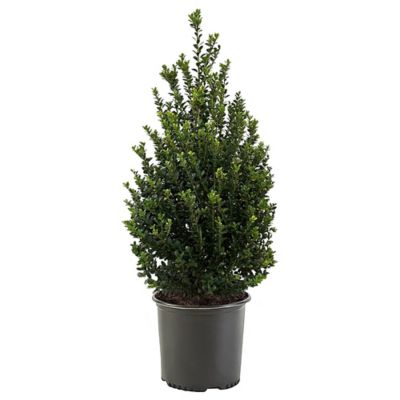
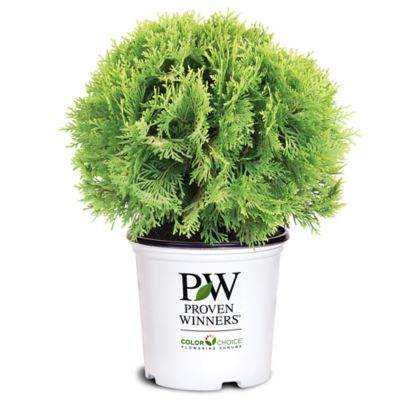
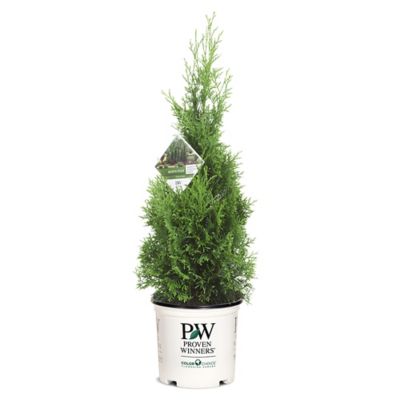
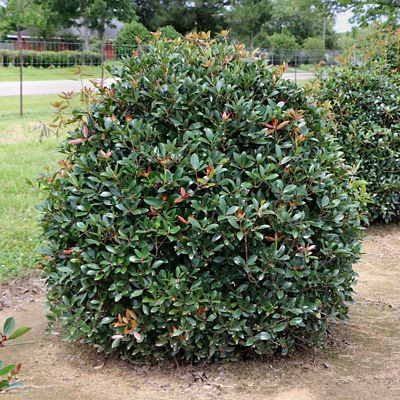
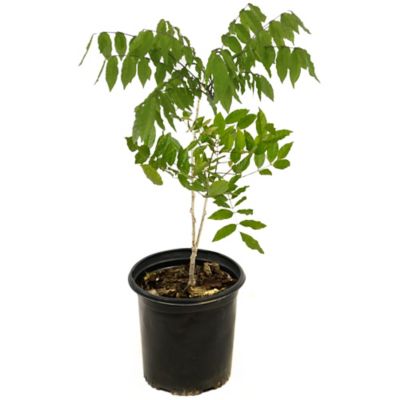
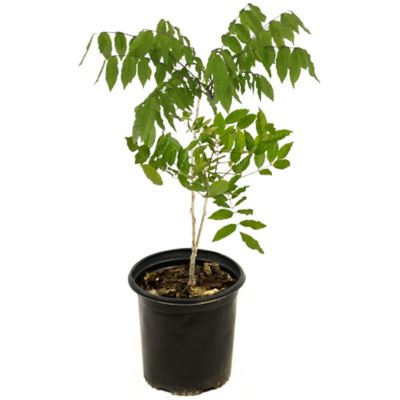
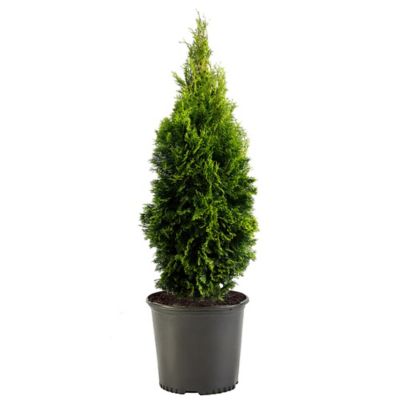
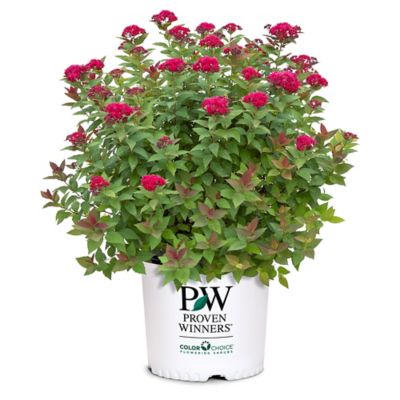
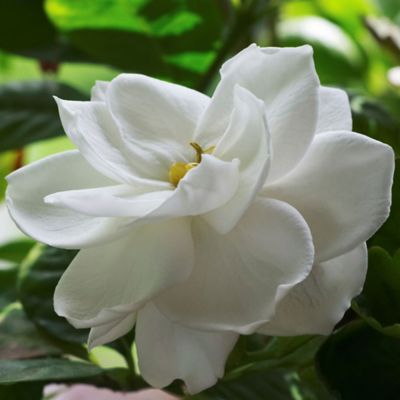
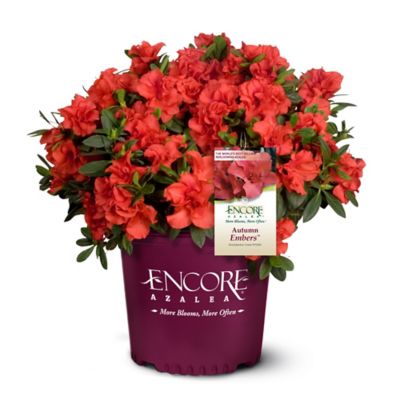
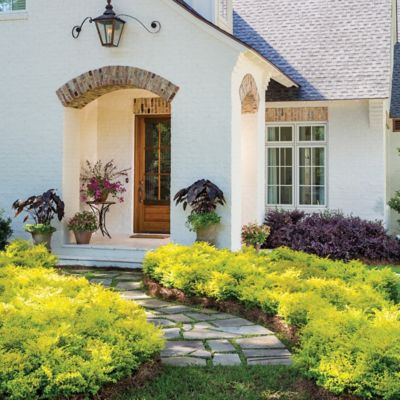
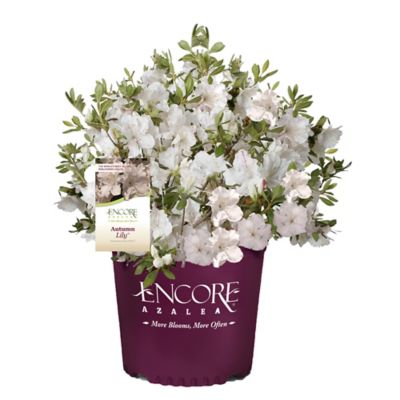
Full sun evergreen shrubs keep foliage year-round and generally grow best with at least six hours of direct sunlight each day. They bring a steady green backbone to open yards, sunny fence lines and planting beds that need more than a short burst of flowers. Along a gravel drive, a row of upright shrubs can mark the edge without the hard look of a solid wall. Around a porch or outbuilding, lower, spreading forms help connect the structure to the ground without covering windows or crowding a doorway. The right fit depends on the shrub’s mature height and width, not just how it looks in its nursery pot. Compact, rounded plants suit smaller foundation beds, while taller forms have more room to do their job along property boundaries and broad stretches of lawn. Growth habit also affects the finished look: some shrubs stay naturally dense, while others develop a looser outline with visible branching. Broadleaf evergreens bring wider leaves and a bold texture; plants with needles or scale-like foliage often give a finer, more layered effect. Leaf color can range from deep green to blue-green or gold, depending on the variety. Some flowering evergreens add blooms, but foliage, size and site needs still matter after the flowers fade. Evergreen doesn’t mean every leaf stays on forever; older foliage drops as new growth takes its place. It also doesn’t mean every variety suits every sunny spot. A full sun label describes light needs, while hardiness, soil preferences and mature dimensions describe other parts of the fit. For a homeowner filling a front bed or a landowner adding a screen beside a shop, those details help separate a shrub that looks good in a pot from one that belongs on the property. A balanced planting leaves room for each shrub’s natural shape rather than depending on constant cutting to keep it inside the bed.
Soil and drainage have a big say in how full sun evergreen shrubs settle in. A sunny bed beside a farmhouse can have very different growing conditions from an open strip near a driveway, especially where construction or vehicle traffic has packed the ground. Well-drained soil lets excess water move away while holding enough moisture for roots; ground that stays saturated can leave roots struggling even when the foliage gets plenty of light. Soil texture and pH matter, too, since different shrubs have different preferences. A soil test gives a clearer picture than guessing from the color of the dirt, and amendments should match the plant’s needs rather than follow a one-size-fits-all approach. Nursery container size helps describe the starting plant, but it doesn’t tell the whole story about eventual coverage or root space. A larger plant may make a stronger first impression, while a smaller one can be easier to handle and position. Either way, the root ball needs room, and the point where the trunk or main stems meet the roots shouldn’t be buried beneath extra soil. Spacing matters just as much below ground as it does above it. Shrubs squeezed against a foundation, fence or neighboring plant can become harder to water, inspect and maintain. A layer of mulch about two to three inches deep helps hold soil moisture and limit competing weeds, with a clear gap around the stems rather than a mound against the bark. Full sun doesn’t automatically mean low water needs. Newly planted shrubs need attention while their roots grow into the surrounding soil, including varieties that need less frequent watering once established. Water directed at the root area is more useful than a quick sprinkle across the leaves. For porch-side containers, drainage holes, enough root space and a container suited to the shrub’s eventual size are important considerations; roots in pots generally need closer moisture checks than roots in the ground.
Upkeep varies with the kind of evergreen shrub and the shape expected from it. A naturally compact form can be a better match beside a walkway than a fast-growing shrub that needs repeated shearing to stay out of the path. Taller, upright forms may suit a living screen, but their mature width still needs to leave access to gates, meters and building walls. Dense foliage can soften the view of a utility area or frame a yard, though a newly planted row won’t provide the same coverage as an established planting. Growth-rate information helps set expectations without promising an instant screen. For longer beds, compatible shrubs with different textures can keep the planting from looking flat, while repeated shapes give a straight run beside a fence a more orderly feel. Pruning needs deserve a close look before choosing between a clipped hedge and a loose, natural outline. Some shrubs respond well to light shaping, while many needle-bearing evergreens don’t readily fill back in after cuts into bare old wood. Flowering types may also need different pruning timing to avoid removing developing buds. Matching the plant’s natural size to the space usually means less cutting and fewer awkward gaps later. Routine care also includes checking beneath outer foliage for broken branches, keeping weeds away from the root area and watching for changes that could point to watering trouble or pests. Near livestock pens, pet runs or children’s play areas, plant safety matters alongside appearance, since some evergreen shrubs have leaves or berries that shouldn’t be eaten. USDA plant hardiness zones belong in the comparison, too. Gardeners weighing hardiness alongside sunlight can explore
Cold Hardy Evergreen Shrubs when matching plants to their property. With the right combination of light, root space and manageable growth, full sun evergreen shrubs can give a yard lasting structure without making every open corner another mowing chore.