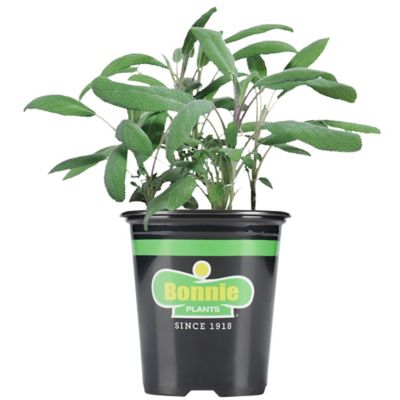
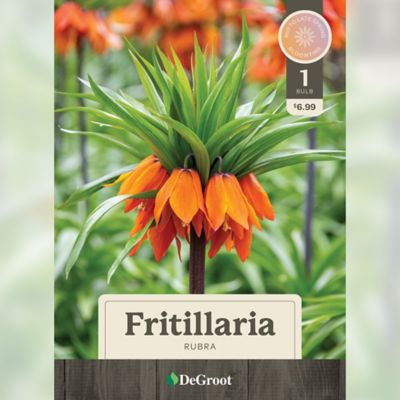
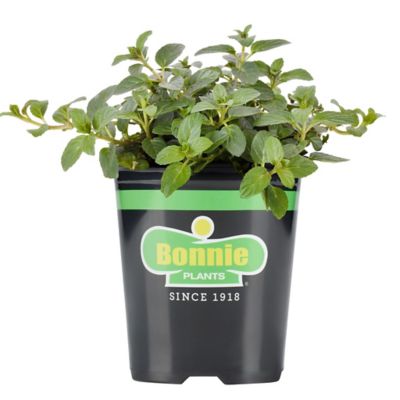
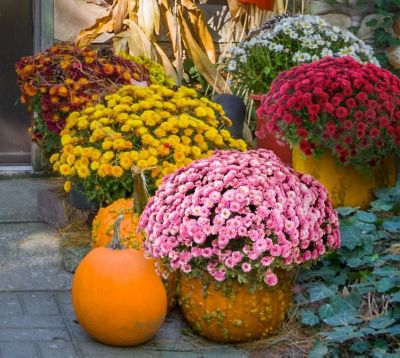
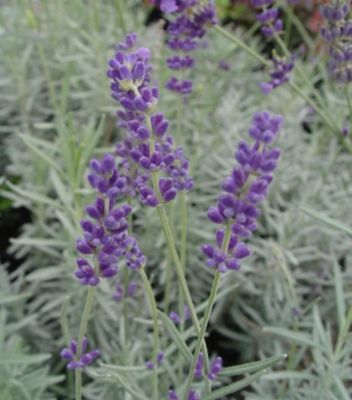
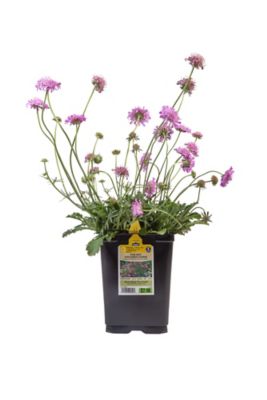
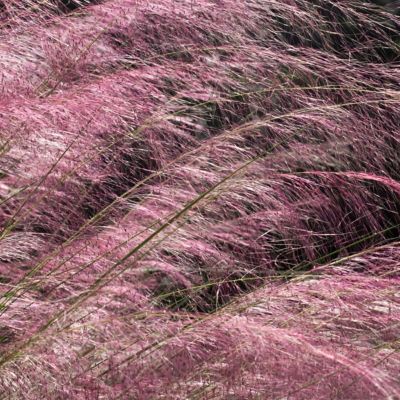
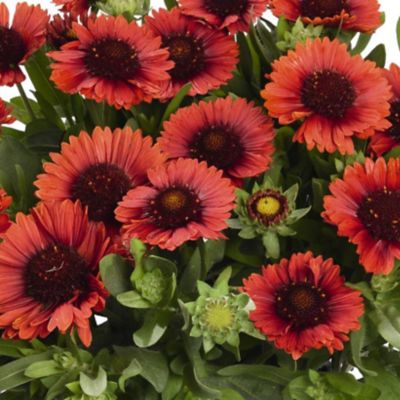
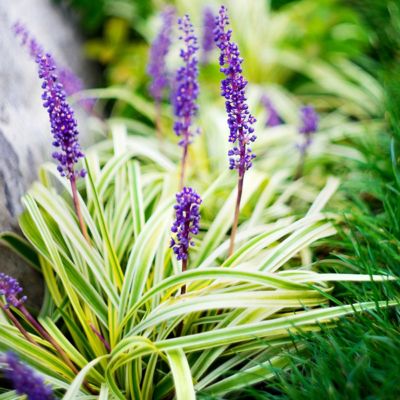
Perennial plants for fall gardens bring color, texture, and staying power to beds that have plenty of life left after summer flowers fade. Along a porch, beside a fence, or around the edge of a vegetable patch, these plants can help a yard feel full without starting every planting from scratch each year. Some perennials put on their main flower show in fall, while others earn their place with richly colored leaves, upright stems, or seed heads that hold their shape after blooming. That difference matters when choosing plants for a particular spot: a perennial suited to fall planting does not necessarily flower in fall. Bloom time, foliage interest, and growth habit all play a part in how a planting looks across the year. Low, spreading forms can soften the edge of a walkway, while rounded clumps fill the middle of a bed and taller plants add height near a shed or along an open boundary. Mature dimensions tell more of that story than the size of the nursery pot. A small plant with room to spread may eventually fill a generous patch, while a naturally compact selection can fit beside porch steps without leaning into the path. Flower color is only one piece of the picture, too. Fine leaves beside broad foliage, airy stems above a dense mound, and warm leaf tones against green growth can give a fall garden depth even between flushes of flowers. For a country yard with long sightlines, repeating a few plant shapes often creates a more settled look than scattering a little of everything. Near a front door or sitting area, smaller groupings make it easier to notice leaf markings and flower details up close. Whether the setting is a tidy foundation bed or a loose border near the barn, the best fit starts with plants whose eventual size and natural growth suit the space. Room for mowing, gate clearance, and access to a water spigot matters just as much as the view from the kitchen window.
A plant’s fit with the growing site has a lot to do with how well it settles in and returns. USDA Plant Hardiness Zone information helps narrow the choices for winter survival, but sunlight, soil moisture, drainage, and exposure deserve a close look as well. A sunny bed beside a gravel drive presents a different setting from a shaded corner beneath established trees, where roots compete for water. Even two spots in the same yard can behave differently: the ground near a downspout may stay wet, while soil along a south-facing wall can dry quickly. Plant descriptions that spell out light needs and moisture preferences help connect those conditions with a suitable perennial. Soil texture matters, too. Heavy clay can hold water around roots, while sandy ground may lose moisture faster than expected. Well-drained soil allows excess water to move away without leaving roots parched, and organic matter can help improve soil structure where appropriate. For fall planting, there needs to be enough time before the ground freezes for roots to begin establishing; the right window varies by region and plant. Nursery-grown perennials may arrive with flowers, fresh foliage, or growth that is beginning to slow, so the top of the plant does not tell the whole story. Some herbaceous types naturally die back as they enter dormancy, while others keep foliage through part or all of winter in suitable climates. Plant tags and care information help set those expectations. Container size also deserves attention, especially when filling a large bed or working around existing roots. A larger root ball needs a larger planting space, while smaller plants may take longer to create a full look. Consistent moisture during establishment remains important even when the air feels cool, particularly during dry, windy stretches. For pots near a porch or patio, drainage openings and enough soil volume support root health, but aboveground containers expose roots to colder temperatures than garden beds. Winter survival in a container can therefore differ from survival in the ground.
The appeal of a perennial garden reaches beyond its first fall display. Established plants can become familiar landmarks in the yard, marking the corner of a path or filling the same sunny stretch along a fence year after year. Their care needs vary, though, and returning growth does not mean every plant can be left entirely on its own. Some clump-forming types benefit from occasional division, some spread farther than expected, and others stay fairly compact. Those habits matter beside narrow walks, neighboring beds, and places where there is little room for extra growth. A homeowner who enjoys tending flower beds may welcome plants that need a little shaping or division, while someone managing acreage may prefer selections that suit the site with less hands-on attention once established. Mulch can help moderate soil temperature and limit moisture loss, with space around plant crowns helping prevent trapped moisture against sensitive growth. Standing stems and seed heads may add winter texture and provide food or shelter for wildlife, depending on the plant, while diseased foliage calls for different cleanup decisions. Fall-flowering selections can also offer forage for pollinators when other blooms are scarce, especially when the flowers are accessible to locally active insects. In yards shared with pets or close to livestock areas, plant safety deserves consideration before anything goes in the ground; ornamental appeal alone does not establish whether a plant is safe to nibble. Deer and rabbit browsing can shape plant choices as well, and resistance is not a promise that hungry animals will leave a planting untouched. For spaces meant to carry interest beyond fall,
Plants for Winter Gardens offers another seasonal perspective to consider alongside perennial bloom times and foliage habits. A thoughtful mix leaves room for both a lively fall display and the quieter outlines that follow. With attention to the site, mature size, and care needs, perennial plants can make a garden feel rooted in the place, whether that means a few welcoming clumps by the steps or a broad border stretching toward the pasture.