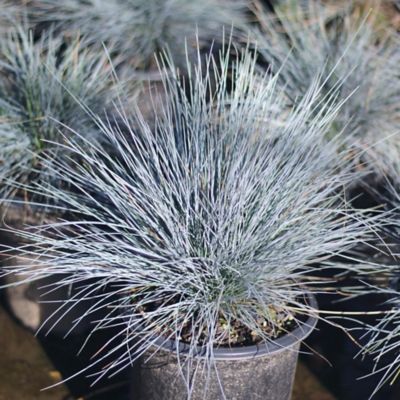
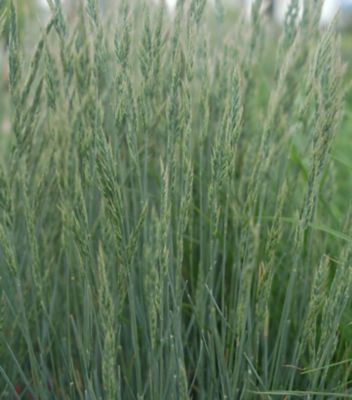
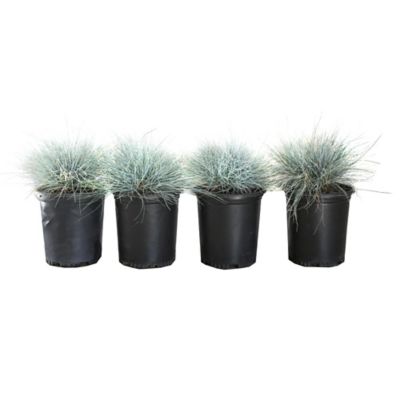
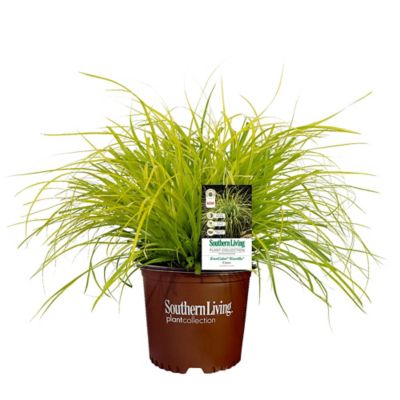
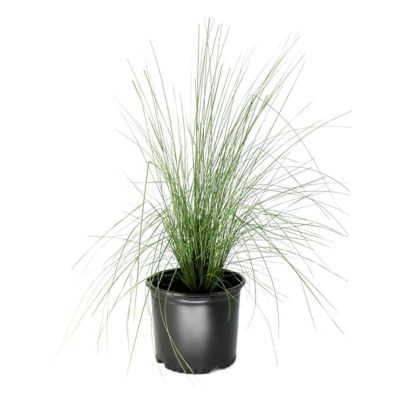
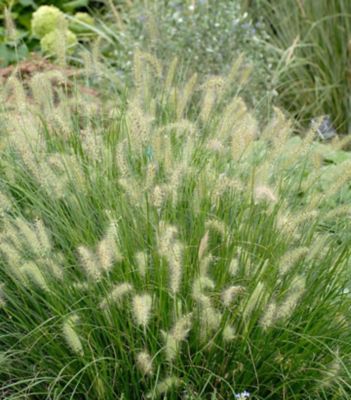
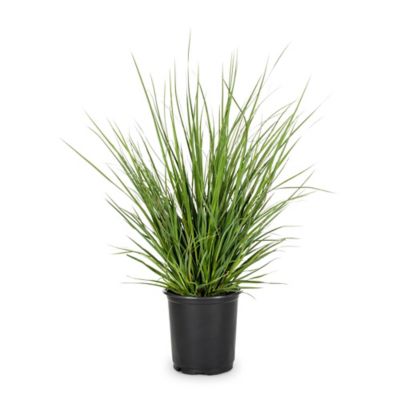
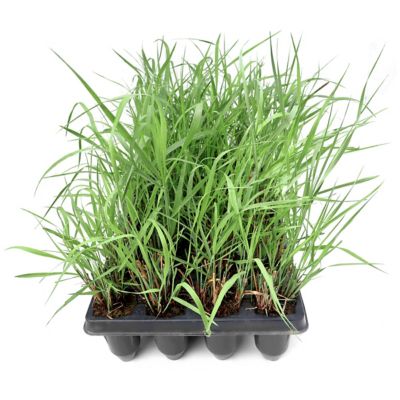
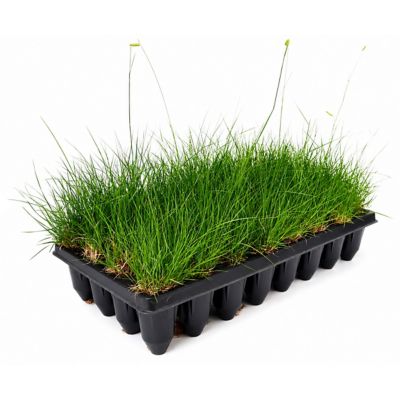
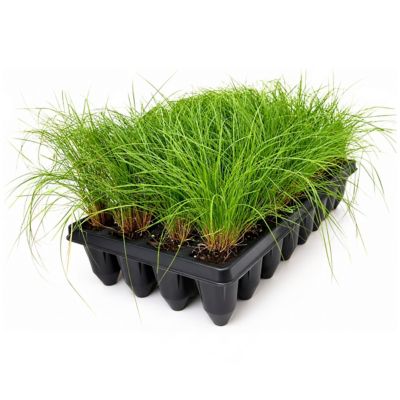
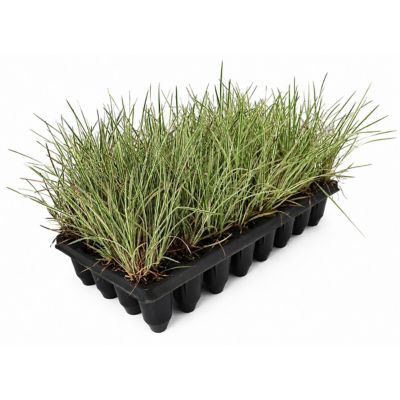
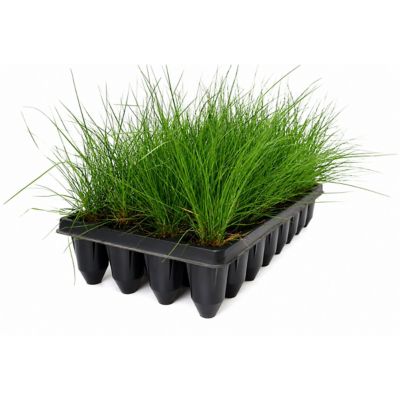
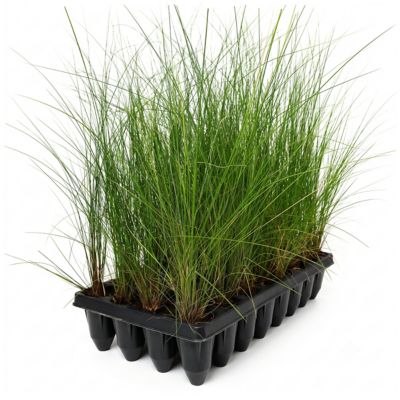
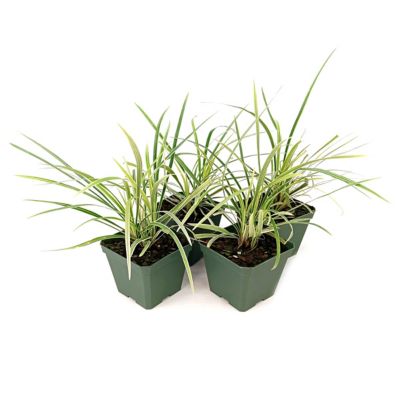
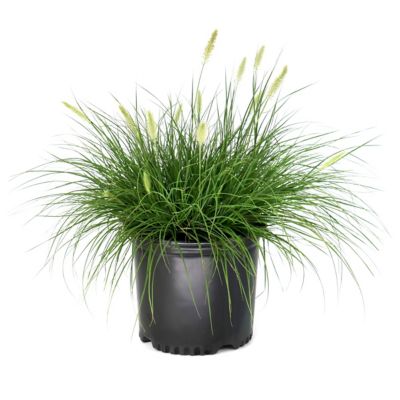
Full sun ornamental grasses bring height, texture, and a relaxed look to open landscape beds that receive at least six hours of direct sunlight a day. Their appeal goes well beyond green foliage: depending on the type, leaves can carry blue-green, gold, bronze, or burgundy tones, while flowering stems rise above the clump with feathery plumes or fine, airy seed heads. Some grasses form low, rounded mounds that fit along a walkway; others grow into tall, upright accents suited to a broad fence line or the back of a planting bed. That range makes mature size one of the most useful details to compare. The height listed for a grass may include its flowering stems, and its mature width helps determine how much room it needs beside a porch step, gate, or neighboring shrub. A small plant can eventually fill a surprisingly wide patch, so a little breathing room keeps a bed from becoming crowded. Narrow, upright forms can add structure without taking over a small space, while arching grasses need clearance for leaves that spill beyond the base. Fine blades create a softer outline against stone, brick, and fence boards; broader blades give a planting more visual weight when viewed from across a yard. Growth habit matters just as much as appearance. Clump-forming grasses generally expand outward from a central crown, while spreading types can travel through underground stems or reseed beyond their original spot. For a tidy foundation bed or a planting beside a gravel drive, that distinction can make a real difference in upkeep. Regional suitability also deserves attention, since a grass that stays manageable in one area may spread aggressively in another. Matching the plant’s size and growth pattern to the space helps create a planting that looks at home rather than squeezed in. Around driveways and road entrances, shorter grasses also leave a clearer view than tall, dense clumps, especially once flowering stems reach their full height.
A sunny location is only part of the fit for an ornamental grass. Soil drainage, moisture needs, and the plant’s listed growing zone help determine whether it belongs in a particular bed. Full sun does not automatically mean a grass can handle dry ground, and plants selected for low-water landscapes still need attention while their roots become established. For open beds where limited soil moisture is a main consideration,
Drought Tolerant Ornamental Grasses can help narrow the choices, with each type’s planting and watering requirements still worth checking. A sandy strip near a driveway, a heavy clay bed beside a barn, and a raised planter may all receive plenty of direct light, yet hold moisture very differently. Some grasses tolerate a wider range of soils, while others struggle if water sits around their roots. Well-drained soil lets excess water move away without leaving the root area continually saturated. A shallow layer of mulch can help limit competing weeds and slow moisture loss, provided it stays back from the crown rather than being piled against the stems. Container planting brings another set of considerations. The pot needs drainage openings, enough room for root growth, and a stable base that can support the grass at its mature size. A tall grass in a narrow, lightweight container may become top-heavy, while a broad planter gives an arching form room to spread. Clay, resin, and metal containers differ in weight and how quickly the planting mix loses moisture, so the container material affects both placement and watering needs. Container-grown grasses also have less surrounding soil to buffer their roots than plants growing in the ground. For that reason, suitability for a landscape bed does not always translate directly to suitability for a porch planter. Planting depth matters, too: the crown generally belongs at the depth specified for that grass, not buried beneath extra soil. These practical details help match a good-looking plant to the conditions it will actually have.
The best full sun ornamental grasses for a property are the ones that suit both the setting and the amount of care someone wants to give them. A homeowner filling a narrow bed along a front walk may want compact clumps with a neat outline, while someone planting beside a long fence may prefer larger forms that repeat at generous intervals. Several grasses of the same type can give a broad area a settled, consistent look, and a single well-placed clump can provide a focal point beside a boulder or at the corner of a bed. Taller selections can soften the view of a utility area, but their foliage does not necessarily provide a solid screen. They also need enough space to stay clear of gates, equipment access, and walking paths. Care requirements vary by type, particularly when it comes to cutting back foliage. Some grasses benefit from a substantial cutback at the appropriate point in their growth cycle, while others need lighter grooming and removal of dead leaves. Following the plant’s care directions is a better approach than cutting every grass to the same height. Gloves and long sleeves can make handling stiff or sharp-edged foliage more comfortable, and clean cutting tools help keep the job tidy. Established clumps may eventually need dividing if they outgrow their space or develop a thinning center, although the timing and method depend on the grass. Fertilizer needs vary as well; extra feeding is not always helpful and can encourage weak, floppy growth in some types. Regionally appropriate native grasses can be worth considering where habitat value is a goal, but spreading behavior and local planting recommendations still matter. Near pet areas or livestock fences, suitability should be checked rather than assuming an ornamental grass is safe to nibble. With the right balance of sunlight, root room, and manageable growth, these plants can add a natural-looking finish to everything from a small yard bed to a wide-open country landscape.