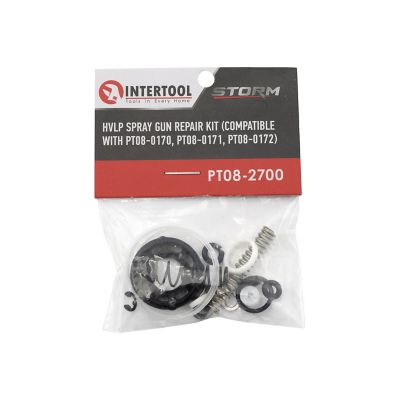
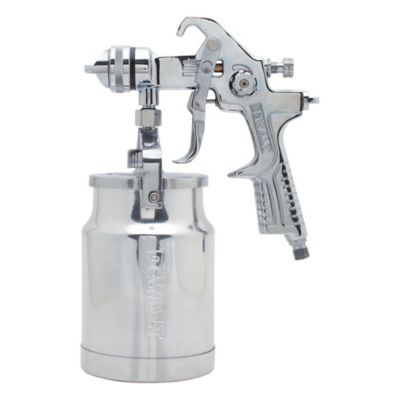
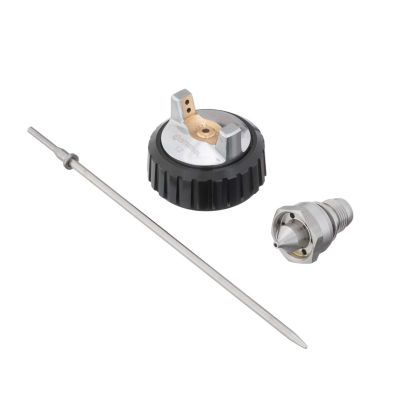
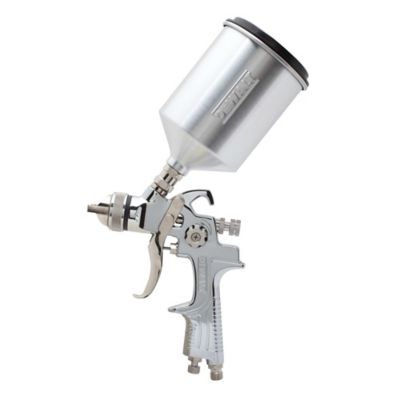
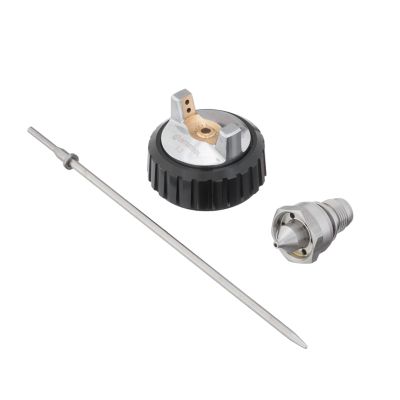
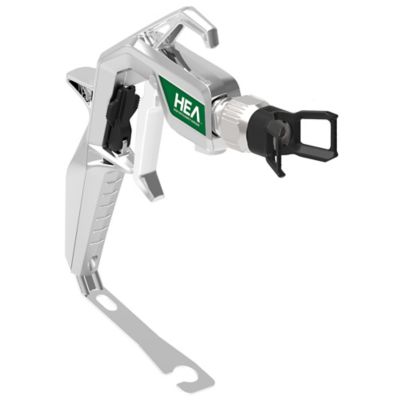
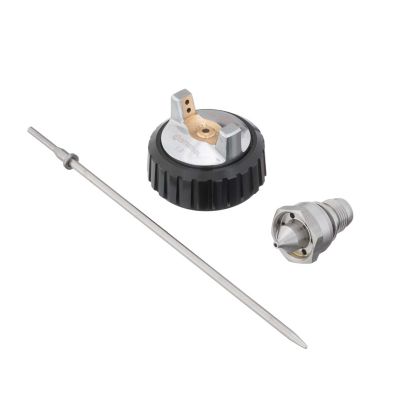
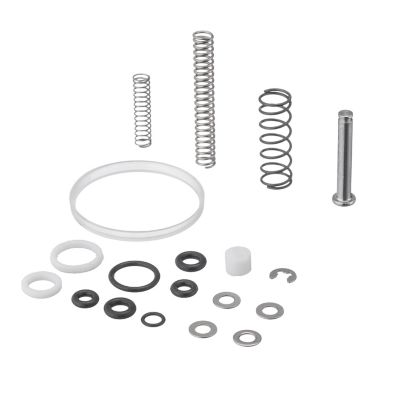
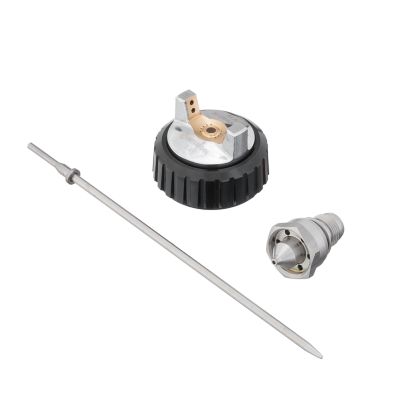
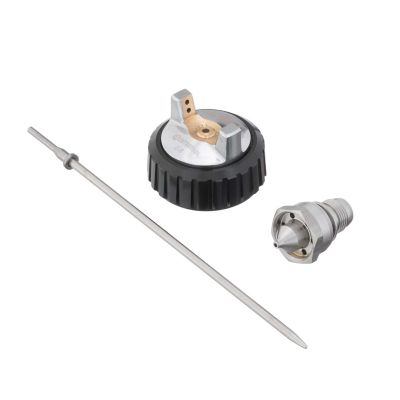
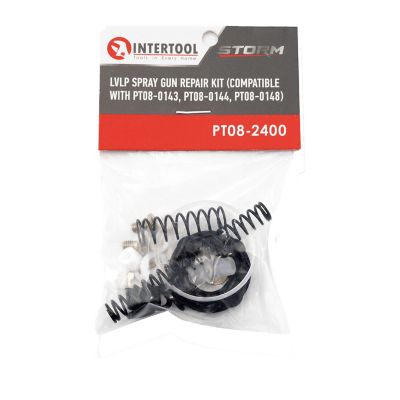
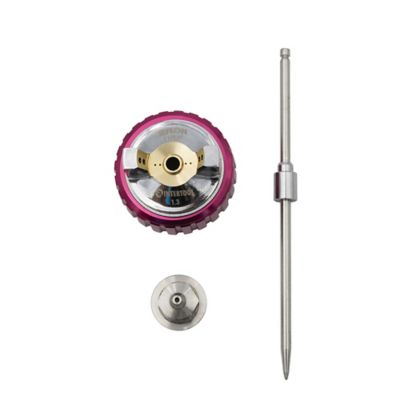
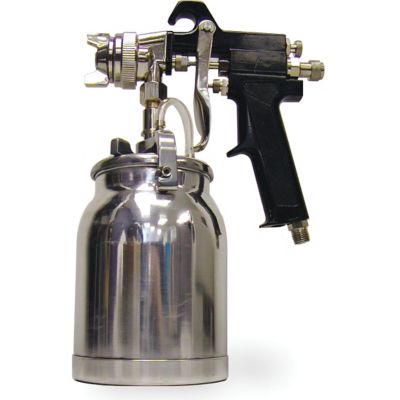
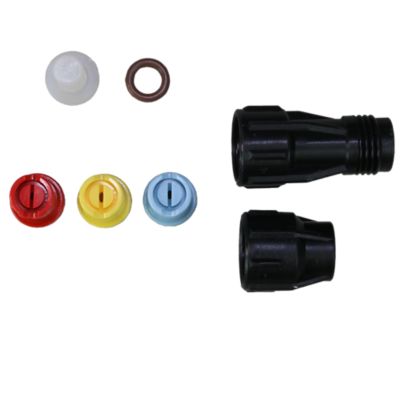
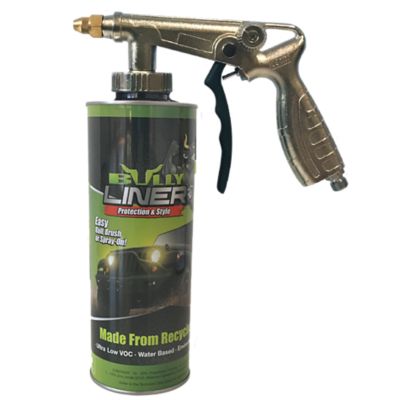
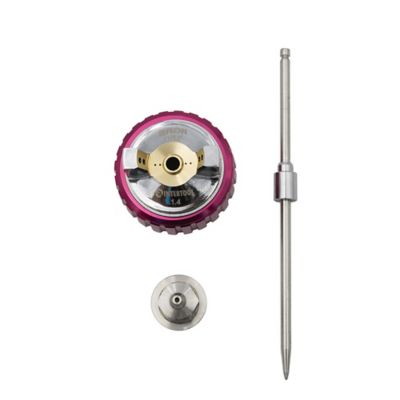
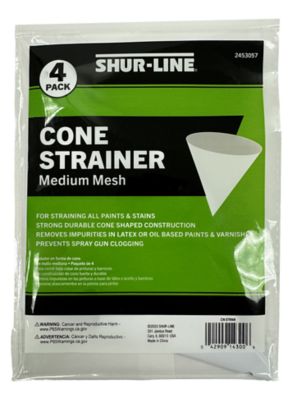
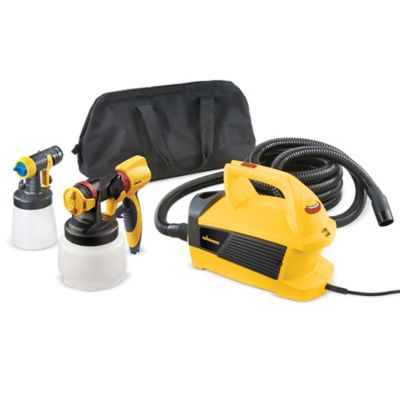
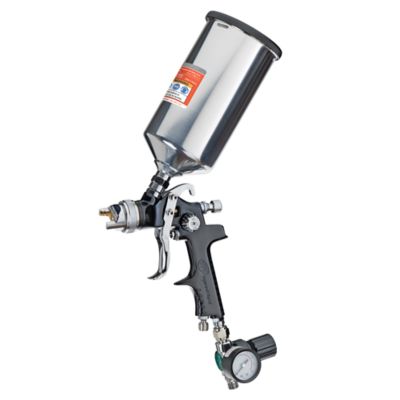
Paint gun parts help keep a sprayer working smoothly, whether you are touching up equipment, refreshing a fence, finishing cabinets, or handling a larger painting project around the farm. A paint gun relies on several small components working together to move, control, and atomize coating. Common replacement parts include fluid needles, fluid nozzles or tips, air caps, gun filters, packing kits, O-rings, baffle seals, trigger springs, and adjustment knobs. The fluid needle helps control how much material leaves the gun, while the fluid nozzle helps form a steady path for the coating. On an air-powered sprayer, the air cap directs compressed air around the fluid tip to break paint into a fine spray pattern. Filters catch bits of dried coating or other debris before they reach the tip, and seals help keep air and fluid in their proper passages. Even a small worn seal or partially blocked filter can lead to sputtering, uneven coverage, drips, or a gun that seems to lose pressure. Keeping the right paint gun parts on hand can save a trip to the hardware store when a project is already set up and the work needs to keep moving. For those comparing sprayer options before choosing replacement components, our
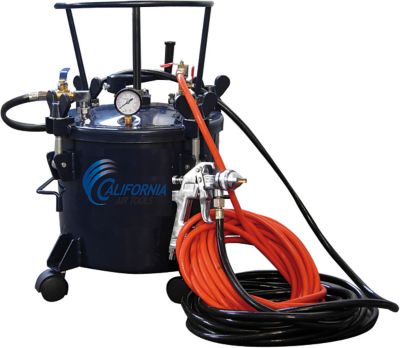
Top Rated Air Spray Guns page can offer helpful product context.
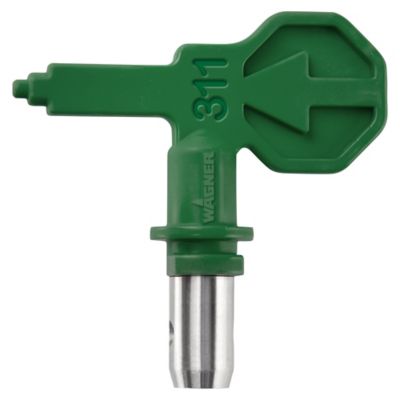
The best replacement part depends on the type of sprayer, the coating being used, and the exact gun model. HVLP systems use a high volume of air at lower pressure to create a controlled spray, making the condition and size of the air cap, fluid tip, needle, and air passages especially important. Airless systems push coating under high pressure and commonly use tips that determine the spray width and amount of material delivered. Some airless tips are reversible, allowing a clog to be cleared by turning the tip and spraying briefly in the opposite direction. A tip that is too small may clog easily or strain the equipment, while one that is too large can put out more material than the surface can handle. Thick coatings may call for different fluid components than thin stains or finishes, and a fine finish may require a different setup than painting a barn door or a stretch of fence. Before ordering, check the manufacturer’s parts diagram or manual and match the part number, connection style, tip size, and sprayer type whenever that information is available. It also helps to inspect the old component closely. A bent needle, flattened O-ring, cracked seal, damaged air cap, or filter packed with dried material often points to the part that needs attention. If the gun is leaking near the trigger or handle, packing components and seals may be involved; if the spray pulses or spits, look at the tip, filter, fluid path, and air supply. Replacing only the worn piece can restore a reliable spray, though a complete packing kit may make sense when several seals have hardened with age.
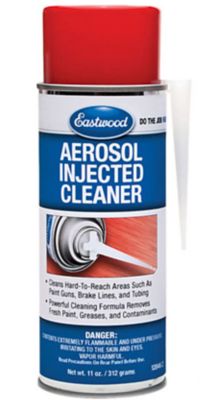
Paint gun parts are useful for property owners, maintenance crews, hobbyists, auto and equipment finishers, cabinet builders, and anyone who prefers a sprayed finish over brush or roller work. They are also practical additions to a workshop supply cabinet, especially for someone who regularly paints gates, trailers, lawn equipment, outbuildings, furniture, or other large and oddly shaped surfaces. During the warmer part of the year, many people tackle outdoor upkeep, while cooler months often bring indoor repair and refinishing projects, so replacement components can stay useful across changing seasons. A spare filter or seal kit takes up little room but can be handy when a sprayer is needed for a weekend project, and a set of correctly matched wear parts may be a thoughtful gift for a do-it-yourselfer who likes keeping tools ready to work. Store parts clean and dry, and use the appropriate cleaning method for the coating that has passed through the gun. Dried paint left inside a nozzle, needle, or air cap can harden quickly and affect the next job, while harsh cleaners or improper tools may damage delicate passages and seals. Check for leaks and unusual spray patterns before beginning a full project, then test the gun on scrap cardboard or a spare piece of material. With the right paint gun parts and a little routine care, a sprayer can lay down a more even coat, reduce wasted material, and help turn a long afternoon of painting into a cleaner, steadier job.