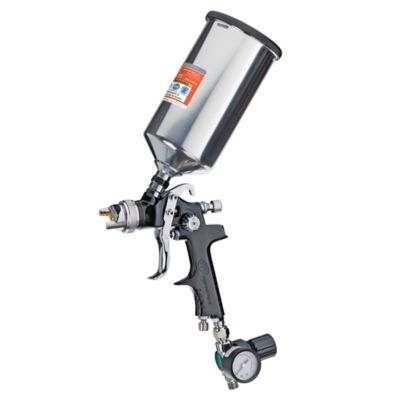
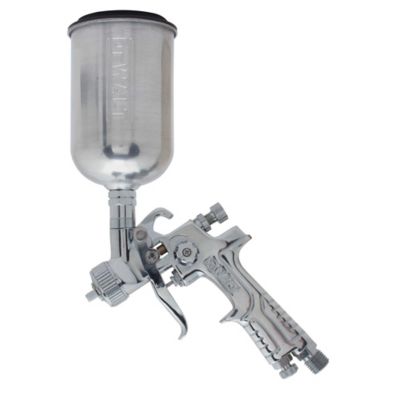
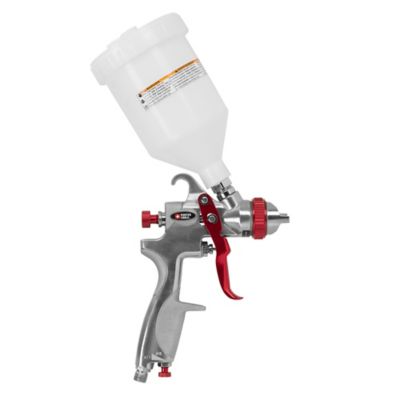
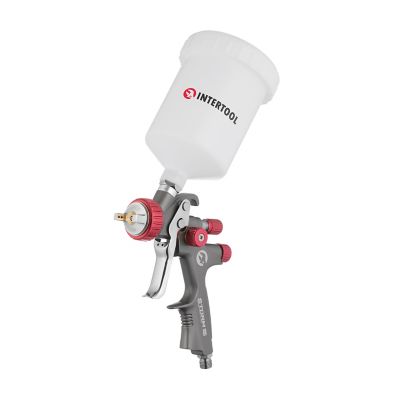
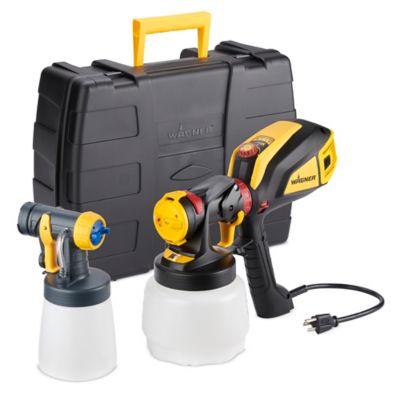
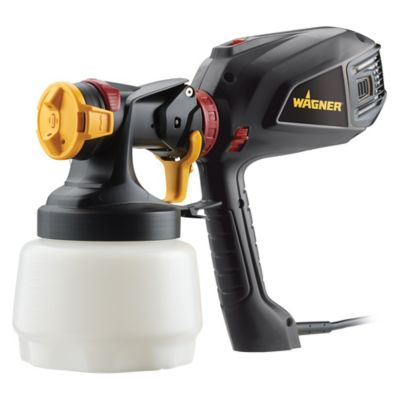
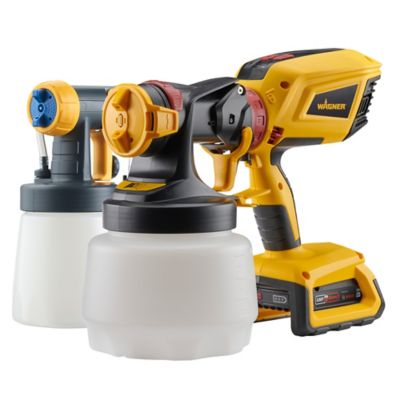
Gravity feed spray guns bring controlled paint application to the farm shop, garage, and finishing bench, whether the job involves a tractor panel, a metal gate, or a set of cabinet doors. The paint cup sits above the gun, letting gravity help move coating toward the nozzle while compressed air breaks it into a spray. That layout can work well for smaller batches and projects that call for steady coverage without loading a large paint container. Compared with brushing, spraying can leave fewer tool marks and make it easier to cover shaped edges, recessed areas, and broad, flat surfaces with a consistent finish. Results still depend on the coating, surface preparation, and equipment settings, but the gun’s design gives the operator control over how the material reaches the work. Fan adjustment changes the spray pattern, while fluid adjustment controls how far the needle opens and how much coating can pass through. Together, those controls help a gun handle different shapes and working areas. A narrow pattern can suit a small bracket or panel edge; a wider fan makes more sense across a larger surface. Gravity feed describes the cup arrangement, not a single spraying technology. High-volume, low-pressure models, often called HVLP guns, are one common option, but air requirements and spray characteristics vary by design. HVLP equipment can reduce overspray compared with conventional spraying when properly matched and adjusted, though masking and suitable ventilation remain necessary. Coating compatibility matters just as much as the spray pattern. Paints, stains, primers, and clear finishes do not all flow alike, and a gun that handles a thin finish well may need a different needle and nozzle combination for a heavier material. The coating maker’s application directions and the gun’s specifications provide the best basis for that match. A larger nozzle opening is not automatically better; the right combination supports even atomization without demanding more thinning than the coating allows.
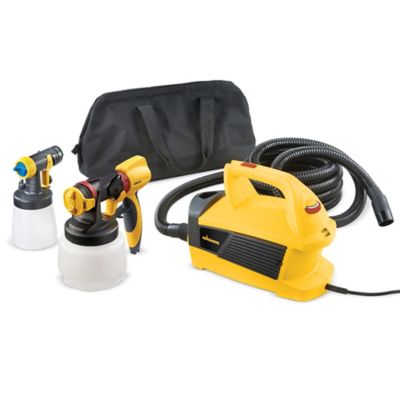
The right fit also comes down to how the gun feels through a full pass and how well it matches the shop’s air supply. A smaller cup keeps the load lighter for touch-up work, while a larger cup can reduce refill breaks across several panels. That extra capacity adds weight above the hand, so cup size, handle shape, trigger resistance, and balance deserve attention together. Someone spraying a few small parts at a bench may want a different setup from someone working along a broad equipment panel. Visibility around the cup and nozzle can matter when following a narrow edge or keeping a steady distance across a curved surface. Cup angle and the gun’s permitted working positions also affect access; a top-mounted cup does not make every model suitable for spraying overhead or at steep angles. Aluminum bodies can help keep weight manageable, while stainless steel needles and nozzles offer corrosion resistance along the coating path. Cup materials bring their own trade-offs in weight, visibility, and cleaning needs. Clear or translucent cups make the remaining paint easier to see, while metal cups call for checking the level another way. Beyond the gun itself, compressor capacity is a major part of the match. The important comparison is the gun’s airflow requirement against the compressor’s delivered airflow at the required pressure, not tank size alone. A compressor that cannot keep up may allow pressure to fall during a pass, changing how the coating sprays. Hose diameter, hose length, fittings, and restrictions can affect airflow at the gun as well. Clean, dry compressed air helps limit moisture and oil contamination that can spoil a finish. For projects that call for a broader equipment setup,
Paint Spraying Kits provide another way to explore spraying equipment, with attention to which components are included and how they work together. Clear specifications make it easier to compare those needs before a project reaches the painting stage.
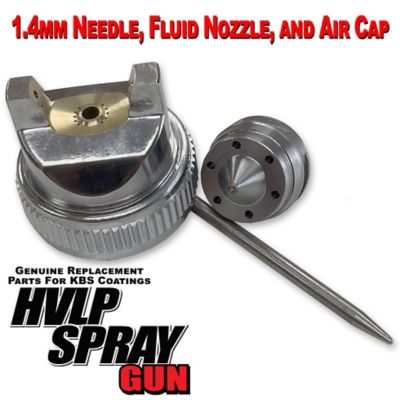
Long service life depends on construction, coating compatibility, and the cleanup that follows each job. Smooth fluid passages, accessible cup openings, and a nozzle assembly that comes apart as directed can make routine care less of a chore. Solvent resistance is especially important for seals, cup liners, and other parts that contact paint or cleaning solution. A metal body alone does not mean every seal can tolerate every solvent, and water-based coatings still require prompt cleaning before residue hardens inside the passages. A clear cup vent helps maintain steady material flow, while clean nozzle openings help preserve an even spray pattern. Fine needles and air-cap openings need careful handling; scraping them with hard tools can change the way a gun sprays. Replacement seals, needles, and matched nozzle sets can also matter over time, particularly for a gun that sees regular shop work. Needles and nozzles are precision-fitting parts, so compatible replacements matter more than simply finding something that looks close. Storage deserves the same attention as cleanup. A clean, dry gun stored with its delicate parts protected is better prepared for the next batch of paint than one left with residue in the cup or passages. The work area matters, too. Bare metal, old paint, wood, and filler each call for suitable preparation and a compatible coating system; a spray gun cannot hide loose rust, grease, sanding scratches, or lifting paint underneath. Masking protects nearby equipment and surfaces from drifting spray, and ventilation must be designed for the coating and application. Suitable respiratory, eye, and skin protection belong with the job, along with control of ignition sources around flammable materials. For farm owners, equipment restorers, woodworkers, and hands-on shop owners, a well-matched gravity feed spray gun offers a practical way to handle finish work with control, from a small repair area to a freshly prepared panel.