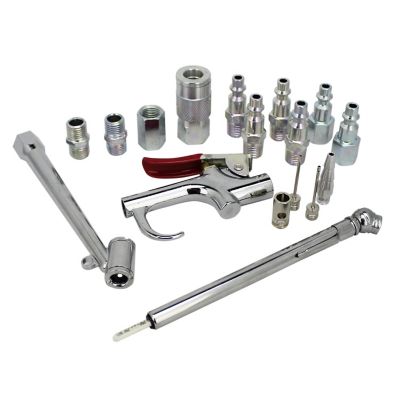
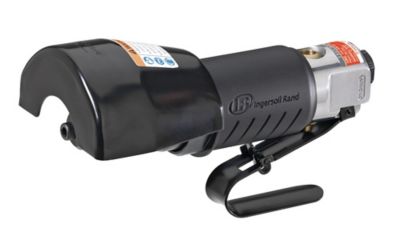
Air gun tools put compressed air to work for fastening, loosening hardware and clearing certain kinds of debris around the garage, barn and workshop. The term generally covers pneumatic impact wrenches, blow guns and nail guns, though each does a different job. An air impact wrench combines turning force with repeated hammering action to help loosen stubborn nuts and bolts. A blow gun sends a controlled stream of air through a nozzle for tasks such as clearing chips from suitable equipment or drying moisture from compatible parts. A pneumatic nail gun drives fasteners into wood for construction and finish work. These tools run from an air compressor through a hose rather than relying on an onboard battery or electric motor, making them a practical fit for a shop that already has a compressed-air setup. Their usefulness comes down to matching the tool to the work. Removing wheel hardware from a utility trailer calls for a different mechanism, attachment and level of control than fastening trim in a mudroom or clearing shavings from a workbench. Mechanics, woodworkers, property owners and people maintaining farm equipment may all reach for air-powered tools, but the right features depend on the task at hand. For wheel service, an impact wrench can help with removal, while final lug-nut tightening calls for a torque wrench and the vehicle or equipment maker’s specifications. For wood projects, the fastener type and length need to suit both the nailer and the material being joined. Blow guns belong in applications where airborne debris can be safely controlled, not as a substitute for a vacuum when fine or hazardous dust is involved. During the cooler months, when more repair work moves under cover, these distinctions matter even more: a busy enclosed shop needs thoughtful dust control, ventilation and room to handle an air hose without catching it under a boot or around a ladder leg.
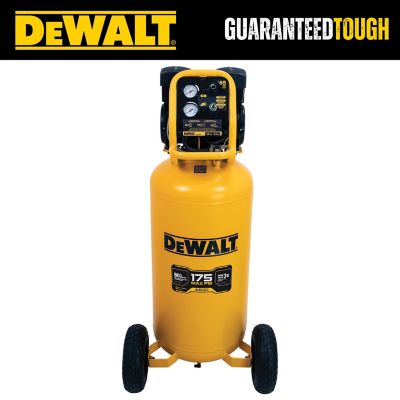
A good match between an air gun tool and its compressor starts with two ratings: operating pressure, measured in pounds per square inch, and airflow, measured in cubic feet per minute. Many pneumatic shop tools operate around 90 PSI, but the required pressure varies, so the tool maker’s specifications should set the target. Airflow matters just as much. A compressor may reach the stated pressure yet struggle to keep a demanding tool running through repeated work. Tank size provides an air reserve; it does not replace the compressor’s ability to deliver enough air at the required pressure. Short bursts from a nailer place different demands on a system than extended blow-gun operation or repeated impact-wrench work. Hose length, inside diameter, fittings and couplers also affect delivery, especially when the work sits across the shop from the compressor. Matching the connection style and choosing appropriately rated components helps prevent leaks, restrictions and frustrating interruptions. Fit matters at the working end, too. An impact wrench needs the correct drive size and impact-rated sockets suited to the hardware, rather than ordinary hand-tool sockets. A nailer needs the specified fastener gauge, collation style and length range. For blow guns, nozzle shape and reach influence access, but reaching into a tight spot should never mean defeating a safety feature or exceeding the permitted pressure. Grip shape, trigger feel, balance and overall weight deserve attention when a job involves repeated movements. A compact body may fit between equipment components, while a longer housing can become awkward near a frame rail or in a crowded cabinet. Aluminum housings can help keep weight down, steel working components handle concentrated forces, and molded grips can make a tool easier to hold with steady control. If the work also includes checking and adjusting pressure on compatible vehicle or trailer tires,
Tire Air Tools serve that separate part of wheel care; inflation equipment and impact tools have different roles even when they share a compressor.
Long service life depends on construction, working conditions and regular care, not just how solid a tool feels in the hand. Shop air can carry moisture, and that moisture can contribute to corrosion inside tools and fittings. Draining the compressor tank according to its instructions and managing moisture in the air line help protect the system, particularly where temperatures swing between a chilly outbuilding and a heated work area. Some pneumatic tools require air-tool oil, while others have oil-free designs or different maintenance requirements; following the maker’s directions avoids treating every tool the same way. Clean connection points, sound hoses and snug fittings help preserve airflow and keep grit out of the mechanism. Before changing sockets, clearing a nailer jam, servicing a nozzle or putting a tool away, disconnect the air supply and follow the prescribed pressure-release procedure. Inspect hoses for cuts, cracking and abrasion, especially where they drag across concrete or rub against metal edges. Store tools dry and protected from dust, and keep hoses out of vehicle paths and away from sharp corners. Safe operation also belongs in the everyday routine. Eye protection is essential wherever fasteners, chips or fragments could fly, and hearing protection may be necessary around both the tool and compressor. Never direct compressed air toward people or animals, or use it to clean clothing or skin. Cleaning tasks call for a safety nozzle, appropriate pressure limits and protection against flying debris; blowing brake dust, unknown powders or other hazardous material into the air is not an acceptable cleanup method. With nailers, proper trigger operation, secure footing and keeping hands clear of the fastening path matter on every shot. For someone setting up a home shop or maintaining a working property, an air tool can also make a thoughtful gift when its purpose and compressor requirements are already known. Compatibility is more useful than guessing at power alone. Whether the next job is freeing a tight fastener, assembling a wood project or tending to suitable shop equipment, air gun tools earn their place through the right fit, controlled operation and care that keeps them ready for the next round of work.