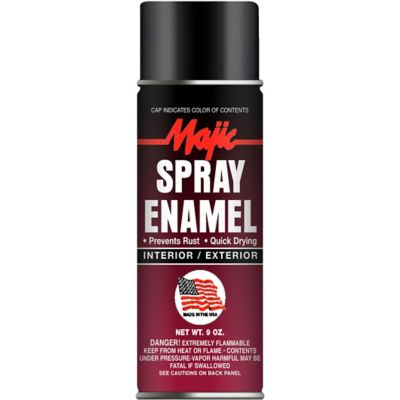
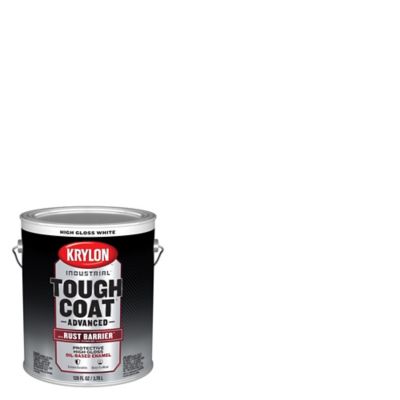
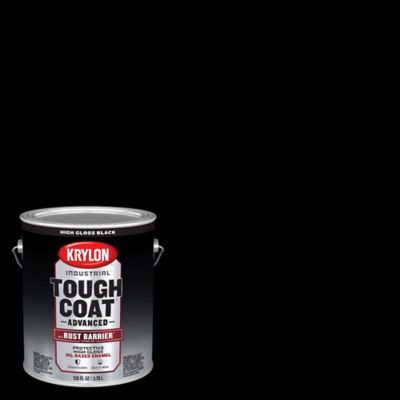
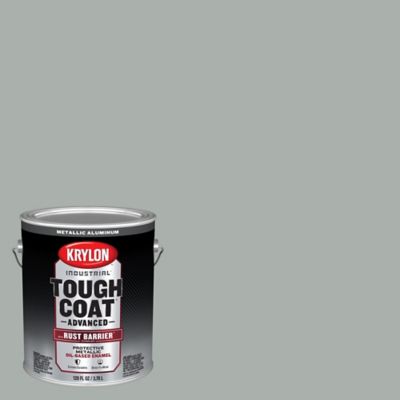
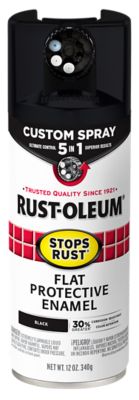
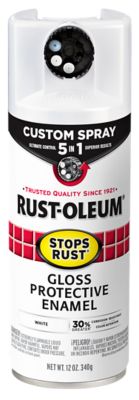
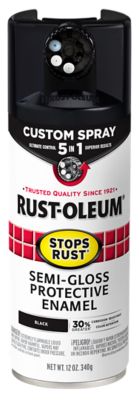
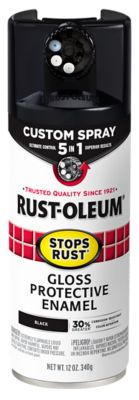
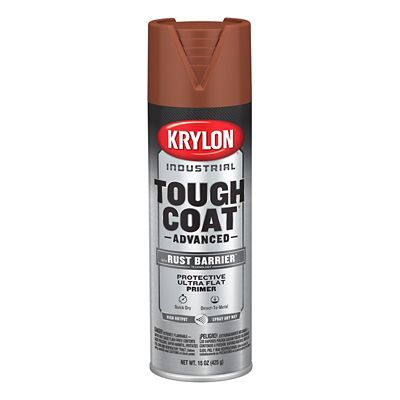
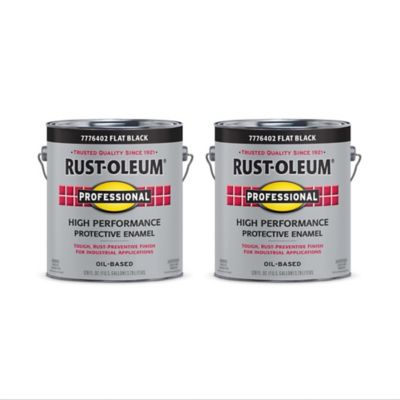
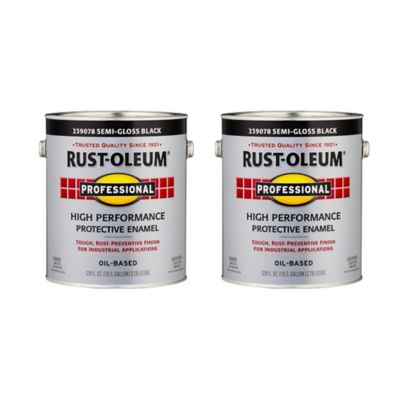
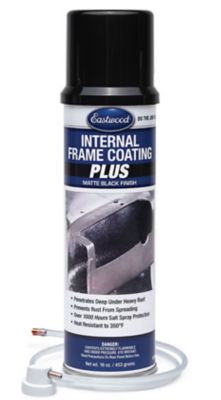
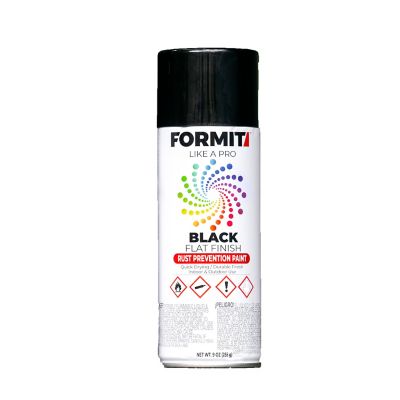
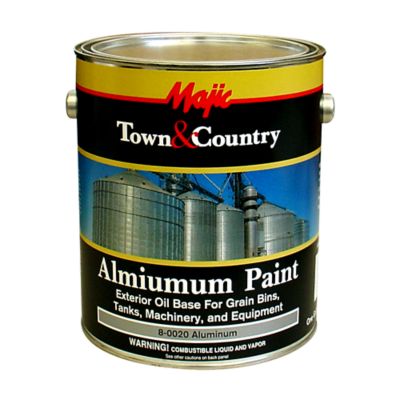
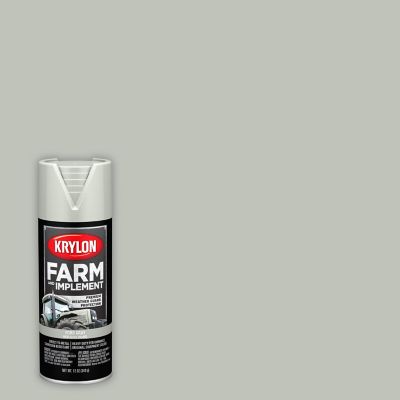
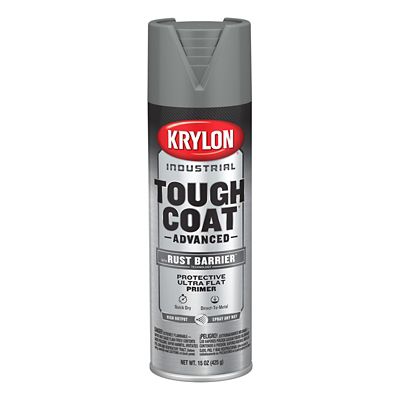
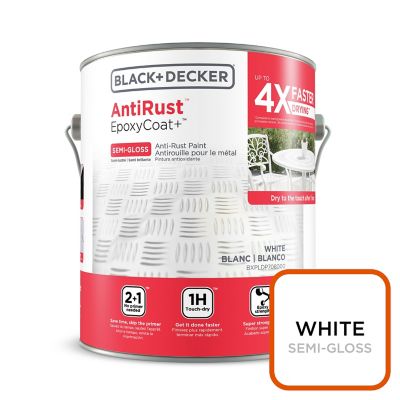
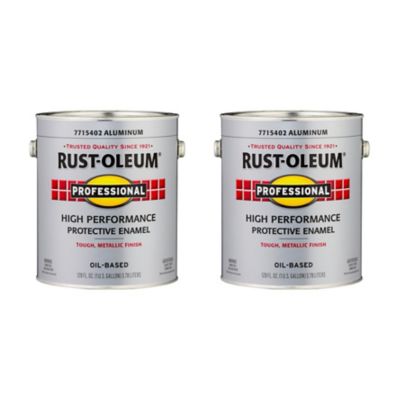
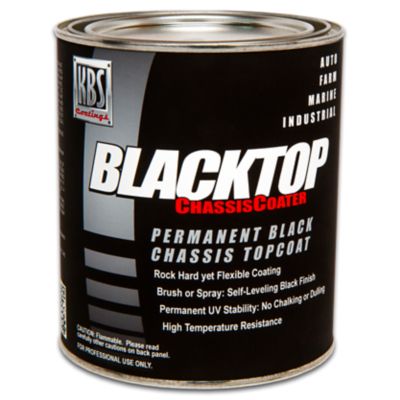
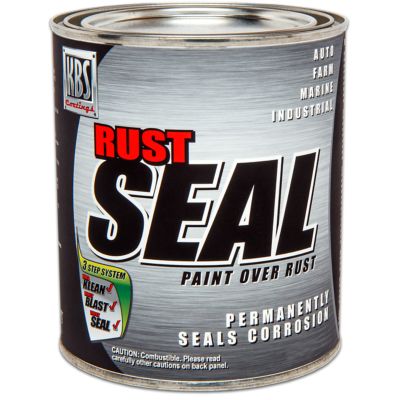
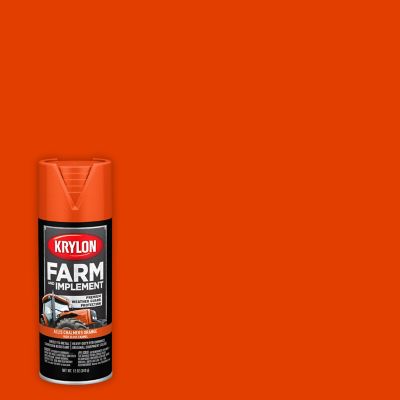
Direct-to-metal (DTM) acrylic paint and metal-rated oil-based enamel are common choices for painting metal handrails. The right match depends on the metal, the condition of the existing finish, and whether the railing serves an indoor stairway or an exterior set of steps. Paint for metal handrails needs to do more than change the color: it should bond to the surface, resist wear from frequent handling, and provide the protection specified for its intended setting. DTM acrylic coatings are formulated for application to certain metal surfaces, with many offering water cleanup and shorter drying times than traditional oil-based coatings. Oil-based enamels typically form a hard finish with good leveling, making them worth considering when a smooth appearance across rails, posts, and brackets matters. Neither description means every formula suits every railing, so the listed substrates and primer requirements are important distinctions. Bare steel, cast iron, aluminum, and galvanized metal do not all accept the same coating system. Steel and iron may call for a rust-inhibiting primer, while aluminum or galvanized surfaces may need a compatible bonding primer. A DTM label does not automatically eliminate priming on every surface or in every situation. Previously painted rails bring another consideration: the new coating must work with the sound finish underneath, not just with the metal itself. For a farmhouse porch rail with exposed steel at the corners, that may mean a different primer-and-paint combination than for an intact aluminum stair rail. Interior and exterior ratings matter, too. An indoor railing calls for a finish approved for that setting, while an exterior railing needs a coating rated for exterior metal. Rust-resistant paint can help protect properly prepared metal, but it cannot replace missing material, strengthen a loose post, or repair a cracked weld. A solid railing and a compatible coating serve different purposes, and both matter around steps and landings.
The way a handrail gets handled helps narrow the finish choices. A rail beside a back door may see work gloves, muddy hands, and regular wiping, while a stair rail in a house may get constant contact along the same stretch of its top edge. A finish with suitable abrasion resistance and washability makes sense for these high-contact surfaces. Sheen changes both the appearance and how readily surface flaws stand out. Gloss creates a strong shine and tends to draw attention to dents, brush marks, and uneven repairs. Semi-gloss offers a noticeable sheen without quite as much reflection, while satin gives a quieter look when that sheen is offered in a metal-rated formula. Cleaning performance varies by coating, so sheen alone does not tell the whole story. Black can give narrow iron rails a crisp outline against light siding, while white can tie a railing to porch trim. Gray and brown can work well around concrete steps, brick, and wood. Color choice also affects how clearly a rail stands apart from its surroundings, which is worth considering at a busy entrance. Application format is another practical difference among paints for metal handrails. Brush-on coatings allow close work around welded joints, mounting plates, and the underside of a gripping rail. Spray coatings can reach bends and closely spaced sections, though nearby siding, steps, and equipment need protection from overspray. Rollers can suit broader, flatter sections but may not reach every edge of a narrow rail assembly. The coating’s approved application methods determine which tools fit the job. Coverage needs depend on more than the length of the stairs: posts, brackets, balusters, and multiple faces all add surface area. Homeowners, property caretakers, and farm shop operators may be working with very different railing layouts, even when the finished projects look similar from a distance. Matching the format and coverage to that layout helps keep the finish consistent from the first post to the last bracket.
Surface condition has a big say in how well paint for metal handrails holds on over time. Grease near a shop entrance, residue from repeated handling, loose rust around a joint, and peeling paint beneath the top rail can each interfere with adhesion. Metal-compatible cleaners, rust-inhibiting primers, and finish coats serve different roles, so compatibility across the whole coating system matters. A rust converter is not automatically a finish coat, and a paint-and-primer formula is not a substitute for removing loose material or addressing contamination. Sound existing paint may need cleaning and dulling before recoating, while exposed metal may need its own primer treatment. Older coatings deserve extra caution because they may contain lead; testing and lead-safe practices are important before disturbing an unknown finish. These details help explain why two cans labeled for metal can still be suited to different projects. Drying and curing information matters just as much on a surface that people grip. Paint can feel dry before it has developed its full hardness, and early handling can leave marks or damage the film. A handrail should remain out of service for the period specified by the coating manufacturer, with another safe means of access where needed. After the finish has cured, gentle cleaning with a compatible cleaner helps remove hand oils and dirt without unnecessary abrasion. Chips at mounting points and worn spots along the gripping surface deserve attention before exposed metal develops further corrosion. When a project includes both a railing and a nearby metal entry,
Paint for Steel Doors offers another relevant category to consider, though each surface still needs its own compatibility check. Coordinating color and sheen can pull an entrance together without assuming one formula belongs on every part. Whether the setting is a front stoop, a basement stairway, or steps beside a workshop, a well-matched metal coating helps keep the railing looking cared for through everyday handling and routine cleaning.