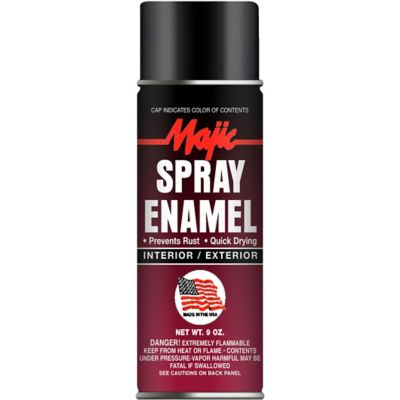
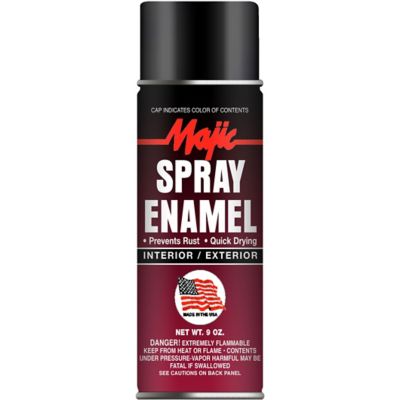
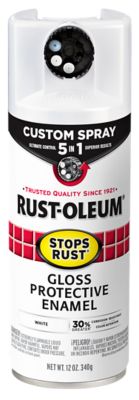
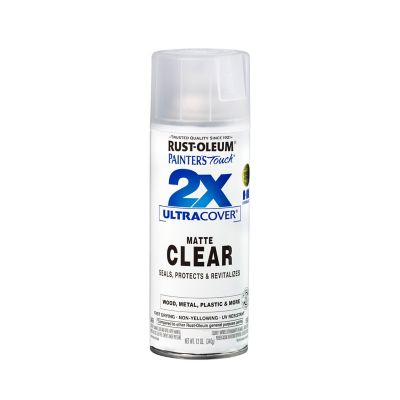
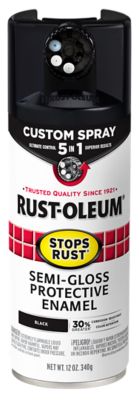
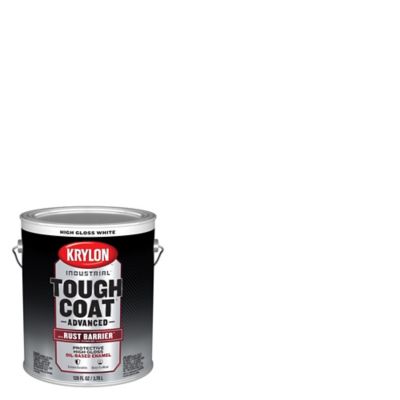
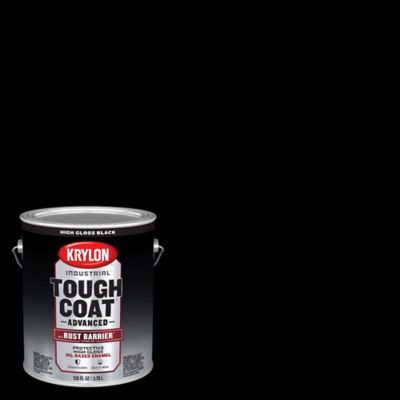
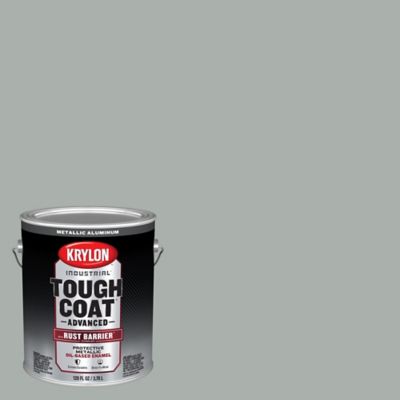
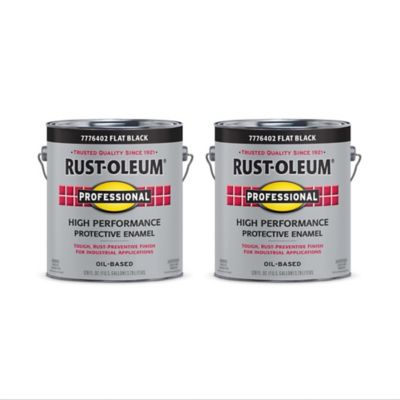
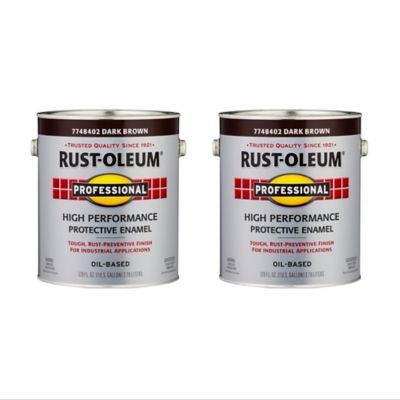
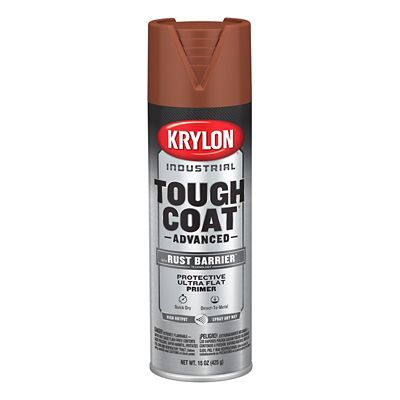
Paint for metal garden furniture needs to suit the metal underneath, stand up to outdoor exposure, and leave a finish that fits the way the furniture gets handled. Rust-inhibiting exterior oil-based enamel is often a good match for wrought iron and steel because it forms a hard protective film and helps limit corrosion. Exterior acrylic and direct-to-metal coatings can also work well when their labels list the furniture’s metal and intended application. There isn’t one paint that fits every garden chair or bench: bare steel, cast iron, aluminum, galvanized metal, and previously painted surfaces have different bonding needs. Iron and steel need particular attention to rust protection, especially around welds, feet, and joints where moisture can collect. Aluminum does not develop the same red rust, but its smooth surface and oxidation can still interfere with adhesion. Galvanized metal has a zinc coating that calls for a compatible paint system rather than an ordinary enamel chosen by color alone. A suitable coat of
Metal Primer Paint can provide a bonding layer, help protect exposed metal, and create an even base for the finish coat. The paint label determines whether a separate primer is necessary; “direct-to-metal” does not mean every coating belongs on every metal or over every existing finish. For an iron bench beside a garden path or steel chairs around a backyard table, the most useful features are exterior suitability, adhesion, rust resistance where needed, and resistance to everyday scuffs. A sound coating also helps keep the furniture easier to wipe down after potting plants, sharing a meal, or setting down a muddy pair of gloves. Those practical details matter more than a broad claim about all-purpose performance. Matching the coating to the actual surface gives a garden furniture refresh a better foundation, whether the goal is keeping a familiar black finish or bringing a different color to a favorite sitting spot.
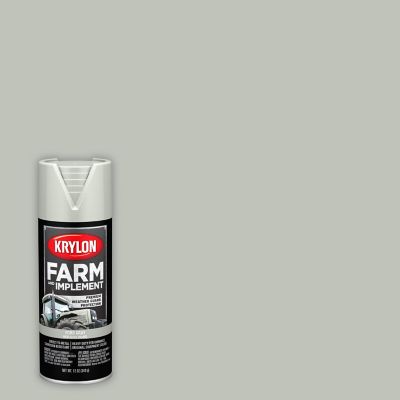
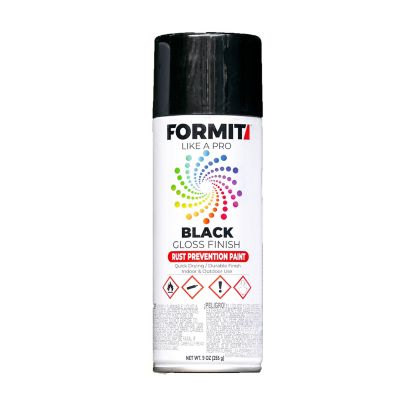
Spray paint and brush-on paint each suit different furniture shapes and different amounts of surface area. Aerosol paint reaches around narrow rods, curved arms, scrollwork, and open metal mesh, making it a practical format for furniture with plenty of small angles. It can also leave a smooth appearance without brush marks, although open frames allow some spray to pass through rather than land on the metal. Brush-on coatings give more control over broad rails, solid seats, table edges, and heavier frames. A small roller may suit flat sections when the coating label permits that application, while a brush reaches seams and corners. Coverage figures deserve a close look because a simple square-foot estimate does not tell the whole story on an openwork bench. The number of coats, the shape of the frame, and a strong change in color all affect how much paint a project takes. Finish matters, too. Gloss brings out curves and details and generally makes marks easier to wipe away, but it can also draw attention to dents, rough spots, and uneven older coatings. Satin offers a softer sheen that fits many porch and garden settings. Flat finishes create a low-sheen look, though their resistance to scuffing and ease of cleaning depend on the formulation. Color can connect metal seating with nearby fencing, planters, porch trim, or a wooden table without making everything match. Black, charcoal, and deep green settle easily into planted spaces, while lighter shades give a small seating area a brighter look. A painted surface may also feel different from a factory finish, so suitability for seating and frequent hand contact matters. For furniture that folds, stacks, or rocks, resistance to rubbing is especially helpful around contact points. Even a tough coating can wear where two metal parts scrape together, making furniture construction part of the paint choice rather than an afterthought.
The condition of the existing finish has a lot to do with how well fresh paint holds on. A bench with firmly bonded paint presents a different surface from one with loose flakes, exposed rust, or a slick powder-coated finish. Dirt, oil, chalky residue, and loose corrosion can prevent a new coating from bonding, regardless of the paint type. Product labels spell out the cleaning, sanding, priming, and compatibility requirements, including whether the coating can go over an older finish. Rust-inhibiting paint helps protect properly prepared metal; it does not rebuild deeply pitted legs, tighten loose joints, or make a weakened frame safe for sitting. On furniture that still has plenty of service left, attention to edges, welds, and the undersides of rails can make a meaningful difference because those spots are easy to overlook. Drying and curing information also deserves a place in the buying decision. A surface that feels dry may not yet be ready for cushions, stacked chairs, or regular seating, and early contact can leave impressions or cause adjoining parts to stick. Oil-based enamels often have different cleanup and curing requirements from water-based coatings, so the label’s directions help set realistic expectations for the project. Paint intended for furniture frames should not be assumed suitable for cushions, fabric slings, or surfaces that directly contact food. After the finish has cured, gentle cleaning with products permitted by the coating manufacturer helps preserve its appearance without unnecessary abrasion. Furniture glides can reduce scraping at the feet, while checking narrow joints and contact points makes small chips easier to spot. Paint for metal garden furniture is a practical choice for folks keeping a well-loved porch rocker, bringing mismatched chairs into the same color scheme, or freshening the bench where boots come off after chores. The right match balances the metal, the existing surface, the application method, and everyday care, giving hardworking outdoor furniture a finish suited to its place around the home.