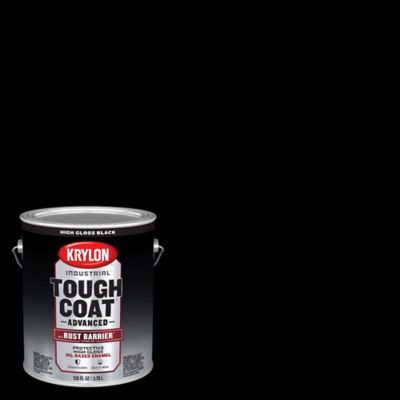
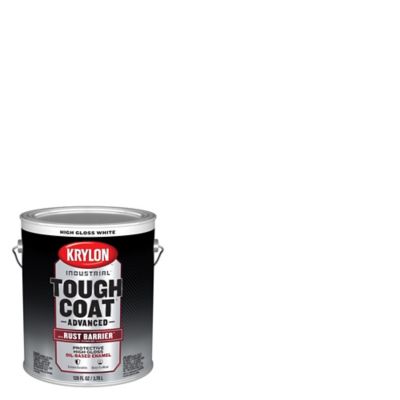
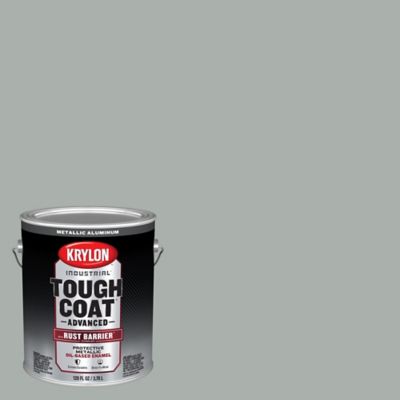
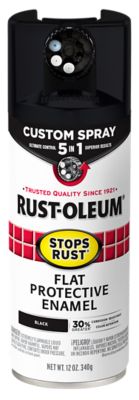
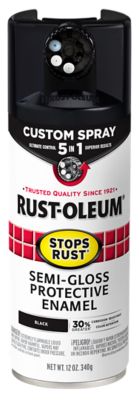
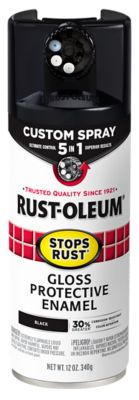
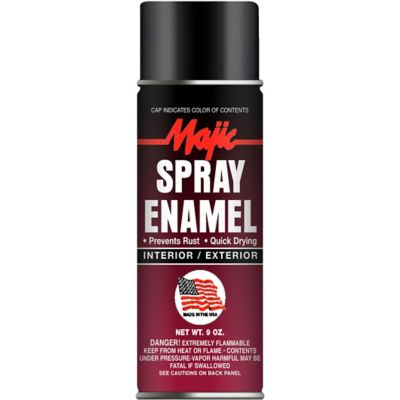
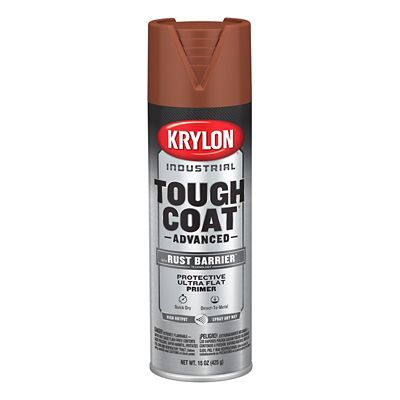
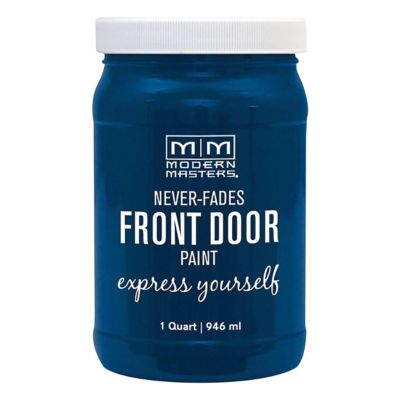
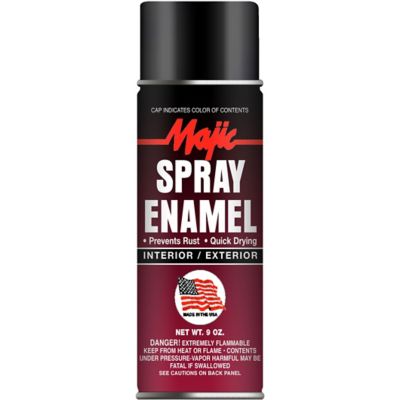
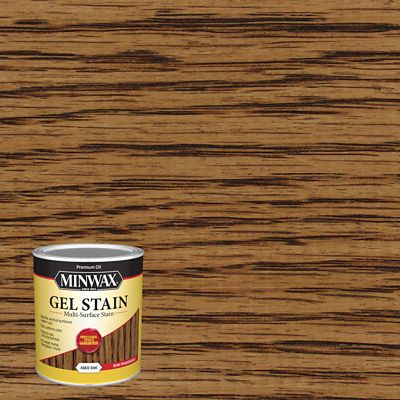
Paint for steel doors needs to do more than bring a fresh color to an entry. It needs to bond to the surface, stand up to everyday handling, and help protect exposed steel from corrosion. Direct-to-metal acrylic paint and urethane-alkyd enamel are common options when the label lists steel and the intended interior or exterior application. Some formulas can go directly over properly prepared bare metal, while others call for a compatible rust-inhibiting primer. That distinction matters on a farmhouse entry, a workshop side door, or the steel door between a garage and a utility room. A coating meant for an interior surface may not suit an exterior door, and ordinary wall paint may not provide the adhesion or protection the metal needs. Water-based acrylic formulas often offer easier soap-and-water cleanup and lower odor, although ventilation still matters. Alkyd and urethane-alkyd enamels can form a hard, smooth film, with cleanup, drying, and recoating requirements that depend on the formula. Neither category is automatically the best choice for every door. The existing finish, the condition of the steel, and the amount of handling all help narrow the selection. A frequently opened shop door takes contact around the latch, edges, and push area, while a utility closet door may see much lighter traffic. For either setting, look for clearly stated metal compatibility, adhesion requirements, and resistance to chipping, scuffing, and corrosion. Rust-resistant paint helps protect the surface, but it does not repair pitted steel or make loose rust a sound base. A door with deep corrosion, damaged seams, or a weakened bottom edge may need repair before a finish can perform well. Choosing paint around the door’s actual condition gives the finished surface a better chance of holding up through daily chores, deliveries, and trips between the house and outbuildings.
The surface already on the door is just as important as the paint going over it. New steel doors may arrive with a factory-applied primer, a finished coating, or another surface treatment, and those finishes do not all accept the same topcoat. A factory-primed door needs a paint approved for that primer, along with any surface preparation listed by the door and paint manufacturers. Previously painted doors call for attention to adhesion and compatibility, especially where an older finish is glossy, peeling, or flaking near the handle. Galvanized steel deserves its own check because its zinc coating can require a primer or paint specifically labeled for galvanized metal. A direct-to-metal label does not mean a paint works on every kind of metal or every existing finish. Grease from a shop, residue around a kitchen entry, and repeated hand contact can also interfere with bonding, even when the door looks fairly clean. These details make compatible cleaners, primers, and topcoats worth considering together rather than treating the finish coat as the whole job. Coverage information is another useful comparison point. A door includes more than its broad faces: recessed panels, exposed edges, and other paintable areas add surface area, and a strong color change may require more than one coat. Published coverage figures are estimates, so the surface texture and recommended coat count matter. Brush, roller, and spray compatibility can also influence the choice. A leveling formula can help soften application marks, while the right brush or roller cover can reach panel details without leaving a heavy texture across the flat sections. Recoat time and full cure time are different measures. Paint may feel dry before it can handle firm contact, cleaning, or pressure from weatherstripping, so resistance to sticking between painted surfaces is a useful feature for a working door. On fire-rated doors, manufacturer requirements and identification labels also need to stay part of the decision.
Color and sheen shape how a steel door fits the building, but they also affect everyday upkeep. Satin can give a painted entry a softer look while offering a surface that is often easier to wipe down than a flat finish. Semi-gloss brings more shine and can make fingerprints and smudges easier to clean, though it may also draw attention to dents, sanding marks, or uneven areas. Gloss creates a sharper reflection and puts even more emphasis on the condition underneath. The paint’s actual washability and resistance to scuffs depend on its formulation, not sheen alone. A deep green door beside natural wood siding, a crisp white utility entry, or a charcoal shop door can each suit a different property without making the finish feel out of place. For farm buildings and busy workspaces, a color that coordinates with trim and makes the entrance easy to spot can be more useful than following a passing style. Matching nearby painted metal can help tie the entry together, too;
Paint for Metal Handrails covers another closely related surface, though a door and a handrail may need different coatings based on their existing finishes and contact patterns. Once the door’s coating has fully cured, routine care usually centers on gentle cleaning with products the paint manufacturer permits. Abrasive pads and harsh cleaners can dull or damage a finish, particularly around the handle where cleaning happens most often. Small chips deserve attention because exposed steel can begin to corrode, and saving the paint name, color code, and sheen makes later touch-ups simpler. Paint should not interfere with hinges, latches, seals, or the door’s movement, and thick buildup along meeting surfaces can cause sticking. For homeowners, property managers, painters, and folks keeping a farm or workshop in good shape, the right steel door paint balances appearance with practical surface protection. A well-matched coating system keeps the entry looking cared for while making everyday cleanup and future maintenance more manageable.