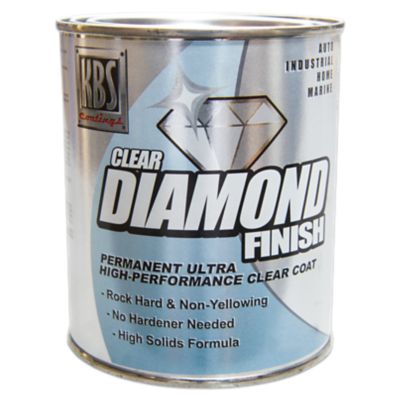
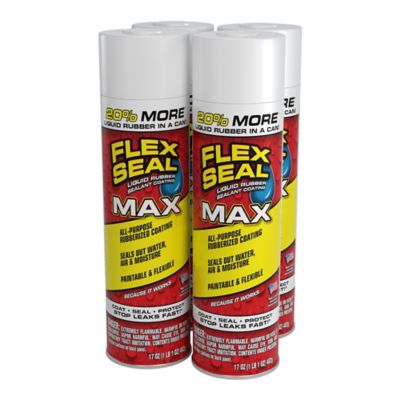
Paint for aluminum gutters should be an exterior coating labeled for aluminum or nonferrous metal, paired with a compatible primer whenever the coating system calls for one. That combination matters because aluminum does not accept every paint the same way wood or steel does. Exterior acrylic latex paint is a common option when its label includes aluminum, while other exterior metal coatings may also fit the job. The best match depends on whether the gutter has bare metal, an intact factory finish, or an older painted surface. A bonding primer approved for aluminum can help a finish coat grip smooth metal; exposed areas may need a different primer approach than a sound, previously painted section. Some coatings allow direct application to properly prepared aluminum, but that claim needs to appear on the label rather than be assumed from the words “metal paint.” Surface condition matters just as much as the paint type. Dust, grease, chalky residue, and loose paint interfere with adhesion, leaving even a suitable coating vulnerable to peeling. Aluminum does not develop the reddish rust associated with steel, though its surface can oxidize and leave a pale, powdery film. A clean, dry, sound surface gives the primer and finish a better foundation. For a farmhouse with long gutter runs above the porch or a shop with aluminum downspouts beside the entry, the goal is a finish that holds its color and stays attached through regular outdoor exposure. Paint can refresh the visible faces of the gutter system and bring mismatched sections closer together, but it cannot straighten a sagging run, secure a loose hanger, or repair a leaking joint. Those are separate concerns. Coatings intended for the outside face also should not be assumed suitable for the inside channel, where water, sediment, and debris create a different kind of exposure.
Choosing paint for aluminum gutters also means considering how the finished surface will look against the roofline, fascia, siding, and nearby outbuildings. A color close to the fascia can help gutters blend into the eaves, while a contrasting shade can make the roofline stand out. Downspouts often look less noticeable when their color follows the wall behind them, especially on a broad barn wall or the side of a detached garage. Sheen affects that appearance, too. Gloss can draw attention to dents, seams, and uneven touch-ups, while lower-sheen finishes may make those details less noticeable. The practical choice still needs to balance appearance with the coating’s stated suitability for exterior aluminum and routine cleaning. A matching color name alone does not guarantee that a fresh coat will disappear into an older finish; fading, surface texture, application method, and sheen can all change the result. A small color test is especially helpful when touching up a scratched elbow or replacing one short section in an otherwise matching run. Coverage deserves a close look as well. Gutter length alone does not describe the full paintable area, since the shaped face, underside, end caps, elbows, and downspouts add surface area. Label coverage figures provide a starting point, with the required number of coats and the condition of the existing finish affecting how much coating the job takes. Brush, roller, and spray application can each suit different layouts, provided the paint permits that method. Brushes offer control around straps and seams, while spraying brings masking and overspray concerns near shingles, siding, vehicles, and equipment. Drying time and recoat time are separate label details, and both matter when matching primer with a finish coat. Paint that feels dry to the touch may still need more time before another coat or routine handling. For long runs over a porch or along a workshop, access and protection of nearby surfaces can be as important to the project as color selection.
The right coating choice can differ between a small scratch repair and a full repaint of an existing gutter system. A touch-up calls for attention to the exposed substrate, the surrounding finish, and whether the new paint can blend without leaving a conspicuous patch. A broader repaint puts more emphasis on consistent adhesion, even coverage, and compatibility across old paint, bare spots, and replacement sections. Where the original finish remains firmly attached, a compatible coating system may allow that sound layer to stay in place; flaking edges and powdery residue are a different matter. Manufacturer directions help distinguish those conditions and identify any required primer, surface preparation, or application restrictions. Mixed materials need attention, too. An aluminum gutter may sit beside steel fasteners, brackets, or other metal components that have their own coating requirements. Rust on a steel part is not evidence that the aluminum itself is rusting, and one primer is not automatically suited to every material along the eaves. After painting, routine care centers on keeping the finish reasonably clean and watching for localized peeling, scratches, or damage around joints and hangers. Gentle cleaning methods consistent with the paint label help protect the finish; aggressive abrasives can scuff it or expose the metal beneath. Keeping the gutter system clear and properly supported also helps prevent overflow and movement that paint cannot address. Homeowners freshening up a house, property managers keeping several buildings coordinated, and folks maintaining a barn, shed, or workshop can all benefit from matching the coating to the actual surface rather than choosing by color alone. Related exterior aluminum projects may also call for
paint for aluminum garage doors, though each surface still needs a finish approved for its particular application. For gutters, the soundest choice comes back to a few practical details: explicit aluminum compatibility, a suitable primer where required, an exterior finish suited to the exposure, and care instructions that fit the property’s regular upkeep.