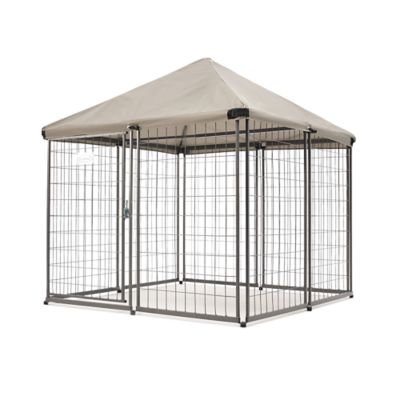
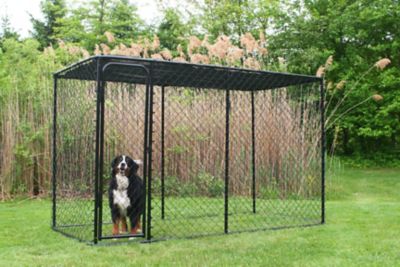
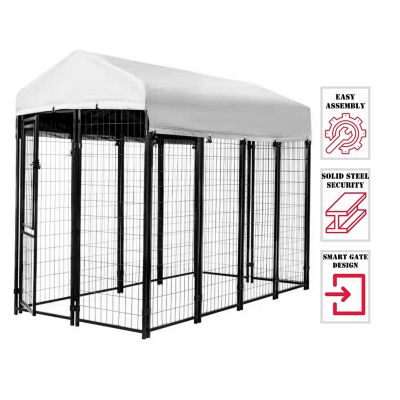
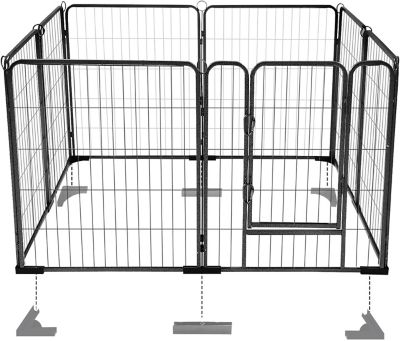
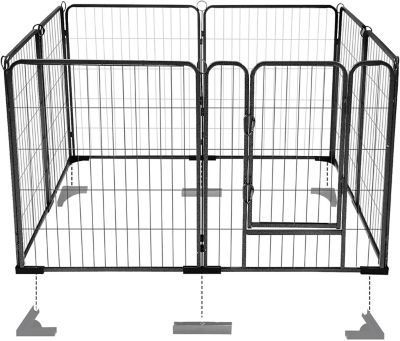
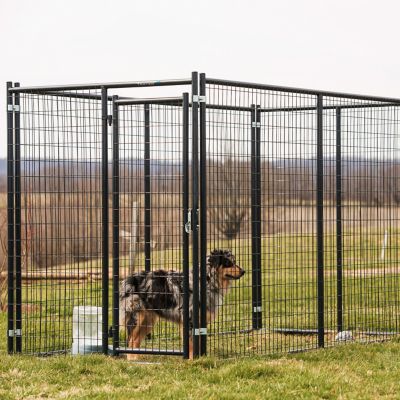
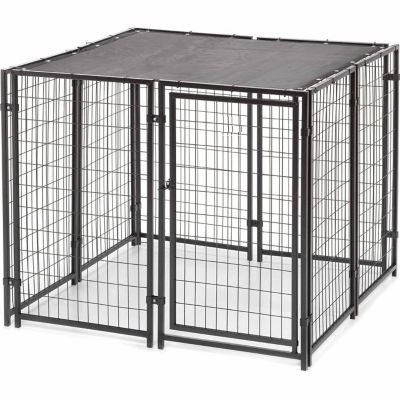
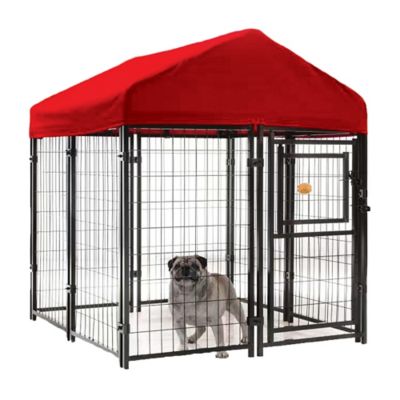
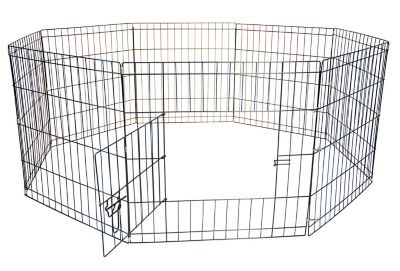
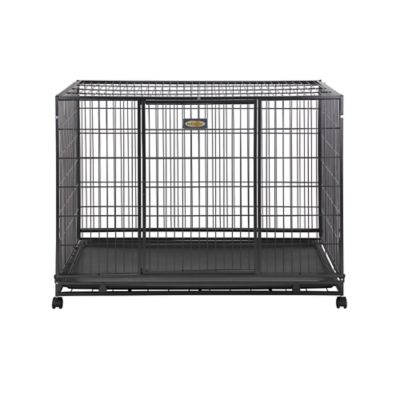
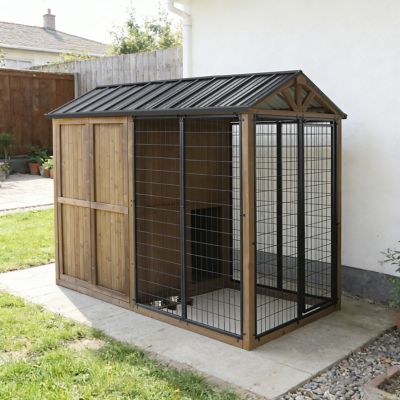
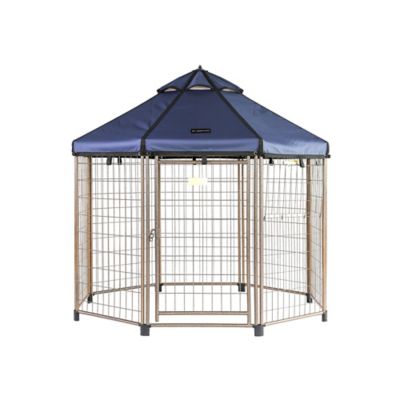
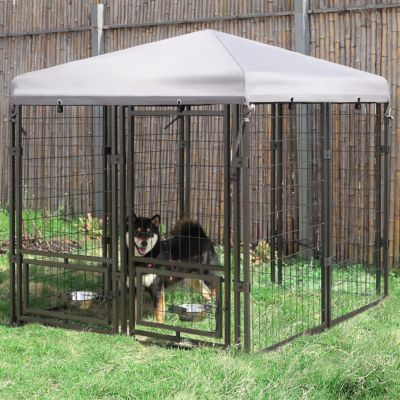
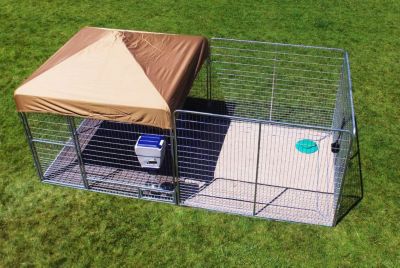
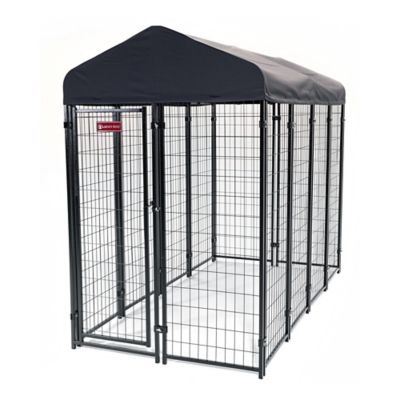
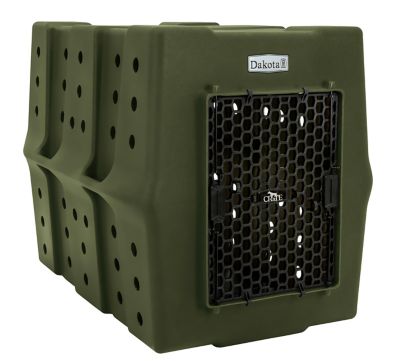
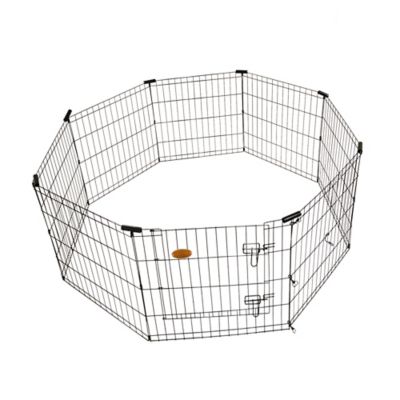
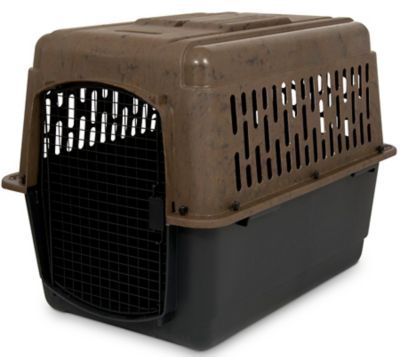
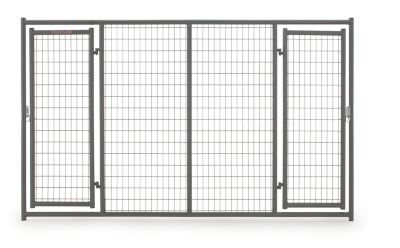
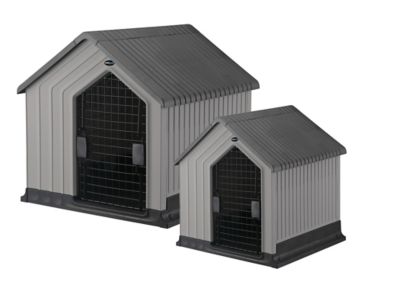
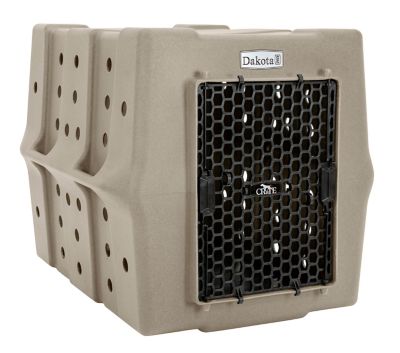
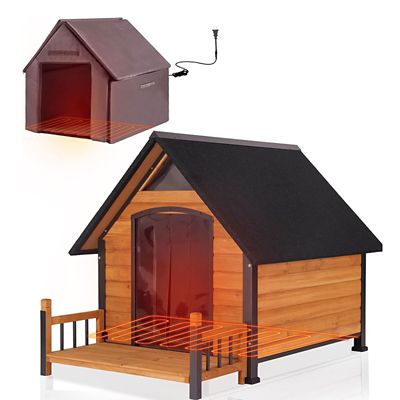
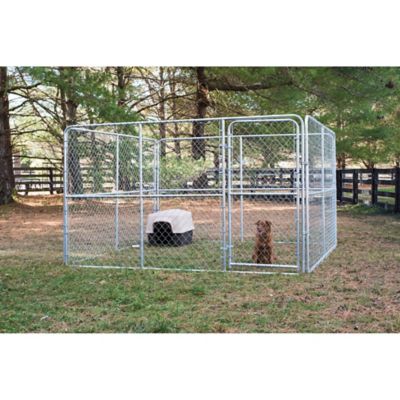
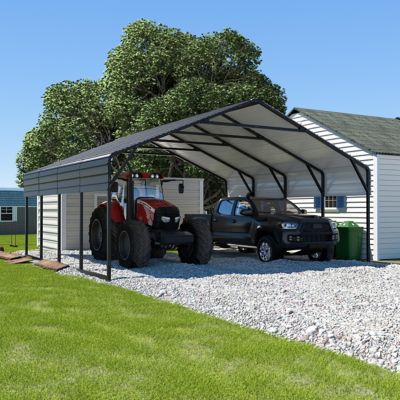
Indoor outdoor dog kennels give dogs a defined place to rest and move around, whether that space is in a mudroom, beside the back porch or out in the yard. The term covers several enclosure styles, from portable pens that move between the house and lawn to larger outdoor runs connected to a sheltered sleeping area. Not every kennel serves both settings in the same way: an open panel enclosure provides boundaries, while a kennel with an enclosed resting compartment and attached run offers separate spaces for shelter and fresh air. The right fit depends on the dog’s size, habits and daily routine, along with the space around the home. A quiet older dog may settle comfortably in a roomy pen near the family, while a young, energetic dog needs an enclosure suited to its strength and activity level. Neither setup takes the place of walks, exercise, companionship or regular trips outside to relieve themselves. For households where muddy paws, visiting relatives and everyday chores all meet at the back door, a kennel can help keep a dog close without putting it in the middle of foot traffic. Indoor models benefit from floor protection and enough clearance for doors to swing freely; outdoor setups need level footing, suitable anchoring and protection from the elements. Portable dog pens make sense for supervised time in different spots, while larger panel systems suit a more settled location. Enclosures connected to a dog door can allow movement between indoor shelter and an outdoor run, provided the access point, fencing and surrounding area are secure. That arrangement calls for attention to the entire space, not just the gate. Gaps near a wall, loose ground along the fence line and objects within climbing reach all affect how well a kennel contains a dog. A thoughtfully matched enclosure supports a familiar routine, with room for stretching out after a walk and a clear separation between resting, drinking and bathroom areas.
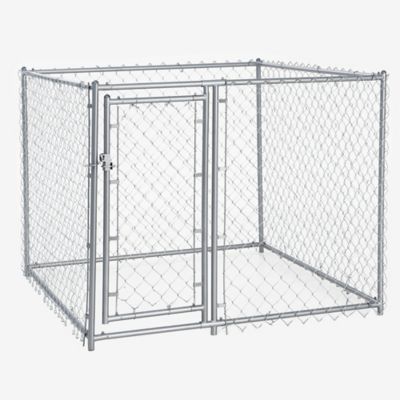
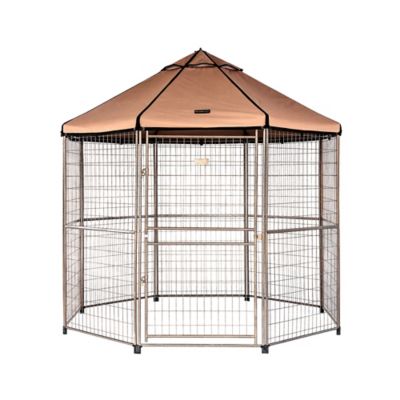
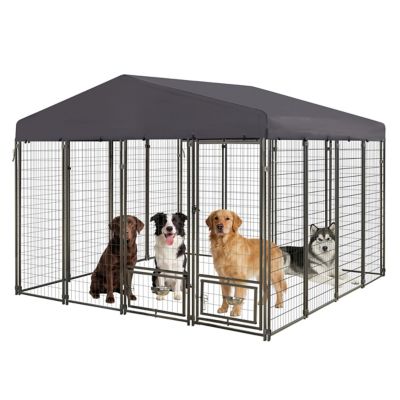
Materials and construction shape how an indoor outdoor dog kennel handles everyday life. Welded wire panels, chain-link fencing and metal frames are common choices for larger enclosures, while molded plastic panels and lighter metal sections appear in portable pens. Galvanized steel and protective coatings help limit corrosion, but scratches, moisture and contact with wet ground still deserve attention. Chain-link mesh offers airflow and visibility; welded wire creates a more rigid panel, though wire thickness, frame strength and connection points vary. No material alone makes an enclosure escape-proof or suitable for every chewer. A dog that pushes against gates, paws at corners or works its mouth along the wire needs a different level of containment from one that curls up as soon as the latch closes. Mesh openings should not allow a head or paw to become trapped, and panel edges should be smooth and free of exposed wire ends. Height matters for dogs that jump or climb, but an ordinary fabric canopy is weather cover, not a containment roof. Gate placement matters just as much during daily chores. A wide opening makes it easier to carry bedding, reach water bowls and clean corners without twisting sideways through the doorway. Latches should resist nudging and pawing while remaining manageable for the person tending the dog. For floor space, the useful measurement is the open area left after bedding and bowls are in place. A dog needs room to stand naturally, turn around and lie fully stretched out; a run intended for movement needs more space than a resting crate. Multiple dogs need additional room and may need separate enclosures for feeding, rest or safe management. Modular panels can accommodate different layouts when the system permits, but changes should follow the manufacturer’s specifications for connections, support and anchoring. For a kennel that moves between indoors and outdoors, overall weight, folded dimensions and the way panels meet the floor affect how practical that move will be. Nonmarking feet or appropriate floor protection can help spare indoor surfaces, while outdoor anchors must suit both the enclosure and the ground beneath it.
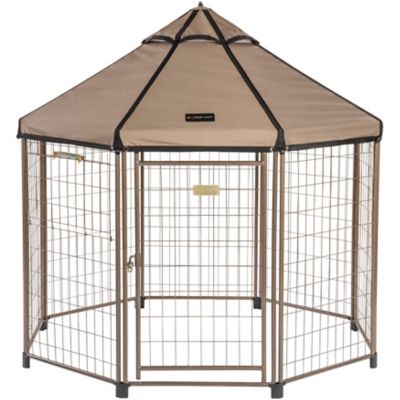
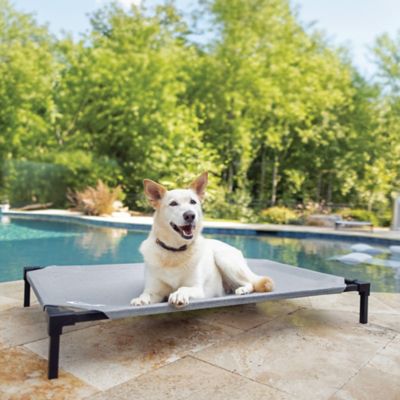
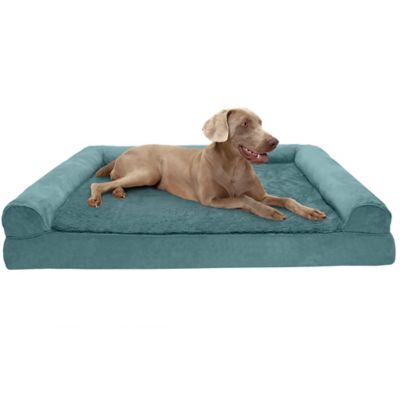
Comfort outdoors comes down to more than putting a roof over the fence. A kennel needs shade, ventilation, fresh drinking water and shelter appropriate for the dog and the weather. Roof panels and fitted covers may reduce exposure to sun or rain, but their protection depends on coverage, fastening and the conditions they are rated to handle. Wind-driven rain can reach through open sides, and a cover does not make an outdoor run warm enough for cold-sensitive dogs. During the cooler months, dry bedding and a resting area protected from drafts become especially important, but dogs still need to come inside whenever conditions are unsafe. Puppies, senior dogs and dogs with health concerns may need tighter limits on outdoor time. Placement makes a noticeable difference after several days of rain: a low patch beside the shed can turn into mud even when the rest of the yard looks dry. A well-drained location and suitable footing help keep paws and resting areas cleaner. Concrete offers a firm surface that can be washed, though it needs traction and a comfortable place to lie down. Kennel floor panels should support the dog’s weight without openings that catch toes or nails. Bare ground requires attention to digging, standing water and waste removal. For a resting spot lifted above the floor,
Outdoor Raised Dog Beds can help separate a dog from damp ground and allow airflow beneath the sleeping surface, though they do not replace weather shelter or cold-weather bedding. Everyday care includes removing waste promptly, washing bowls, keeping bedding dry and checking hinges, fasteners and panel joints. Cleaners should be appropriate for the enclosure material and applied according to their directions, with surfaces rinsed and dried as required before the dog returns. Regular checks after strong wind, heavy rain or freezing weather can reveal loosened anchors, damaged covers or rough spots before they become bigger problems. With enough space, sound construction and steady care, an indoor outdoor kennel can become a comfortable part of life around the house and yard.