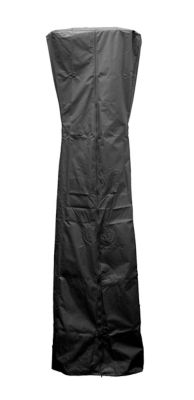
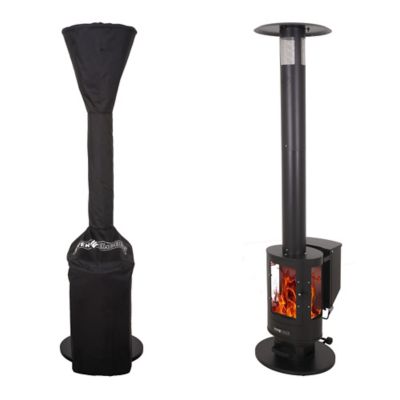
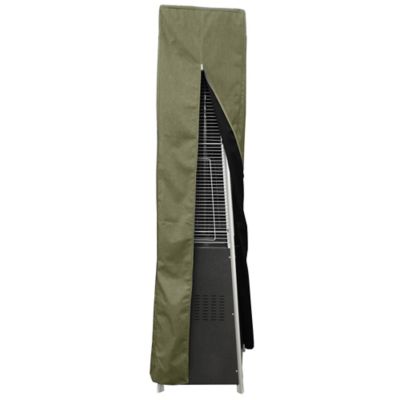
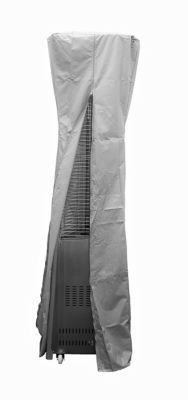
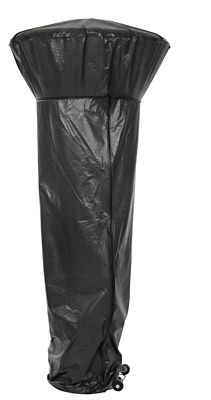
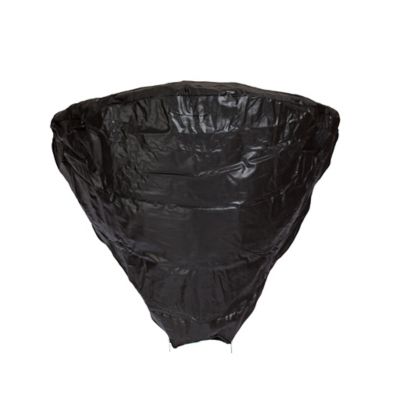
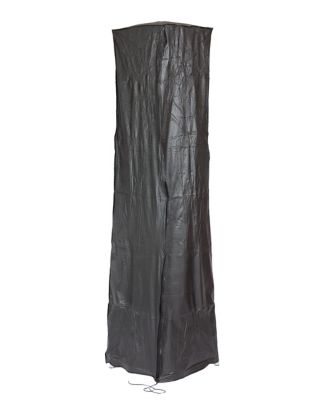
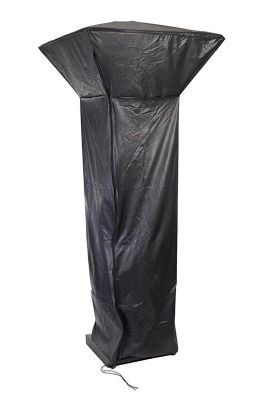
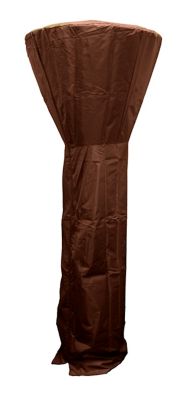
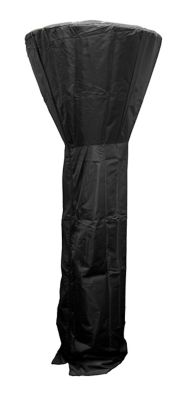
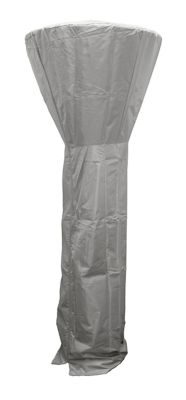
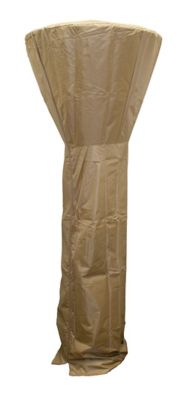
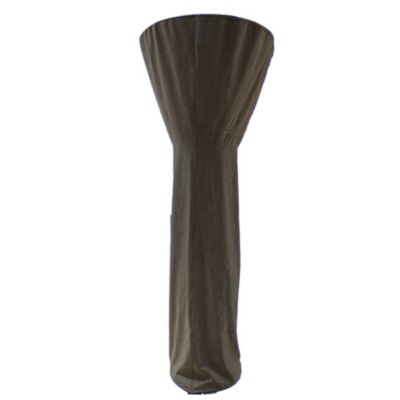
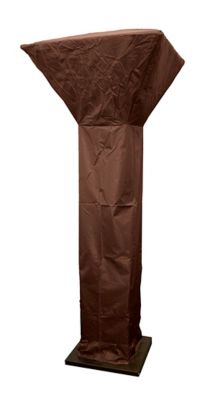
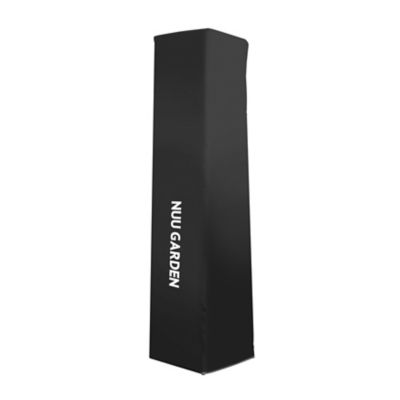
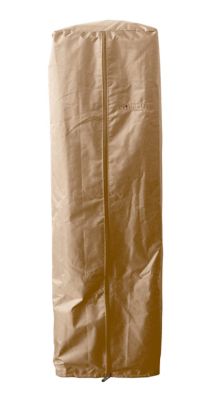
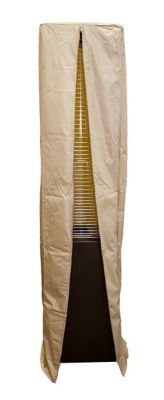
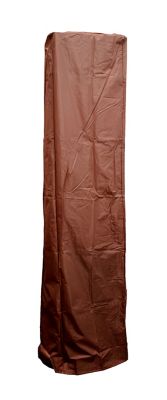
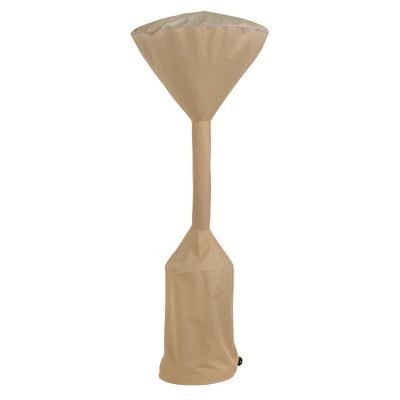
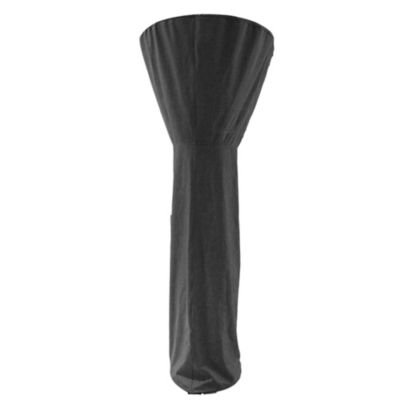
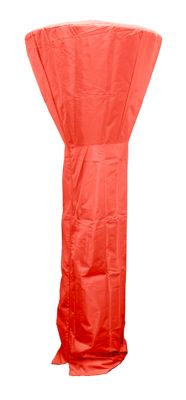
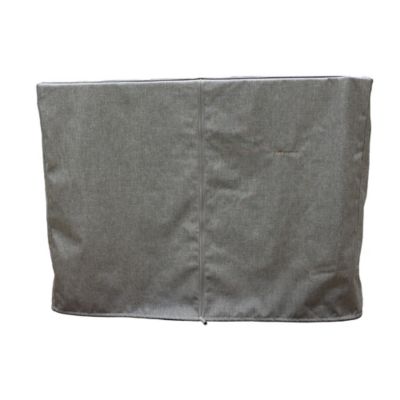
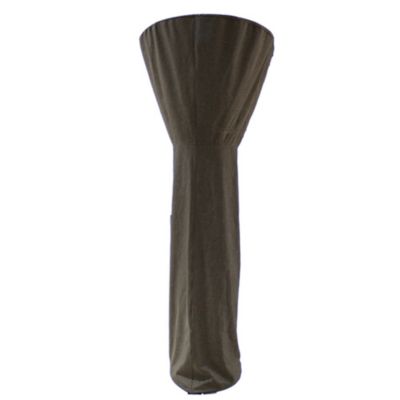
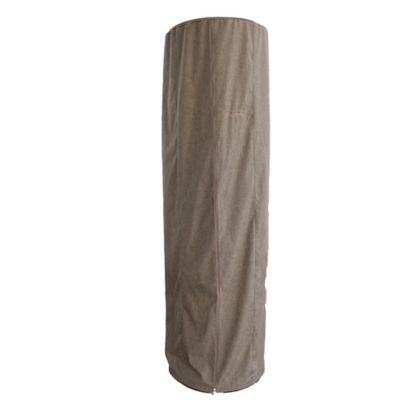
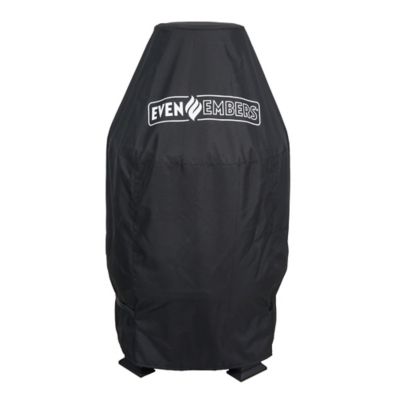
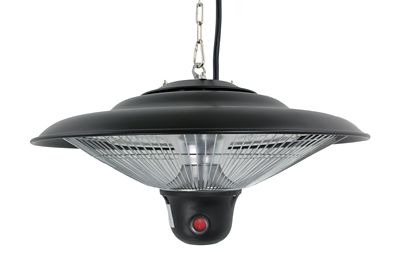
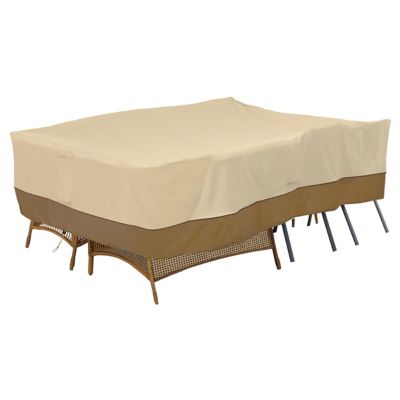
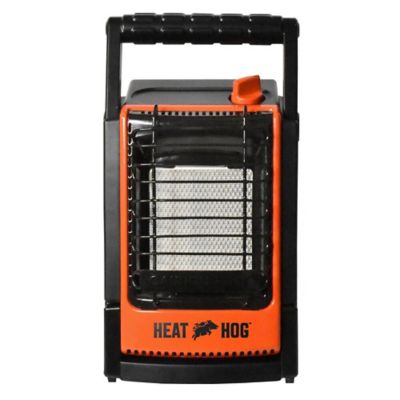
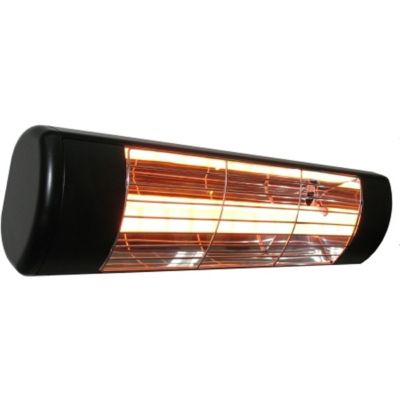
Outdoor patio heater covers are a simple way to help protect the heaters that keep porches, patios, decks and outdoor seating areas comfortable when the air turns cool. A patio heater may spend much of its life outdoors, where it is exposed to rain, dust, pollen, falling leaves, bird droppings, tree sap and strong sunlight. Even when a heater is not in use, that steady exposure can lead to rust, faded finishes, clogged burner openings and grime around the controls. A properly fitted cover creates a barrier between the heater and the elements, helping keep it cleaner and ready for the next evening outside. Covers can be useful for freestanding gas heaters, electric infrared heaters, tabletop models and other outdoor heating setups, though the shape and size of the heater will determine which cover works best. Before choosing one, measure the heater from its highest point to the ground, then measure the width or diameter of the dome, heating head and base. Pay close attention to the widest part, since a cover that fits the pole but is too narrow for the reflector or base may be difficult to pull on and can put extra strain on the seams. A little extra room is usually helpful, but an oversized cover can catch the wind, drag on the ground and allow water to collect in loose folds. For compact spaces, browse
Small Outdoor Heaters to find heating options that may pair well with a protective cover. Taking a few minutes to compare your measurements with the listed cover dimensions can save the hassle of returning a cover that does not reach the base or will not clear the top of the heater.
The material and construction are just as important as the dimensions. Heavy-duty vinyl is a popular choice when strong waterproof protection is the main goal, and many vinyl covers include a soft felt or polyester lining to help prevent scuffs on painted or polished surfaces. Oxford polyester, including heavier 210D through 600D fabrics, is often lighter to handle while still offering good tear resistance. A PVC coating or other water-resistant treatment can help the fabric stand up to rain and sunlight, although no cover should be treated as a substitute for a sheltered storage area during severe weather. Look for reinforced seams, sturdy handles and a full-length zipper when available. A zipper can make installation much easier, especially on a tall heater with a broad dome that is awkward to lift over from above. Drawstrings, hook-and-loop closures, buckles or adjustable straps help cinch the lower edge around the base so a gust of wind does not turn the cover into a sail. Air vents made with mesh or vented panels are another useful feature because they allow some circulation beneath the cover and may reduce trapped moisture, condensation, mildew and musty odors. Covers made for unusual shapes, including pyramid-style heaters, glass tube heaters or wall-mounted electric units, may need a semi-custom or specialty fit rather than a universal design. Check whether the cover includes a storage bag, since folding the cover into a designated bag keeps it from getting muddy or tangled when the heater is in use. It is also wise to check care instructions before purchase. Some covers can be wiped clean with mild soap and water, while others may require air drying and should not be machine washed, bleached or placed in a dryer.
For the best results, let the heater cool completely before putting the cover on. Covering a hot surface can damage the fabric, melt coatings or trap heat where it does not belong. Turn off the fuel supply on gas models according to the manufacturer’s instructions, and make sure electric heaters are unplugged before covering them. Give the heater a quick look each time you store it: brush away leaves, clear loose debris from around the base and make sure the unit is dry. If the cover becomes wet, remove it when practical and allow both the cover and heater to air out before sealing everything up again. During the cooler months, a covered heater can stay cleaner between family suppers on the deck, early-morning chores by the barn or evenings spent visiting around the fire pit. When warmer weather arrives and the heater is no longer needed, clean and dry the unit, fold the cover loosely and store it in a dry place away from sharp tools, rodents and standing water. Patio heater covers also make a practical gift for someone who has built a comfortable outdoor living area, added a heater to a screened porch or enjoys hosting neighbors for supper outside. They are especially handy for homeowners, renters with a patio, campground hosts, restaurant operators and anyone who wants outdoor equipment to last through changing weather. Choosing the right size, durable fabric and dependable closure gives the heater a better chance of staying protected, while making seasonal setup and cleanup easier on the hands.