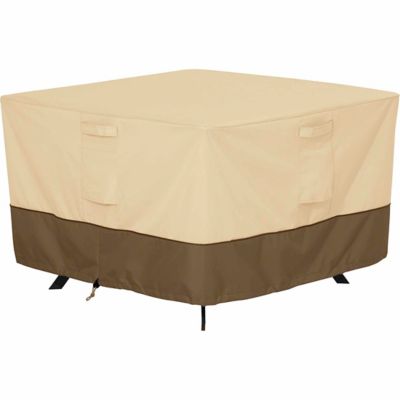
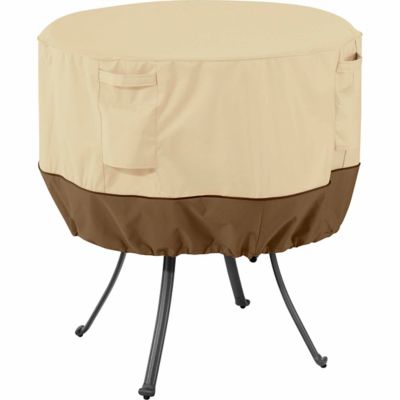
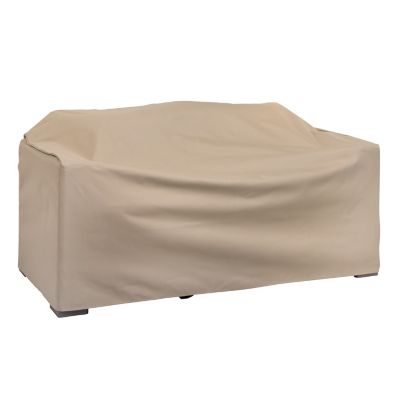
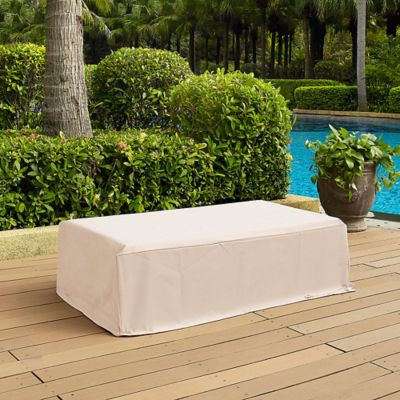
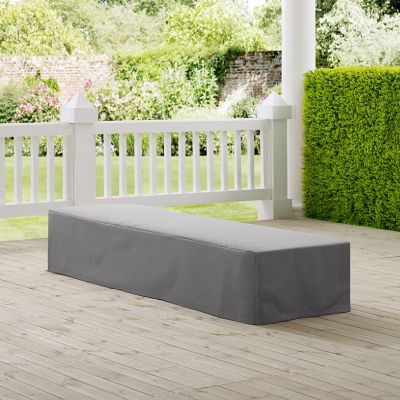
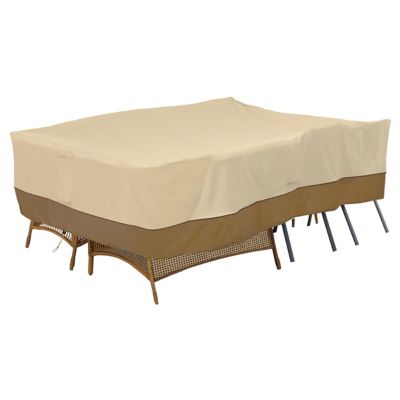
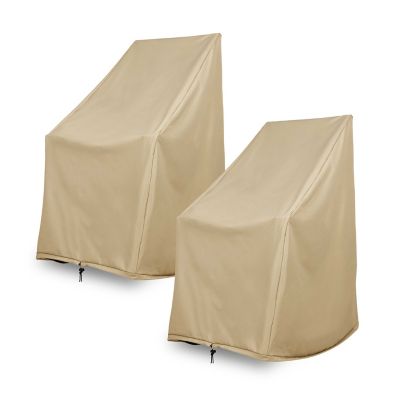
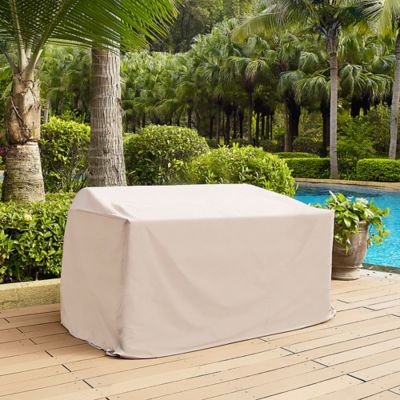
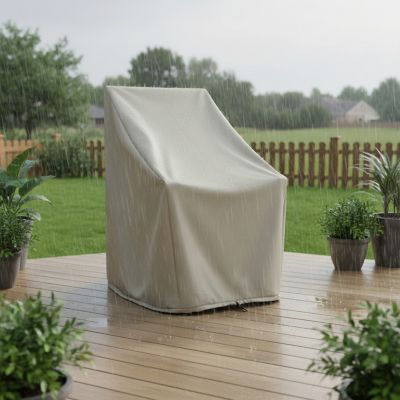
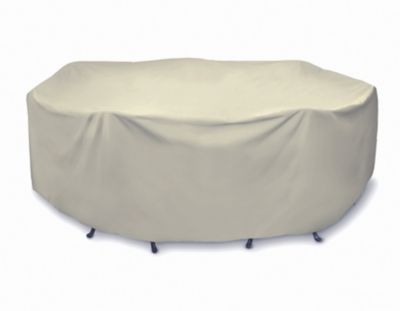
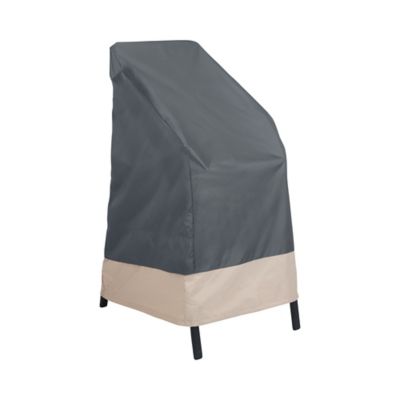
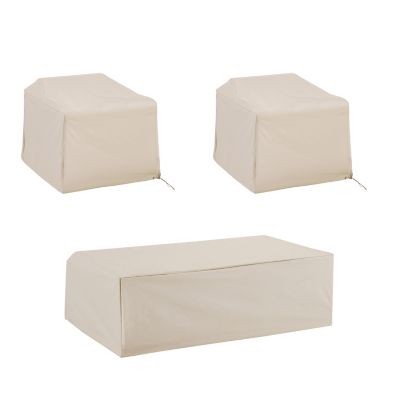
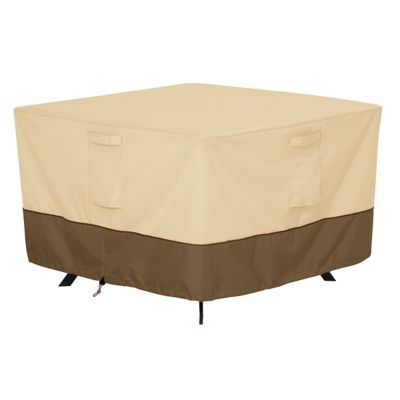
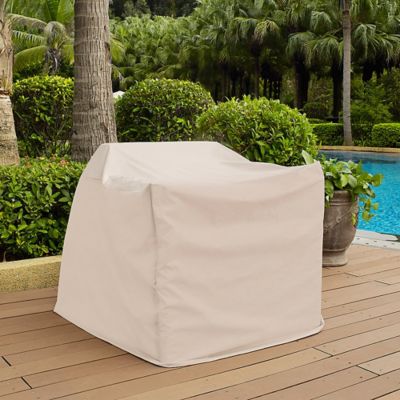
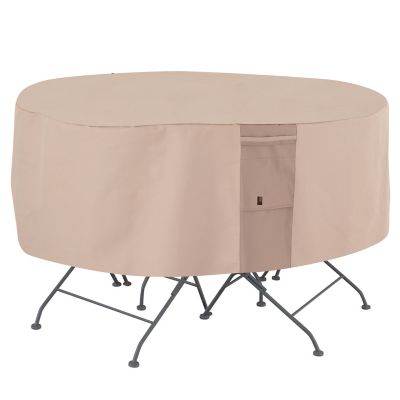
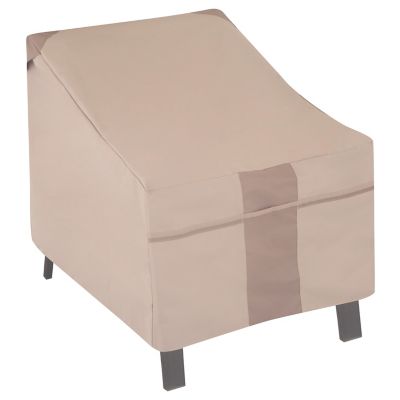
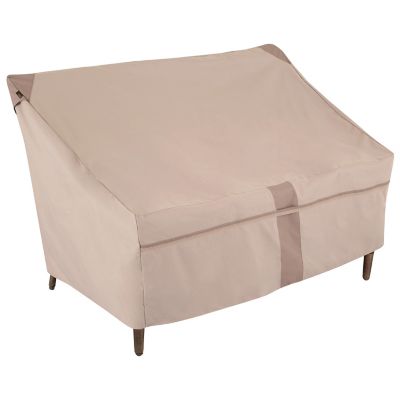
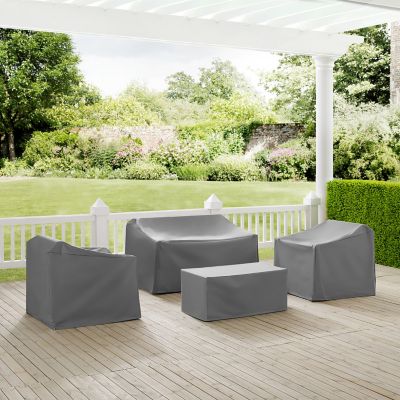
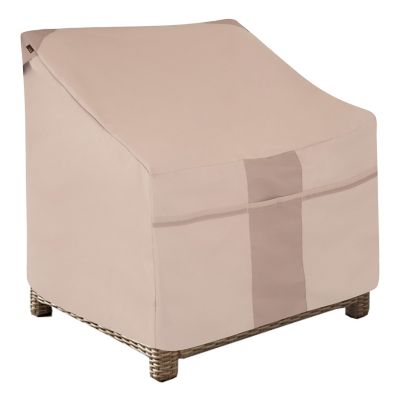
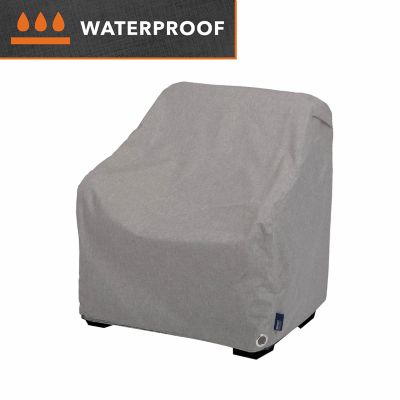
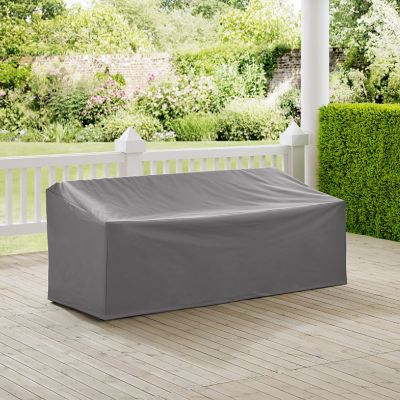
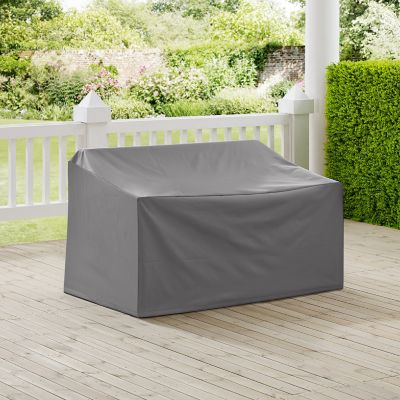
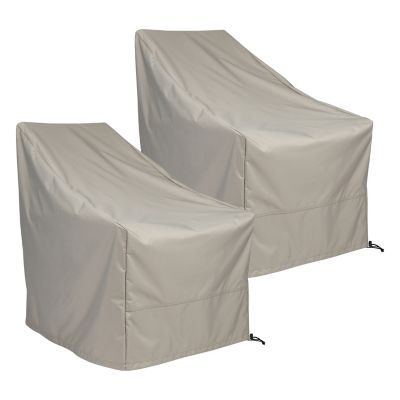
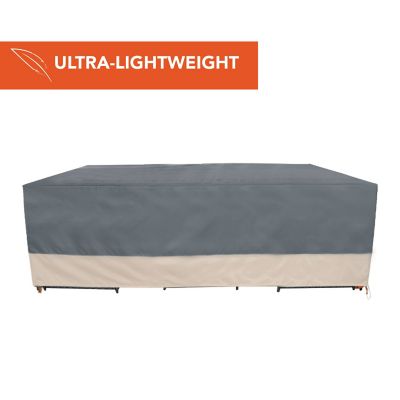
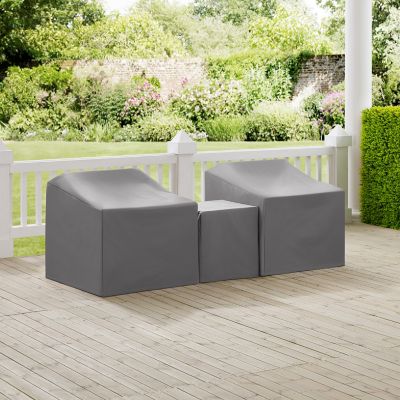
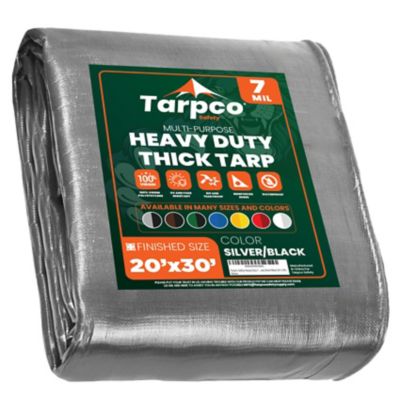
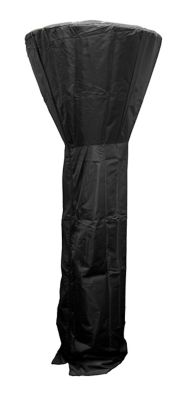
Patio furniture winter covers help keep outdoor seating, tables and other backyard pieces in better shape when cooler weather brings rain, snow, frost, wind and long stretches of damp air. A good cover keeps moisture, dirt, falling leaves and bird droppings off the furniture, while also helping protect finishes from fading, cracking and staining. This can make a real difference for a porch, deck, patio, pool area or cabin where furniture stays outdoors between uses. Even in places that do not see heavy snow, repeated freeze-and-thaw cycles and wet weather can wear down cushions, wicker, wood, metal and plastic. Covers are useful for anyone who wants to spend less time scrubbing outdoor furniture and more time enjoying it when warm weather returns. They also make a practical gift for a new homeowner, a family with a covered porch or a friend who takes pride in a neat, well-kept outdoor space. For added moisture protection, compare these options with
Water Resistant Patio Furniture Covers to find a style that fits the way your furniture is stored and used.
When choosing patio furniture winter covers, start with the size and shape of the pieces you need to protect. Measure the full width, depth and height of a table, chair set, loveseat, grill-side table or other item, including arms and backrests. A cover should have enough room to slip over the furniture without pulling tightly across corners, but an overly loose cover can catch wind and allow rain to blow underneath. Covers made from heavy-duty 600D to 900D polyester or Oxford fabric are often a solid choice for demanding outdoor conditions because the denser material helps resist rips, scuffs and wear from branches, rough edges and repeated handling. A waterproof lining or water-resistant undercoating helps stop rain and melting snow from soaking through, while taped or sealed seams provide another layer of defense at the places where moisture is most likely to enter. Look for adjustable drawstrings, elastic hem cords and buckle or click-close straps that can fasten around furniture legs. Those details help hold the cover in place when gusty weather moves across an open yard or farmstead. Built-in mesh air vents are useful, too. They allow trapped air to escape, reduce ballooning in high winds and help limit condensation that can lead to mildew or musty odors.
Before covering furniture, give every surface a quick cleaning and let it dry completely. Dirt left under a cover can rub against a finish, and trapped moisture can leave marks or encourage mildew during storage. Brush away leaves, rinse off mud and wipe down metal, plastic, wood or resin according to the care instructions for the furniture. Cushions are best stored indoors in a dry garage, shed, mudroom or other protected space whenever possible. If they must remain outside, use a cover designed to fit them properly and avoid packing them away while they are damp. For flat tables and broad, low-sloped surfaces, a small plastic ball, covered block or similar support placed beneath the center of the cover can create a gentle peak, helping rain and melting snow slide off instead of pooling. Make sure the support will not scratch the tabletop or place too much pressure on the cover. Check the furniture after strong winds or heavy precipitation, tighten loose straps and brush off accumulated snow rather than allowing a deep, wet load to sit for long periods. With the right fit, sturdy fabric and secure tie-downs, patio furniture winter covers can help outdoor pieces stay cleaner, drier and ready for another season of porch breakfasts, evening gatherings and quiet time under the open sky.