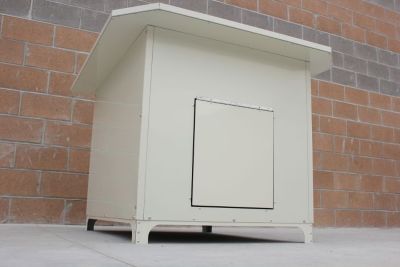
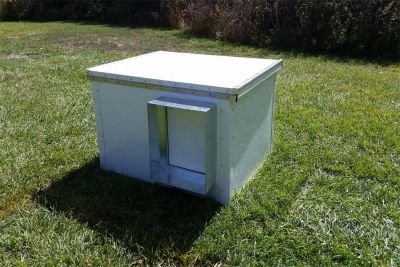
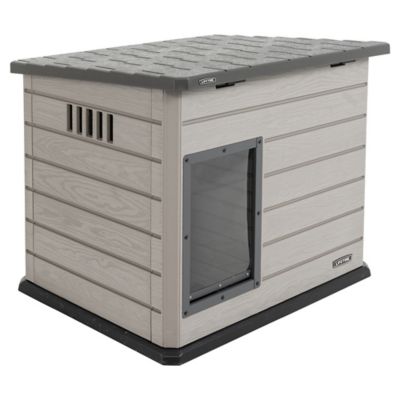
Insulated dog houses for large dogs give bigger companions a sheltered place to settle between trips around the yard, chores by the barn, and time with the family outdoors. Their purpose goes beyond keeping rain off a dog’s back: insulation slows heat transfer through the shelter’s surfaces, helping limit how quickly the inside loses warmth or takes on outside heat. Six-sided insulation means the floor, roof, and all four walls contain an insulating layer. That matters because a thick wall alone leaves other paths for heat loss, especially through a floor sitting close to cold ground. Insulation does not generate heat, though, and no dog house makes every outdoor temperature safe. A good fit matters just as much as the wall construction. Large breeds need enough interior room to stand naturally, turn around, and lie down comfortably without crouching or folding themselves into a corner. A broad-chested dog may need a wider entrance than a taller, leaner dog of the same weight, so a weight rating tells only part of the story. Interior length, width, and height, along with the clear doorway opening, give a better picture of usable space. Exterior measurements can include roof overhangs and thick walls that do not add room inside. An oversized shelter is not automatically more comfortable, either; extra empty space can be harder for a dog’s body warmth to temper in cold conditions. The right proportions leave room for comfortable movement and suitable bedding without creating a wide-open chamber. For a dog that likes to stretch out after walking the fence line, floor length deserves particular attention. For one that sits upright and watches the yard from the doorway, headroom and entrance height matter, too. A low threshold can ease entry for an older dog, while a raised base helps separate the resting area from damp ground. Those details make size a matter of the dog’s build and habits, not just the word “large” on a label.
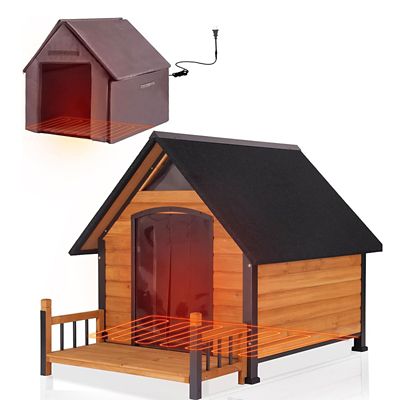
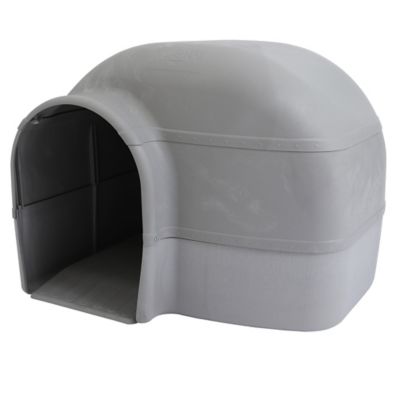
Materials and construction shape how an insulated outdoor dog house handles everyday life around a busy property. Wood shelters can have a substantial feel, with insulated wall cavities and finishes that help shed moisture, but exposed edges and exterior surfaces need regular attention according to the care directions. Molded plastic surfaces are often straightforward to wipe clean, while designs with double walls or separate insulating layers can help reduce heat transfer. Plastic thickness, panel connections, and protection around the entrance all affect how the structure stands up to scratching, bumps, and repeated entry. Metal framing or doorway guards can help protect vulnerable edges, but metal reinforcement alone does not provide insulation or make a shelter chew-proof. Insulating foam and other interior fill should stay enclosed where teeth and claws cannot reach them. Tight-fitting panels, smooth interior surfaces, and hardware that stays out of the dog’s resting space help make the house comfortable from the floor up. The roof has its own job to do: a slope encourages water to run off, an overhang offers some protection around the entrance, and sound seams help keep rain from reaching the bedding. A raised floor can reduce contact with wet soil, though it still needs a stable, level spot where puddles do not collect underneath. On a sloping yard or beside a well-traveled barn path, that footing deserves as much attention as the shelter itself. Door placement can limit direct wind exposure, and a compatible flexible flap may help reduce drafts when the dog is comfortable passing through it. Ventilation remains important even in an insulated structure because trapped moisture from breathing and damp coats can leave the interior clammy. A sheltered entrance and adequate airflow serve different purposes; sealing every opening is not the goal. Roof access or removable panels can also make it easier to reach corners, inspect seams, and check the floor without having to crawl through a large dog’s doorway.
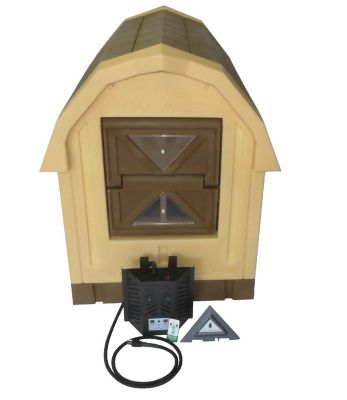
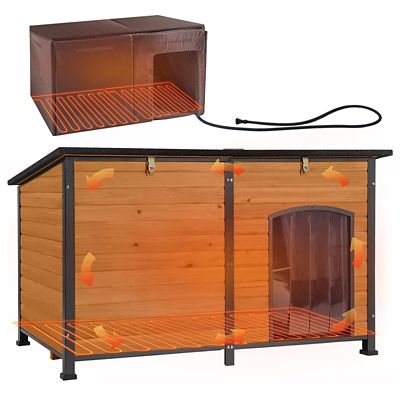
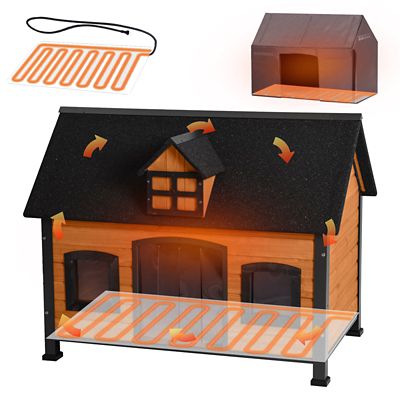
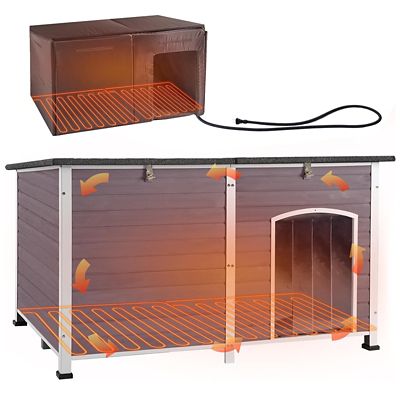
Everyday comfort depends on keeping the inside dry, the entrance clear, and the shelter suited to the dog spending time there. Bedding needs to fit the floor without bunching against the doorway or blocking ventilation, and any material that becomes damp needs prompt attention. A muddy coat after a walk through the pasture can carry plenty of moisture into a small resting space. Washable bedding, accessible floor sections, and surfaces that tolerate the cleaning method listed by the manufacturer make routine upkeep less of a chore. Regular checks around roof joints, door edges, floor supports, and enclosed insulation help catch leaks, loose hardware, splinters, or chewing damage before they become bigger problems. After cleaning, the interior needs time to dry before bedding goes back in. Placement also affects comfort throughout the year: shelter from driving rain and wind matters, while shade and airflow help limit heat buildup in sunny conditions. Insulation does not turn a sunbaked enclosure into a cool retreat. Any heating accessory must be specifically intended for that setting, compatible with the shelter, and installed according to its directions, with electrical connections protected from moisture and cords beyond chewing reach. Extra heat is not a substitute for checking on the dog or bringing them inside when conditions become unsafe. Puppies, senior dogs, dogs with short coats, and those with health concerns may need more protection than a healthy, thick-coated adult; a veterinarian can help set appropriate outdoor limits.
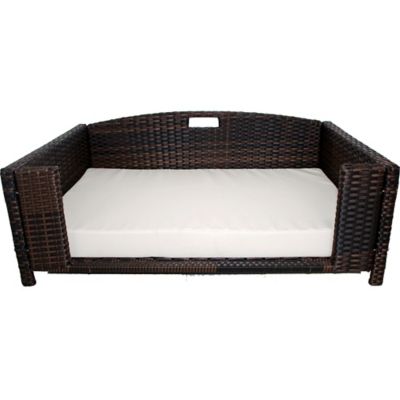
Enclosed Dog Beds For Large Dogs offer a separate option for a tucked-away indoor resting spot, rather than replacing an outdoor shelter built for weather exposure. Whether a dog takes short breaks outside while livestock get fed or prefers watching the backyard from a sheltered doorway, the house should remain an easy-to-enter resting space with fresh water nearby and regular human attention. Severe cold, dangerous heat, or signs of distress call for a safe indoor space, not simply another layer of bedding.