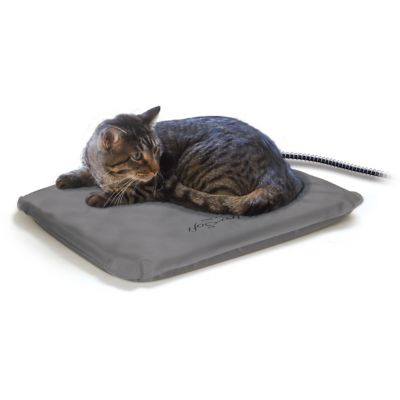
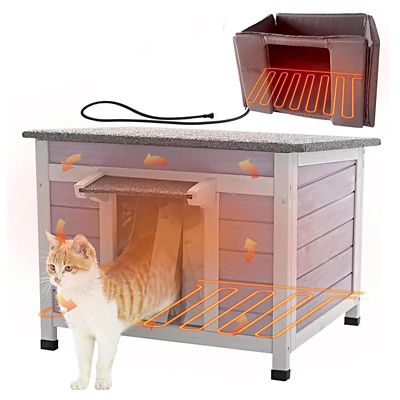
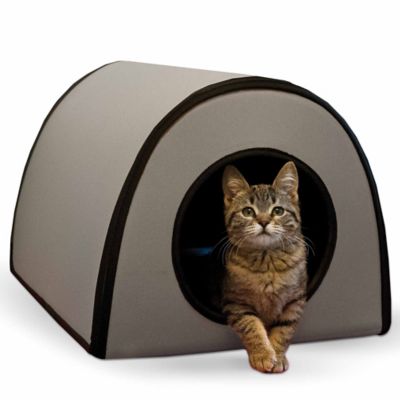
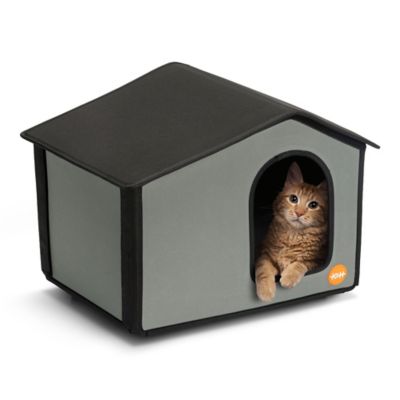
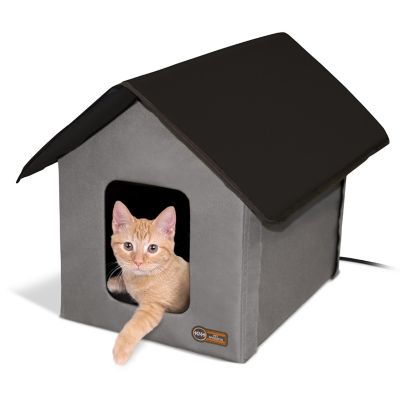
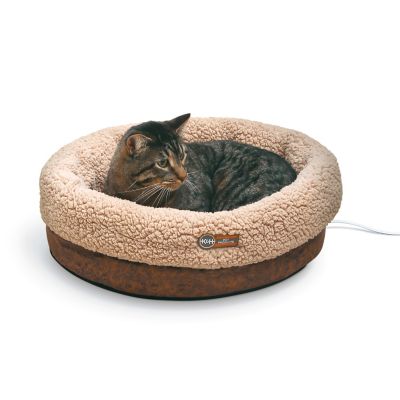
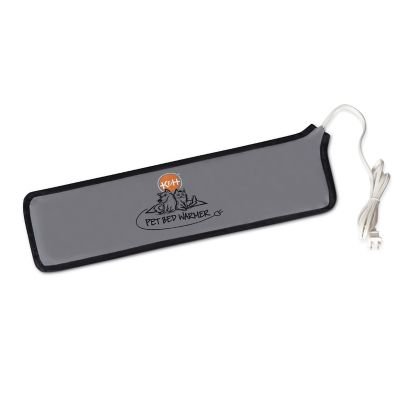
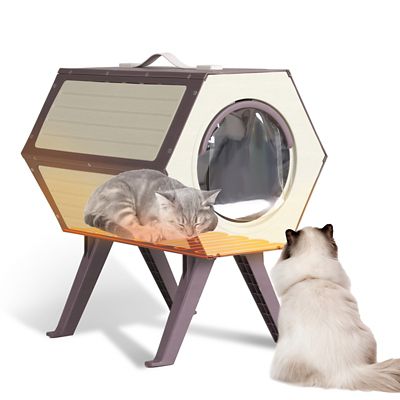
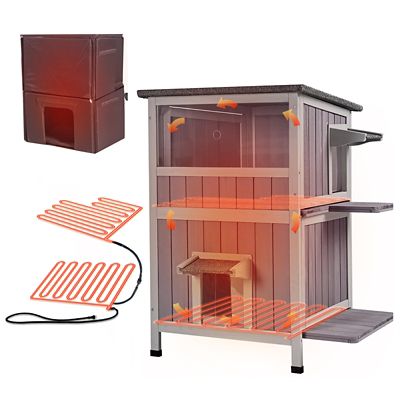
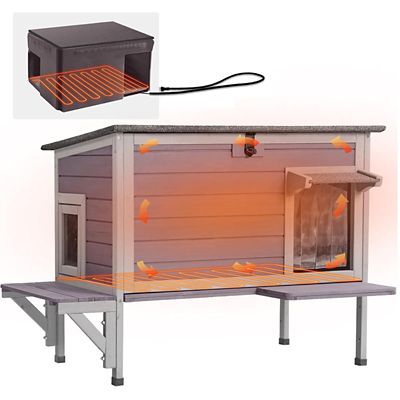
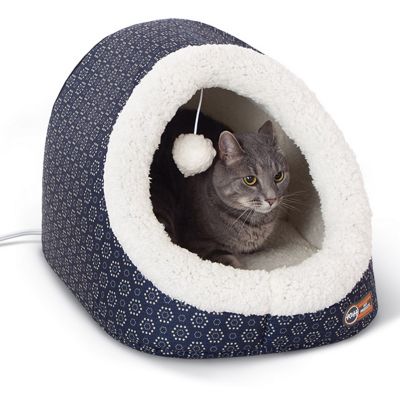
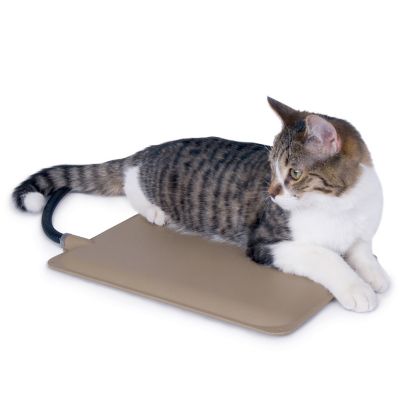
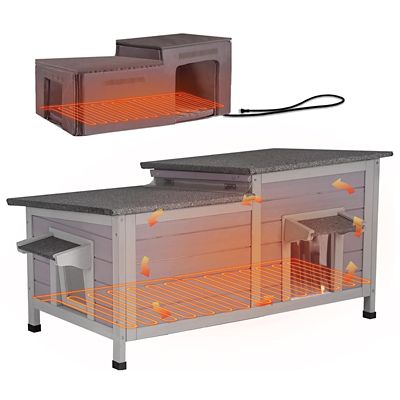
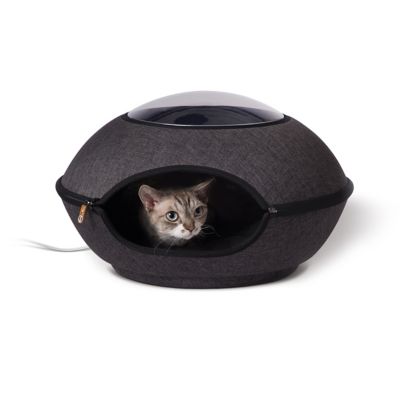
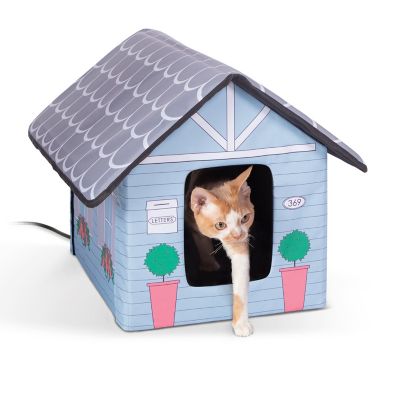
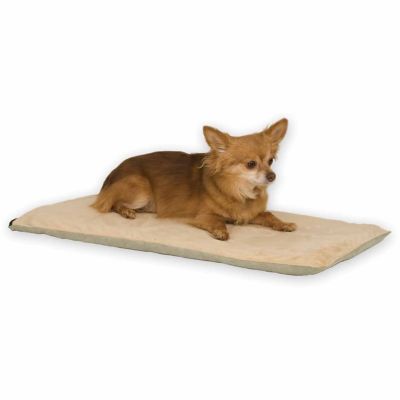
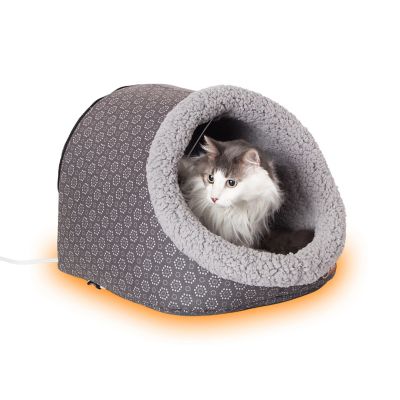
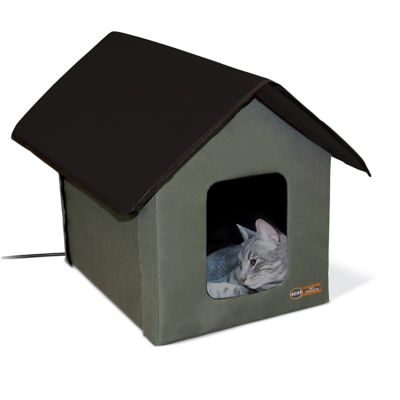
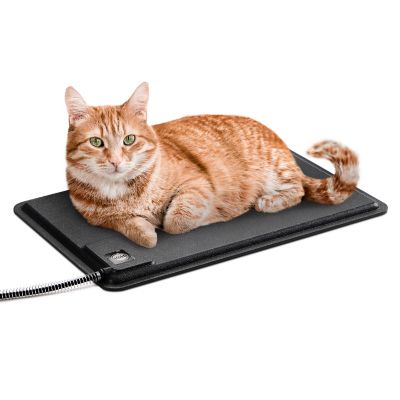
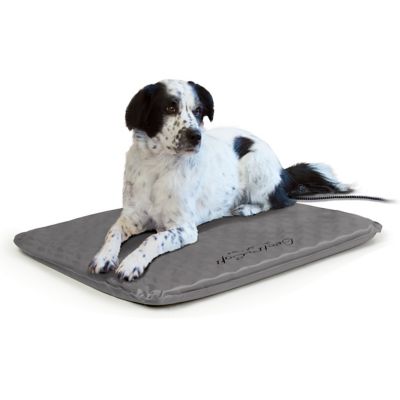
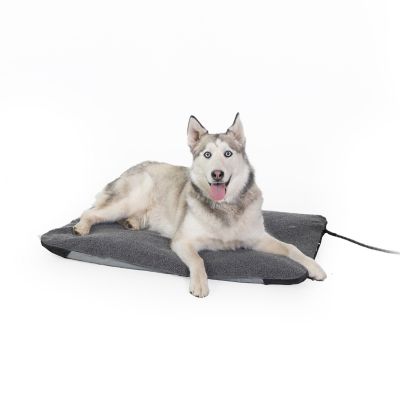
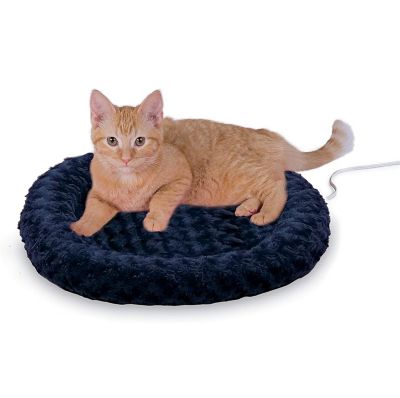
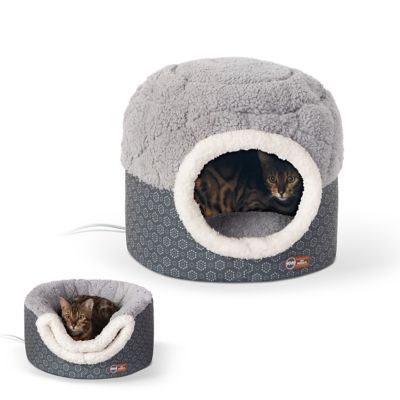
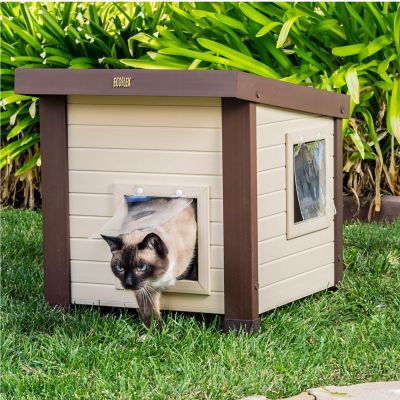
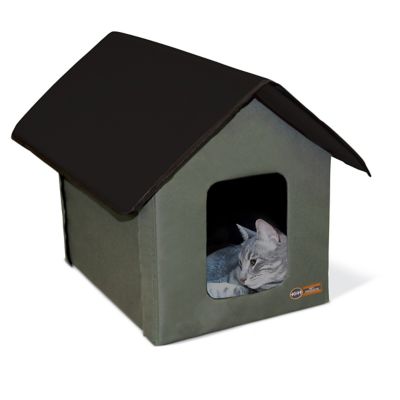
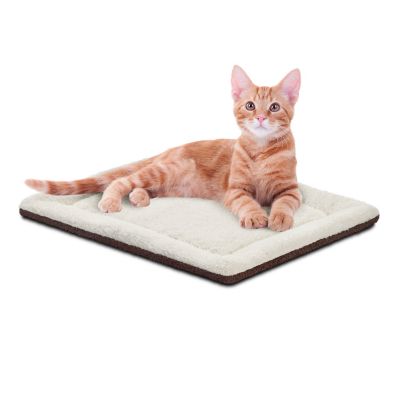
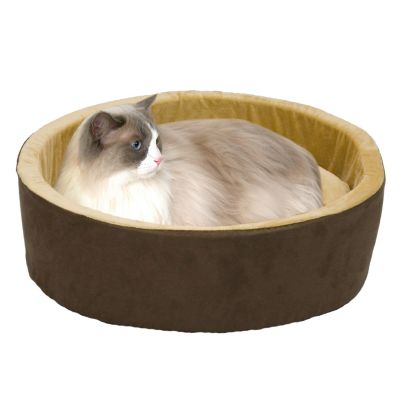
Outdoor heated cat beds give outdoor cats a warm, sheltered place to rest when the air turns cold and the ground feels damp. They can be helpful for barn cats, porch cats, community cats, and pets that spend part of the day outside, especially in rural areas where a cat may patrol sheds, barns, workshops, or outbuildings before settling down for the night. A warm resting spot can also make a covered porch, garage, mudroom, or enclosed entryway more inviting during the cooler months. When choosing a bed, start by thinking about where it will sit and how many cats may use it. A single cat may be comfortable on a heated mat or in a compact shelter, while several cats may need a larger enclosed space with room to curl up without crowding. Look for a design that suits the setting, whether that means a soft-sided shelter that can be moved when needed, a structured house that offers more protection from wind, or a separate heated pad that fits inside a shelter you already have. Raised sides and an enclosed top can help block drafts, while a low entry makes it easier for older cats or cats with stiff joints to step inside. For outdoor use, the bed should be placed beneath a roof or inside a dry shelter rather than left in an open yard. A porch, shed, garage, barn aisle, or covered cat house can help shield the bed from rain, snow, and blowing debris. Keep the sleeping area off wet ground, away from standing water, and positioned where the cat can come and go without being trapped. A quiet spot near a familiar route is often best; cats tend to return to places where they feel secure, and a bed that sits near a barn door or along the edge of a porch may become part of their regular routine.
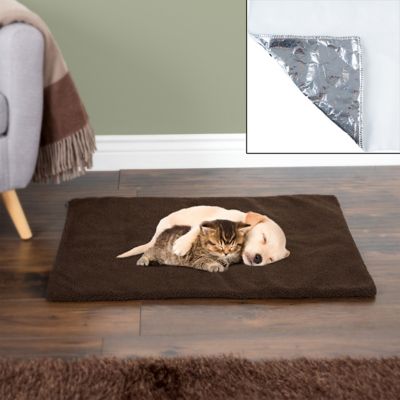
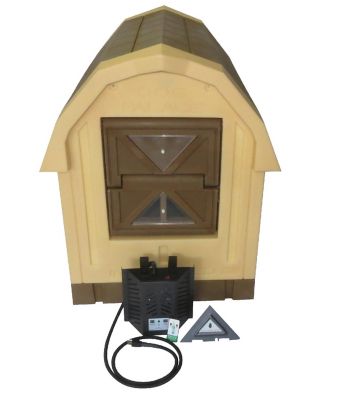
Heating features vary, so read the product details closely before setting up a bed. Some beds use a plug-in heating pad that warms when connected to power, while others use a self-warming layer that reflects a cat’s body heat without an outlet. Plug-in models may offer steady warmth and can be useful in a sheltered area near a power source, but the cord needs careful attention. A steel-wrapped or chew-resistant cord can help limit damage from curious pets and wildlife, yet every cord should still be checked often for fraying, bite marks, cracked insulation, or loose connections. Use an outdoor-rated extension cord only when needed, keep connections elevated and protected from moisture, and follow the product’s instructions for placement and operation. Never run a plug or connection through water, snow, mud, or a spot where it can be stepped on or pulled loose. A heated bed should feel comfortably warm rather than hot, and cats must be able to leave the bed whenever they choose. Check the sleeping surface with your hand before use, pay attention to any signs of overheating, and stop using the bed if the pad, cord, or cover shows damage. Many outdoor cats prefer a bed that holds warmth without making the entire shelter hot, especially when they have room to move to a cooler area. For shelters with insulation, straw is generally a better filler than blankets or towels. Straw helps repel moisture and allows air to move through the bedding, while fabric can absorb condensation and become cold when damp. Replace wet or soiled straw and keep the shelter tidy without removing the dry, familiar scent that helps a cat recognize it as a safe place. Avoid placing heated beds directly against a wall of the shelter if doing so blocks an exit. Two openings can give a wary cat another way out if a dog, raccoon, or another cat approaches, and clear door flaps may help reduce drafts while keeping the entry visible.
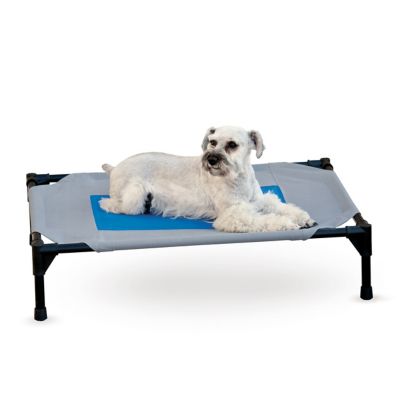
Outdoor heated cat beds can be a thoughtful gift for someone who cares for a barn cat, a neighborhood stray, or a small group of community cats. They also fit well into a practical winter setup for a new farm, a home with a detached garage, or a property where cats help keep the feed room free of rodents. A gift recipient may appreciate a bed that folds for storage, a cover that can be cleaned, a removable heating pad, or a timer that limits operation during selected hours. Before buying, consider the cat’s habits and the recipient’s setup rather than choosing by appearance alone. A shy cat may prefer a darker, enclosed shelter with two exits, while a social house cat that naps on the porch may choose an open mat. Measure the intended space, confirm that the power cord can reach a protected outlet, and check the listed wattage so the bed works with the available electrical setup. Look for covers that can be removed for washing, surfaces that do not hold dampness, and openings large enough for the cat to enter without squeezing. If the bed will share a covered area with feeding supplies, keep food and water separate from the sleeping space to help prevent spills and pests. A dry shelter with a thick base, clean straw, and a properly positioned heated bed can make a plain corner of a barn or porch feel like a snug little hideaway. For dogs that also spend time outside, a raised sleeping surface can help keep them above cold ground and wet grass; browse
Outdoor Raised Dog Beds for another option. With the right placement, regular checks, and a setup that matches the cat’s size and habits, an outdoor heated bed can provide a dependable place to rest as evenings grow colder and the first frosty mornings arrive.