Outdoor Fans For Patio Comfort
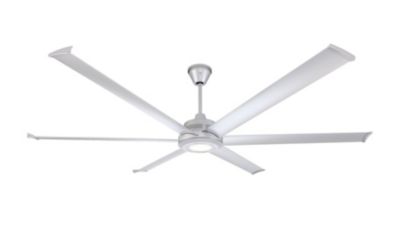
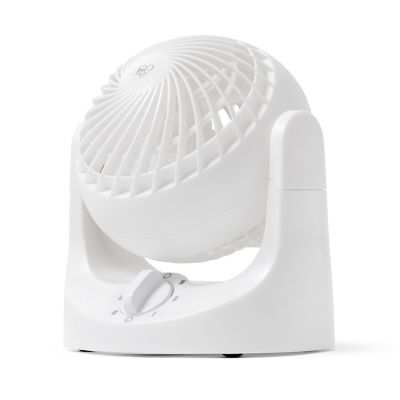
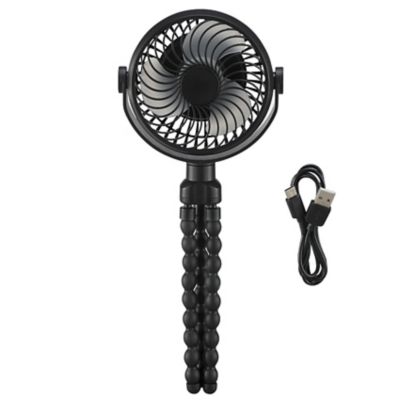
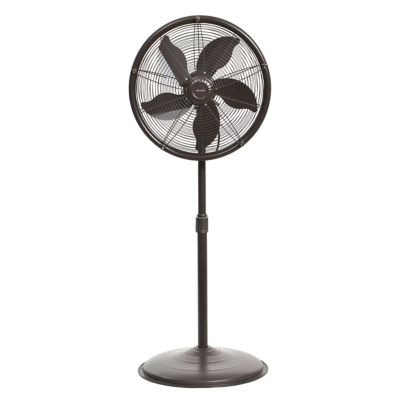
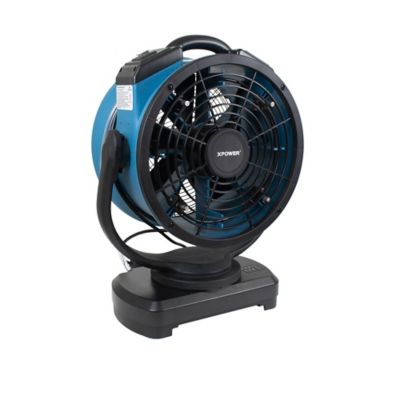
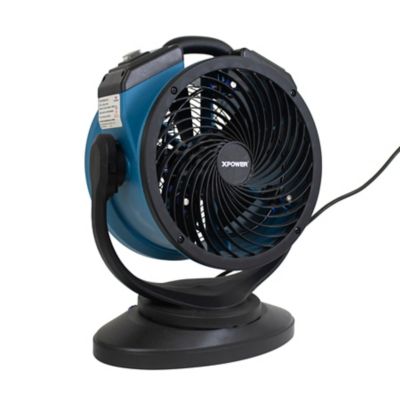
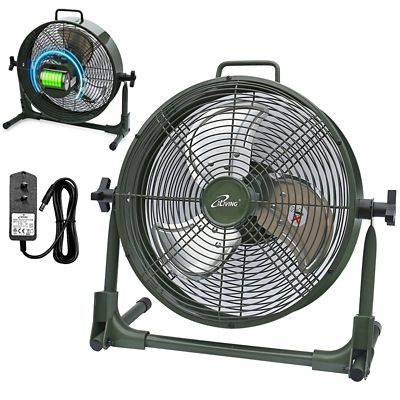
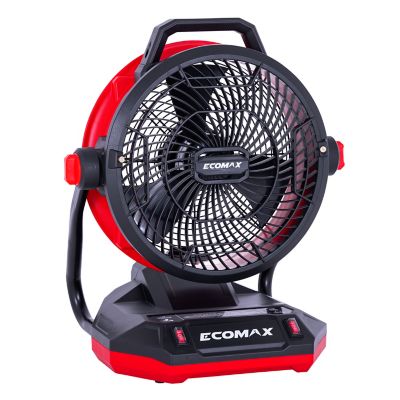
Outdoor Fans For Patio Comfort are a must-have when you want to keep your outdoor spaces cool and breezy. Whether you're relaxing with family or hosting friends, the right fan helps make your porch, deck, or patio a whole lot more enjoyable. From backyard barbecues to quiet evenings under the stars, having extra airflow can make all the difference. Explore options that fit your style and space so you can spend more time outside, no matter how hot it gets.
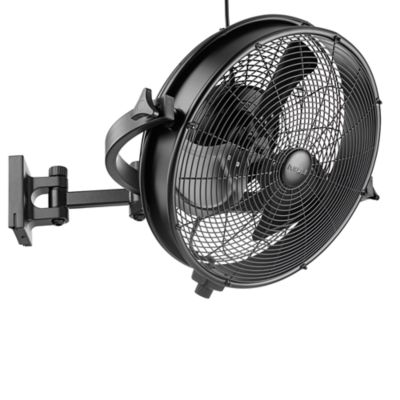
$239
.99
Sale Was $299.99 Save $60.00 (20%)
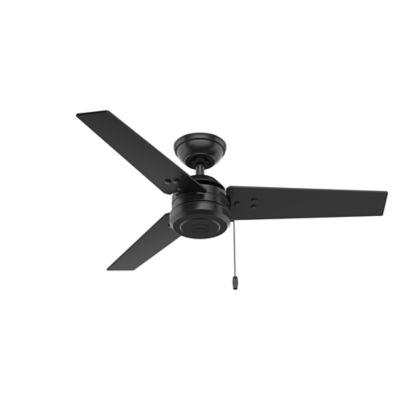
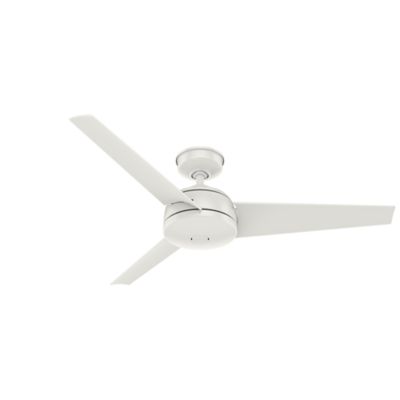
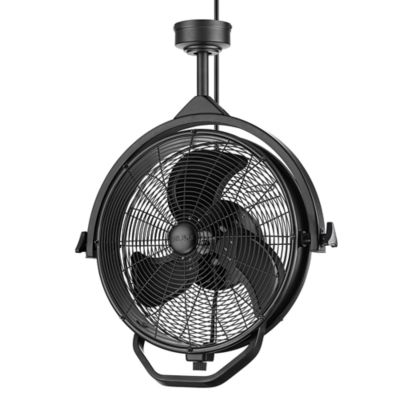
$199
.99
Sale Was $249.99 Save $50.00 (20%)
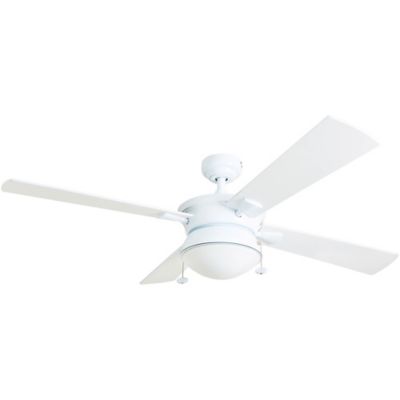
$119
.99
Sale Was $149.99 Save $30.00 (20%)
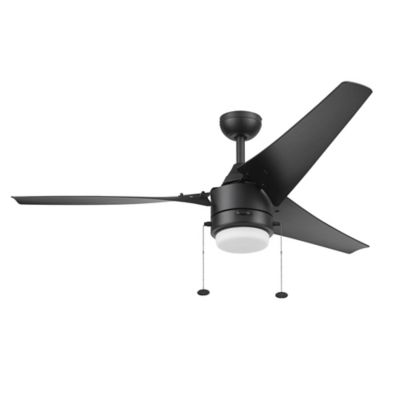
$159
.99
Sale Was $199.99 Save $40.00 (20%)
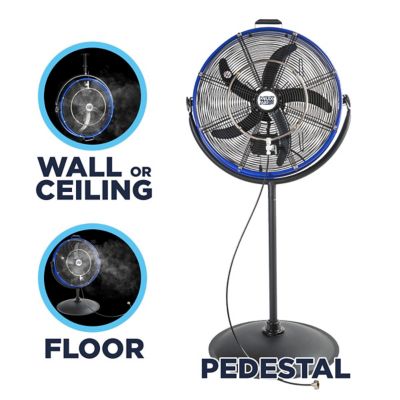

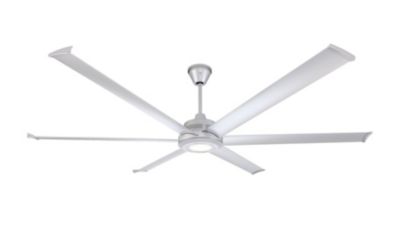
$1,657
.50
Sale Was $1,950.99 Save $293.49 (15%)
$1,572
.50
Sale Was $1,850.99 Save $278.49 (15%)
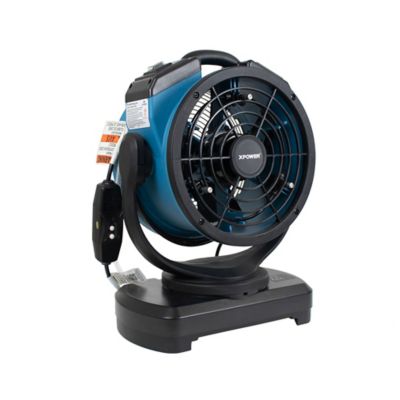
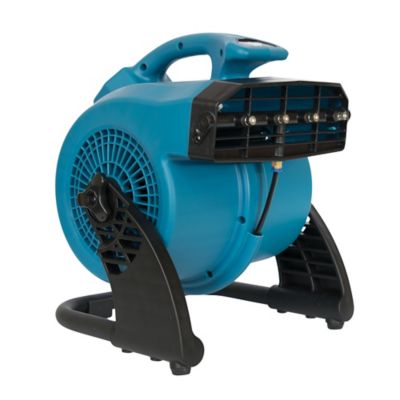
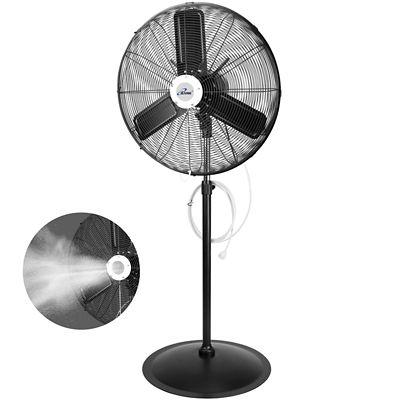
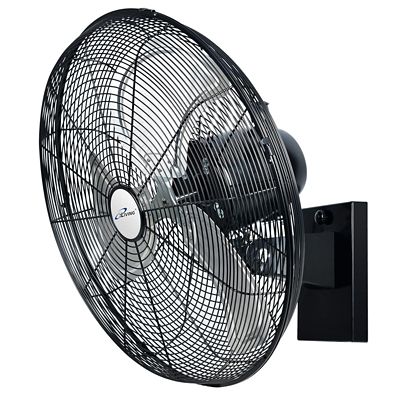

Best Of FAQ
What features should I look for in an outdoor fan for my patio?
When choosing an outdoor fan for your patio, consider features such as weather-resistant materials, adjustable speed settings, oscillation capability, and ease of installation. Some models also offer remote controls or built-in lighting for added convenience.
Can outdoor fans be placed in both covered and uncovered patio areas?
Yes, many outdoor fans are designed to withstand exposure to moisture and varying weather conditions, making them suitable for both covered and uncovered patios. Always check the manufacturer's recommendations to ensure the fan is rated for your specific environment.
How do I maintain an outdoor fan on my patio?
To maintain your outdoor fan, regularly clean the blades and housing with a damp cloth to remove dust and debris. Periodically check for loose screws or mounting hardware and tighten as needed. It's also a good idea to inspect electrical connections if the fan is hardwired.
Are there different types of outdoor fans available for patios?
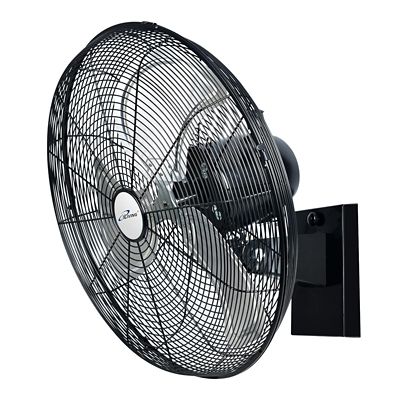
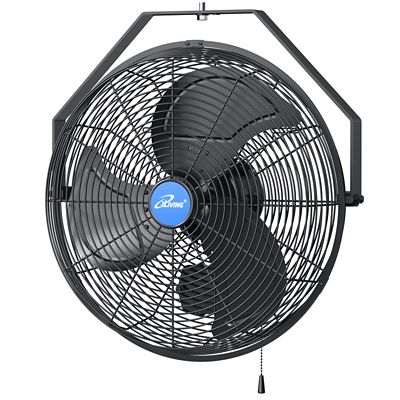
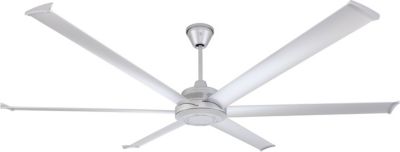
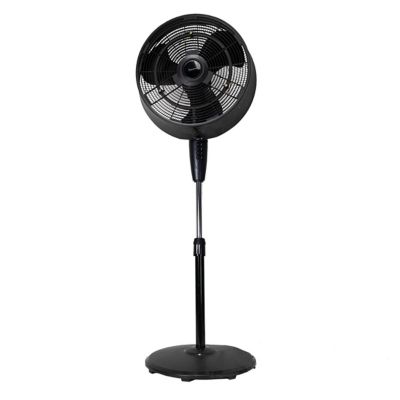
Yes, there are several types of outdoor fans including ceiling-mounted fans, wall-mounted fans, pedestal fans, and misting fans. Each type offers specific benefits depending on your patio layout and cooling needs.
Do outdoor fans require special installation compared to indoor fans?
Outdoor fans often require installation that accounts for exposure to moisture and wind. This may involve using weatherproof electrical boxes or mounting hardware designed for exterior use. Always follow the manufacturer's instructions or consult a professional installer if needed.
Best Sellers

-
"This fan was a great addition to my outdoor space! It just works! It runs so smooth and consistent"
-
"we think its the best for those hot days. Looking forward to summer with our New Air Fan Dave"
-
"I love this portable neck fan because it's easy to use, folds up for easy storage, doesn't need batteries"
-
"It looks great but the air flow and multiple ways you can set it to blow the air is so great"
-
"Got a great deal on oil a couple weeks ago... 5 qt 5w/20 & 5 qt 5w/30 for $11 each"