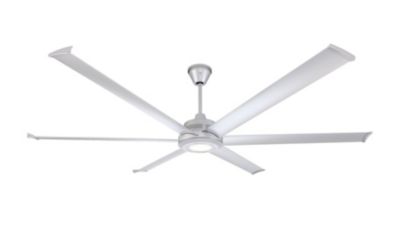
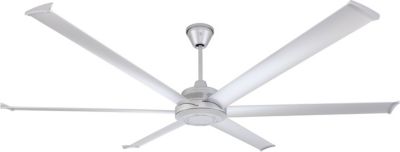
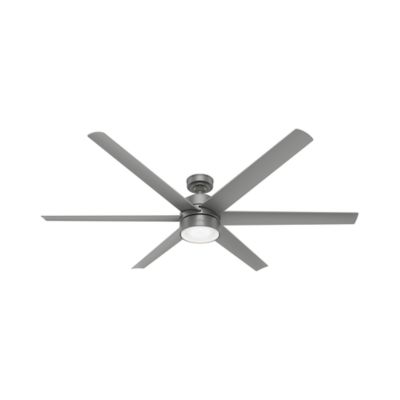
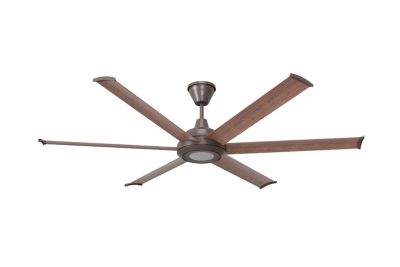
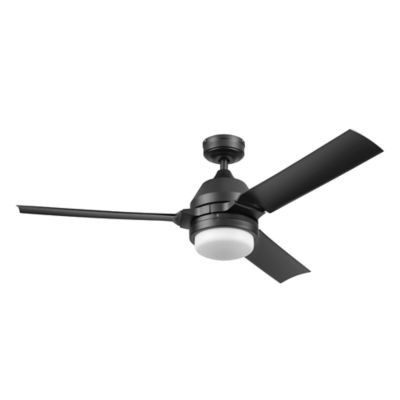
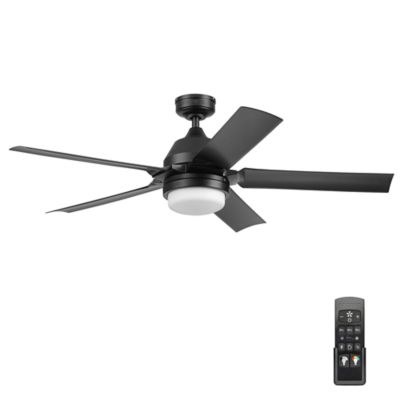
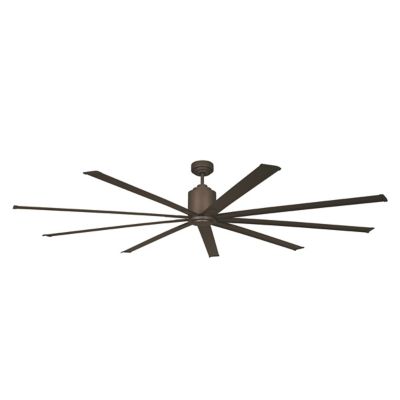
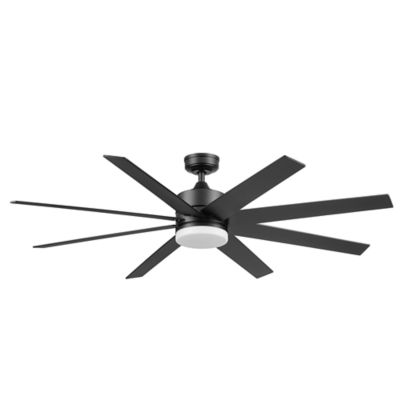
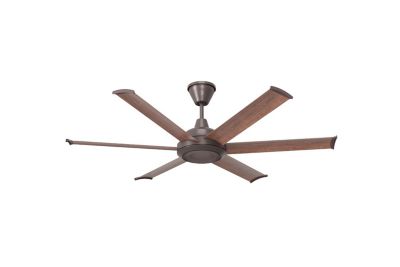
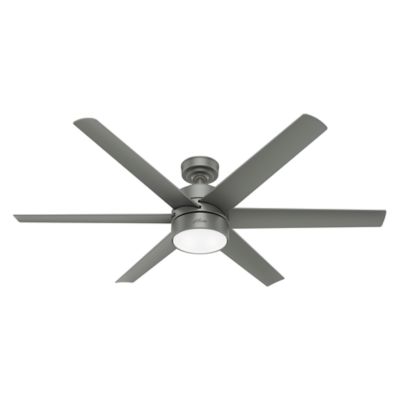
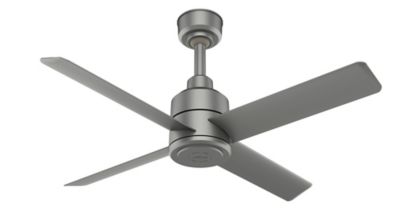
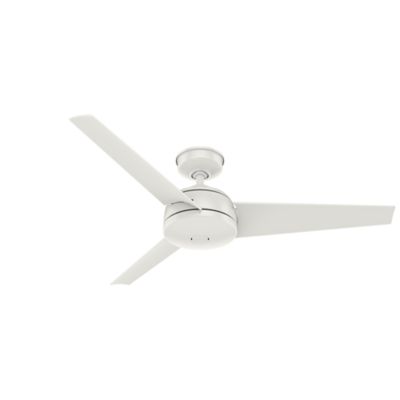
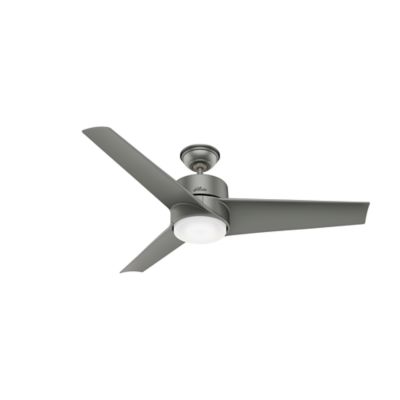
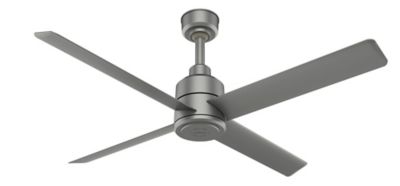
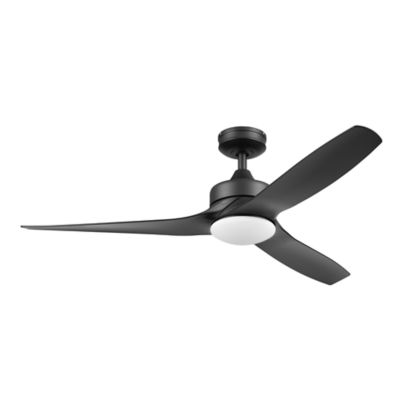
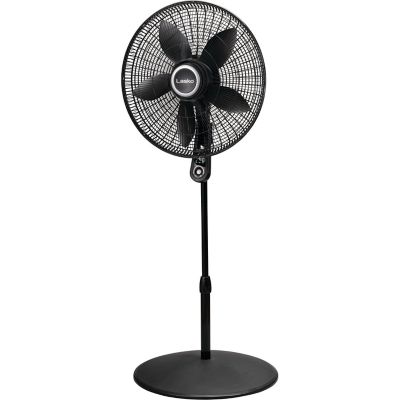
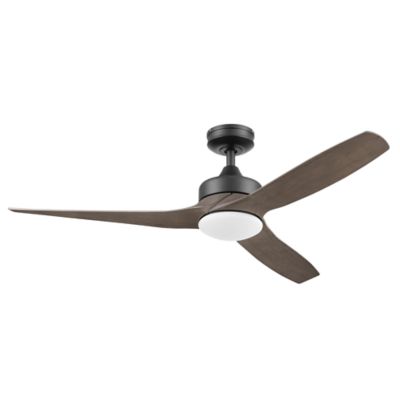
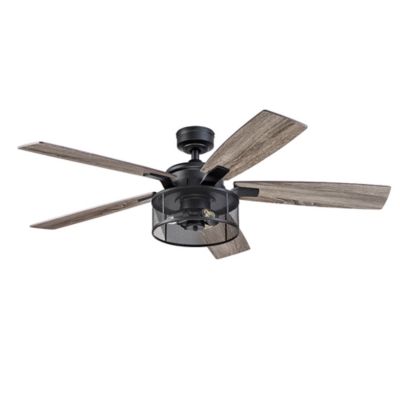
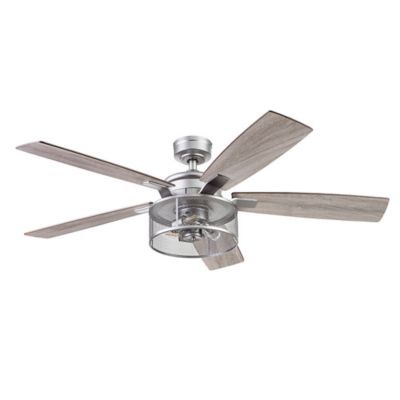
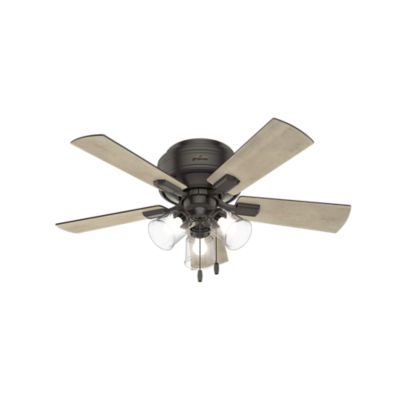
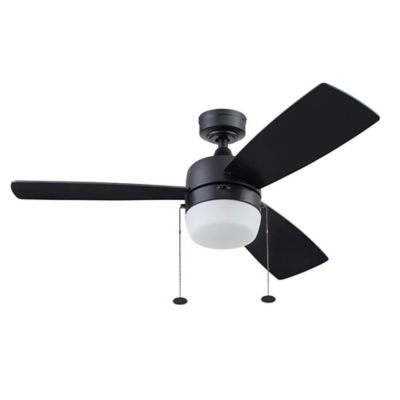
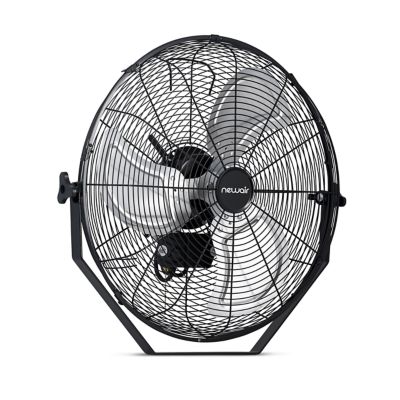
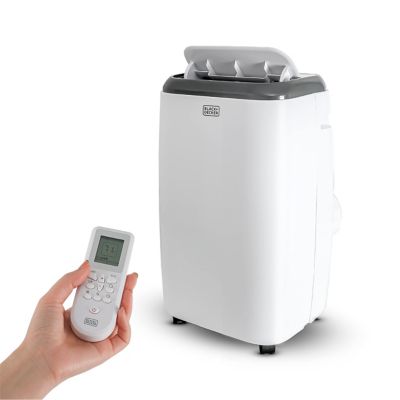
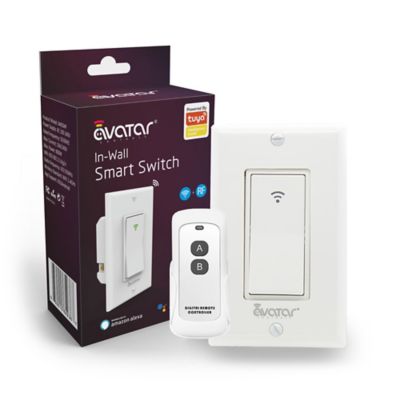
Remote control outdoor fans move air across porches, patios and other outdoor spaces while letting you adjust settings without walking over to the fan or reaching for a pull chain. Depending on the design, a remote may control fan speed, an integrated light, oscillation or a shutoff timer. That convenience comes in handy when supper is on the porch table, company has settled into the chairs or a ceiling fan hangs well above easy reach. The main considerations are the fan’s outdoor exposure rating, mounting style, airflow coverage and control features. Outdoor ceiling fans spread air beneath their blades and keep the floor clear, making them a practical match for covered seating areas with suitable overhead support. Wall-mounted fans leave room around benches and tables while directing a breeze toward a particular spot. Portable floor and pedestal styles offer more flexibility where permanent installation is not a good fit, provided their outdoor rating and electrical requirements suit the location. Fan size should match the space where people actually gather, not just the overall dimensions of the porch or patio. A long, narrow porch may benefit from airflow at more than one seating area, while a compact covered patio may need only a single well-placed fan. Blade span helps describe a ceiling fan’s reach, but it does not tell the whole story. Airflow, often listed in cubic feet per minute, gives another useful comparison alongside speed settings, mounting height and the shape of the space. A higher airflow number is not automatically the better fit for every chair or table. Several speed settings allow a gentler breeze around meals and stronger air movement when that feels more comfortable. For a reading chair, conversation corner or outdoor dining spot, sound levels matter, too. A fan that suits the space should move air where it is wanted without making everyone raise their voices or sending napkins skittering across the table.
Outdoor exposure ratings matter just as much as the remote itself. Damp-rated fans are intended for sheltered locations where moisture may be present but direct rain cannot reach the fan. Wet-rated fans are designed for direct water exposure within the limits described by the manufacturer. An open pergola, a roofed porch and a screened sitting area can present very different conditions, so “outdoor” alone is not enough information to settle the choice. Wind-driven rain can reach beneath a roof edge, and the location of the motor, electrical connections and controls all deserves attention. A wet-rated fan does not automatically mean its handheld remote can stay out in the rain. Materials and finishes also play a part in how a fan holds up. Coated metal housings, corrosion-resistant hardware and moisture-resistant blade materials can help address outdoor exposure, although the care requirements vary by construction. Molded polymer blades and certain composite blades are made to handle moisture without the same concerns as indoor-only blade materials. Powder-coated metal can provide a protective surface, but scratches or damaged finishes may leave the underlying metal exposed. Near salt air, a finish specifically intended for that setting matters more than appearance alone. Fit includes the mounting structure as well as the fan’s dimensions. Ceiling fans need a fan-rated electrical box and structural support appropriate for their weight and movement; an ordinary light-fixture box may not be suitable. Ceiling height, roof slope and any extension rod must also match the manufacturer’s installation requirements. Blade clearance from the floor, walls, beams and nearby doors helps keep the setup safe and the airflow unobstructed. Wall-mounted models likewise need secure attachment to a suitable surface, not just a convenient patch of siding. For corded fans, outdoor-rated electrical connections and GFCI protection are important parts of the setup. A qualified electrician can address wiring and mounting requirements before a fan becomes part of the porch routine.
The best remote arrangement is one that fits how the space gets enjoyed day after day. Clear buttons and distinct speed settings make small adjustments easier from a porch swing or a chair beside the grill. Some controls work through radio signals, while others require a clearer line of sight; operating range and pairing instructions depend on the fan. Where several remote-controlled fans share a space, separate pairing or channel settings may help prevent one handset from changing another fan unintentionally. Ceiling fans with integrated lighting may offer separate fan and light controls, and dimming depends on the fixture, lamp and control system. A timer can be handy for a sitting area that only sees occasional activity, while a designated indoor spot for the remote keeps it from disappearing beneath cushions or sitting in moisture overnight. Some fans require power at the wall switch for the remote receiver to respond, and not every fan motor works with a standard wall-mounted speed controller. Those details are worth matching to the existing electrical setup. Routine care is straightforward when the fan is accessible and the instructions are close at hand. Disconnect power before cleaning, wipe blades and housings as directed, and keep motor openings free of dust and debris without soaking electrical parts. Uneven dirt buildup can contribute to wobble, while loose mounting hardware or a damaged blade calls for attention rather than continued operation. Portable models also need a stable, level spot with cords kept away from walking paths and sharp edges. For anyone comparing
Outdoor Fans, remote control adds convenience, but outdoor suitability, secure placement and useful airflow remain the foundation. Whether the setting is a farmhouse porch, a backyard pavilion or a sitting area beside the shop, the right combination keeps adjustments close at hand and leaves more room to settle in after chores.