Lawn mower engine parts help keep a familiar machine ready for the grass around the house, the strip beside the barn and the open ground inside the fence. The right replacement starts with the engine’s identity, not just the mower’s name or the way an old part looks. Model, type and code numbers help distinguish engine versions that may share a similar housing but call for different components. Depending on the engine, those numbers may appear on the blower housing or metal shroud, on an overhead valve cover, or in an area near the muffler or spark plug. Their location varies, so the engine manual is a helpful reference when markings are hard to spot. The mower’s model number matters for the machine itself, but it does not always provide enough information to match an engine component. Even engines with the same displacement can have different fuel systems, starting arrangements or mounting details. A manufacturer’s illustrated parts diagram connects those identifying numbers with the correct component and shows how neighboring pieces fit together. That matters when a small gasket, spacer or spring separates a straightforward replacement from a part that will not seat properly. For homeowners tending a modest yard, acreage owners keeping several mowing areas in shape and folks responsible for shared grounds, fit is more useful than a close visual match. Bolt spacing, shaft dimensions, connector shape and gasket openings all deserve attention. Materials matter, too: steel hardware, molded housings, filter media and flexible seals each serve a different purpose, and their suitability depends on the application. A part that looks sturdy on the bench still needs the right dimensions and specifications for the engine. Keeping a clear record of the engine identifiers and the replacement part number also makes later maintenance less of a hunt through faded labels and paperwork. A readable photo of those markings can be especially handy when the mower stays out in the shed and the parts search happens elsewhere.
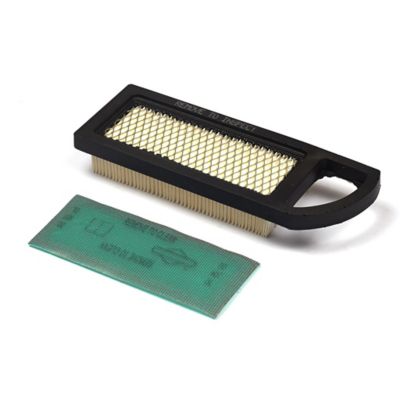
Air intake, ignition, fuel delivery and lubrication components handle different jobs, so replacement needs depend on the engine’s design and condition. Air filters keep grass dust and other debris out of the intake, but their construction varies. Pleated paper elements, foam elements and combinations with a separate precleaner are not interchangeable simply because they occupy roughly the same space. The sealing edge and housing fit matter as much as the filter’s overall size; a gap around the edge can let dirt bypass the filtering material. Paper elements generally are not meant for washing, while some foam elements have cleaning and oiling requirements specified by the manufacturer. Spark plugs also need more than a matching appearance. Thread size, reach, seat style, heat range and electrode gap all affect suitability, and the engine’s specified plug information takes priority over a side-by-side comparison. Fuel-system parts bring another set of fit considerations. A hose needs the proper inside diameter and a material intended for the fuel application, while seals and diaphragms need the right shape and flexibility to do their job. Cracked rubber, flattened sealing surfaces and hardened flexible pieces can interfere with fuel delivery or allow leaks. Carburetor-related components may differ across engine versions, including versions that look nearly identical from the outside. Rough running, hard starting or an uneven idle can have several causes, so those symptoms alone do not establish which replacement is needed. The same care applies to lubrication parts: some engines have a replaceable oil filter and others do not, and oil specifications come from the engine manual rather than a general assumption about mower engines. For a mower that spends hours working around fence lines and outbuildings, sound filtration, proper sealing and the correct ignition fit support steady operation without asking one replacement part to solve every running problem. A clean mounting surface and the correct fasteners help those components fit and function as intended.
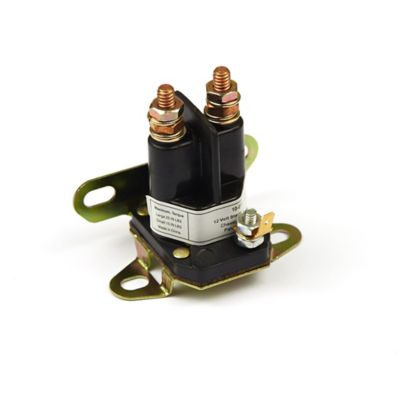
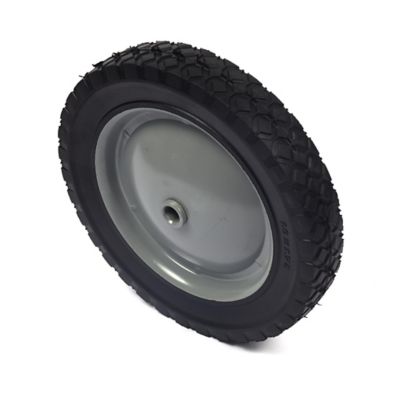
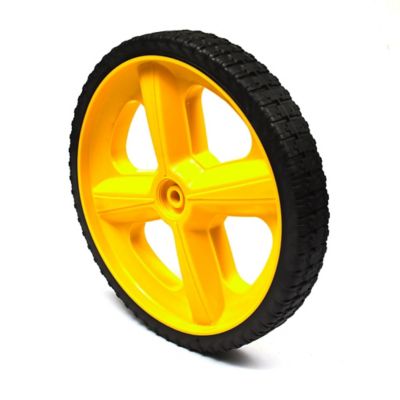
Starting and control components deserve the same attention as the parts inside the engine. A pull-start assembly depends on the correct mounting pattern and engagement design, while its rope and handle need to suit the assembly rather than merely fit through an opening. Electric-start systems involve additional electrical connections and engine-specific requirements. Control cables, return springs and related hardware also need to match the arrangement on the machine; differences in cable length, end fittings or routing can affect movement. There is an important distinction between an engine repair and a mower repair, especially when a machine carries separate identification labels for each. Engine numbers help identify engine components, while mower numbers generally guide the match for deck, wheel, handle and drive-system components. For repairs beyond the engine,
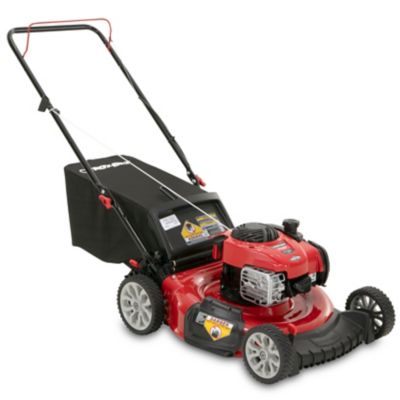
Push Lawn Mower Parts covers the broader category of components associated with walk-behind equipment. Matching the repair to the correct identification record helps avoid confusion between a running problem and a problem with how the mower rolls, drives or cuts. Care between repairs matters as well. Loose grass and dirt around service points can fall into openings when a cover or filter is removed, and trapped debris around cooling passages can interfere with airflow. Cleaning practices should follow the equipment manual, particularly around electrical connections, intake openings and seals. Replacement parts awaiting installation benefit from clean, dry storage with small gaskets and fasteners kept together and labeled. Hands-on inspection belongs with the engine shut off and the spark plug lead disconnected, with any additional power sources isolated as the manufacturer directs; hot surfaces and moving parts need particular care. The job may be a familiar maintenance task for someone comfortable working on small engines, or it may call for a service professional when internal damage, persistent leaks or uncertain diagnosis are involved. Either way, a well-matched replacement supports the mower’s intended work and helps keep a small repair from turning into repeated adjustments beside the shed.