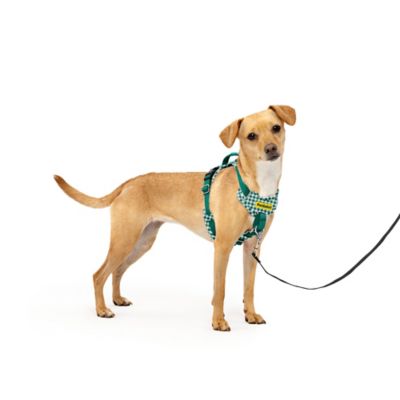
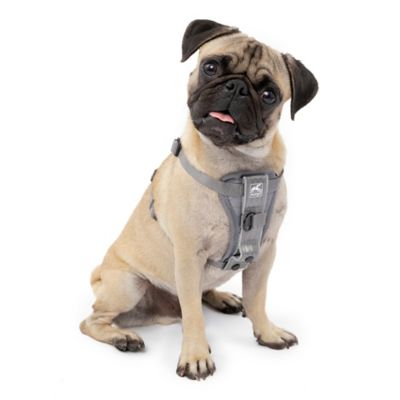
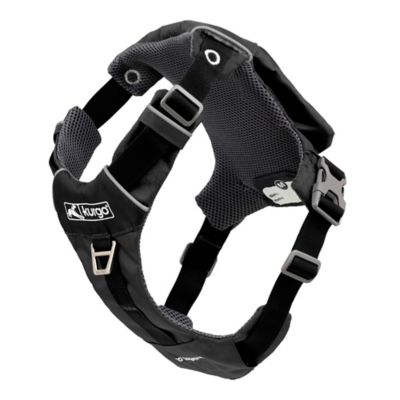
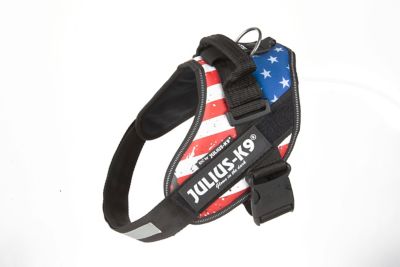
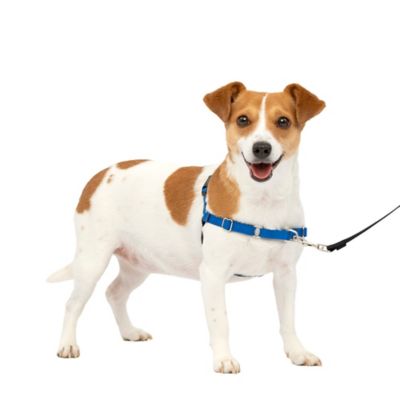
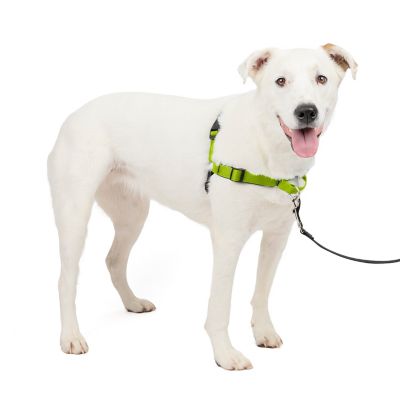
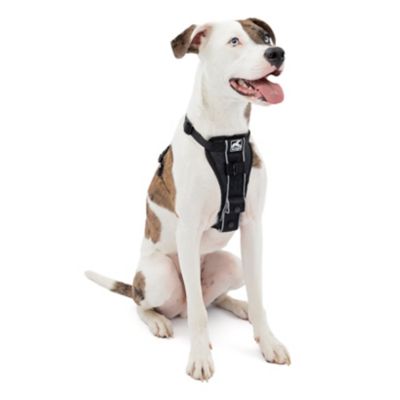
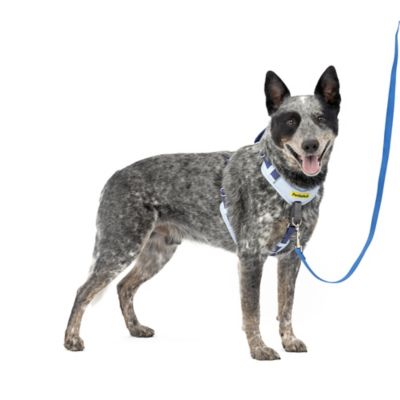
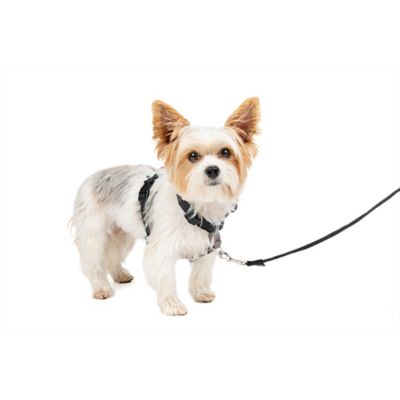
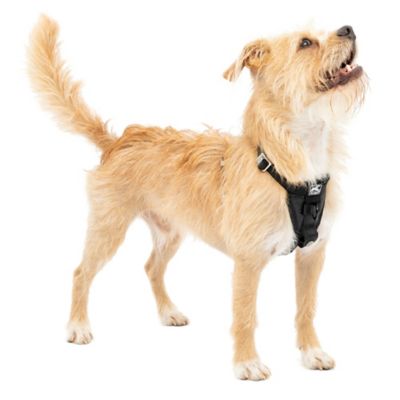
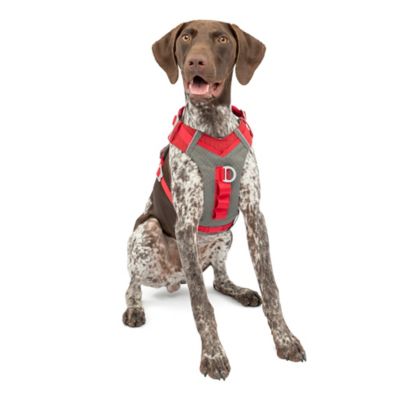
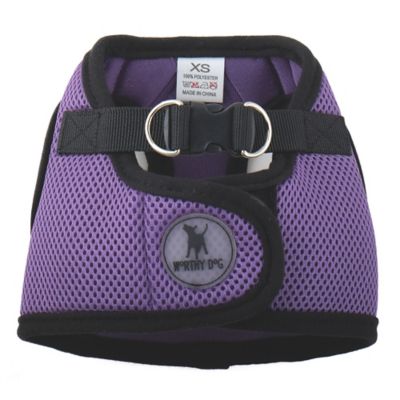
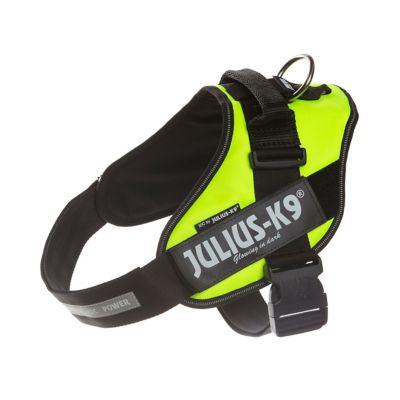
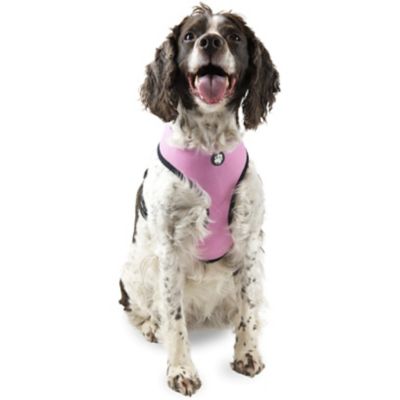
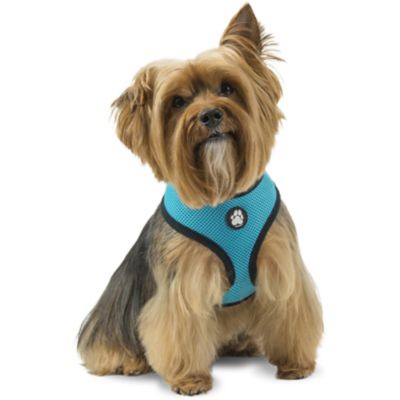
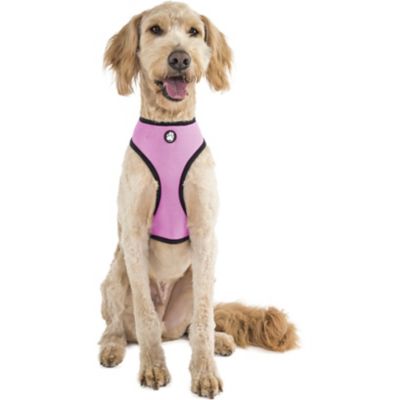
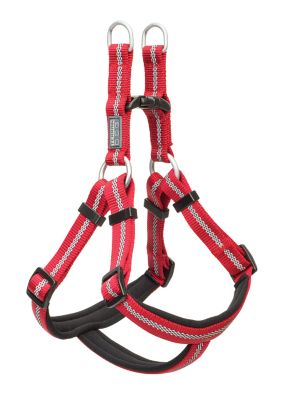
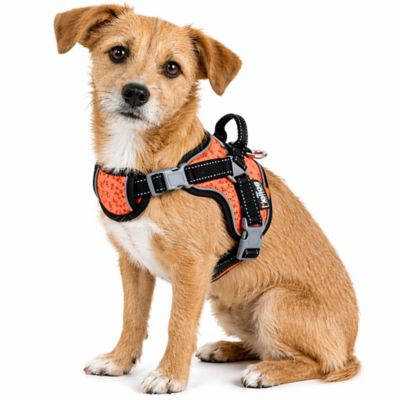
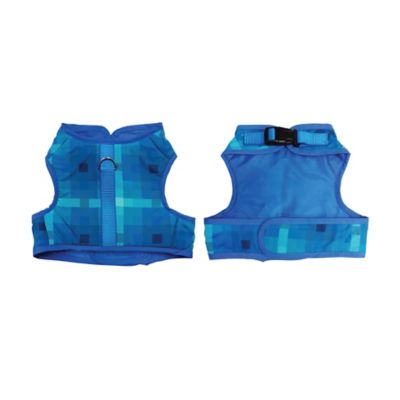
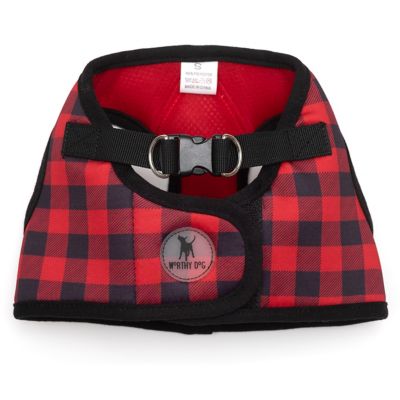
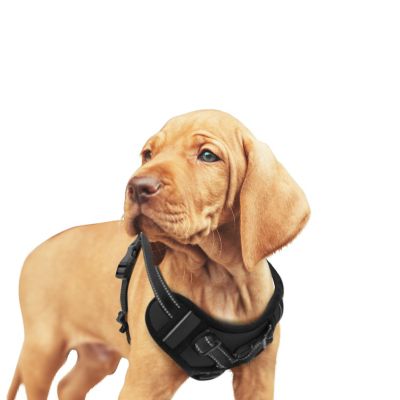
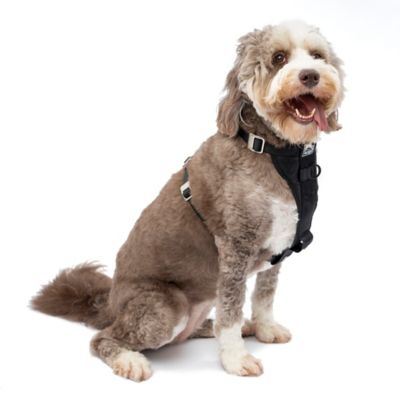
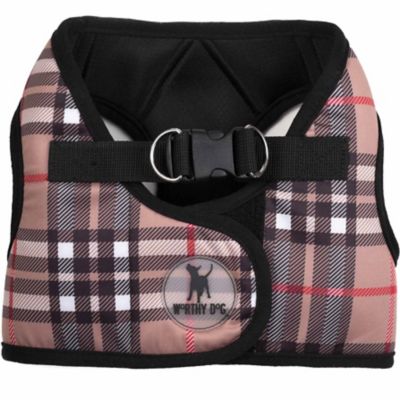
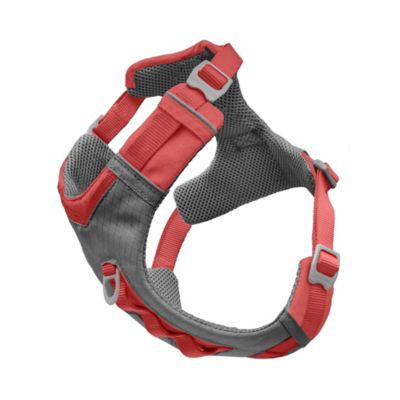
Front clip dog harnesses have a leash attachment point at the chest that helps redirect a dog’s forward motion when they pull. Instead of letting all that momentum travel straight down the leash, a front connection can turn the dog slightly toward the person holding it, making pulling less effective. That gives you another way to manage an eager walking partner without attaching the leash at the throat. A properly fitted harness distributes leash pressure across parts of the chest and torso rather than concentrating it on the neck, though fit and handling still matter for comfort. For the dog that spots a squirrel along the fence line or gets ahead of you on the gravel drive, that change in leverage can make everyday walks more manageable. Front clip harnesses are often a practical choice for puppies learning leash manners, adult dogs that tend to forge ahead, and newly adopted dogs settling into a walking routine. They can also suit dogs whose owners prefer a body harness over a collar for leash attachment. They are not a substitute for training, and a “no-pull” label does not mean a dog will stop pulling as soon as the buckles close. Their role is to support better control while calm handling, rewards, and consistent practice build better habits. The benefit is easy to picture on an ordinary outing: one hand on the leash, boots crunching over fallen leaves, and a dog determined to inspect every fence post before you reach the road. A chest attachment offers a way to redirect that enthusiasm rather than simply brace against it. Across this category, differences in strap layout, padding, closures, and attachment points give shoppers options for neighborhood loops, trips into town, and walks around the property. The right match depends less on how tough a harness looks and more on how it sits on your dog and works with your daily routine.
Fit deserves close attention when comparing front clip dog harnesses because the chest ring needs to stay reasonably centered to do its job. A harness that shifts far to one side may rub, interfere with movement, or provide less helpful steering. Size names alone do not tell the whole story; a broad-chested dog and a lean dog of the same weight may need very different proportions. Chest girth, neck measurements where required, and the manufacturer’s sizing chart offer a better starting point than breed or weight alone. Shoppers with bigger walking partners can also browse
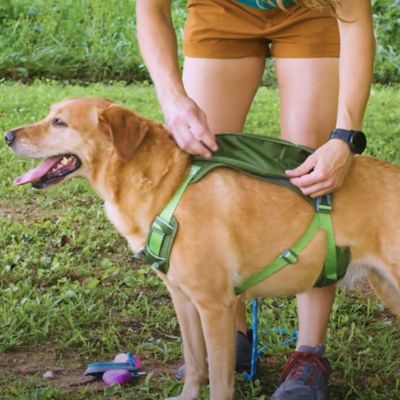
Large Dog Harnesses while comparing chest coverage, strap width, and adjustment range. Multiple adjustment points can help accommodate a deep chest, narrow shoulders, or a growing puppy, but extra room should not come at the expense of a secure fit. Straps should lie flat without digging in, and there should be clearance behind the front legs so the edges do not chafe with each step. Being able to slip two fingers beneath a strap is a common starting check, not a replacement for the fit directions that come with the harness. Chest panels and strap paths also deserve a look: they should allow comfortable shoulder movement rather than restrict your dog’s stride. Padding can soften contact at pressure points, but more padding is not automatically better if it adds unnecessary weight or holds moisture against the coat. A lighter design may suit a small dog, while wider contact areas may feel more comfortable on a larger dog when tension reaches the leash. Closure style matters, too. Some dogs accept an over-the-head design without fuss; others are more comfortable with buckles that open around the neck or a step-in layout. For an older dog that dislikes lifting a leg, or a shy dog that backs away from anything passing over its ears, those everyday details can matter as much as the attachment position. A secure fit is especially important for dogs prone to backing out of their walking gear.
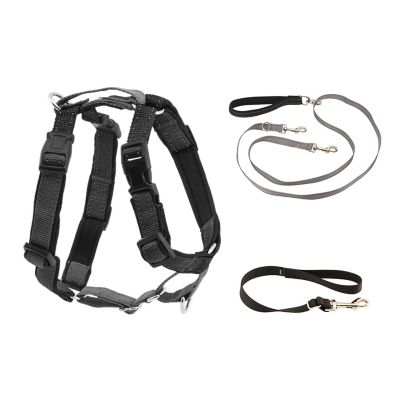
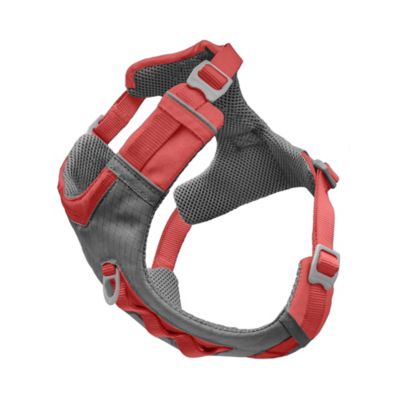
Beyond fit, the most useful features are the ones that match where and how you walk. Some front clip harnesses also have a back attachment, offering flexibility as leash skills improve or walking conditions change. A compatible double-ended leash can connect to both points for another handling option, though it brings more line to manage. For a single front connection, leash length and routing matter because excessive slack can drop between the front legs. A standard fixed-length leash often makes that connection easier to manage during close walking. Reflective trim can help a harness stand out when light hits it during dim mornings and early evenings, but it does not replace lights, visibility gear, or keeping a safe distance from traffic. During the cooler months, adjustable straps may offer room for a dog’s walking coat; the fit still needs checking with each layer rather than simply moving up a size. Muddy paths, wet grass, and roadside grit make care instructions worth comparing before purchase. Washable fabrics, accessible buckles, and hardware that is easy to inspect can simplify the routine after a walk past the barn or down a damp lane. Mesh may offer airflow, while a more substantial panel may provide broader contact across the chest; drying time and coat type help determine which trade-off makes sense. A back handle, when included, may offer brief, close control, but an ordinary walking harness should not be treated as lifting equipment or a vehicle restraint unless it is specifically designed and rated for that purpose. Front clip designs are generally intended for walking and training rather than tie-out use, and they are best taken off after outings instead of left on an unattended dog. For a gift, having the dog’s measurements and knowing the owner’s preferred closure style can prevent a well-meant purchase from becoming a poor fit. Whether the daily route is a country lane or a sidewalk through town, a thoughtfully chosen front clip harness supports the same simple goal: a comfortable dog, a manageable leash, and more pleasant time outdoors together.