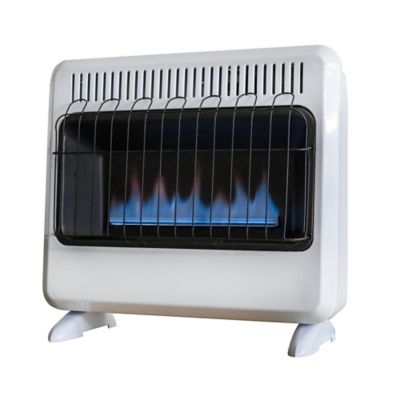
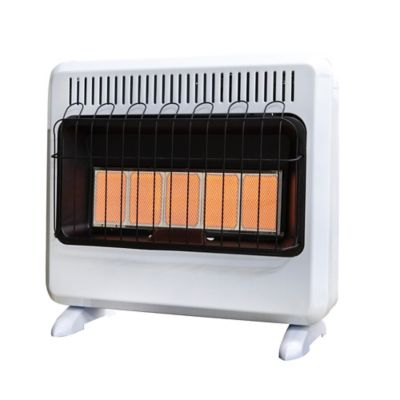
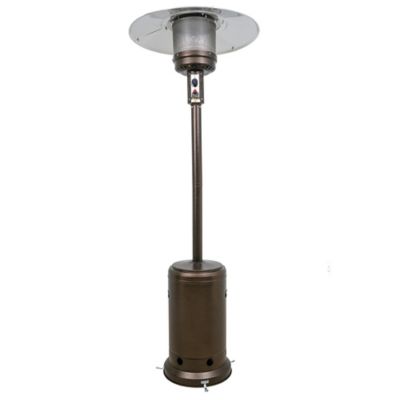
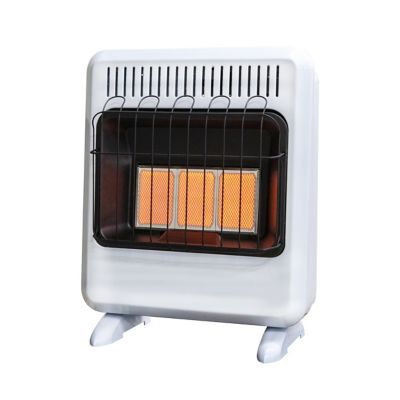
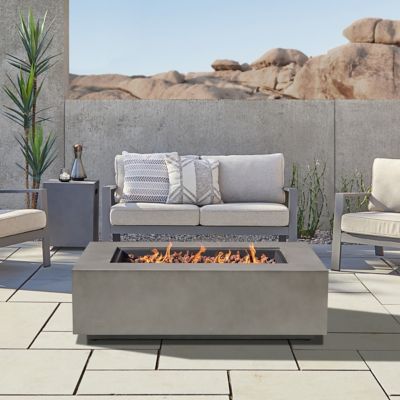
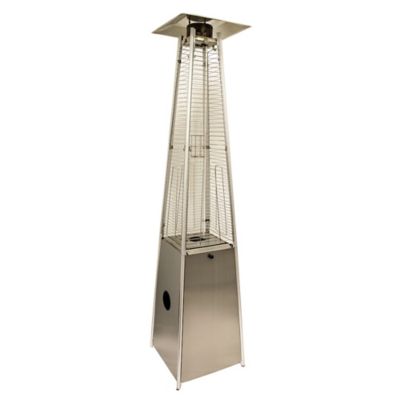
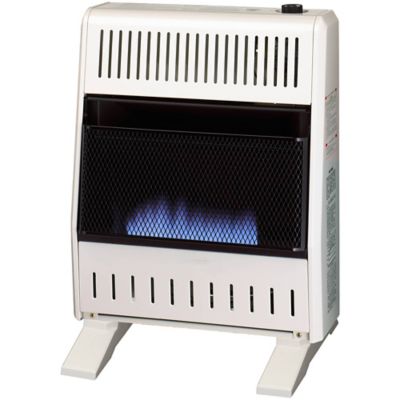
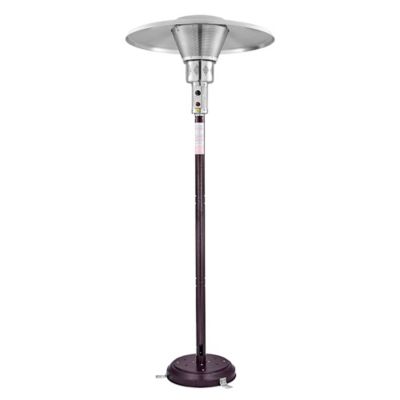
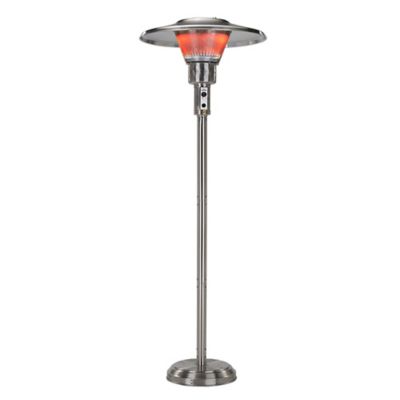
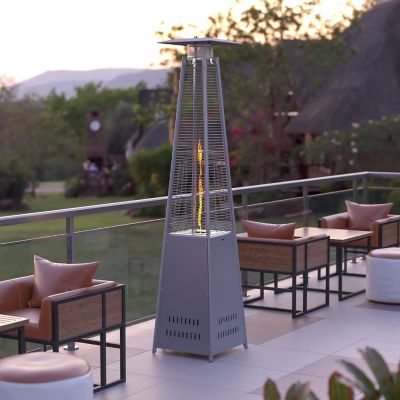
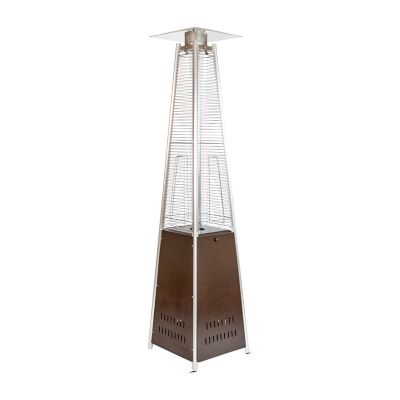
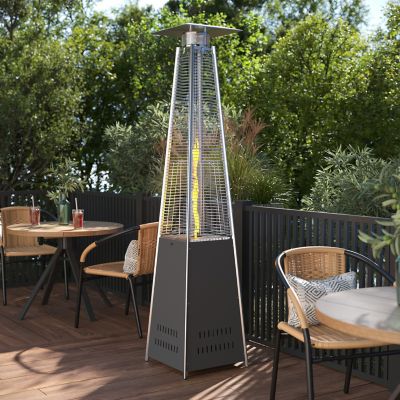
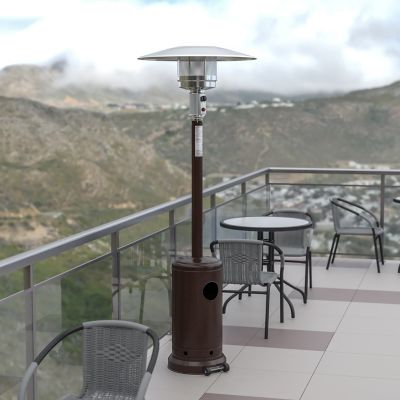
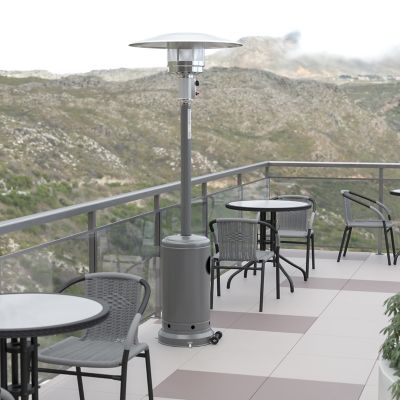
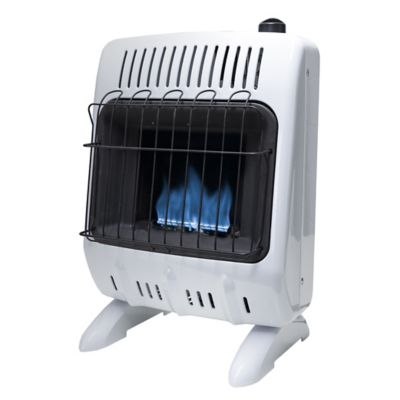
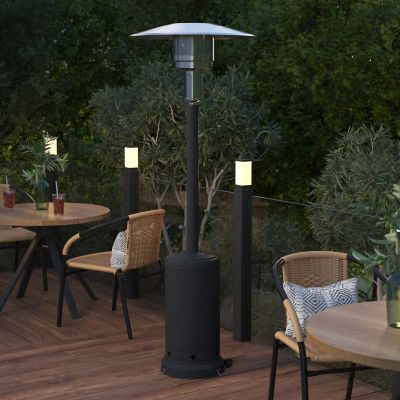
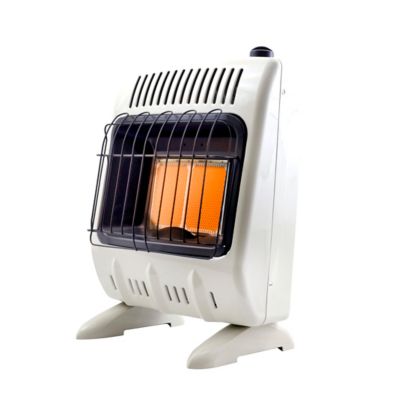
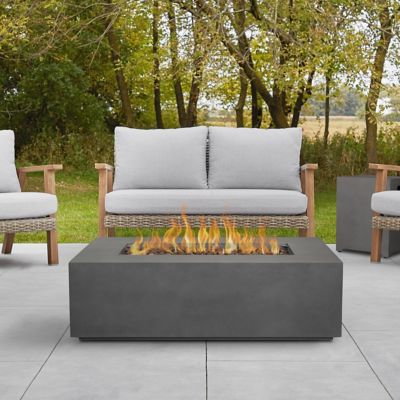
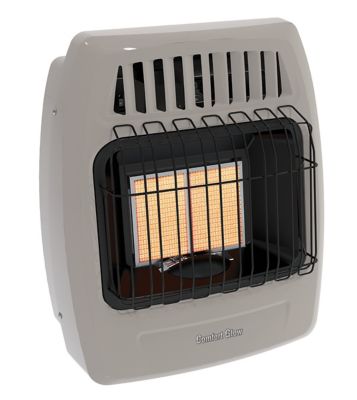
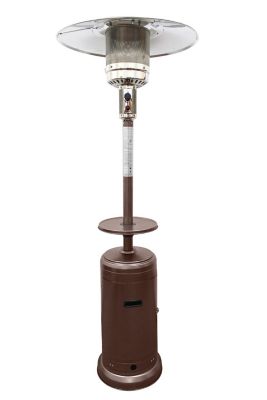
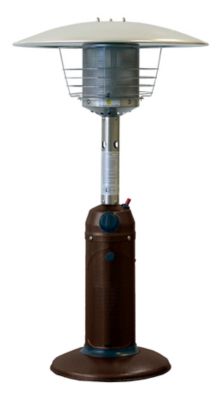
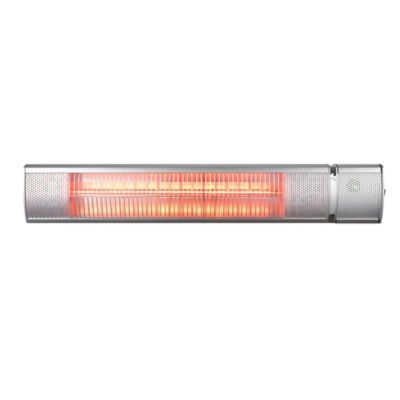
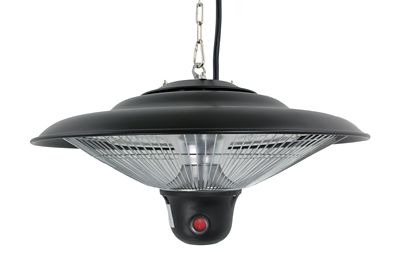
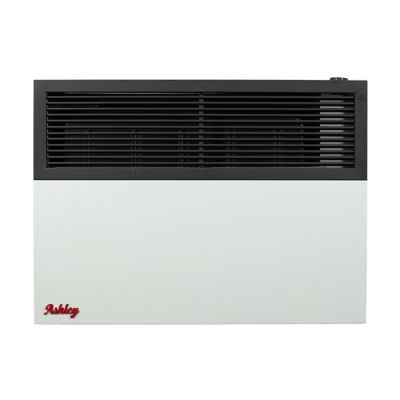
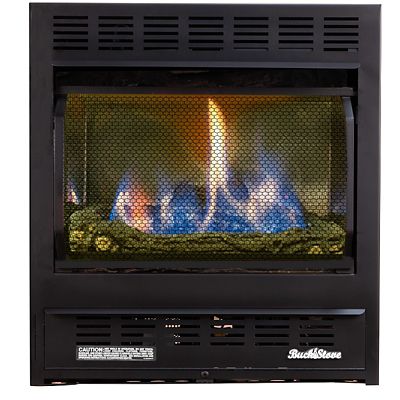
Natural gas heaters for patios bring steady, localized warmth to outdoor gathering spots without the routine of swapping propane tanks. Connected to a properly sized natural gas supply line, these heaters suit spaces where folks tend to settle in: a table beside the house, a backyard seating area, or an open-air patio where neighbors catch up after chores. Many gas patio heaters deliver radiant heat, which warms people and nearby surfaces in the heater’s path rather than trying to heat all the surrounding air. That makes placement especially important. A heater near the seating area can provide a more comfortable experience than one across the patio, even when both have the same heat output. Freestanding models typically have a tall upright body and a reflector above the burner that directs warmth toward the space below. Permanent post-mounted heaters anchor to an approved surface, while wall-mounted and overhead models keep the floor clear for chairs, tables, and foot traffic. Each style serves a different layout, but all depend on a suitable gas connection and the clearances specified by the manufacturer. A freestanding natural gas patio heater may resemble a movable propane model, yet its placement remains limited by its approved connection and installation requirements. It is not a take-anywhere heater for the far end of the yard. For households with an established outdoor sitting area and access to natural gas, that fixed connection can be a practical fit. There is no onboard propane cylinder to refill, though operation still depends on the gas supply and, for some ignition or control systems, electrical power. Whether the setting is a broad concrete patio or a smaller paved space outside the back door, the best match brings the heat close to where people gather without crowding the area or putting the burner too close to anything that can catch fire. The result is warmth where it matters, with less equipment underfoot when the mounting style fits the space.
The right fit involves more than the square footage of the patio. Heater output is commonly expressed in British thermal units per hour, or BTU/h, but a higher rating alone does not promise a comfortable seat at every corner of the table. Wind exposure, mounting height, burner design, and the distance between the heater and the seating all affect how the warmth feels. Coverage estimates are helpful starting points, not firm boundaries that hold up in every outdoor setting. A long dining table may call for a different arrangement than four chairs grouped close together, and a wide, open patio can lose comfort quickly when a breeze crosses the seating area. Multiple properly positioned heaters may spread warmth more evenly than a single high-output unit, provided the gas system can support the total demand. Reflectors and directional mounting can help focus radiant warmth, but their angle and position must stay within the heater’s installation specifications. For a patio that hosts larger gatherings or serves an outdoor business space,
Commercial Patio Heaters offer another relevant category to consider alongside the demands of the setting. Materials matter, too. Stainless steel is a common choice for outdoor heater bodies because it resists corrosion, although exposure and upkeep still affect its appearance and service life. Coated steel offers another finish option, with scratches and chipped areas needing attention according to the care instructions. A stable base, sound mounting hardware, and components rated for outdoor exposure all contribute to a setup that stands up to regular patio use. Controls deserve a look as well, especially when the heater will be mounted above easy reach. Depending on the design, operation may involve a manual ignition system, electronic ignition, adjustable heat settings, or compatible remote controls. The useful choice is the one that suits the gathering space and keeps everyday operation straightforward, whether supper runs long at the picnic table or a few friends linger over coffee outside.
A natural gas patio heater belongs in an outdoor location that meets its listed ventilation and clearance requirements. An open-sided roof does not automatically make a covered patio suitable, and a heater rated for outdoor use is not a heating solution for a garage, enclosed porch, barn, or other indoor space. Overhead beams, fabric awnings, hanging plants, siding, furniture, and nearby branches all need consideration when establishing the required separation from heat. Natural gas installation is work for a qualified professional who can confirm local code requirements, fuel compatibility, line capacity, gas pressure, shutoff access, and the correct approved connections. A heater built for propane is not interchangeable with a natural gas model unless the manufacturer expressly permits conversion and specifies the proper parts and procedure. That distinction matters just as much as the shape or finish of the heater. On a busy patio, the connection also needs a layout that keeps hoses and piping protected from damage and out of walkways. Safety features such as flame-failure shutoff, and tip-over protection where applicable, add important safeguards without replacing careful placement or supervision around children and animals. Ongoing care is generally about keeping the heater clean, clear, and in sound condition. Once the unit is off and fully cool, exterior surfaces can be cleaned according to the manufacturer’s directions, while burner openings and ventilation passages need checks for leaves, insects, and other obstructions. Inspection intervals and service tasks vary by model; gas-system work belongs with a qualified technician. An appropriate cover can help protect a cooled heater between gatherings if the manufacturer recommends one, but it must come off before operation. Strong wind, severe weather, or any sign of damage calls for following the shutdown and storage instructions rather than pushing through another evening outdoors. With the right installation and regular attention, natural gas patio heating fits neatly into the rhythm of outdoor meals, quiet conversations, and a well-earned sit-down after a long day.