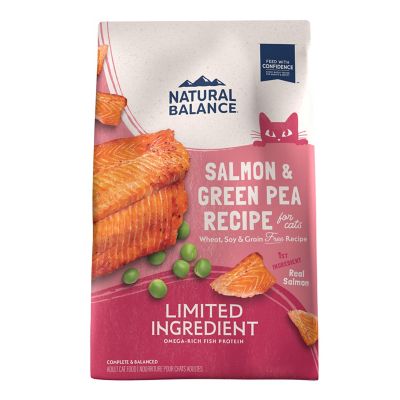
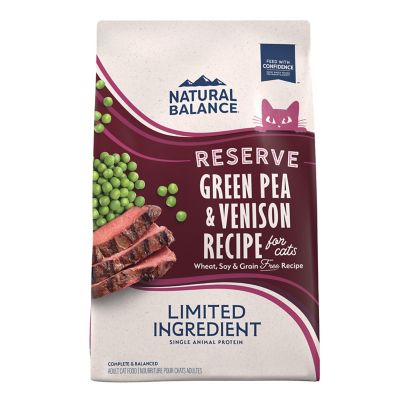
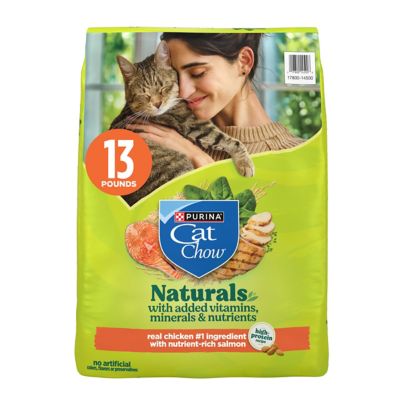
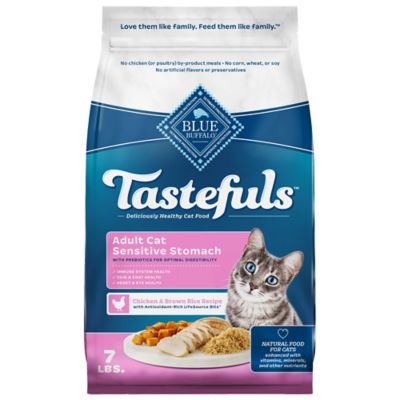
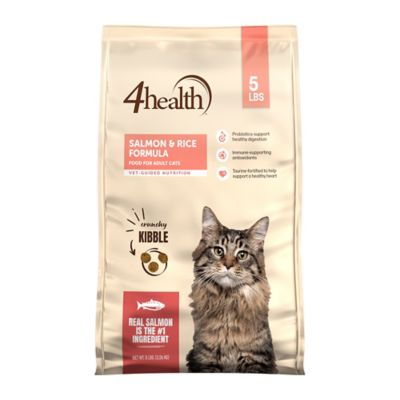
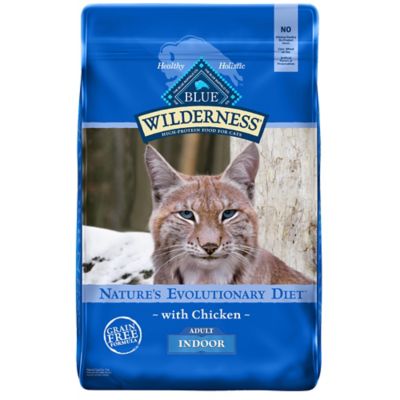
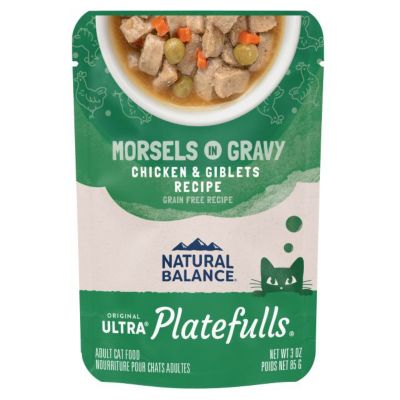
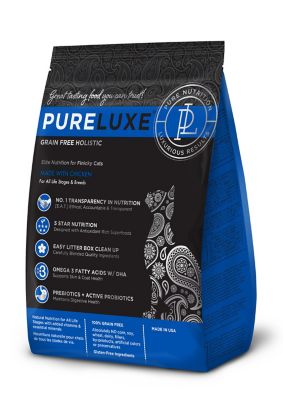
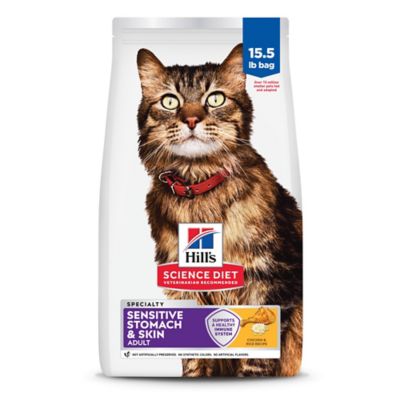
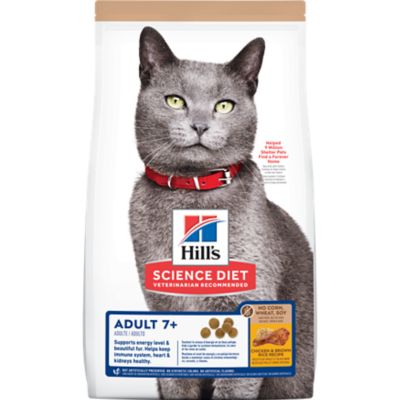
Natural Balance cat food can be a solid choice for cat owners who want to take a thoughtful look at what goes into the bowl each day. Cats may be small, but their feeding needs can vary quite a bit depending on age, size, activity level, health history and personal preference. A lively young cat racing through the house and climbing every piece of furniture may need something different from a quiet older cat who spends most of the afternoon curled up in a sunny window. When comparing natural balance cat food options, start by considering the recipe’s main ingredients, protein sources, texture and intended life stage. Many cats have strong opinions about food, and a formula that looks like a good fit on paper still needs to pass the “will my cat actually eat it?” test. Some cats prefer pâté, while others are happier with chunks, shreds or a crunchy texture. If your cat has always eaten one type of food, making a sudden switch can lead to an upset stomach or a full bowl left untouched. A gradual change, mixing a little of the new food with the old and increasing the amount over several days, is often easier on a cat’s digestion. Keep clean, fresh water available alongside meals, especially when feeding mostly dry food. For cats that do not drink much from a bowl, adding wet food or placing water in more than one quiet spot around the house may help encourage better hydration. A clean feeding area matters, too. Cats often walk away from a bowl with stale food, dust or strong household odors nearby, so rinsing dishes regularly and serving meals in a calm corner can make mealtime more comfortable.
These foods may work well for households with one cat, multi-cat homes, foster families and anyone trying to build a dependable feeding routine. A regular schedule can be especially helpful for indoor cats, since measured portions and set mealtimes make it easier to keep an eye on appetite and body condition. Free-feeding may suit some cats, but it can make it harder to notice when one animal is eating too much or another is being pushed away from the bowl. In a home with several cats, separate feeding spaces can help reduce fussing and make sure every cat gets a fair share. Natural balance cat food can also be useful for owners who are paying closer attention to ingredients, rotating proteins carefully or looking for a recipe that fits a cat’s everyday routine. That said, “natural” does not mean every recipe is right for every animal, and ingredient lists should be considered along with the complete nutritional statement on the package. Cats with allergies, urinary concerns, kidney disease, diabetes or other medical needs should have their diet reviewed with a veterinarian before a food change. The same goes for kittens, pregnant or nursing cats and senior pets with changing appetites. Keep an eye on the simple signs that tell you how a food is working: steady energy, a healthy coat, comfortable digestion, normal litter box habits and a body shape that is neither too thin nor carrying extra weight. If your cat refuses food for an extended period, loses weight, vomits repeatedly or shows a sudden change in thirst or bathroom habits, contact a veterinarian rather than trying to solve the problem with food alone. For shoppers comparing different options, package size is worth considering as well. A smaller bag or a few cans can be a sensible way to test acceptance, while larger quantities may be convenient for a busy household once you know the food suits your cat. Store dry food in a cool, dry place with the bag sealed tightly, and cover and refrigerate opened wet food according to the package directions.
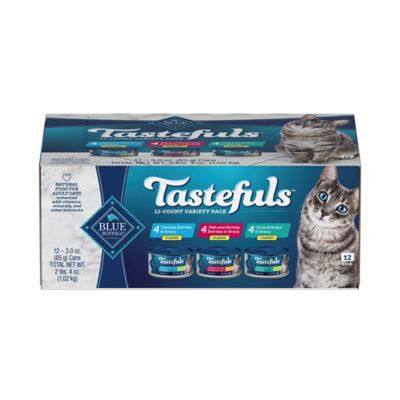
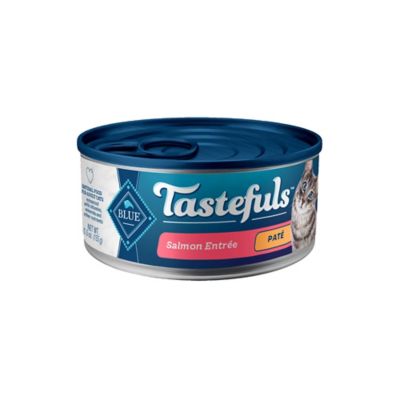
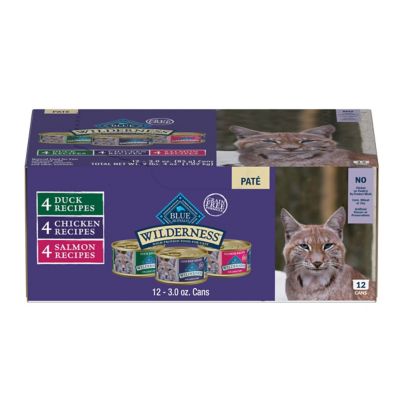
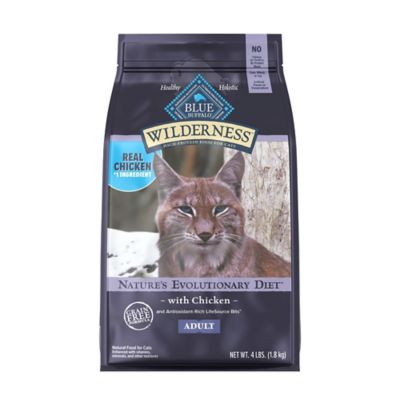
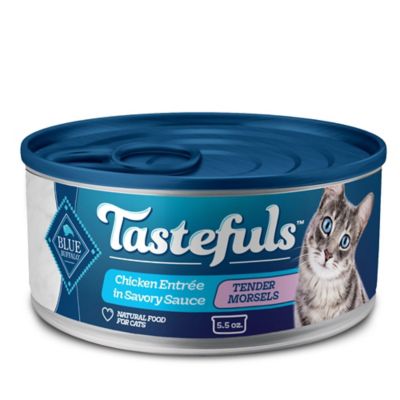
Choosing cat food can also be part of caring for a new pet, putting together a welcome-home supply box or helping a friend who has recently taken in a stray. A bag of food paired with litter, a scoop, a soft blanket and a simple toy makes a practical gift for a new cat owner, a college student adopting a first pet or a neighbor caring for a barn cat. During the warmer part of the year, keep food away from direct sun and watch for ants, flies and other pests around outdoor feeding stations. As the weather turns cooler, outdoor and barn cats may spend more energy staying warm, so their feeding routine deserves a little extra attention, though portion changes should be made with guidance when needed. Cats are creatures of habit; many appreciate meals served in the same quiet place, at about the same time, with a familiar dish waiting for them. I have seen even a sturdy porch cat soften up when a bowl is set down away from foot traffic and farm machinery, where he can eat without having to keep one eye on the driveway. For owners still comparing choices, browsing related options such as
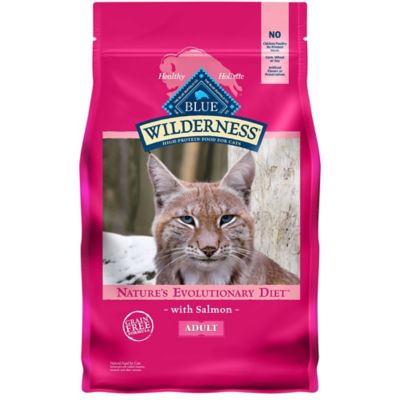
Blue Cat Food can provide another point of reference while thinking through ingredients, textures and feeding preferences. Whether the bowl belongs to a playful kitten, a dignified old mouser or a house cat that believes every meal deserves a personal announcement, the best fit is one that provides complete nutrition, works with the cat’s needs and can be served consistently. Taking a little time to read the label, plan portions and watch your cat’s response can make everyday feeding simpler and help keep your four-legged companion comfortable through the changing seasons.