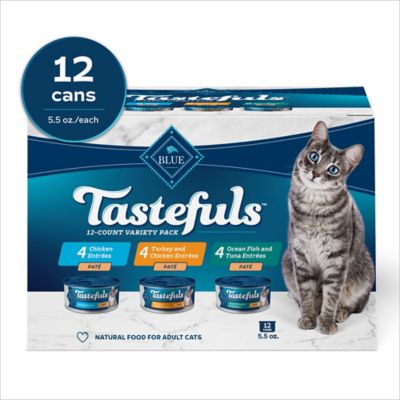
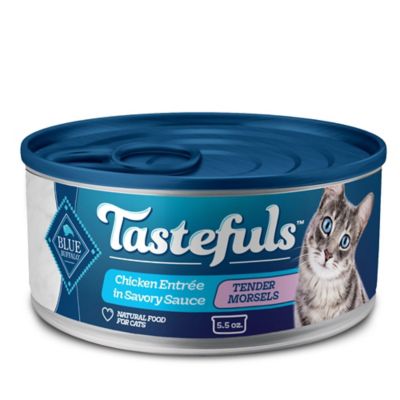
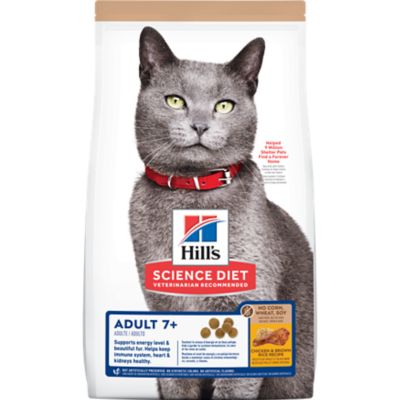
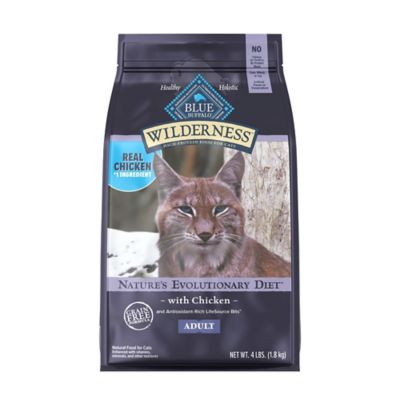
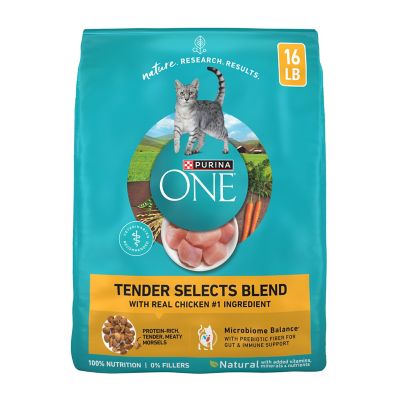
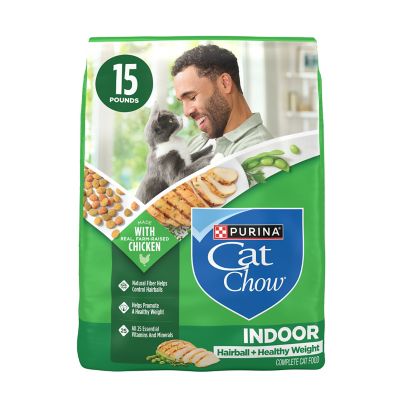
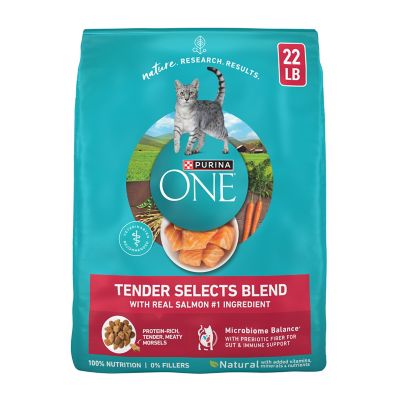
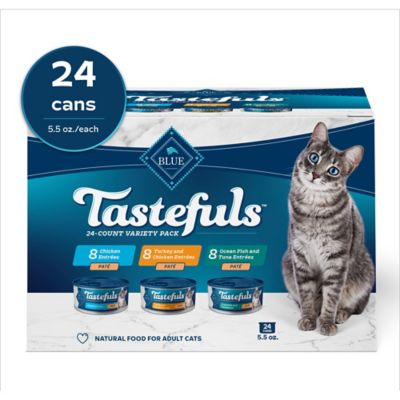
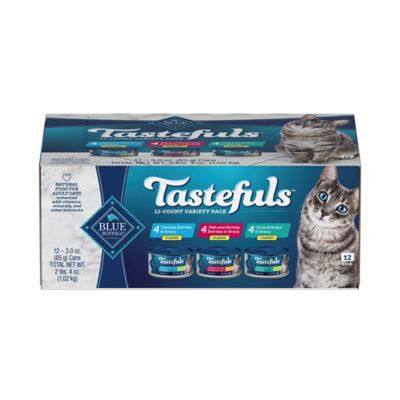
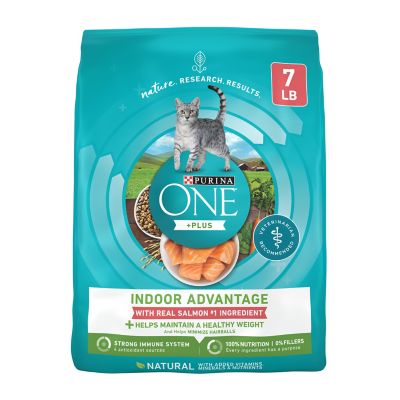
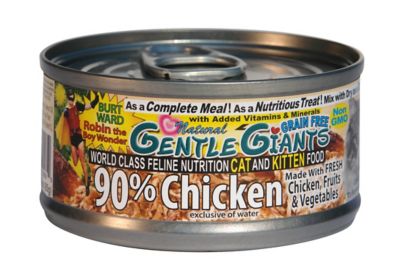
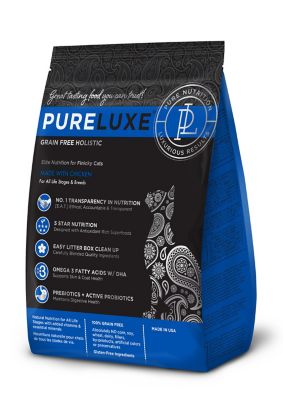
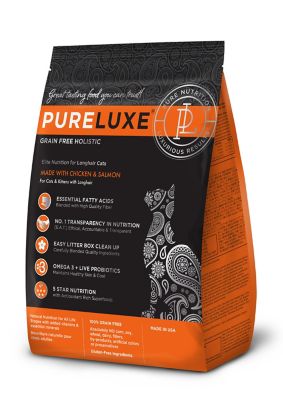
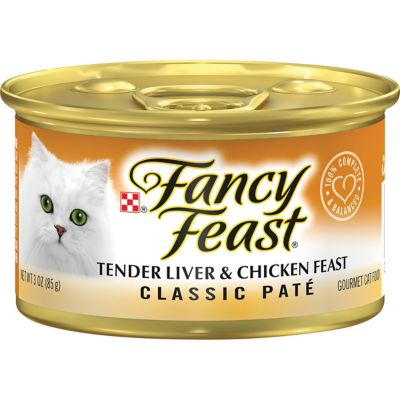
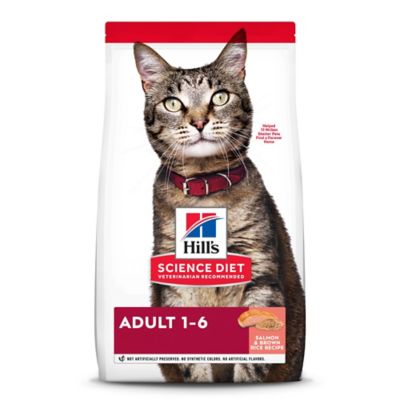
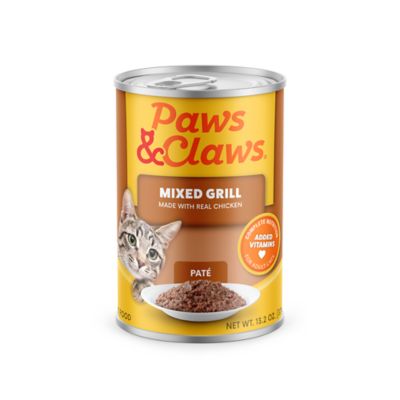
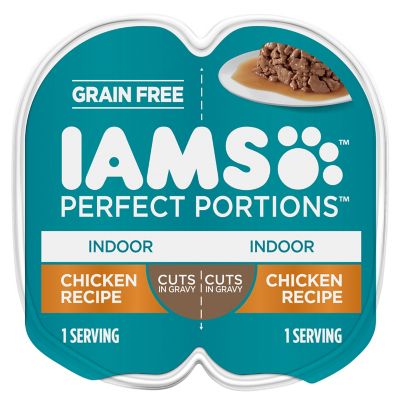
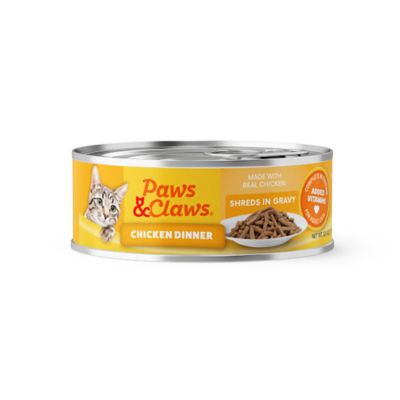
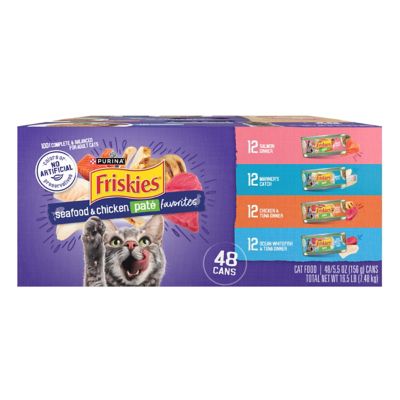
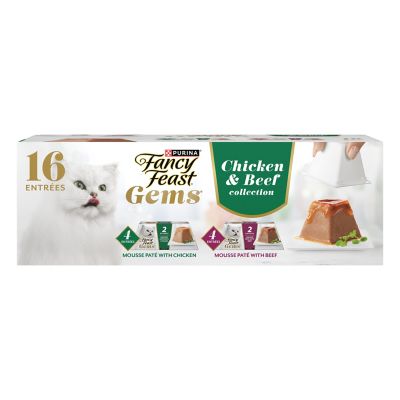
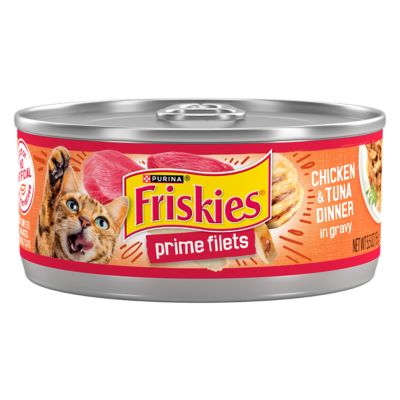
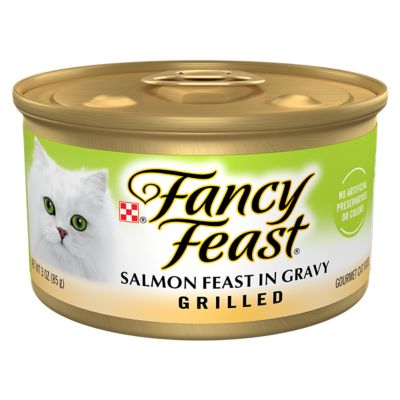
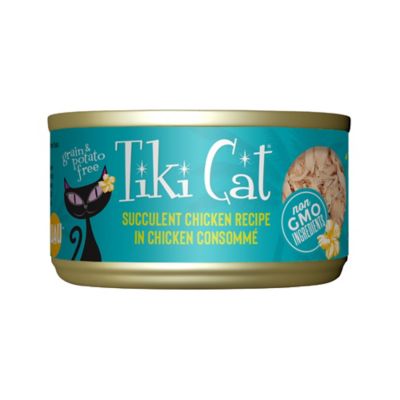
Natural cat food can be a good fit for households that want a straightforward ingredient list and a meat-forward recipe for the cat at the heart of the family. Cats are obligate carnivores, which means their bodies are built to get key nutrients from animal-based ingredients. When comparing natural cat food, look for a named animal protein—such as chicken, turkey, beef, salmon, or another clearly identified meat or fish—near the top of the ingredient list. “Meat” or “poultry” without a specific source can be less helpful when you are trying to understand what is in the bowl. Many natural recipes are made without added artificial colors, flavors, or preservatives, and may include recognizable ingredients such as meat, fish, broth, eggs, vegetables, or grains. Still, natural does not automatically mean complete, low carbohydrate, grain-free, or right for every cat. The most important line on the package is the nutritional adequacy statement showing that the food is complete and balanced for your cat’s life stage. A proper recipe should supply taurine, vitamins, minerals, fatty acids, and other essential nutrients, whether those nutrients come from whole ingredients or carefully measured supplements. Dry food is handy for measured meals, easy storage, and homes where a bowl needs to stay fresh through a busy day, while wet food brings extra moisture and often has the rich aroma cats notice from across the room. Some families use one format by itself, and others combine wet and dry food to add variety and help support water intake. During the warmer part of the year, moisture-rich meals can be especially appealing, while a dependable dry formula makes feeding simple during the cooler months. Always keep clean water available, even when wet food is part of the routine.
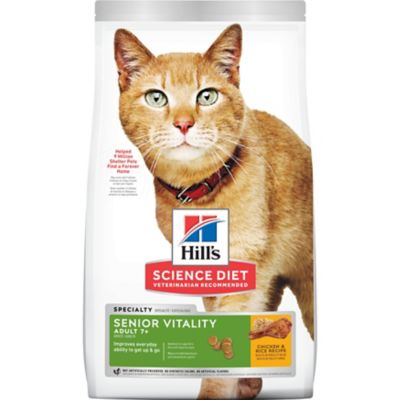
Choosing a natural cat food comes down to your cat’s age, health, habits, and preferences as much as the ingredient panel. Kittens need food made for growth, adult cats need a balanced maintenance recipe, and older cats may benefit from a formula designed around changing energy needs and easy eating. If your cat is slowing down on the stairs, leaving food behind, gaining or losing weight, or showing a change in thirst or digestion, talk with a veterinarian before making a major diet change. A cat with food allergies, kidney concerns, urinary issues, diabetes, or another diagnosed condition may need a specific veterinary diet rather than a general natural recipe. For mature pets, you can also browse
Senior Cat Food for options suited to the later stages of life. Pay attention to calories per serving, especially for indoor cats that spend long stretches curled up in a sunny window. Feeding directions are a starting point, not a rule carved in stone; your cat’s body condition, activity level, and veterinary advice should guide the amount in the dish. Read the guaranteed analysis, too. Protein and fat percentages are useful, but the ingredient list, calorie information, moisture level, and life-stage statement together give a fuller picture. Cats can be particular about texture and smell. One may lap up smooth pate, while another prefers shredded pieces in broth or a crunchy bite. A cat that turns up its nose at a new recipe is not necessarily being stubborn—it may simply need time to adjust. Introduce new food gradually over about a week by mixing a small amount with the familiar food, then slowly increasing the new portion. Moving too fast can lead to an upset stomach or a cat that refuses the bowl altogether. Store food in a cool, dry place, seal dry food tightly, and refrigerate opened wet food according to the package directions. Wash bowls regularly, and pick up uneaten wet food rather than letting it sit out for hours.
Natural cat food is also a practical choice for people caring for more than one cat, welcoming a new companion, or putting together a thoughtful gift for a cat-owning friend. A bag or case of food can be useful for a neighbor with a new kitten, a family member settling an older cat into a new home, or a local rescue group that goes through feeding supplies quickly. If you are giving food as a present, check the cat’s age, preferred texture, known sensitivities, and current diet first; a gift card or a small selection of compatible foods may be more useful than a large package that does not suit the cat. Multi-cat households often appreciate recipes with clear feeding directions and sizes that help reduce waste, especially when one cat grazes and another eats like it has a barn to clear out. For travel, boarding, storms, or other changes in routine, keeping a familiar food on hand can help your cat settle. Feed meals in a quiet spot away from litter boxes and busy walkways, since even a hungry cat may hesitate if the bowl is in the middle of household commotion. Whether you are choosing a simple dry recipe, a high-moisture meal, or a combination of both, focus on recognizable animal proteins, complete and balanced nutrition, appropriate calories, and a recipe your cat will reliably eat. A natural approach works best when it supports the whole feeding routine: good food, fresh water, clean dishes, sensible portions, and steady observation of your cat’s weight, coat, energy, and litter box habits.