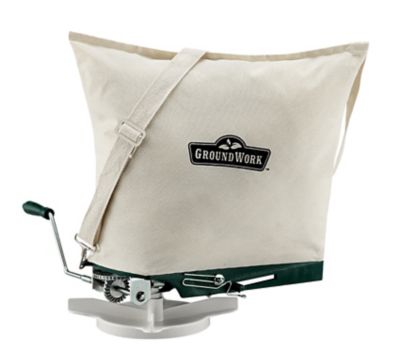
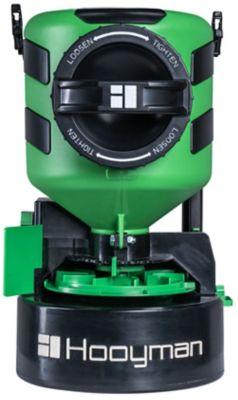
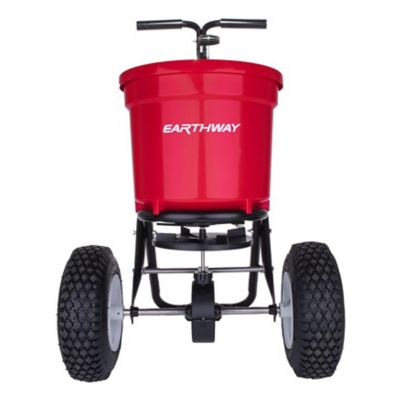
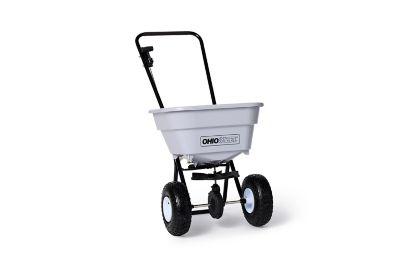
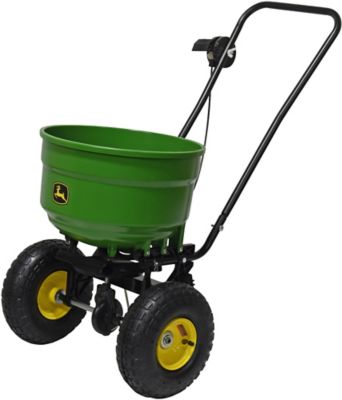
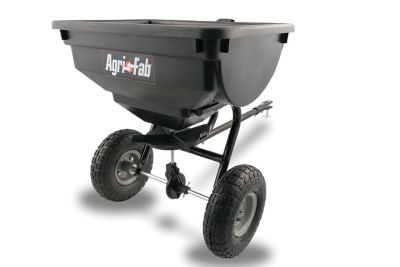
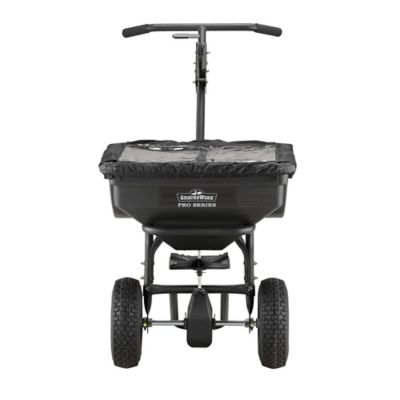
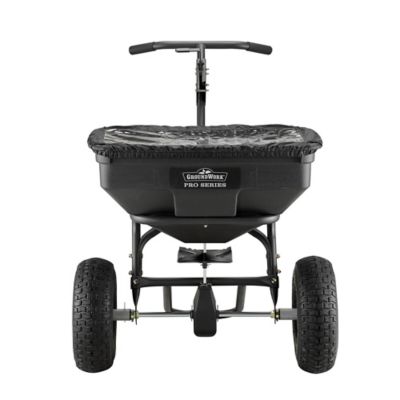
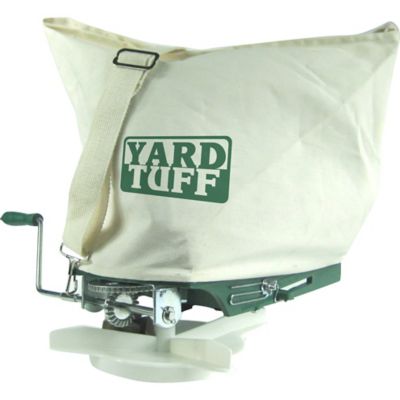
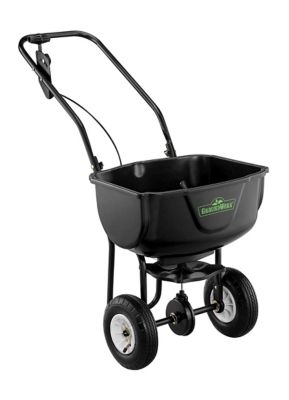
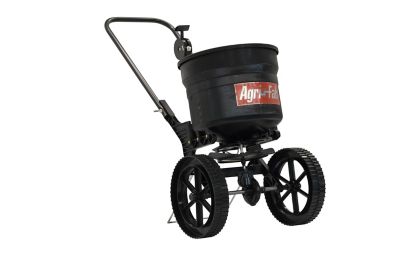
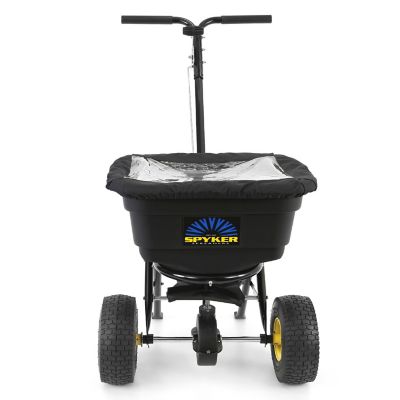
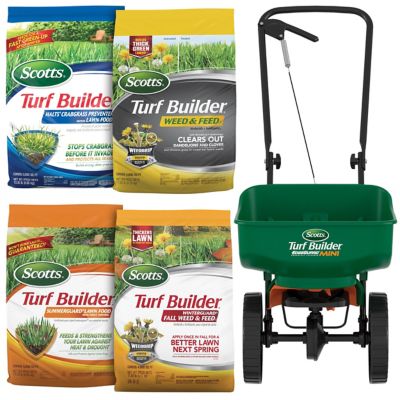
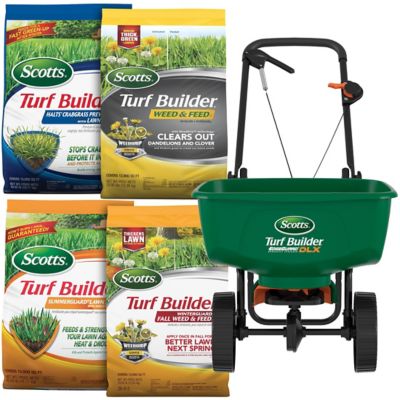
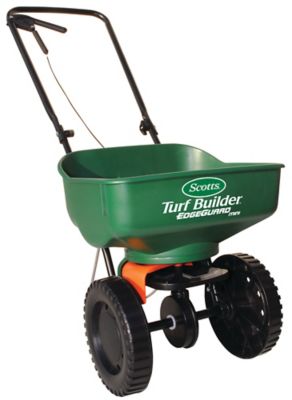
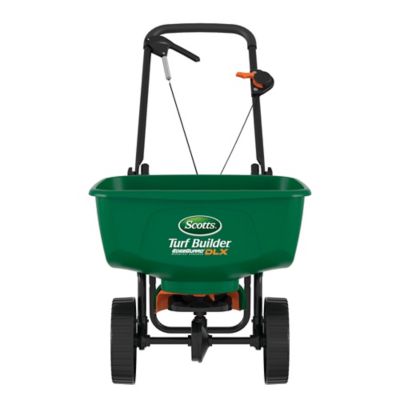
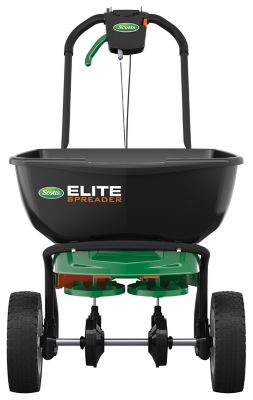
Mulch spreaders help move loose material from a pile onto the ground with less shoveling and raking, but the name covers equipment built for different jobs. A walk-behind mesh drum spreader is designed to sift fine material as its basket rolls across a lawn or garden area. Screened compost and other compatible, finely textured materials fall through the openings, while larger pieces stay inside the drum. That makes this style a practical fit for light lawn topdressing, preparing planting areas, and distributing a thin layer of organic matter across open ground. Peat moss, screened topsoil, and finely ground mulch may also suit certain machines, depending on the manufacturer’s material requirements and the size of the mesh openings. Chunky bark and coarse wood chips are a different matter: they generally cannot pass through a mesh roller and can clog the openings or remain trapped inside. Those materials call for hand spreading or equipment specifically built to handle loose, coarse mulch, such as certain conveyor-fed or side-discharge machines. Broadcast and drop spreaders belong to another category. Many are intended for seed or granular fertilizer rather than compost or bark, so a hopper alone does not make a spreader suitable for every landscape material. The material rating matters more than the equipment’s general name. Texture and moisture content also affect flow; loose, screened compost behaves differently from sticky soil or tangled pieces of shredded wood. Around a farmhouse lawn, a rolling basket can help distribute fine compost without leaving a shovel-sized mound at every stop. Along a shrub bed covered with larger bark pieces, that same basket would be the wrong match. The best fit starts with the material being spread, followed by the depth of coverage and the amount of ground involved. A thin topdressing over grass and a deeper mulch layer around plantings serve different purposes, even when both jobs begin with a wheelbarrow beside the garden gate.
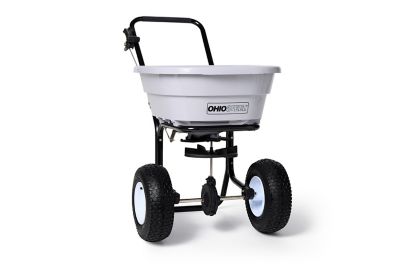
Size, handling, and construction make a noticeable difference once a mulch spreader is loaded. A wider drum covers more ground with each pass, while a narrower frame can be easier to move through gates, between raised beds, and around established plantings. Working width is only part of the fit; overall width, handle reach, and turning space determine whether the equipment can get where it needs to go. A roomy basket or hopper can reduce trips back to the pile, but additional capacity also means more loaded weight. For a homeowner working around a fenced vegetable patch, a manageable load and a comfortable grip may matter more than carrying the largest possible amount. Someone maintaining broad lawn areas may put greater value on coverage per pass. Steel frames and metal mesh baskets provide the structure needed to carry material over uneven ground, while painted or powder-coated surfaces help limit corrosion when the finish stays intact. Welds, axle supports, hinges, and latches all deserve attention because they carry stress as the spreader rolls, turns, and gets filled again. A loading door with enough clearance makes filling less awkward, especially when material is coming from a shovel or scoop. A latch that closes firmly helps keep that door shut as the drum rotates. Handle height and grip shape affect posture, and an adjustable handle can help accommodate different operators. On hopper-style equipment, wheel size and tread influence movement across turf and packed paths, while accessible controls make shutoff and adjustment easier. Distribution depends on more than the frame, too. Mesh opening size, material consistency, travel speed, and the amount inside the spreader can all affect the layer left behind. Even coverage means fewer heavy patches to rake out afterward, though corners, tight borders, and spots around tree trunks may still need a little hand finishing. Mulch should stay clear of trunks and plant crowns rather than being piled against them.
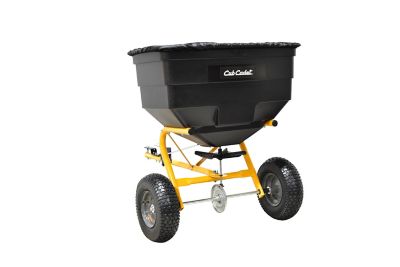
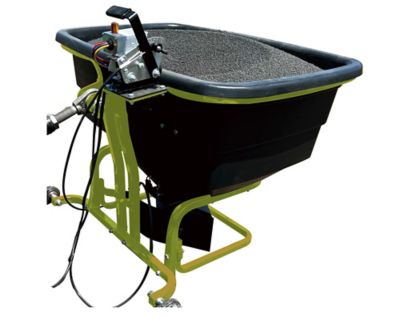
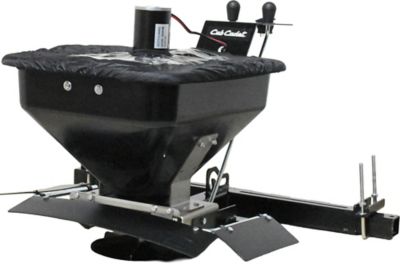
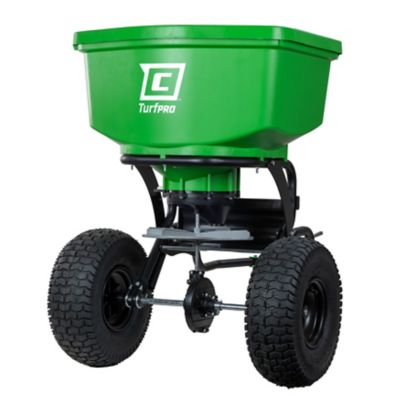
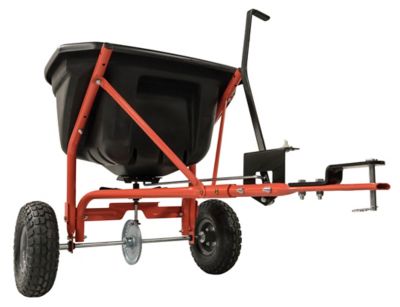
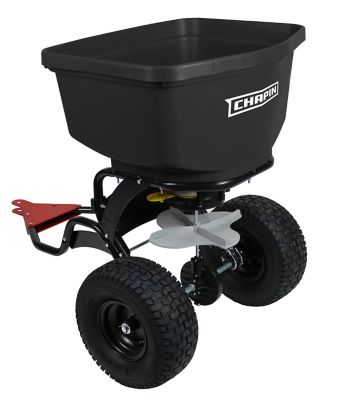
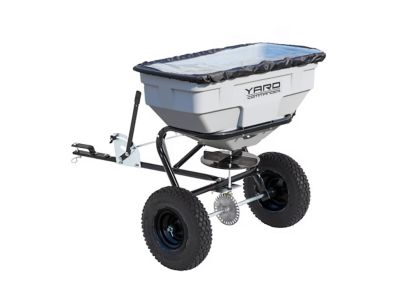
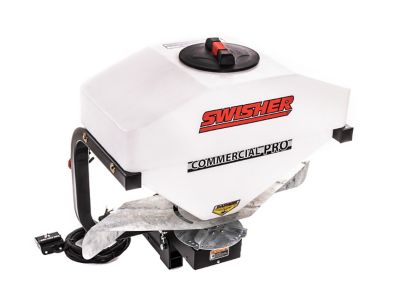
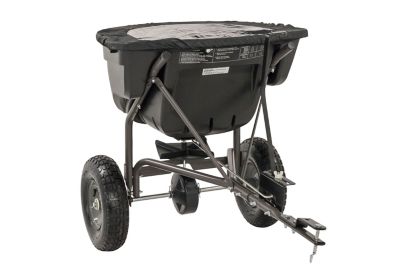
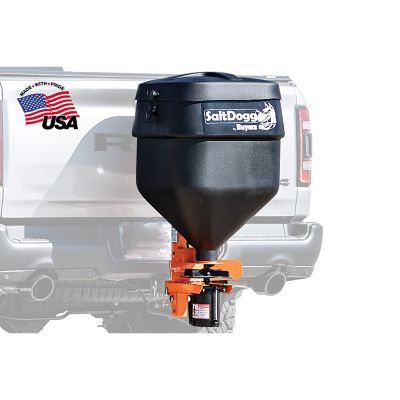
For landscapers, grounds crews, and property owners covering larger spaces, tow-behind equipment can reduce the amount of walking and repeated loading involved. These machines vary widely in their discharge systems and material requirements, so towing capability and spreading capability need separate consideration. A unit intended for granular lawn treatments is not automatically suited to compost, and a machine built for screened compost may not handle stringy bark. Equipment in the
Commercial Spreaders category can serve larger-scale work, with material compatibility, carrying capacity, and the intended application helping narrow the fit. For any tow-behind setup, the hitch connection, towing vehicle’s limits, loaded weight, turning clearance, and permitted operating speed all matter. Room to turn at the end of a run can be just as important as the length of the run itself, particularly near fencing, orchard rows, or outbuildings. Whether the spreader rolls by hand or follows a tractor, straightforward upkeep helps keep the next job from starting with a stuck latch or clogged screen. Leftover material should be emptied rather than stored in the basket or hopper, and clumps caught in mesh openings need clearing before they harden. Cleaning methods should follow the equipment instructions; some components tolerate rinsing, while bearings and other moving parts may need different attention. Letting cleaned surfaces dry before storage helps limit rust, and touching up damaged coatings can protect exposed metal. Hinges, fasteners, handles, and axle connections benefit from regular checks, with lubrication applied only where the manufacturer calls for it. Safe access matters during loading and cleanup, especially on powered equipment with moving conveyors or agitators. For gardeners tending a few beds, landowners refreshing a lawn, and crews maintaining multiple properties, a well-matched mulch spreader earns its place by making a repetitive chore more manageable. The right combination of material handling, comfortable operation, and accessible maintenance helps keep attention on the ground being covered rather than on equipment that fights the job.