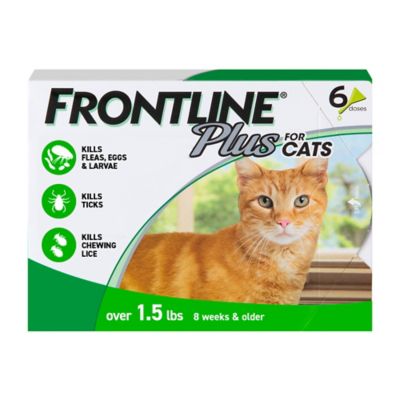
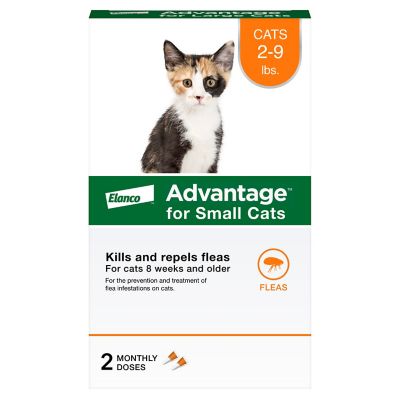
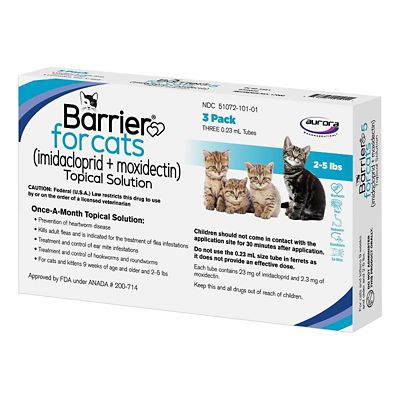
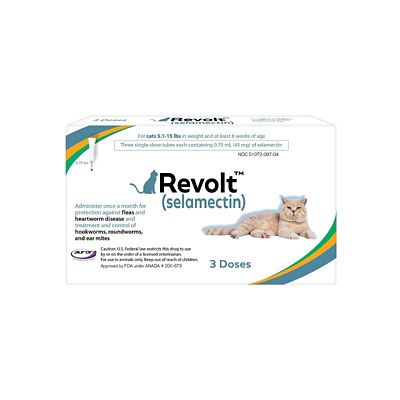
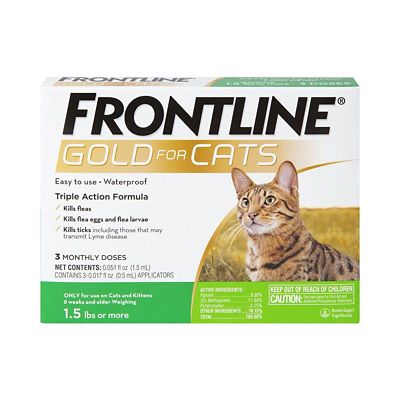
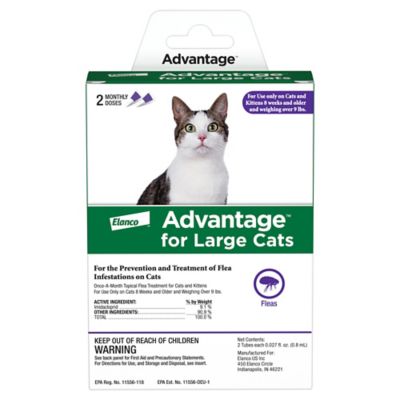
Monthly flea and tick preventatives for cats are medicines labeled to control fleas and ticks for a monthly treatment interval, commonly about 30 days. Options include topical treatments applied to the skin and oral medicines, with coverage determined by the active ingredients and the product label. These treatments help manage parasites on cats, whether they spend their days watching birds through a window, patrolling the barn, or moving between the porch and the couch. Indoor cats can encounter fleas, too, especially when other pets come and go. Fleas can cause itching, skin irritation, and flea allergy dermatitis, while ticks can attach beneath the coat and may transmit disease. Monthly protection gives cat owners a repeatable routine, but the details matter more than the word “monthly” alone. Some formulas target adult fleas, while others also act against flea eggs or larvae. Tick coverage can differ by species, and a flea-only treatment should not be assumed to protect against ticks. Depending on the medicine, certain prescription options also address other parasites, such as ear mites or particular intestinal worms. Those additional benefits are specific to the label rather than standard features of every flea and tick preventative. The speed at which a treatment begins killing parasites and the length of protection against each listed parasite can differ as well. Many treatments kill parasites after contact or feeding rather than keeping every flea or tick from getting on the cat. For a kitten settling into a new home, an adult cat with an established routine, or a senior cat taking other medicines, the right choice starts with species, age, weight, and health needs. A veterinarian can help match those needs with the labeled coverage, especially when there is a history of skin trouble, parasite reactions, or other health concerns. Prescription and over-the-counter status also varies, so the route to treatment may include a veterinary exam or an existing prescription.
The main differences between monthly cat flea and tick treatments often come down to how the dose is given and how well that method suits the cat and the household. Topical formulas typically come in measured applicators and belong on the skin at the location specified on the label, not simply on the outer coat. A thick-coated barn cat and a shorthaired house cat both need the medicine to reach the intended application site. Oral treatments avoid an application spot on the coat, but they require the cat to swallow the full dose; food requirements and directions for a missed or vomited dose depend on the medicine. A cat that readily takes a tablet may suit one format, while a cat that spits out medicine may need a different approach discussed with the veterinarian. Weight ranges are another important distinction. Cats that look about the same size can fall into different dosing ranges, and growing kittens may move beyond a previous range. Minimum age and weight requirements apply even when a kitten already has visible fleas. A larger animal’s dose is not a substitute to divide between smaller pets. In homes with several cats, keeping each cat’s weight, treatment, and dosing date together helps prevent mix-ups. Topical treatments may also carry directions about drying time, bathing, and separating animals so they cannot lick the application site. Those details matter when two cats regularly groom one another or share a favorite chair. Cat preventatives and dog preventatives are not interchangeable, and some dog formulas contain permethrin at concentrations that can be dangerous to cats. Households caring for both species can compare
monthly flea and tick treatments for dogs separately, with each animal receiving a treatment labeled for its own species. Any contact restrictions between a recently treated dog and a cat need to follow the dog treatment’s label.
A monthly preventative works best as part of a consistent household routine rather than an occasional response to scratching. A reminder on the feed-room calendar or a note alongside other pet care records can help keep the labeled interval from slipping by. Giving another dose early or adding a second parasite medicine is not a shortcut to stronger protection; combinations and changes should be cleared with a veterinarian. For households dealing with fleas, treating the cat does not immediately remove every developing flea from rugs, bedding, or the cracks around a favorite sleeping spot. Newly emerged fleas may still appear while the home’s flea life cycle runs its course. Regular vacuuming, washing pet bedding according to its care directions, and addressing every susceptible pet with a species-appropriate plan support ongoing control. A washable blanket on a barn cat’s resting shelf can make that sleeping area easier to maintain, just as a removable bed cover helps inside the house. Cats with persistent scratching, hair loss, sores, or visible ticks may need an examination rather than repeated changes in treatment. Pregnancy, nursing, illness, and a history of seizures are also reasons to discuss medicine selection with a veterinarian. Possible reactions vary by formula, and unusual drooling, vomiting, tremors, or trouble walking after treatment call for prompt veterinary advice. Between doses, original packaging keeps the directions, expiration date, and identifying information with the medicine. Storage requirements belong to the individual label, and treatments need to stay away from children, pets, and animal feed. Keeping track of which cat received which dose is especially helpful when more than one person handles chores. The most suitable monthly flea and tick preventative is one that matches the cat’s labeled age and weight range, covers the parasites of concern, and fits a routine the household can follow consistently. That combination keeps the focus on practical protection for the cat curled up by the kitchen door or heading back out to check the barn.