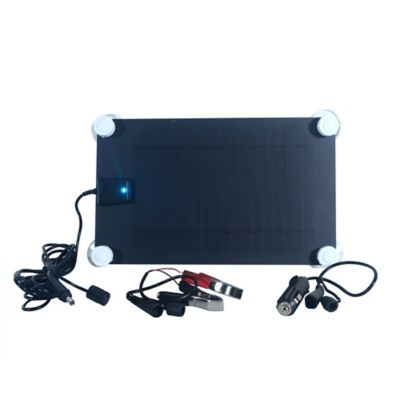
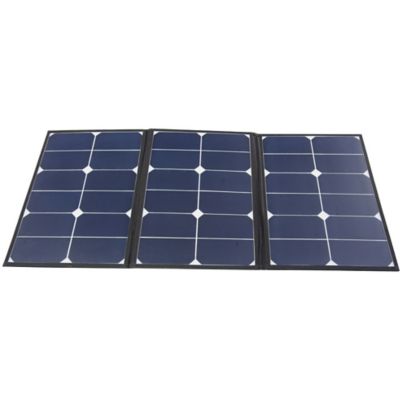
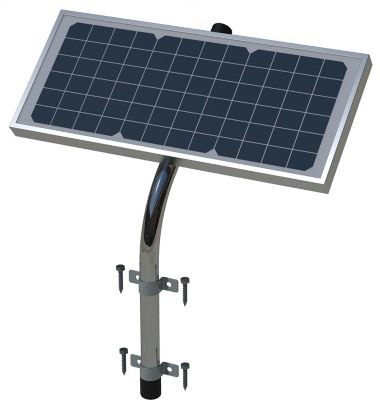
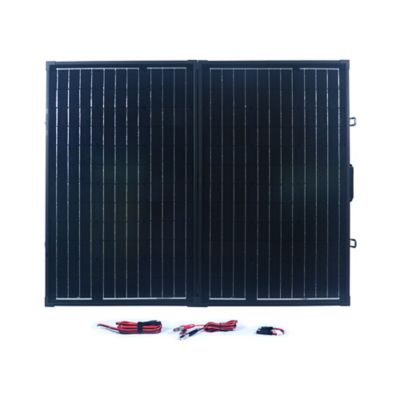
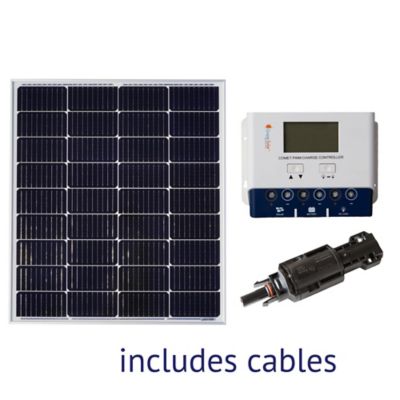
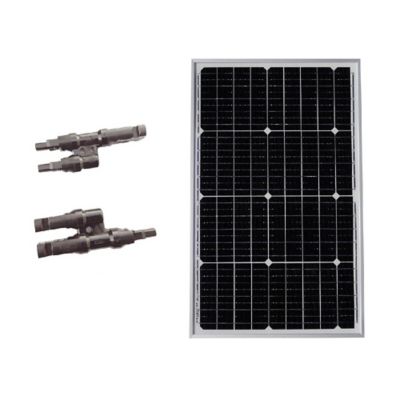
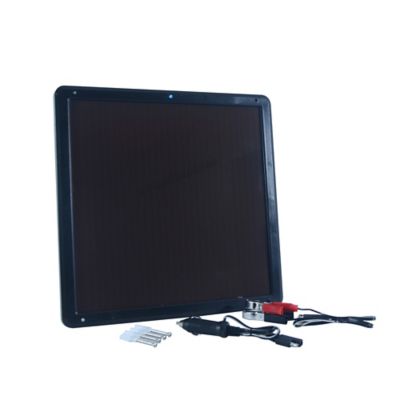
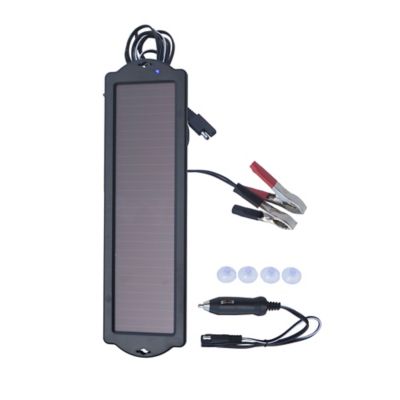
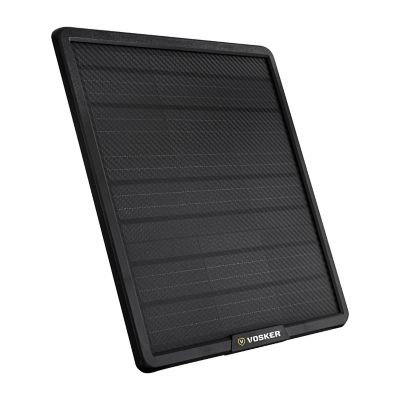
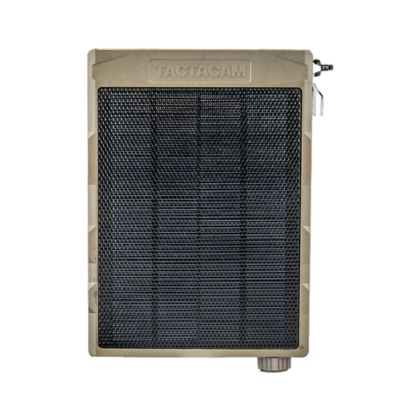
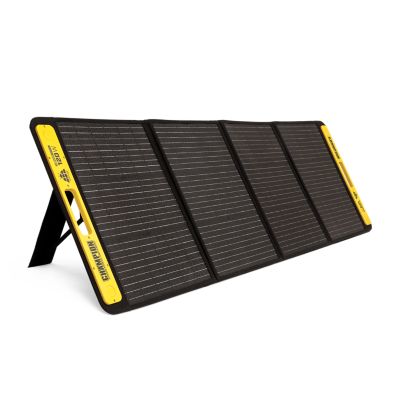
Monocrystalline solar panels convert sunlight into electricity through photovoltaic cells, each made from a single silicon crystal. That crystal structure supports efficient energy conversion, helping these panels deliver substantial power from a relatively small footprint. Many modern monocrystalline modules have rated efficiencies around 20% to 25%, though the exact figure depends on the panel’s design and construction. Efficiency describes the share of incoming solar energy converted into electricity under standard test conditions; it is not the same as the panel’s wattage rating. A larger panel with a lower efficiency rating can still produce more total power than a smaller, more efficient one. For a shed roof, an RV roof or a compact ground-mounted array, both measurements matter. Higher efficiency can help make the most of limited mounting space without requiring as much panel area for a given output. Monocrystalline cells typically have a dark, fairly uniform appearance, although frames, backing materials and cell layouts vary. Beyond their appearance, these panels fit a wide range of jobs around rural properties and recreation setups. They can supply electricity to a properly matched battery system serving cabin lights, communications equipment, fence equipment or other modest loads. Larger arrays can support more demanding applications when the rest of the electrical system is sized to match. A panel generates electricity while receiving sunlight, but it does not store that electricity on its own. Battery storage makes energy available for later, while a charge controller manages charging and an inverter supplies household-style alternating current when needed. Those separate jobs are worth keeping straight when comparing monocrystalline solar panels. Wattage indicates potential power output under specified test conditions, while watt-hours describe energy generated or consumed over time. A 20-watt light running for five hours, for example, consumes 100 watt-hours before accounting for system losses. That distinction helps connect panel specifications with the actual work expected from a solar setup.
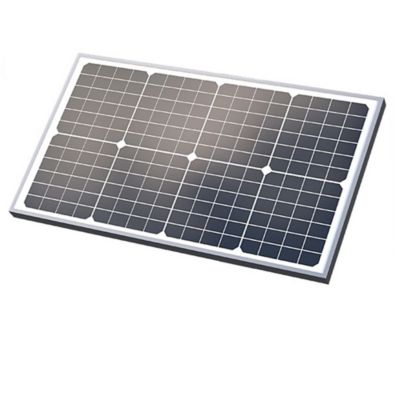
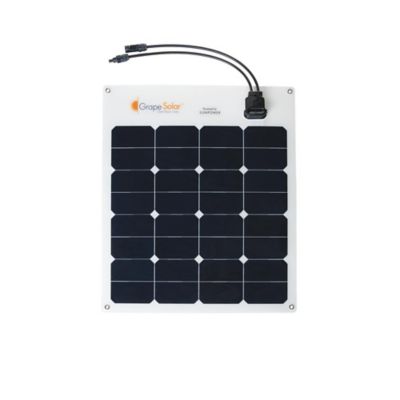
The right fit starts with the equipment being powered and the space where the panels will sit. Keeping a battery charged for occasional cabin lighting is a different task from running a water pump, a refrigerator or tools at an outbuilding. Motors and compressors may require a brief surge of power at startup, so panel wattage alone does not establish whether a complete system can handle them. Daily energy demand, battery capacity and inverter capability all play a part. Panel ratings also describe laboratory performance rather than a promise of constant output throughout the day. Sun angle, shading, dirt and electrical losses affect how much energy reaches the battery or load. A branch hanging over one corner of an array or a roof vent casting a narrow shadow can reduce production, making the mounting location just as important as the label on the panel. Physical dimensions, weight and mounting-hole locations help determine whether a module fits an RV rack, shed roof or ground frame. Clearance for wiring and access for inspection deserve room, too. Rigid monocrystalline panels commonly combine a protective glass front, encapsulated cells, a backing layer and an aluminum frame. That construction suits fixed installations where the panel has steady support. Flexible formats have different backing materials and mounting requirements, and any bending must stay within the manufacturer’s limits. Electrical compatibility needs the same attention as physical fit. A nominal voltage description does not mean a panel can connect directly to any battery with a similar label. Open-circuit voltage, operating voltage, current and total array output must fall within the limits of the charge controller or solar input. Battery chemistry also affects charging requirements. Series and parallel connections change voltage and current differently, so adding another panel involves more than finding an open patch of roof. Matched connectors, correctly sized wiring and appropriate circuit protection help the whole setup work together. For a property owner building around existing equipment, compatibility with that equipment can matter more than choosing the highest wattage printed on a panel.
Care and installation have a big say in how well monocrystalline solar panels serve over time. A sound mounting system supports the frame without placing unwanted stress on the glass or cells, while tidy cable routing keeps wiring away from sharp edges, livestock and routine foot traffic. Roof installations also need mounting hardware and sealing methods suited to the roof material. Ground-mounted systems need a secure structure and a location that leaves room for mowing, inspections and other property chores. Panels are electrical equipment, even when they are not connected to a battery, and illuminated modules can generate voltage. Larger arrays, building connections and grid-connected systems call for qualified installation and compliance with local electrical requirements. For routine care, follow the panel maker’s cleaning directions, avoid abrasive tools and check for loose hardware, damaged insulation or debris collecting around the mounting area. Protective glass and sealed electrical components help shield the cells, but an enclosure rating does not make every connection suitable for immersion or rough handling. Product coverage and power-output warranties are also different. Some rigid modules carry performance warranties extending 25 years or more; those terms generally address specified output over time rather than guaranteeing every component for the same period. Smaller and travel-oriented formats can have different coverage, so the written terms matter. Monocrystalline describes the cell technology, not whether a panel stays in one place.
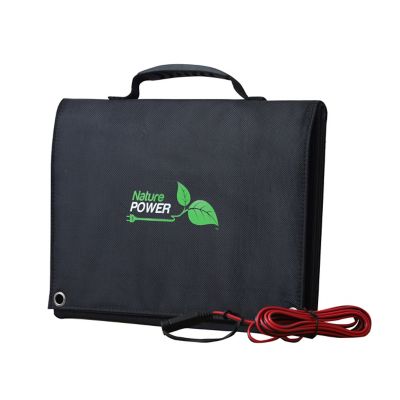
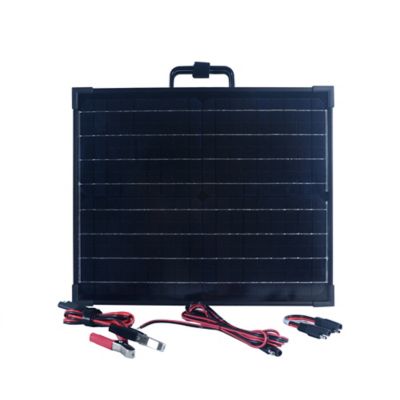
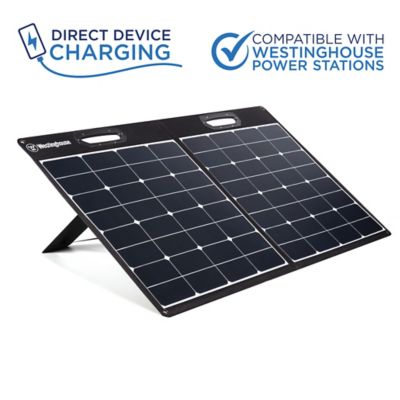
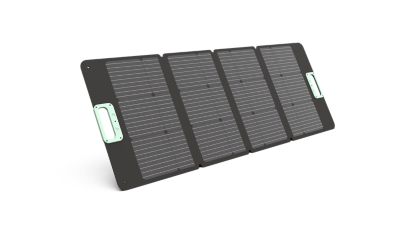
Portable Solar Panels can feature the same cell technology in a format suited to travel between a campsite, a cabin and a work area. For those setups, packed dimensions, carrying weight, support legs and connector compatibility become everyday considerations. For permanent installations, mounting strength, service access and room for a planned expansion may carry more weight. Whether the job is keeping essential lights running at a remote shed or supporting a battery system beside the camper, a well-matched panel belongs in a complete setup built around the actual electrical load.