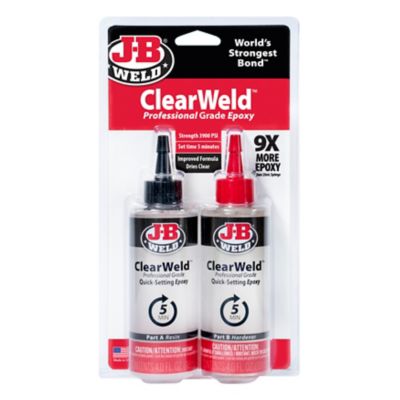
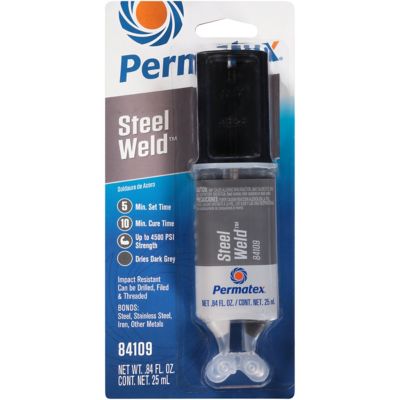
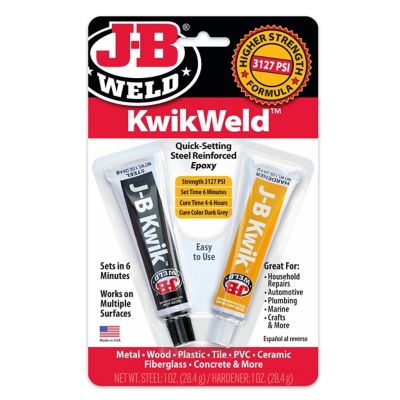
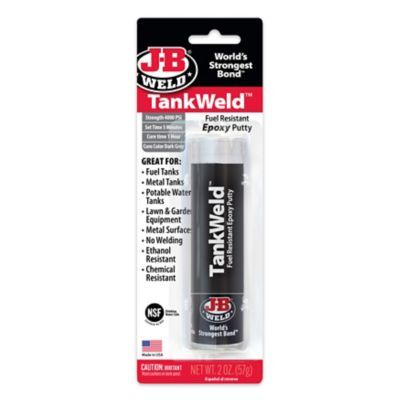
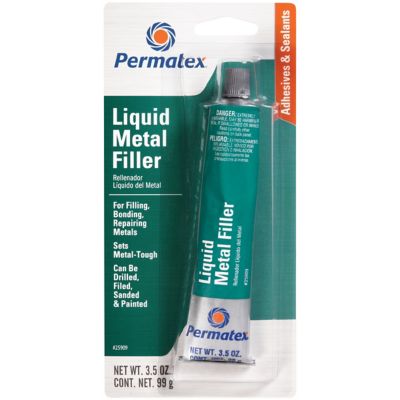
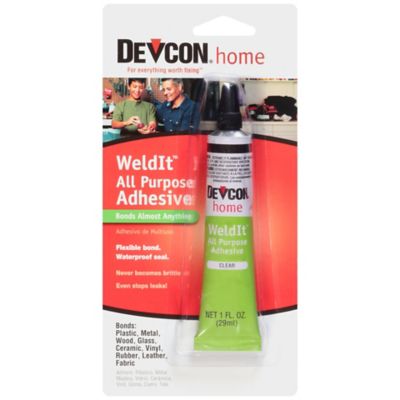
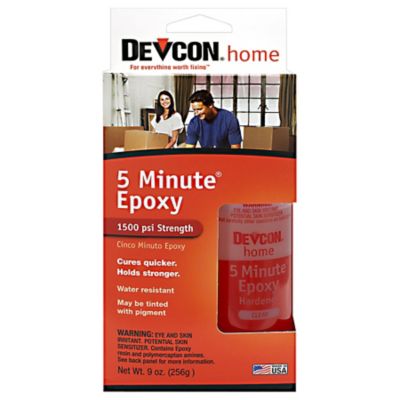
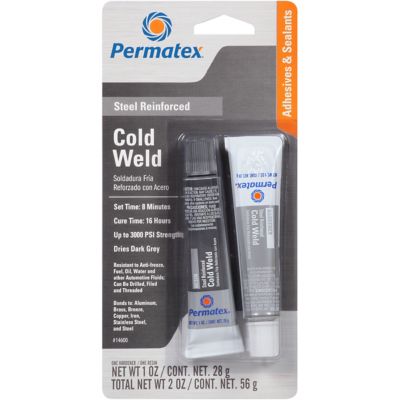
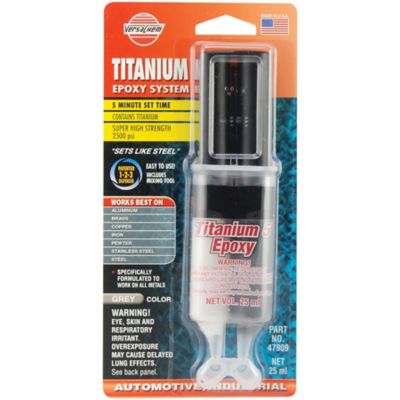
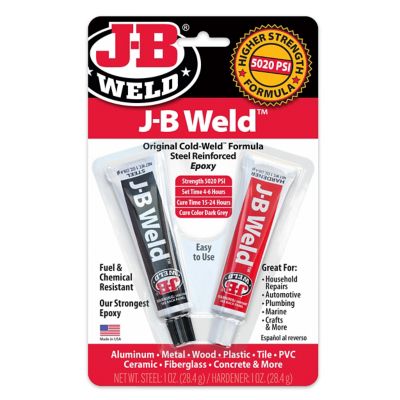
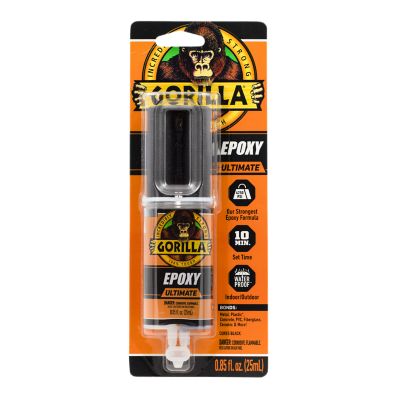
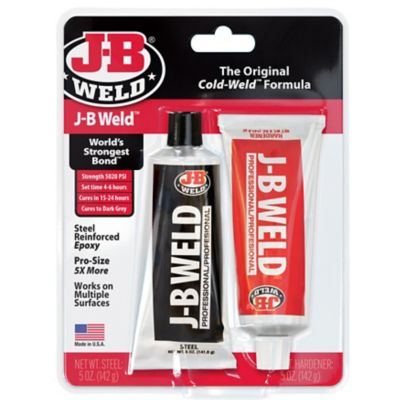
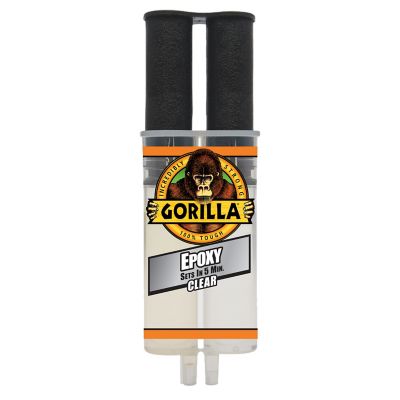
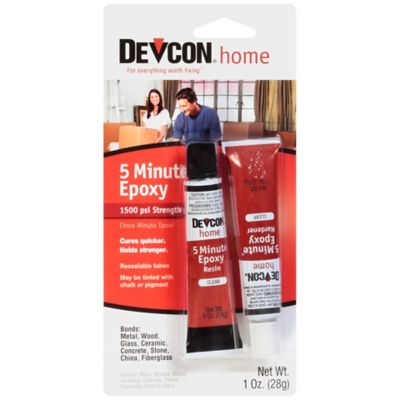
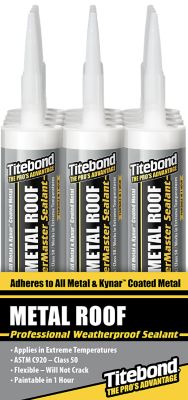
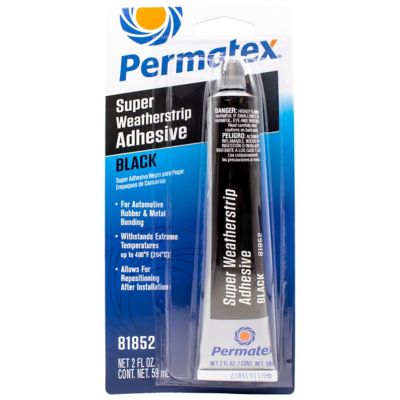
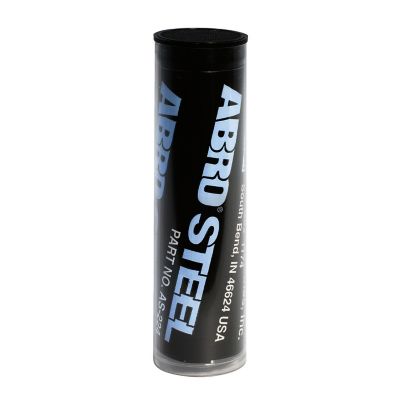
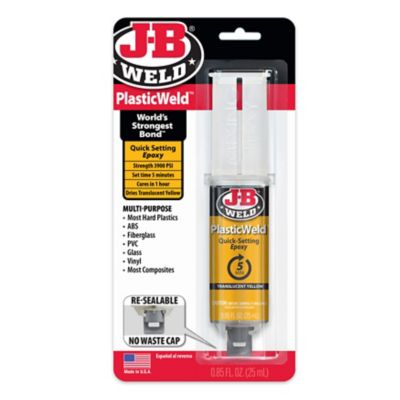
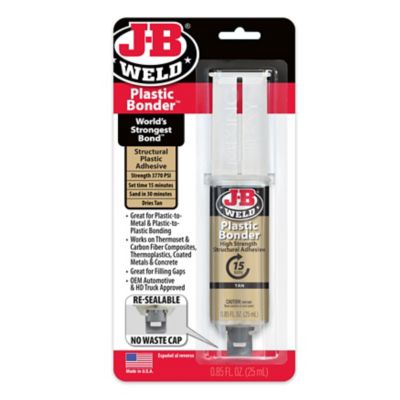
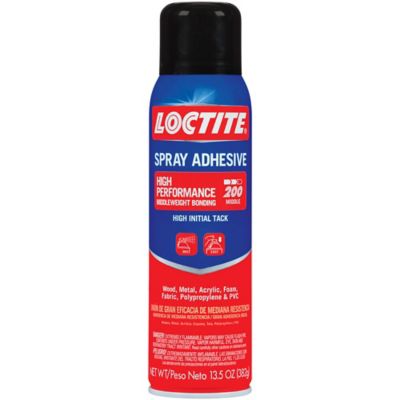
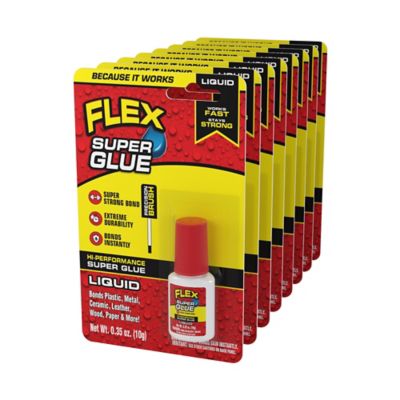
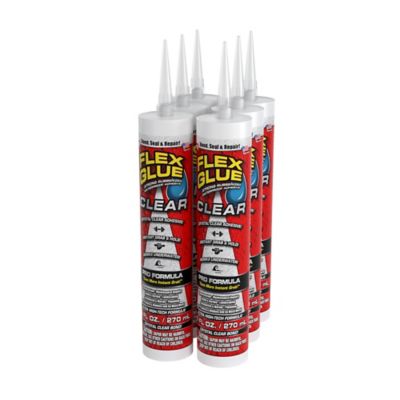
Metal adhesives bond metal parts without the drilling or concentrated heat that some other joining methods require. They earn a place on the workbench for repairs to household hardware, shop fixtures, hobby projects, and nonstructural equipment parts. The right adhesive depends on the metal, the shape of the joint, and the work that joint needs to handle—not simply the strength number on the package. Steel, aluminum, stainless steel, brass, and copper have different surfaces, and a formula that bonds well to one may not be suitable for another. Paint, plating, oxidation, and oily residue also affect how well a bond holds. Two-part epoxy adhesives combine resin and hardener to form a cured bond, making them a common choice for metal-to-metal repairs and jobs that need some gap filling. Certain metal-filled epoxies can also be sanded, drilled, or painted after full cure, as their labeling permits. Cyanoacrylate adhesives, often called super glue, suit small, close-fitting parts where a thin bond line matters more than filling a missing section. Their quick grab can be handy for a lightweight metal detail, but ordinary formulas may not handle repeated impact or peeling forces well. Polyurethane adhesives and structural acrylic adhesives offer other bonding characteristics, with some formulations better suited to movement, vibration, or mixed materials. Those properties vary by formula, so the adhesive family alone does not tell the whole story. For a loose metal nameplate on a toolbox, a neat, thin application may be the main concern. For a small gap in a non-load-bearing metal housing, a thicker, gap-filling formula may make more sense. Farm owners, mechanics, metalworkers, and folks keeping a home shop running all have different repair needs, but the goal is much the same: a bond that fits the materials and the job without creating extra work down the road.
Fit and joint design matter just as much as the adhesive itself. Broad, overlapping surfaces generally give metal glue more room to hold than two narrow edges meeting end to end. A bond that resists force sliding across its surface may still struggle when one edge is pulled away, so a published strength rating is not a promise for every repair. Thin sheet metal that flexes, a rigid cast part, and a metal panel attached to wood each place different demands on the joint. Liquid adhesives can reach tight spaces, while gels and pastes offer more control on upright surfaces and around uneven edges. Kneadable epoxy putties provide another option for shaping material around certain gaps or missing sections, where the formula is rated for that application. None of these forms makes up for a cracked load-bearing component or a joint that needs mechanical reinforcement. Surface condition is another practical consideration, especially on parts coming off a mower deck, a shop cabinet, or a greasy workbench. Adhesive needs contact with a sound surface rather than loose rust, flaking paint, or a film of oil. Manufacturer directions may call for cleaning, light abrasion, and complete drying before application; coated or plated metals can require different preparation from bare metal. Metal-to-plastic bonding adds another layer of compatibility because plastics do not all respond alike. Polyethylene and polypropylene, for example, often need adhesives or surface treatments specifically intended for them. For projects joining a metal fitting to a plastic component,
Epoxy Adhesives For Plastics offers a related category to consider, with suitability for both surfaces remaining the deciding factor. The finished appearance matters, too. Cured color, the thickness of the bond line, and whether excess material can be trimmed or sanded all affect how a repair looks. A dark filler may blend into one shop repair but stand out against bright aluminum or polished brass.
Working time and cure time help determine how comfortably an adhesive fits the task. Working time is the window for mixing, applying, and positioning the parts; initial set means the bond has begun to firm up, not necessarily that it can carry its intended load. Full cure can take considerably longer, and the exact timing belongs to the formula’s directions. A fast-setting metal adhesive can suit a small part that is easy to align, while a longer working time leaves room to position a broad panel or several mating surfaces without rushing. Two-part formulas also need the specified mixing ratio and thorough blending, whether they come in separate containers, paired dispensers, or putty form. More hardener does not automatically mean a faster or stronger repair. Clamps, tape, or a simple support may help keep pieces from shifting during cure, but excessive pressure can squeeze too much adhesive out of the joint. Long-term performance depends on what the bond encounters after that waiting period. Repeated vibration, impacts, moisture, oil, cleaning chemicals, and service heat can affect adhesives differently, so resistance claims need to match the actual exposure. Water resistance is not the same as approval for continuous submersion, and oil resistance does not establish suitability for a fuel-system repair. Likewise, a metal-filled adhesive is not a replacement for welding or an approved fastener on safety-critical parts. Brakes, steering components, lifting equipment, pressure vessels, and load-bearing connections call for the repair method specified by the equipment manufacturer or a qualified professional. For everyday bonding tasks, care continues with keeping the repaired area within the adhesive’s stated limits and checking for lifting edges, cracks, or movement before putting the part back to work. Package size, dispensing control, resealable closures, and storage directions also matter on a busy bench. A manageable amount and a clean applicator can make a small repair less messy, while proper storage helps preserve the remaining material for its stated shelf life. Matching those practical details to the job is what makes metal adhesives useful tools rather than a one-formula answer to every broken part.