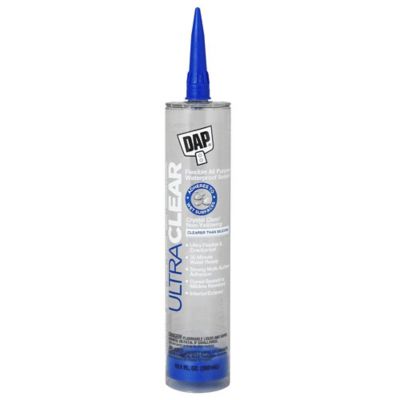
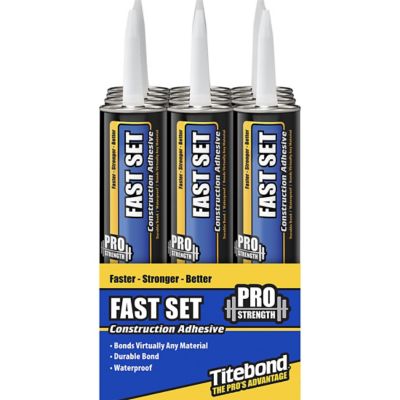
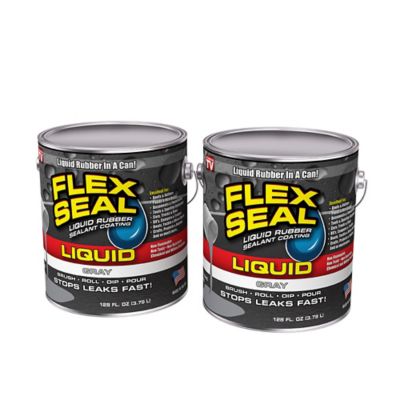
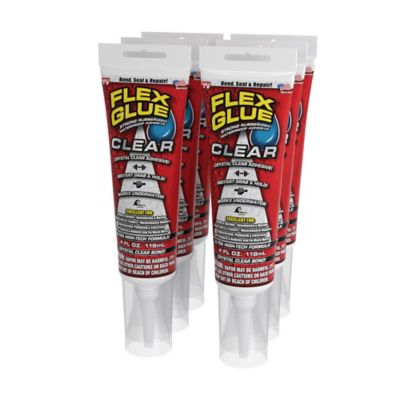
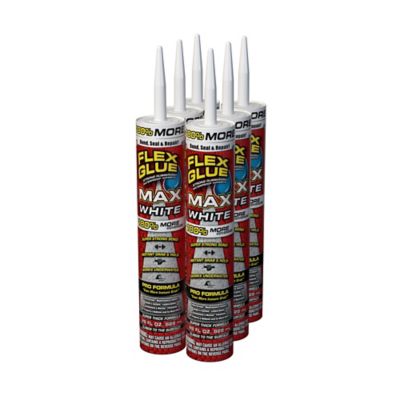
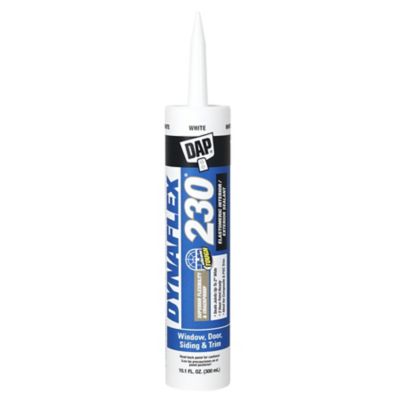
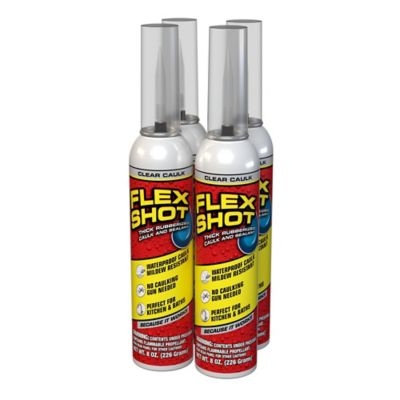
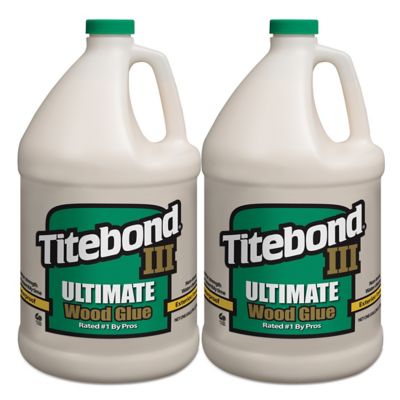
Waterproof construction adhesives are made for jobs where an ordinary household glue may not hold up to moisture, changing temperatures, or the everyday movement of a working building. They can create a strong, weather-resistant bond between common construction materials such as wood, metal, stone, masonry, brick, concrete, drywall, ceramic, and some plastics. Around a farm, shop, garage, or home, that may mean securing trim on an outbuilding, attaching a sill plate or threshold, repairing a loose stair tread, bonding a panel, setting masonry accents, or helping hold materials in place while mechanical fasteners are installed. These adhesives are also handy for outdoor repairs that see rain, humidity, splashing water, and seasonal temperature swings. Keep in mind that “waterproof” usually describes the bond after the adhesive has fully cured, not every stage of application. A fresh bead may still need protection from rain, standing water, frost, or heavy use while it sets. Always check the package directions for approved materials, indoor or outdoor use, cure time, temperature limits, and whether the adhesive is intended for a load-bearing application. For a wider selection of products suited to household fixes, workshop projects, and building repairs, browse
Hardware Adhesives. Matching the adhesive to the job is the best way to get a bond that stays put through muddy boots, blowing dust, summer heat, and the cooler months ahead.
Start by identifying the materials you are joining and the conditions around the repair. Wood-to-wood and wood-to-masonry projects may call for a different formula than metal-to-concrete or a smooth, nonporous surface. Polyurethane construction adhesives are often chosen for demanding indoor and outdoor work because they can bond a broad range of building materials and may cure with moisture in the air or on the surfaces. Hybrid polymer formulas are valued for flexibility and weather resistance, which can help when bonded materials expand, contract, or shift slightly with temperature and moisture. Solvent-based formulas may work well for certain heavy-duty repairs and can bridge small gaps, but they may have stronger odors and different ventilation requirements. Some adhesives remain slightly flexible after curing, making them useful around exterior trim, siding details, masonry, and other areas exposed to vibration or movement. Others cure to a firmer bond for panels, subfloors, or stable construction materials. Gap-filling ability varies considerably, and no adhesive should be used to make up for a poor fit or to replace screws, bolts, nails, anchors, or other fasteners when the project calls for them. For outdoor work, look for clear guidance about rain exposure, freeze-thaw cycles, UV exposure, and use on damp surfaces. A formula that can cure in slightly damp conditions is not automatically approved for application to standing water, frozen material, or a surface covered in mud. During warmer weather, heat can speed the skinning and curing process, while cooler air can slow it down, so plan the repair with the full cure time in mind.
Good surface preparation often matters as much as the adhesive itself. Remove loose paint, old caulk, dirt, grease, sawdust, rust scale, and flaky mortar before applying the bead. A stiff brush, scraper, shop vacuum, or suitable cleaner can make a noticeable difference, but allow any cleaner or rinse water to dry as directed before bonding. Smooth surfaces may need light abrasion to give the adhesive more grip; wipe away the dust afterward. Materials should fit together closely unless the label specifically states that the formula is designed to bridge a particular gap. Apply a steady bead or several smaller beads according to the instructions, then press the pieces together and use clamps, braces, painter’s tape, weights, or temporary supports when needed. In a barn or detached shop, a simple scrap of lumber and a clamp can hold a repair steady while the adhesive cures. Avoid disturbing the joint too soon, even if the surface feels firm, because the center of a thick bead can remain uncured longer than the outside. Wear gloves and eye protection, provide ventilation, and follow all label warnings for flammability, skin contact, cleanup, and disposal. Store unopened adhesive in a dry place away from excessive heat and freezing conditions, and close the container promptly after use. Whether it is being picked up for a weekend fence-and-gate repair, a renovation project, a maintenance kit, or a practical gift for a new homeowner, waterproof construction adhesive is a useful addition to the toolbox when the right formula, clean surfaces, solid support, and adequate cure time all come together.