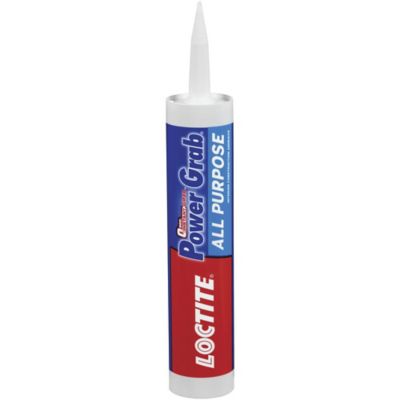
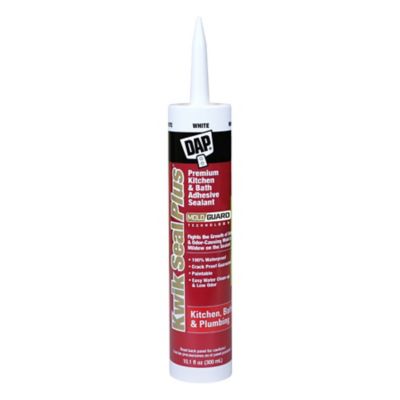
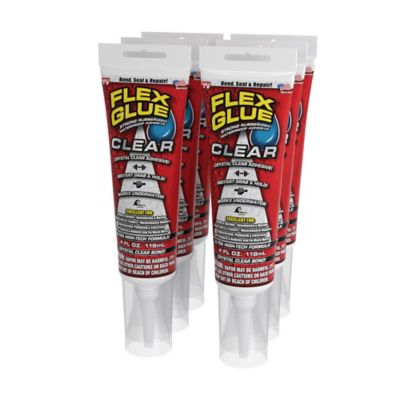
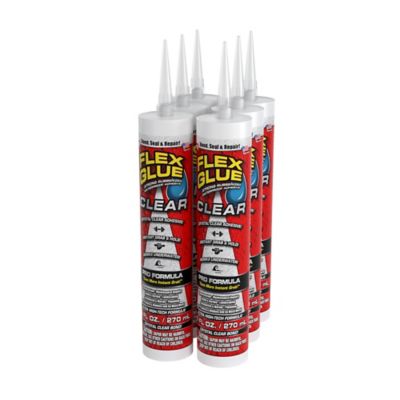
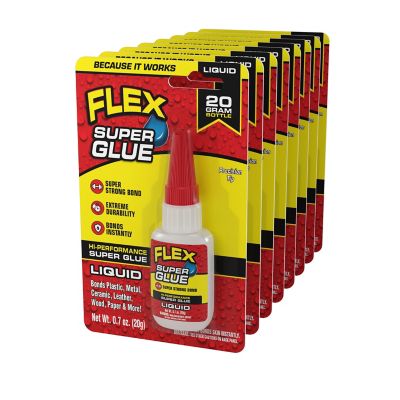
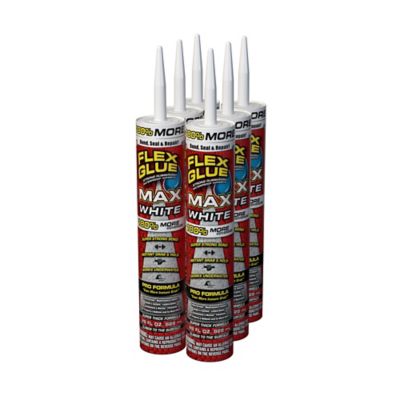
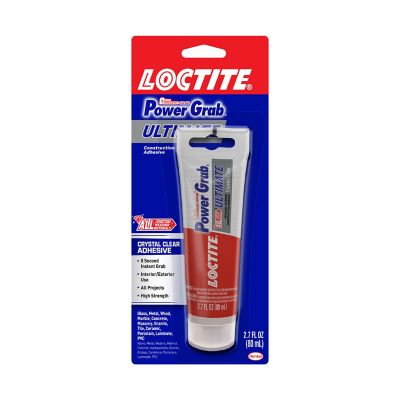
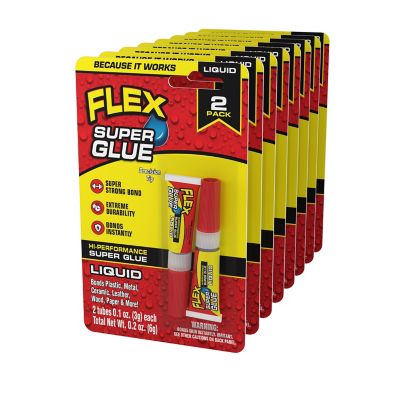
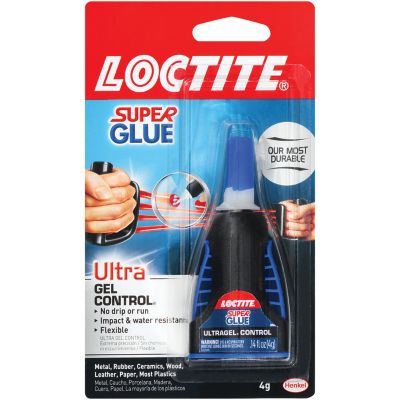
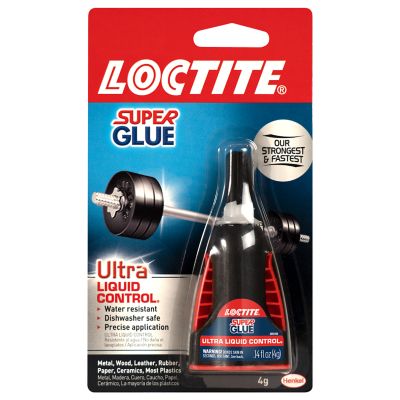
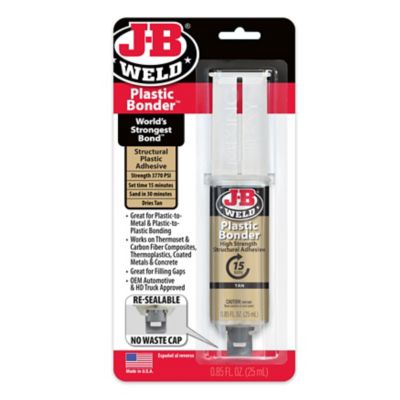
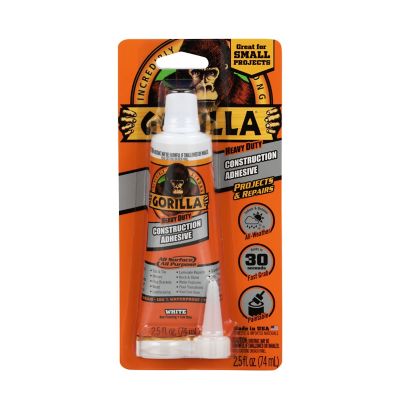
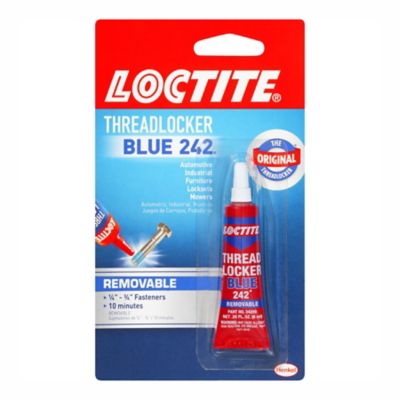
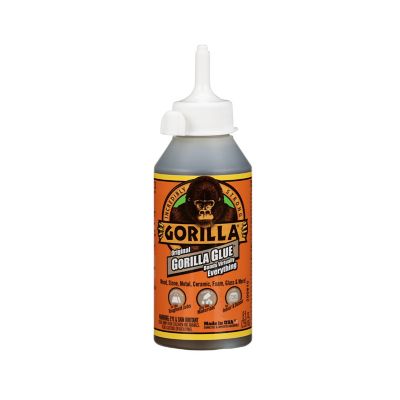
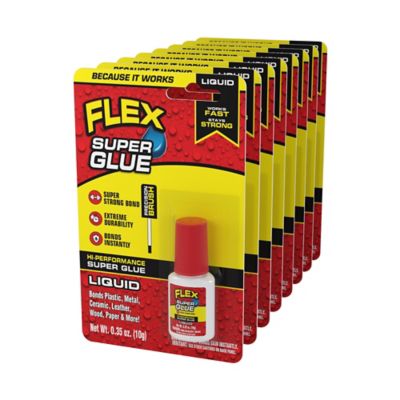
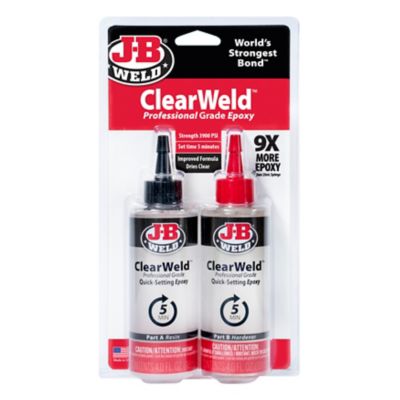
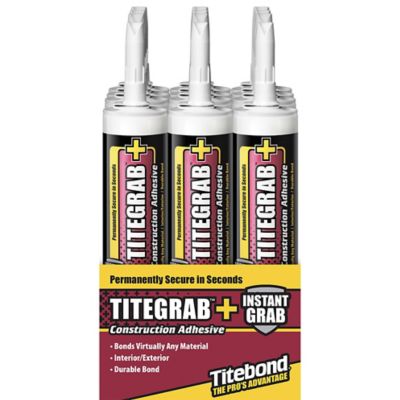
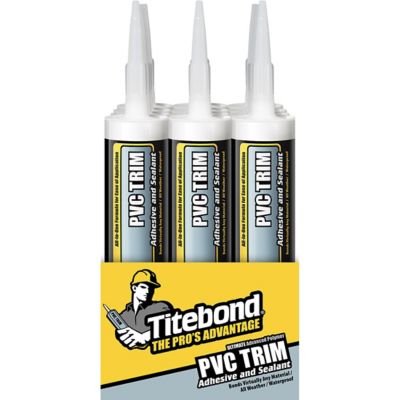
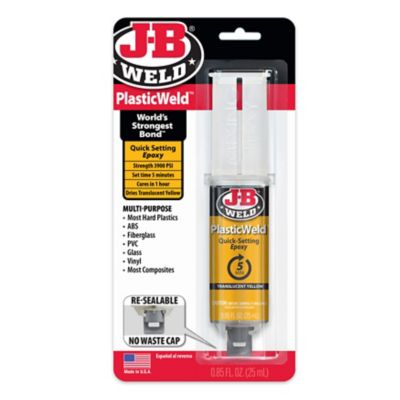
Hardware adhesives help hold materials together, secure threaded connections and handle repairs where a nail or screw alone may not suit the job. Around a farm shop, garage or house, that can mean bonding a loose wood joint, attaching trim or joining two different materials without a visible fastener. The right adhesive depends on the surfaces involved, how closely they fit and what the finished bond needs to handle. Wood, metal, glass, ceramic, masonry and plastic each have different bonding requirements, so a label that names the actual material matters more than a broad claim about strength. Two-part epoxy combines resin and hardener to form a strong bond, with many formulas suited to rigid repairs and small gaps in compatible materials. Cyanoacrylate, often called super glue, typically suits small, close-fitting parts where a little adhesive needs to hold without a thick bond line. Wood glue is made for compatible wood-to-wood joints, while construction adhesive serves larger attachment jobs such as bonding certain panels, trim and building materials. Threadlocker has a different purpose: it helps keep threaded metal fasteners from loosening under vibration rather than joining broad surfaces. These categories are not interchangeable, even when their packages describe similar levels of strength. A close-fitting cabinet joint and a metal bracket with an uneven contact surface call for different properties. Porous surfaces may absorb liquid, while smooth, nonporous surfaces give an adhesive less texture to grip. Some plastics, including polyethylene and polypropylene, need a formula or treatment specifically intended for them. Painted and coated surfaces bring another consideration, since the bond may be only as secure as the coating underneath it. For homeowners, woodworkers, farm owners and folks keeping a workshop running, hardware adhesives offer several ways to match the connection to the task. A good match starts with the material and ends with a bond suited to the way that repair or assembly will actually function.
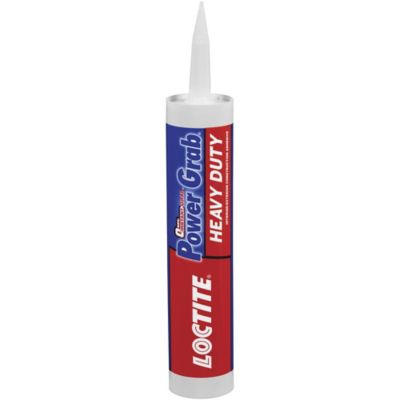
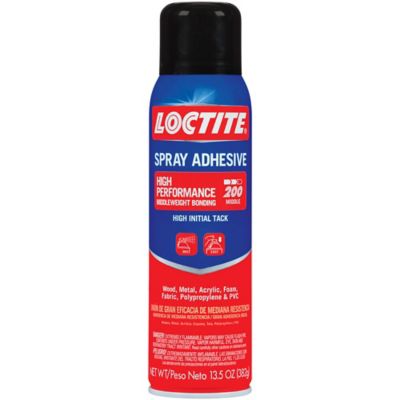
Consistency, working time and cured finish make a noticeable difference once a repair moves from the bench back into service. Thin liquids can reach narrow, close-fitting joints when the formula permits, but they can also run across a visible surface or soak into porous material. Gels and pastes offer more control on upright surfaces and may help bridge small gaps when their labeling allows it. Gap-filling ability does not mean an adhesive can replace missing structural material or support any load; the allowable gap and application still depend on the formula. Larger attachment jobs may call for a cartridge and dispensing gun, while small assemblies often benefit from a narrow nozzle that puts adhesive only where it belongs. Two-part formulas require the specified mixing ratio and thorough blending, whether their components come through a mixing nozzle or are measured separately. Working time describes the window for positioning parts, and that window can matter when several edges need to line up before the assembly stays put. Initial grab, handling strength and full cure describe different stages. A part that feels steady after a short wait may still need more time before it can bear a load, encounter water or return to regular service. Clamping requirements also vary. A wood joint may need even pressure across its mating surfaces, while another adhesive needs a particular bond-line thickness to perform as intended. Clear-drying formulas can help keep a visible seam less noticeable, though a transparent bond is not necessarily invisible. Other adhesives cure to an opaque finish, making color, paint compatibility and sanding suitability worth considering for exposed work. A repaired drawer front, a shop storage assembly and concealed trim each put different demands on appearance. Pairing adhesives with suitable clamps, fasteners and
Hardware Accessories can help keep parts aligned and support an assembly where its design calls for mechanical attachment. Adhesive and hardware often serve different roles within the same job, rather than acting as substitutes for one another.
Long-term bond performance depends on more than how firmly two pieces stick at first. A rigid bond may suit a stationary repair but struggle where parts repeatedly bend or peel apart. Assemblies exposed to vibration, moisture, oil or cleaning agents need an adhesive with the appropriate resistance for that exposure. Water-resistant and waterproof claims have specific limits, and neither should be taken to mean approval for continuous immersion, drinking-water contact or contact with animal feed. Those applications need explicit suitability from the manufacturer. The same caution applies to load-bearing structures, lifting equipment and safety-related repairs, where an adhesive should never stand in for an approved repair method. For threaded connections, threadlocker strength and fastener compatibility deserve special attention. Some formulas allow disassembly with ordinary hand tools, while others are intended for connections that are not routinely taken apart. Choosing with future maintenance in mind can spare a long struggle the next time a machine cover or bracket needs removal. Surface condition matters across nearly every adhesive category: dust, grease, loose fibers and flaking finishes can keep a bond from reaching sound material. Cleaning and any recommended surface preparation should follow the adhesive label and the requirements of the material itself. Excess adhesive also needs attention before it spoils a finish, since cleanup methods differ between uncured and cured material, and a solvent suitable for metal may damage plastic or paint. Gloves, eye protection and ventilation should match the label and safety information, especially during mixing or solvent cleanup. After a job, clean dispensing tips and tightly closed caps help limit clogging and contamination; storage directions and shelf-life information still apply to partially opened containers. Keeping labels readable makes it easier to check cure times and application limits before the next repair. Whether the task is a tidy woodworking joint or a vibration-prone threaded connection on shop equipment, the most useful hardware adhesive is the one matched to the material, joint design and demands of everyday service. That practical fit helps a repair earn its place back in the house, barn or workshop.