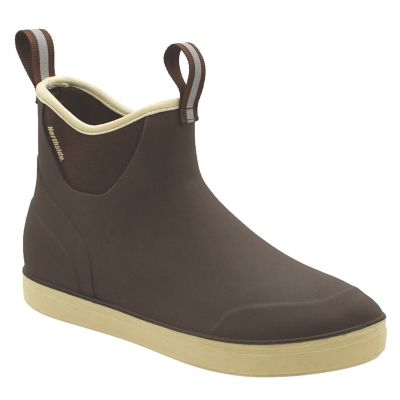
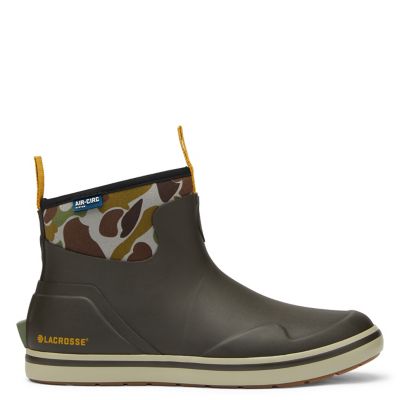
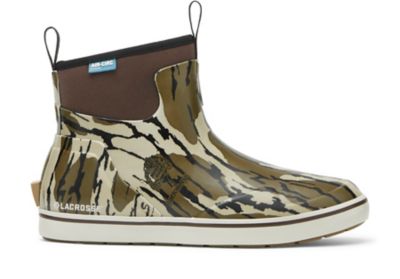
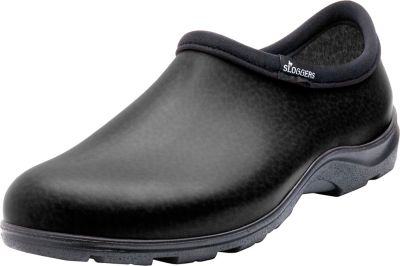
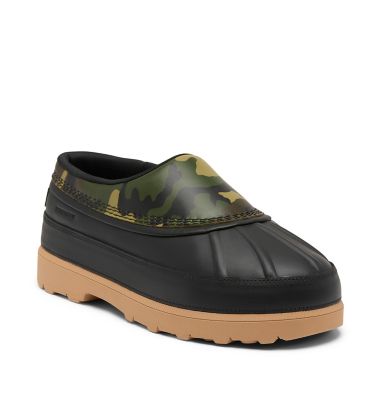
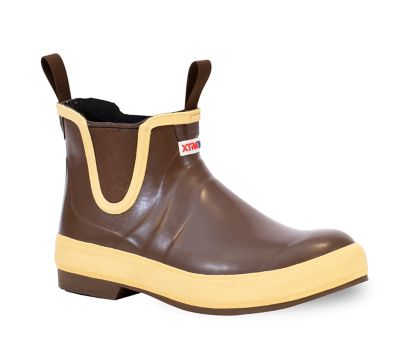
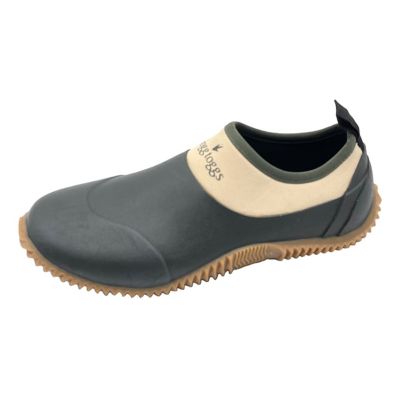
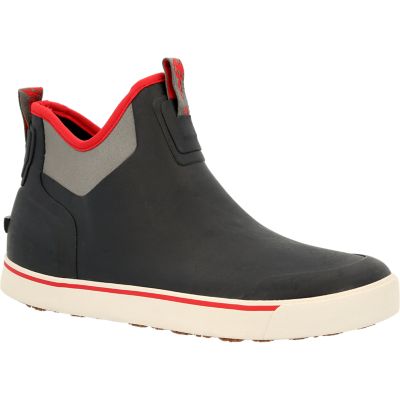
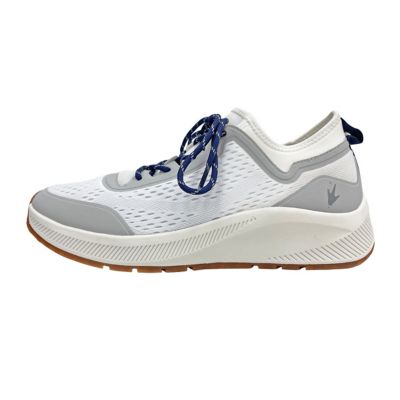
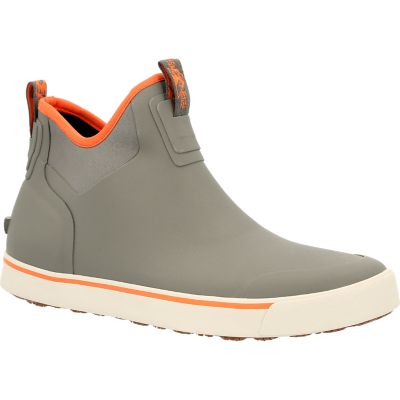
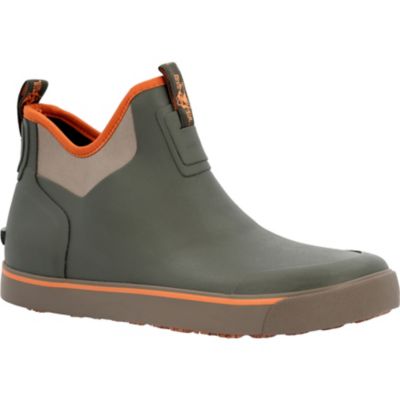
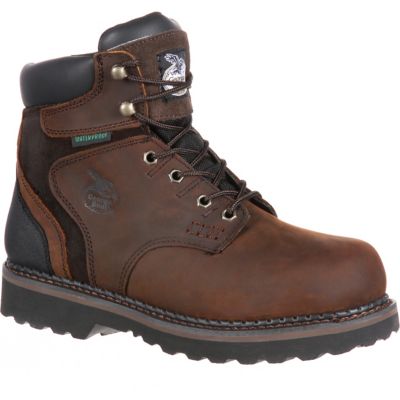
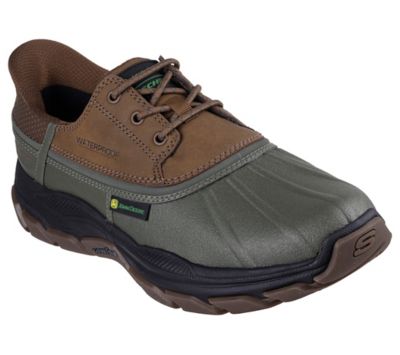
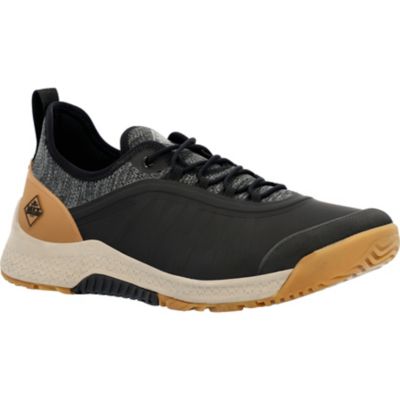
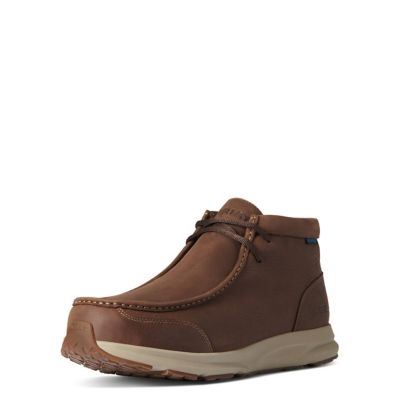
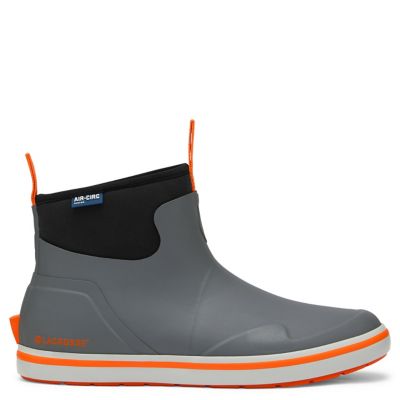
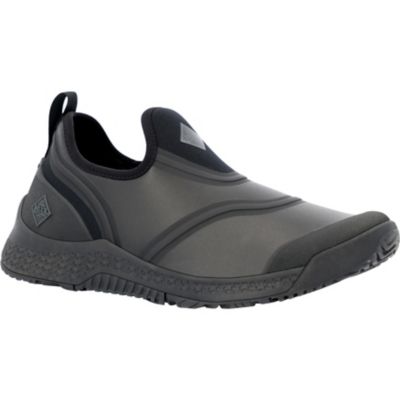
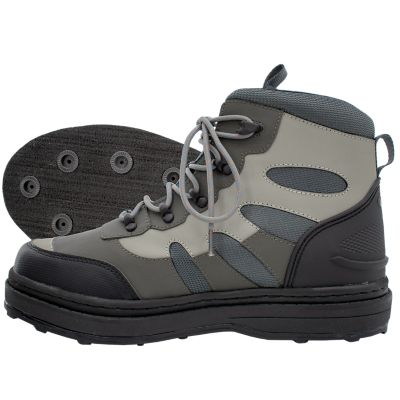
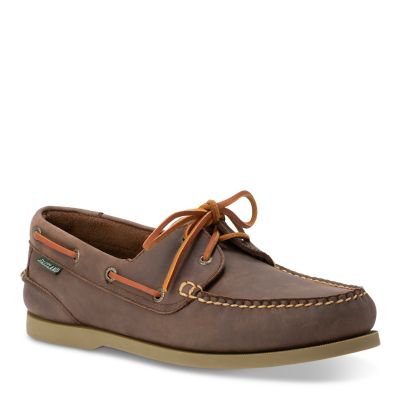
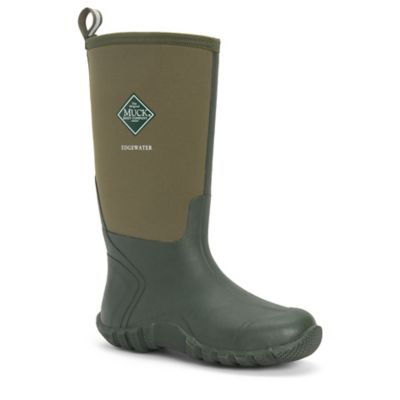
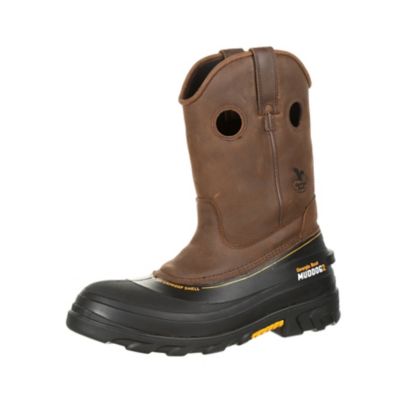
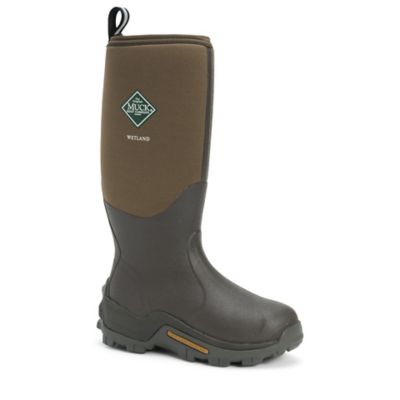
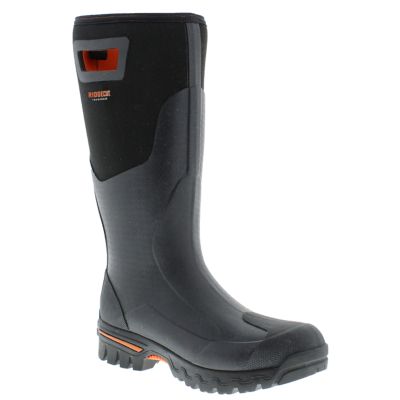
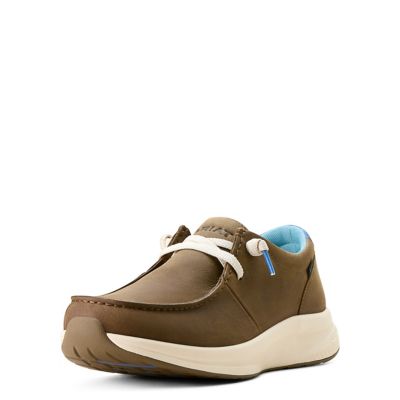
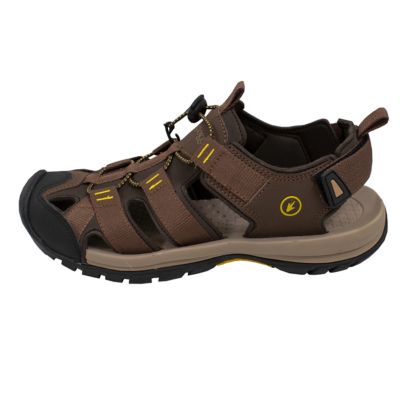
Men’s waterproof boat shoes bring together a low-cut, easygoing fit and protection against water, making them a practical choice for time around boats, docks, marinas, and lakeside property. Their appeal goes beyond looking at home beside the water: the right construction helps keep feet dry through splashes, while a flexible sole makes it easier to move between the deck, dock steps, and a paved walkway. Waterproof construction can include treated leather, synthetic uppers, an internal waterproof membrane, sealed seams, or a combination of these features. Those details matter because waterproof and water-resistant aren’t interchangeable. Water-resistant materials can shed light splashes, while waterproof footwear is built to block water under the conditions stated by its manufacturer. Neither description means water can’t enter over the collar of a low-cut shoe. That distinction is worth keeping in mind when launching a fishing boat, reaching across a wet dock, or stepping near the shoreline. Drainage holes and mesh panels serve a different purpose: they let water escape and encourage drying, rather than necessarily keeping water out. A shoe that drains quickly isn’t automatically waterproof. Underfoot, boat-shoe construction often centers on rubber outsoles, sometimes with siping, the small cuts that help move water away from the contact surface. Non-marking rubber can help limit scuffs on boat decks, though that feature should be confirmed in the footwear details. Traction depends on the tread, the surface, and its condition; wet wood, algae, and oily patches still call for careful footing. For a man who spends a Saturday checking dock lines, hauling a tackle bag, or taking the family out on the lake, waterproof boat shoes offer a balance of water protection and everyday comfort without the height of a deck boot. Their low profile also makes sense for heading from the landing to lunch, provided the setting doesn’t call for deeper water protection, heavy work footwear, or a safety toe. They’re footwear for life close to the water, not a substitute for waders or specialized work boots.
Materials and fit shape how men’s waterproof boat shoes feel over a full day, especially when a short boat ride turns into hours of standing, walking, and carrying gear. Leather uppers can provide structure and develop a softer feel with wear, but they need care suited to the leather and its finish. Synthetic materials vary in weight, flexibility, and drying time, so the full construction tells more than the upper material alone. A waterproof lining may help block outside moisture, but breathability still matters when feet are active. Socks also affect comfort: moisture-managing fibers can help move perspiration away from the skin, while the sock’s thickness changes how snugly the shoe fits. There should be room for toes to spread without the foot sliding forward, and the heel should stay seated without rubbing or lifting excessively. A close fit shouldn’t mean pressure across the ball of the foot or a tight spot over the instep. For men with wider feet, an appropriate width can matter more than simply choosing a longer size. Lace-up designs allow adjustments across the top of the foot, while slip-on styles depend more heavily on getting the opening, instep, and heel fit right. Cushioning can take some of the edge off long stretches on firm dock boards or pavement, and a supportive footbed may feel better during time spent upright. Removable insoles can make drying and cleaning easier where the shoe’s construction permits. Sole flexibility matters, too: enough bend at the forefoot helps with walking and crouching, while some structure underfoot can make the shoe feel steadier. A pair that feels pleasant sitting down should also feel secure when climbing a dock ramp or carrying a cooler with both hands. The most useful fit leaves feet comfortable without making the shoe loose, and it works with the socks likely to be worn on the water. Leather may soften, but a waterproof boat shoe shouldn’t need a painful break-in period to become wearable.
Good care helps waterproof boat shoes hold up to repeated outings and keeps grit, salt, and trapped moisture from taking an unnecessary toll. Fine sand can work into seams and linings, while dried salt can leave residue on uppers and soles. After a day near the water, a gentle wipe or soft brushing can clear away loose dirt before it settles into creases. Cleaning methods should match the material and the manufacturer’s directions, particularly when a shoe combines leather, fabric, adhesives, and a waterproof lining. A treatment meant for one material may not suit another, and heavy coatings can change the feel or appearance of an upper. Air-drying away from direct heat is generally easier on footwear than placing it beside a heater or leaving it against a hot surface. Where removable footbeds are present, taking them out helps air reach the inside. Opening the laces also gives damp linings a better chance to dry. Even waterproof shoes can collect moisture from perspiration or from water coming over the collar, so drying time matters between outings. Keeping the outsole clear of packed grit helps preserve contact with the deck, and checking for worn tread, separating edges, or damaged seams gives a clearer picture of when protection or footing may be compromised. These shoes suit anglers, boat owners, marina visitors, and men whose daily rounds include a dock or waterside walkway. They can also make a thoughtful gift for a dad, husband, or fishing partner when his size, width, and preferred style are known. For everyday wear where a lighter feel is a priority,
Mens Lightweight Waterproof Shoes offers another footwear category to consider alongside boat-focused styles. The best match comes down to where the shoes will go: a low-cut pair for splashes and deck time serves a different job from footwear meant for standing in water. Keeping that intended use in mind makes it easier to choose a pair that feels at home on the boat and comfortable once the lines are tied.