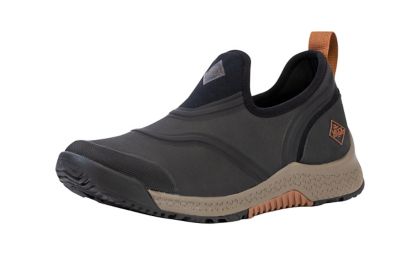
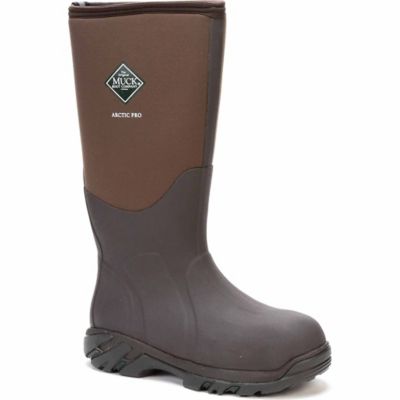
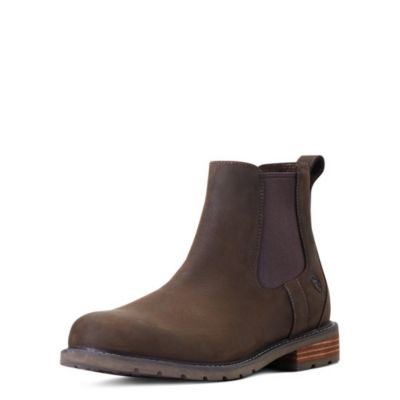
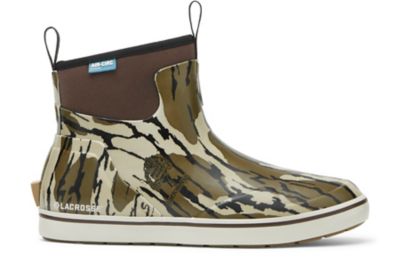
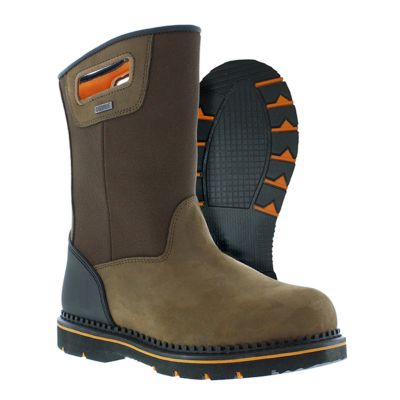
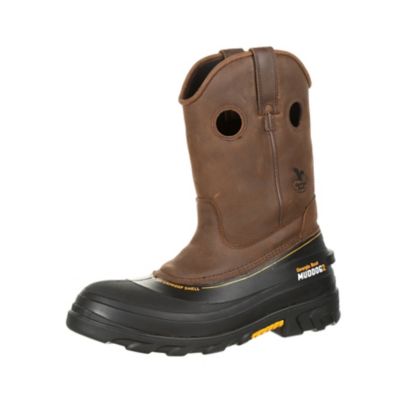
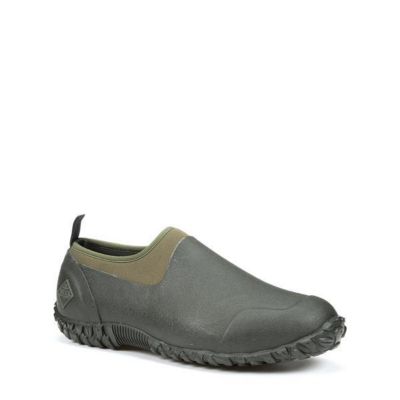
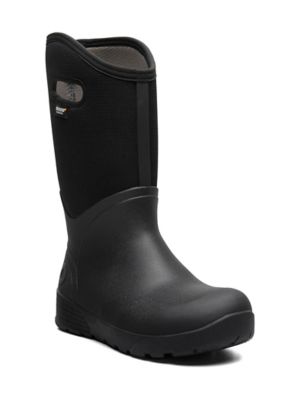
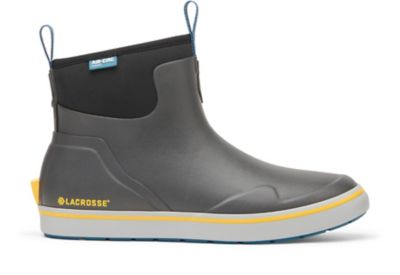
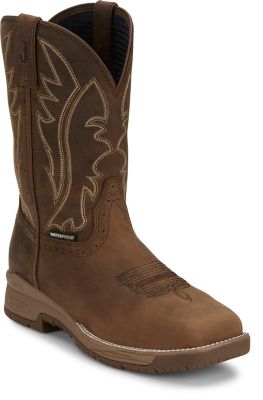
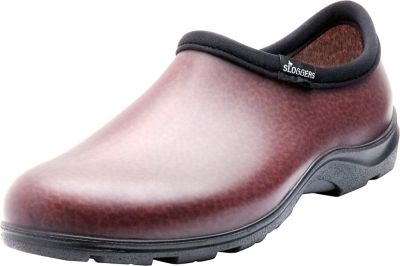
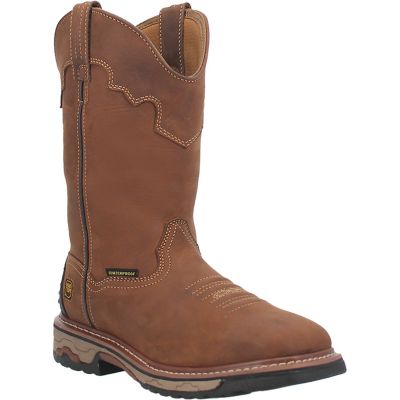
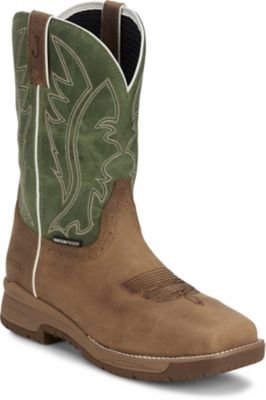
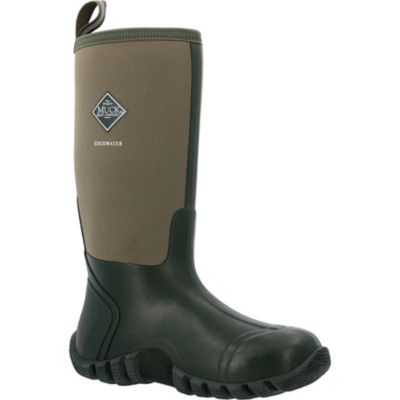
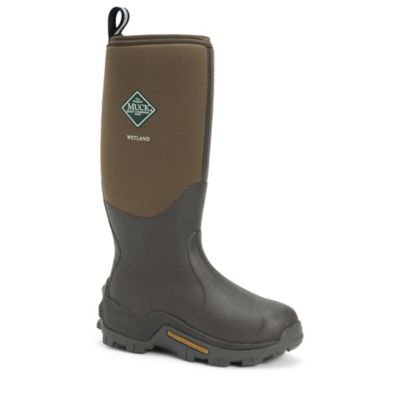
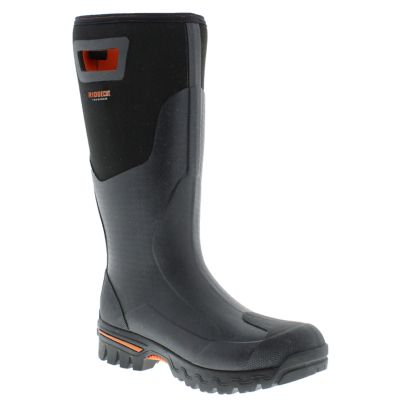
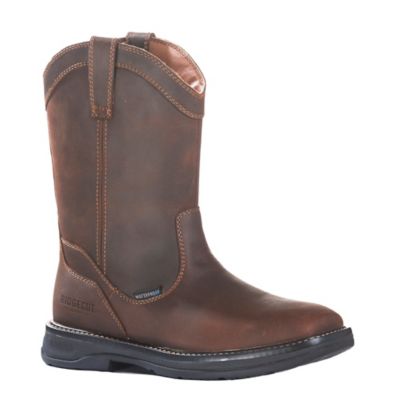
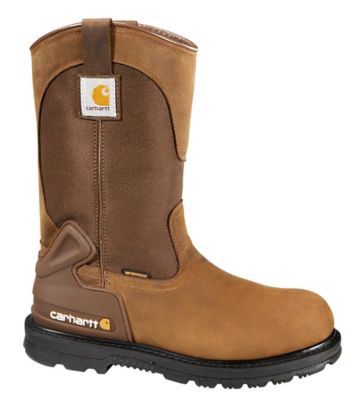
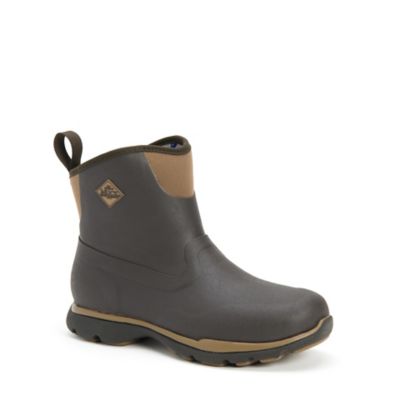
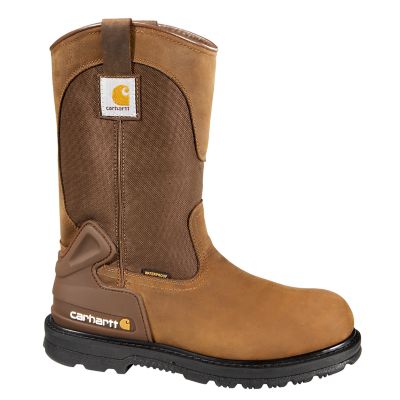
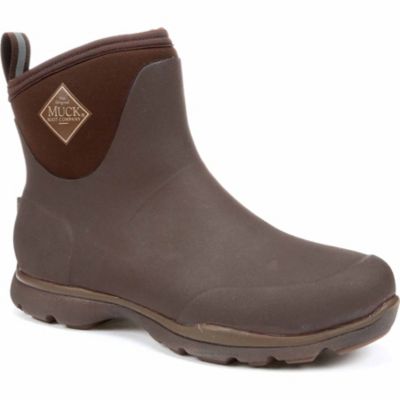
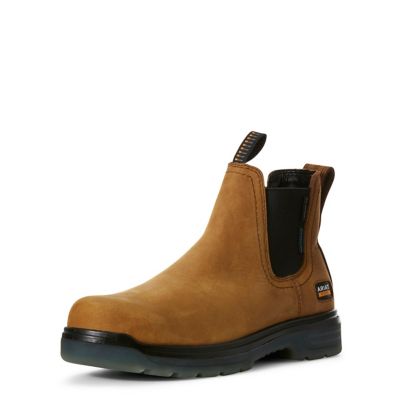
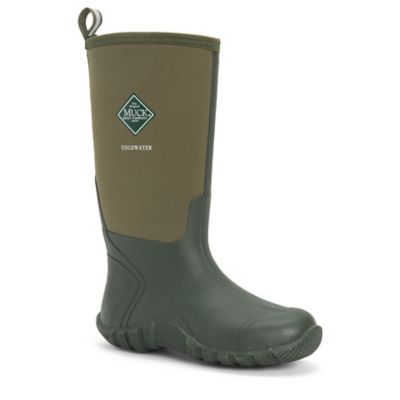
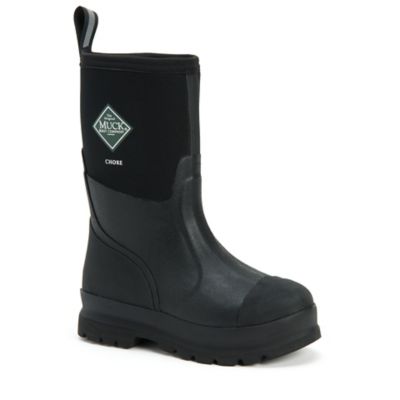
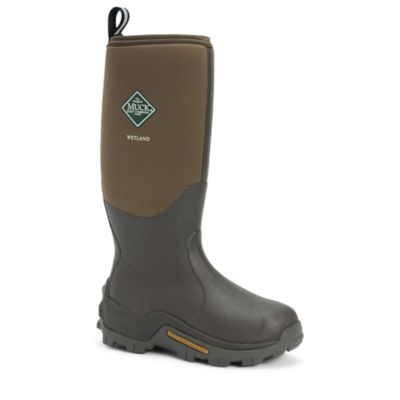
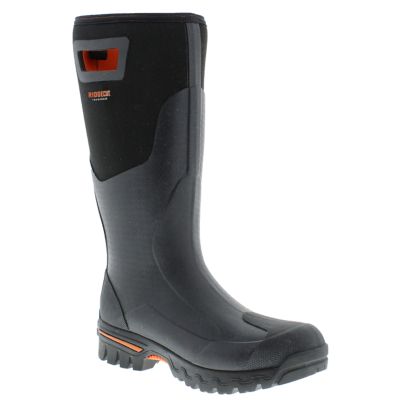
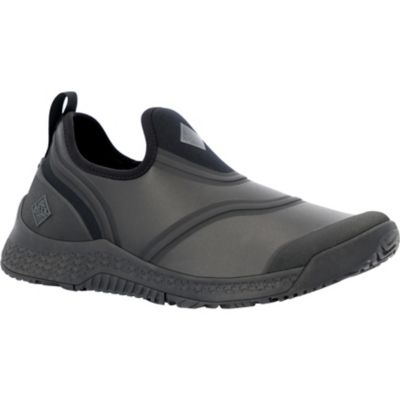
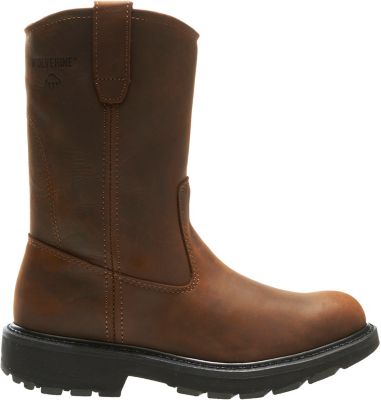
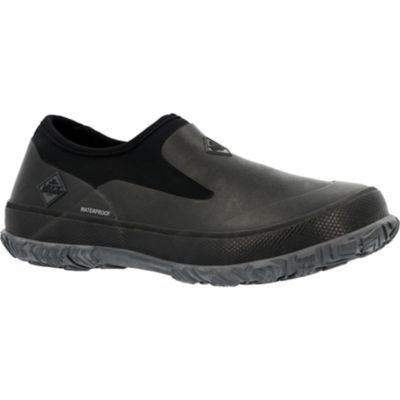
Men’s slip-on waterproof boots make sense for the kind of day that starts with a muddy walk to the barn and keeps moving through feeding, fence checks and trips across a wet yard. Their pull-on construction leaves laces out of the routine, while waterproof materials or an internal waterproof barrier help keep outside moisture from reaching socks. That protection matters when grass is soaked, puddles collect around a gate or a splash at the stock tank catches a boot. Different constructions suit different routines. Rubber boots offer a washable exterior that works well around mud and manure, while waterproof leather styles bring a more traditional work-boot feel for chores that move between the shop, driveway and pasture. Some boots combine rubber lower sections with flexible synthetic uppers, giving the foot coverage against water while allowing the shaft to bend as the wearer walks or crouches. Neoprene can provide stretch and insulation, though warmth depends on the boot’s overall construction rather than one material alone. Shaft height makes a practical difference, too. An ankle-height boot is easy to step into for quick trips outside, while a taller shaft offers more coverage through wet weeds and splashing water. Water can still enter over the top, so boot height needs to match the depth and conditions underfoot. Pull tabs, generous openings and flexible panels can make getting boots on less of a struggle, especially near the back door with an armful of supplies. Where a boot has stretch panels or multiple seams, the waterproof design needs to account for those areas as well as the main upper. For farmers, ranch hands, property owners and anyone tending animals, the appeal is straightforward: footwear that goes on without fuss and helps keep feet dry through the messy parts of an ordinary day. The right balance of coverage, flexibility and weight depends on whether that day means a few short chores or hours spent on foot.
Fit has a lot to do with how those hours feel. Slip-on waterproof boots need enough room to enter comfortably without leaving the foot loose once it is inside. A secure instep helps hold the foot in place, while space across the forefoot lets toes spread naturally under a load. A little heel movement can be normal in some pull-on leather constructions, but repeated rubbing or a foot that slides forward with every step points to a poor match. Trying boots with the socks intended for the job gives a better sense of the fit than relying on size alone. Thick socks take up room, and adding them to an already snug boot can crowd toes rather than improve comfort. Removable footbeds may allow room for an appropriate replacement insole, but the boot still needs enough interior depth to accommodate it. Underfoot support becomes especially noticeable during long stretches on concrete barn aisles or shop floors. Cushioning can soften the feel of a firm surface, while a supportive midsole and stable heel help the boot feel planted when carrying feed or stepping off equipment. Outsole design also deserves attention. Deeper lugs can help gain purchase in soft ground, although packed mud may reduce their grip until it is cleared away. Broader contact areas may suit firmer surfaces, but no tread pattern prevents every slip, particularly on wet metal, oily concrete or ice. Waterproofing and traction serve separate purposes, and neither replaces care around slick footing. The same distinction applies to toe protection. A soft-toe waterproof boot may suit general property chores, while certain jobs call for safety footwear with a designated protective toe or other tested features. Workplace requirements should determine those choices. Insulation is another separate feature: waterproof does not automatically mean warm. For cold, wet chores, insulation and adequate sock room can matter, while more active work may call for less insulation and a lining that helps manage perspiration inside the boot.
Long service starts with matching the construction to the work. Frequent kneeling, rough gravel, brush and contact with stall bedding all put different demands on an upper and sole. Reinforced areas around the toe and heel can help limit wear where boots commonly scrape, while sound seams and a well-attached outsole matter when footwear bends thousands of times through a workday. Leather needs care suited to its finish and waterproof system; rubber and synthetic materials have their own cleaning needs. After a muddy day, removing clumps from the tread and rinsing or wiping the exterior as directed keeps grime from building up around seams and flex points. Manure, fertilizer and other farm substances should not sit on the surface longer than necessary. Waterproof footwear is not automatically resistant to every chemical, so tasks involving concentrated cleaners or agricultural chemicals call for protection rated for that exposure. Drying matters just as much as cleaning. Boots generally fare better with gentle airflow than beside a stove or against a heater, where concentrated heat can damage materials or adhesives. Taking out removable footbeds and opening the shafts helps trapped moisture escape. Leather conditioners and waterproofing treatments should match the manufacturer’s directions rather than being applied across every material. Regular checks around the sole edge, heel and bending points can reveal cracks or separation before a wet sock makes the problem obvious. For shoppers comparing footwear for broader job duties,
Mens Slip On Work Boots offers a related category to consider, with waterproof protection remaining a feature to verify for wet conditions. Waterproof pull-on boots can also make a practical gift for someone who spends plenty of time checking livestock, tending a garden or keeping a small acreage running. Knowing that person’s usual size, preferred shaft height and daily tasks helps narrow the fit far more than appearance alone. A pair that suits both the wearer and the ground underfoot can earn a regular place by the door, ready for the next trip to the barn.