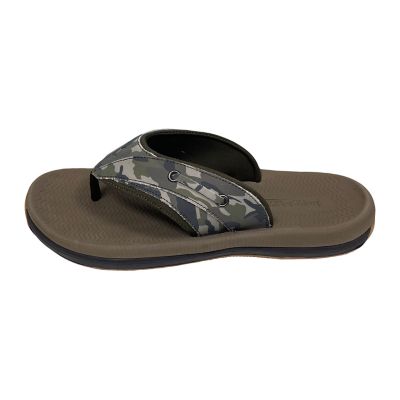
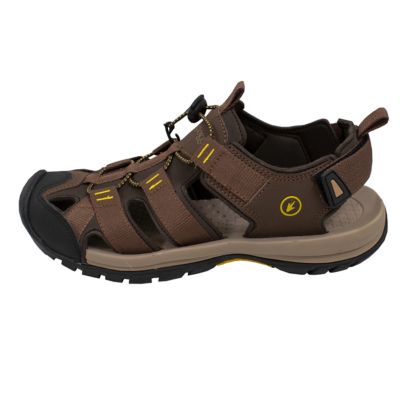
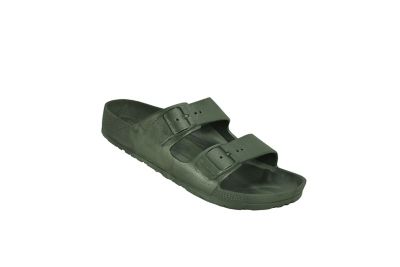
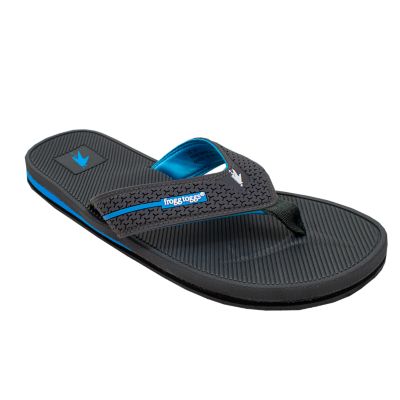
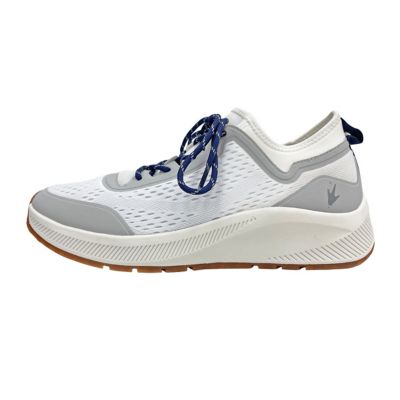
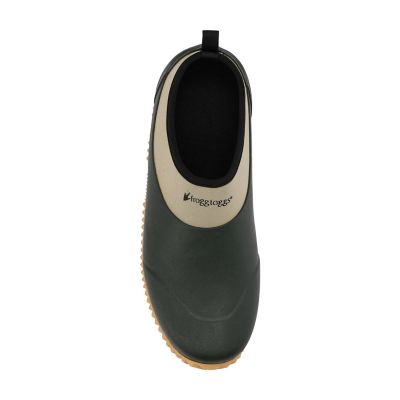
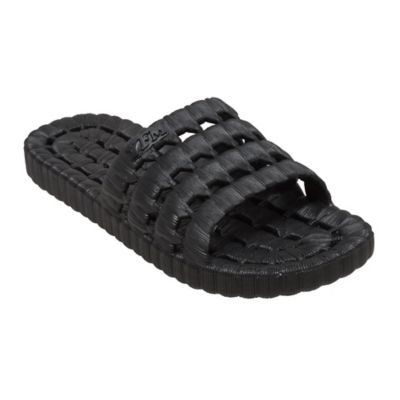
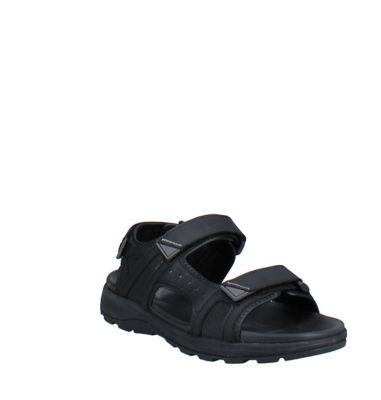
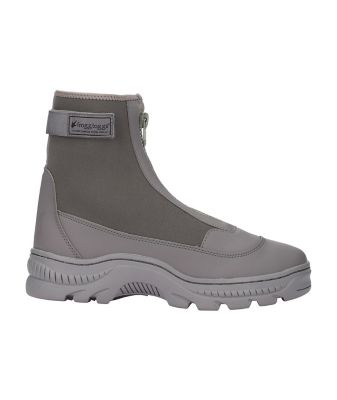
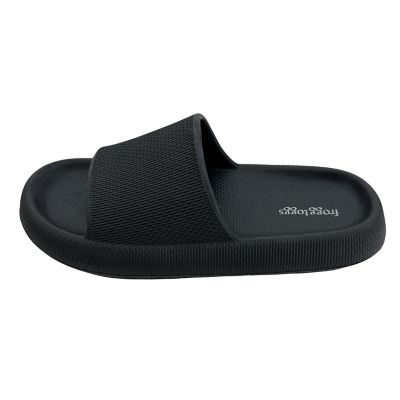
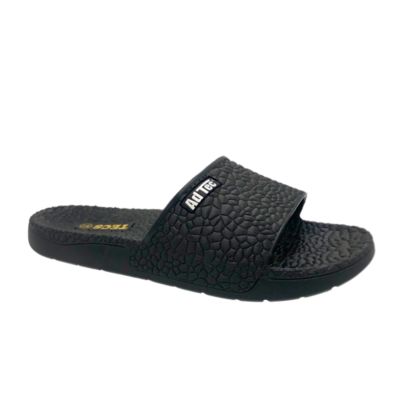
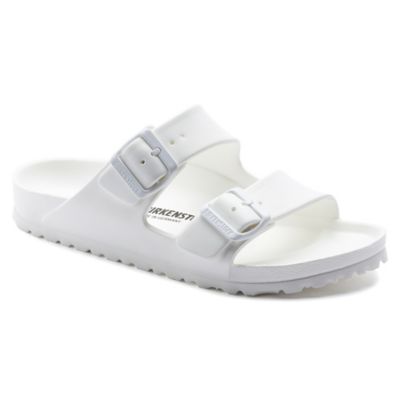
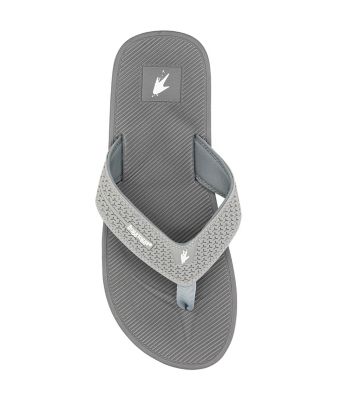
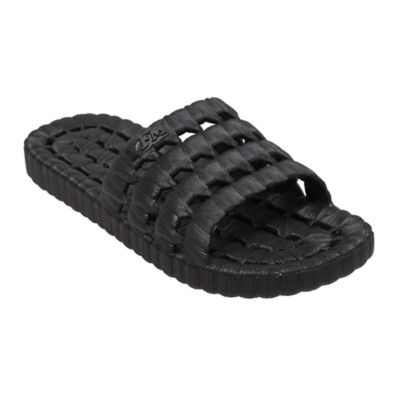
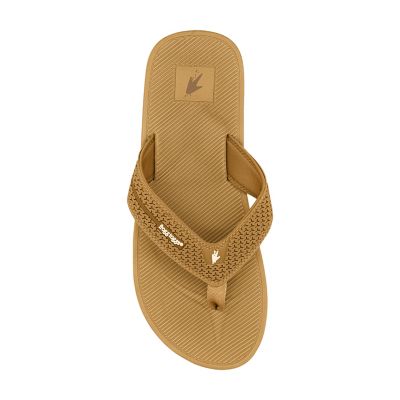
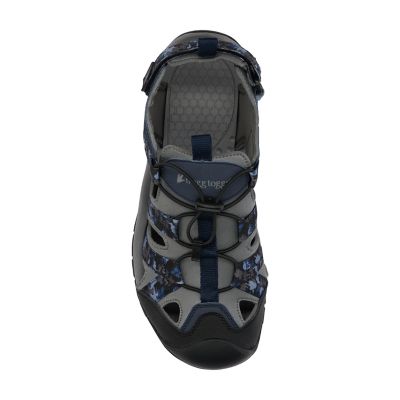
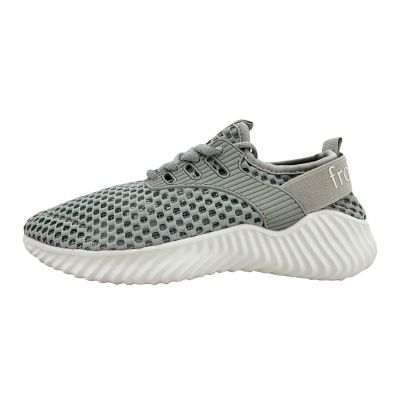
Men's waterproof sandals combine water-tolerant materials, support underfoot, and an open feel for days that move between land and water. They make sense for fishing from the bank, carrying a kayak to the launch, walking around camp, or rinsing off after a day outside. With open footwear, waterproof construction concerns how the sandal handles water, not a promise that feet will stay dry. Water can still enter around the toes, heel, and straps, and quick-drying performance is a separate feature worth checking in the product details. A sandal that sheds water readily can feel quite different from one with thick padding that holds moisture. Rubber, molded EVA foam, and certain synthetic uppers are common material choices, although each design has its own limits for soaking, saltwater, and pool exposure. Webbing straps may offer a flexible feel, while molded straps have fewer fabric surfaces to stay damp. Nylon and polyester webbing can perform differently depending on their thickness, weave, and lining, so the full construction matters more than the material name alone. Leather accents call for closer attention to the manufacturer's water-exposure and care directions; a rugged appearance does not establish that a sandal is meant for repeated soaking. Drainage openings and channels can help water escape rather than collect underfoot, while an open shape lets grit rinse away more easily. For men who spend plenty of time near a creek, boat ramp, or campsite spigot, those details can make the difference between footwear that feels ready for the next stop and straps that stay soggy all afternoon. Intended use matters just as much as the waterproof label. A simple slide suits short walks and easy changes, while a sandal with a heel strap generally gives the foot more hold during active outings. Water-friendly construction, a secure fit, and an outsole suited to the surface work together; none of those features replaces the others.
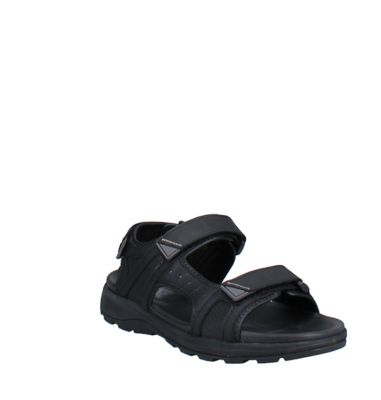
A good fit leaves the toes and heel comfortably inside the sole without making the foot feel squeezed. Extra length is not a substitute for enough width, especially when the edge of a footbed presses against the ball of the foot. Adjustable forefoot, instep, and heel straps allow different parts of the sandal to settle around the foot rather than forcing every adjustment through one buckle. That flexibility can be handy for men with a higher instep or feet that swell during a long stretch of walking. Straps should hold the foot without digging in, and their edges should sit clear of tender spots around the ankle. A foot that slides forward on every downhill step can create rubbing even when the sandal feels fine standing still. Underfoot, cushioning softens the feel of gravel and packed ground, while a shaped footbed and stable platform can help the sandal feel more settled over longer distances. The softest foam is not necessarily the most supportive choice, and arch contours need to match the wearer rather than simply feel pronounced. Outsole design deserves the same attention. Rubber compounds and tread patterns affect grip, but deep lugs alone do not establish good traction on a wet dock or smooth boat ramp. More open tread can help release loose dirt, while grooves and contact surfaces influence how an outsole meets firmer ground. Algae, slick rocks, mud, and submerged obstacles can defeat even a substantial tread, so careful footing still matters. Open-toe designs give toes more breathing room and let small stones shake free; covered-toe styles add a barrier against minor bumps but do not take the place of protective footwear. Around livestock, power equipment, sharp scrap, or chores that call for toe protection, work boots remain the better fit for the job. Waterproof sandals belong in the parts of the day where open footwear suits the task, whether that means a walk to the swimming area or downtime after the tools are put away.
Regular care helps waterproof sandals stay comfortable and keeps small problems from turning into reasons to retire a pair. Sand caught beneath a strap can rub the skin and wear against stitching, while dried mud can hide cracks or loose attachment points. A freshwater rinse after gritty outings, saltwater contact, or pool exposure helps remove residue when the manufacturer's directions allow it. Mild soap and a soft brush may be suitable for cleaning, but harsh cleaners, bleach, and machine washing can harm certain foams, adhesives, and finishes. Footbeds, strap folds, and hook-and-loop closures deserve attention because they tend to collect dirt. Air-drying in a ventilated spot, away from direct heat, is generally gentler than setting sandals beside a heater or leaving them on a hot dashboard. Sandals should dry thoroughly before being tucked into a gear bag, and removable components should only be separated as directed. Longevity also depends on construction and wear patterns: stitching that stays intact, firmly attached straps, and tread that still has useful depth all matter more than a tough-looking profile. Checking those areas after a rough outing helps catch wear before the next trip. For a dad who fishes, a brother who paddles, or a husband who likes an easy change of footwear at camp, waterproof sandals can be a thoughtful gift when his size, width, and preferred closure are known. Some men want a barely-there slide for the bathhouse; others prefer a heel strap and more structure for walking between the water and the truck. The broader range of
Men's Outdoor Sandals also offers a way to compare coverage, strap layouts, and underfoot support for time outside. The right pair matches the wearer's routine without asking one sandal to handle every job, bringing together straightforward care, comfortable footing, and materials suited to getting wet.