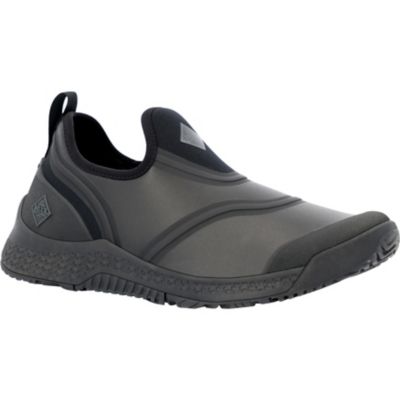
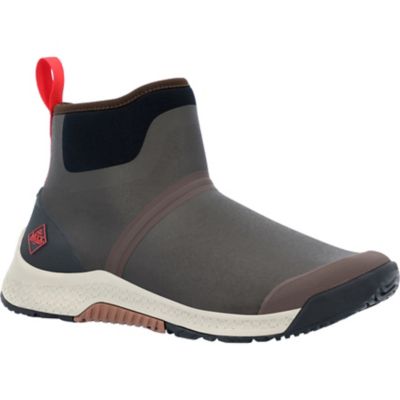
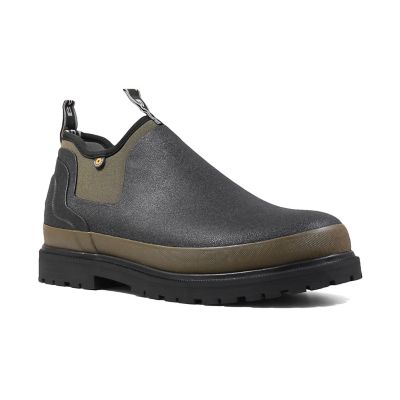
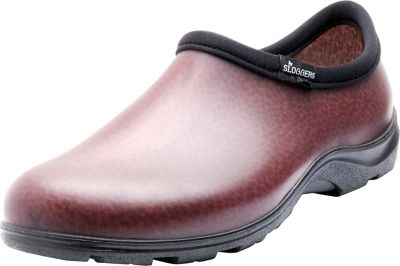
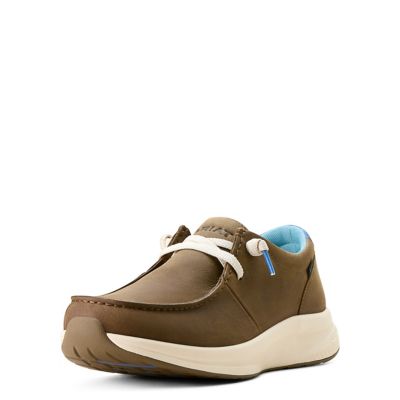
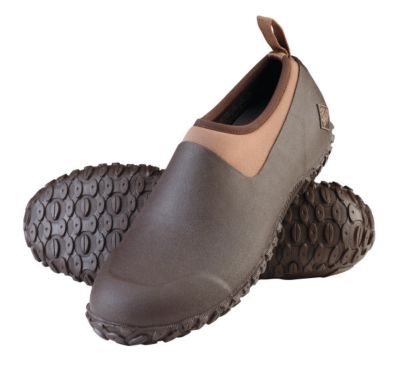
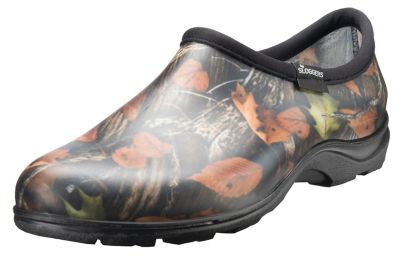
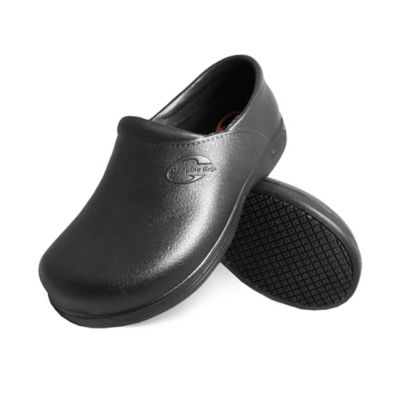
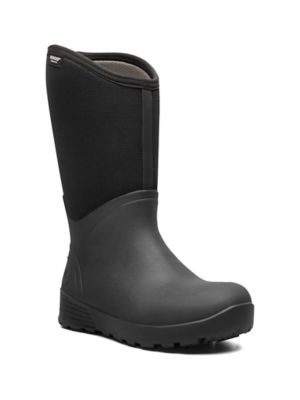
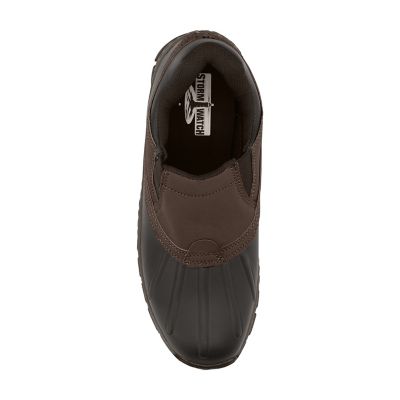
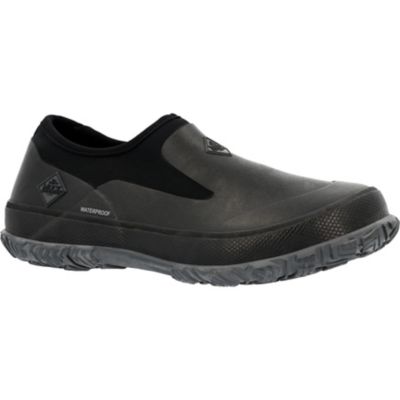
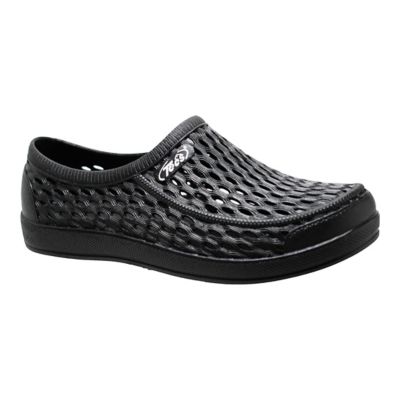
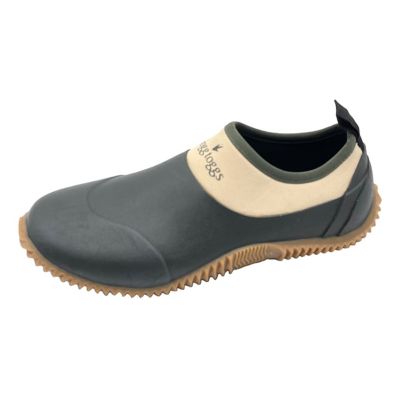
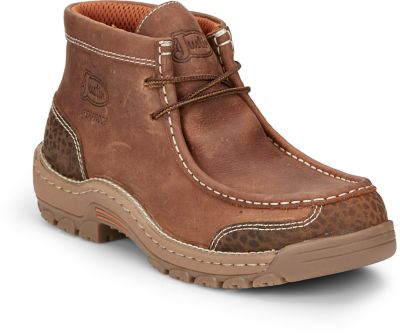
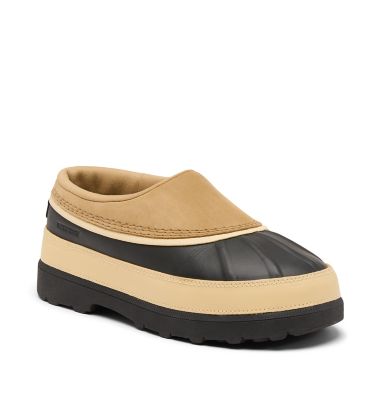
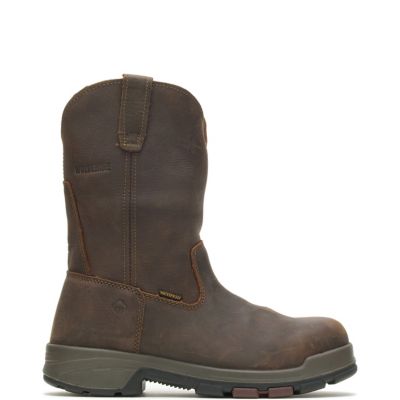
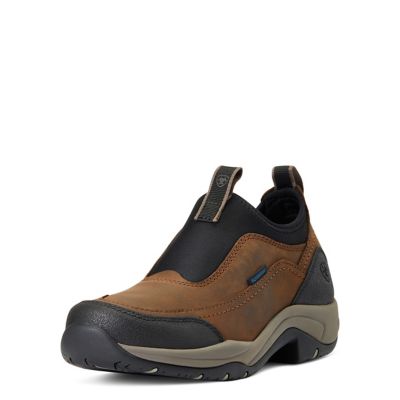
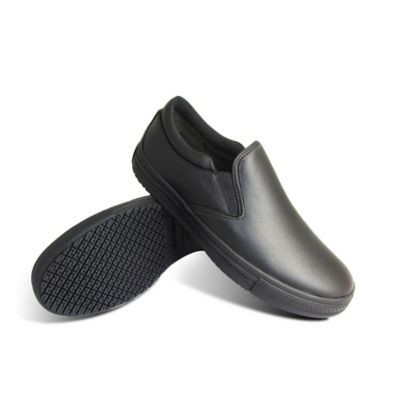
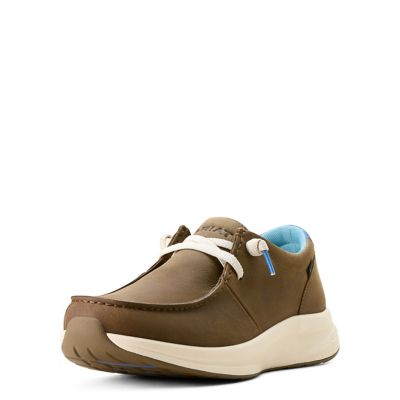
Men's slip-on waterproof shoes bring together easy entry, protection from outside moisture, and the comfort needed for everyday walking or chores. They make sense for trips across wet grass, checking the chicken coop after rain, rinsing out a feed tub, or heading into town without changing footwear at every stop. The slip-on shape takes laces out of the routine, while waterproof construction helps keep feet dry when the ground is damp or puddles lie along the path. That protection comes from the whole shoe, not just the outer material. Molded rubber can form a waterproof shell, while leather or fabric uppers may depend on a waterproof membrane, sealed seams, or both. Water-resistant footwear can shed light moisture, but it does not offer the same protection as footwear built and labeled waterproof. Even a waterproof shoe has a limit: water can enter over the opening, so a low-cut pair is better suited to shallow puddles and splashes than deep standing water. Rubber uppers are often straightforward to rinse clean after muddy chores. Neoprene can add flexibility and a close feel around the foot, although warmth and moisture management depend on the rest of the construction. Leather offers a different look for walking, errands, and casual wear, with care needs that differ from rubber. Synthetic uppers can reduce weight, and some combine a waterproof barrier with materials that let moisture vapor escape. Breathability varies, so a waterproof label alone does not tell the whole comfort story. Underfoot, cushioning softens each step, while the midsole and outsole influence support, flexibility, and grip. A broad, steady base can feel reassuring when carrying a sack of feed across uneven ground. Shallower tread may suit everyday walking, while deeper tread can help on loose dirt and mud. No outsole guarantees traction on every surface, especially slick algae, oily concrete, or ice.
Fit makes a big difference in men's waterproof slip-on shoes because there are no laces to tighten when the heel starts moving. A good fit holds the heel without pinching, gives the toes room to spread, and keeps the foot from sliding forward on a slope. Some movement is normal in certain designs, but repeated heel lifting or toes bumping the front can turn a short chore into an uncomfortable walk. Width matters as much as length, especially for feet that feel crowded across the ball or need extra space over the instep. Stretch panels and flexible collars can ease entry, though their effect on fit depends on the design. Pull tabs can help with getting a shoe on without crushing the heel, and a slip-on shape does not necessarily mean completely hands-free entry. Trying footwear with the socks intended for the job gives a better sense of the fit than trying it with much thinner socks. Work socks need room without bunching, and moisture-managing fibers can help with perspiration inside waterproof footwear. A removable footbed can make drying easier and may provide space for an orthotic, provided the shoe has enough depth and the replacement does not make the fit too tight. Intended use should carry as much weight as appearance. Someone walking the dog along a damp gravel lane may favor a lighter, more flexible shoe, while someone spending hours at a potting bench may want stronger underfoot support and an outsole that sheds mud readily. For work around equipment, building materials, or livestock, waterproofing alone is not a substitute for required protection. Safety toes, puncture resistance, and other workplace features need to be confirmed separately. Low-cut shoes also leave the ankle and lower leg exposed; taller footwear may make more sense in deep muck or brush. For casual waterside wear,
Men's Waterproof Boat Shoes offer another category to consider, with waterproofing, fit, and traction still worth checking.
Regular care helps waterproof slip-on shoes stay comfortable and ready for the next trip out the door. Mud left packed in the tread can reduce contact with the ground, and grit around flex points or seams can contribute to wear. Letting heavy mud loosen before gently brushing it away can make cleanup simpler, while a damp cloth handles many everyday marks. Rubber footwear may allow a light rinse, but the maker's care directions should decide how much water, soap, or scrubbing is appropriate. Leather needs products suited to its finish and waterproof construction; an unsuitable cleaner or treatment can change the surface or interfere with performance. Waterproof fabric and membrane-lined shoes also have their own care requirements, so soaking the entire shoe is not a universal solution. After cleaning, drying at room temperature with good airflow is generally gentler than setting shoes against a heater or leaving them in strong direct heat. Removable insoles can dry separately when the construction allows. Keeping the inside dry matters even when outside water stays out, since perspiration can leave socks and linings damp after a long stretch on foot. Wear resistance depends on several details working together: the upper material, the way the sole joins the shoe, reinforcement around high-contact areas, and the demands of the task. Repeated kneeling can scuff the toe, gravel can abrade the outsole, and sharp edges around tools or fencing can damage an upper. Checking for cracks, separating edges, worn tread, or torn lining helps catch changes before they become a bigger problem. A pair that suits the task and fits well is more useful than one chosen for looks alone. These shoes can also make a practical gift for a gardener, a landowner, or anyone whose day includes damp paths and frequent trips outside. Knowing the recipient's usual size, preferred width, sock thickness, and everyday routine makes the choice more personal without guessing at fit. The appeal is simple: easy-on footwear that handles ordinary wet ground and feels comfortable through the work and walking a day brings.