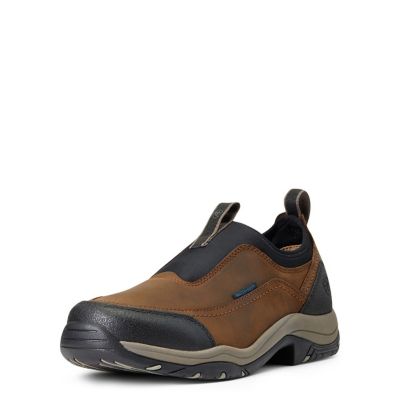
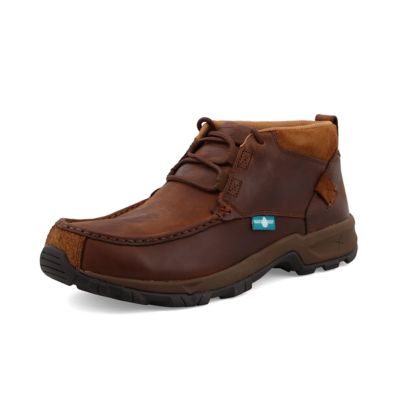
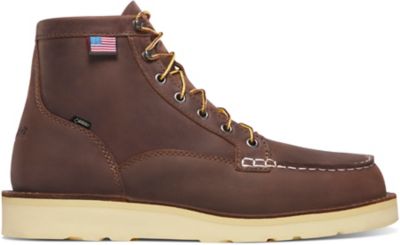
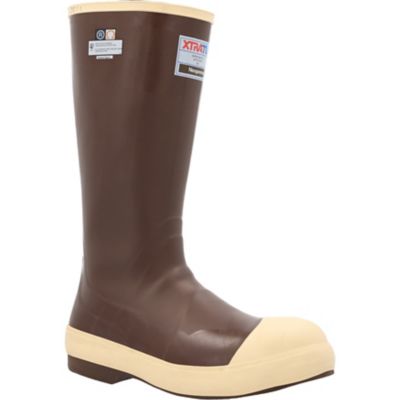
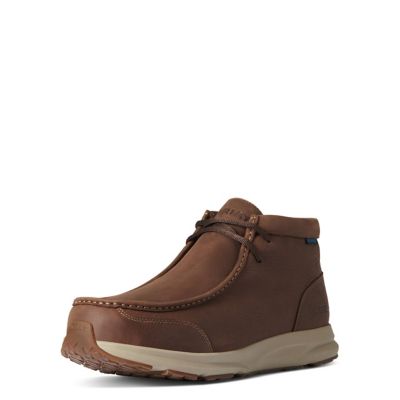
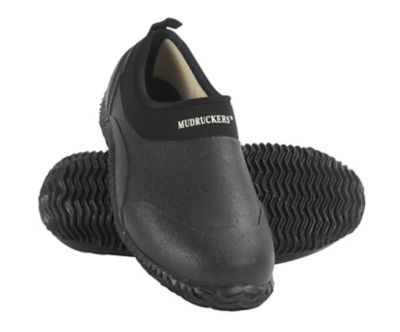
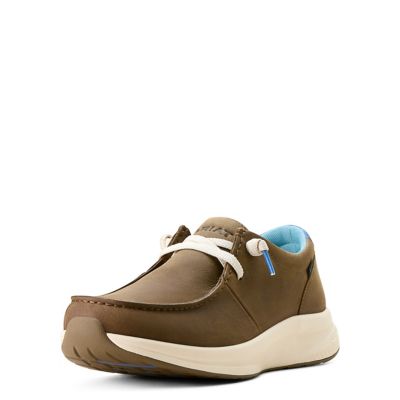
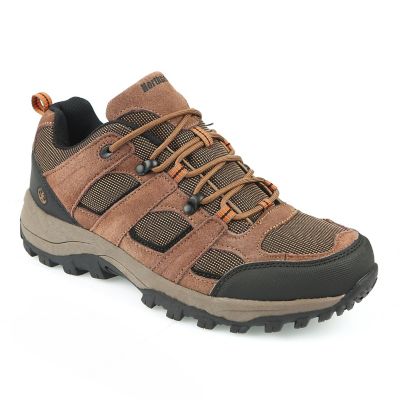
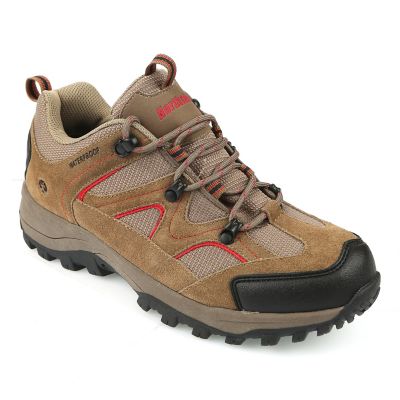
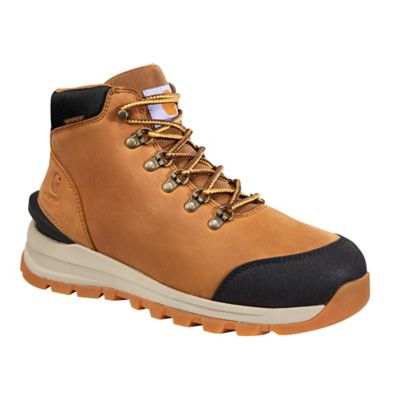
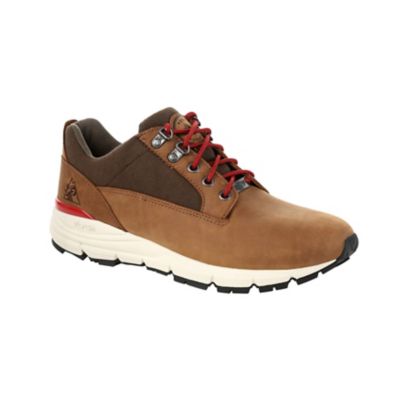
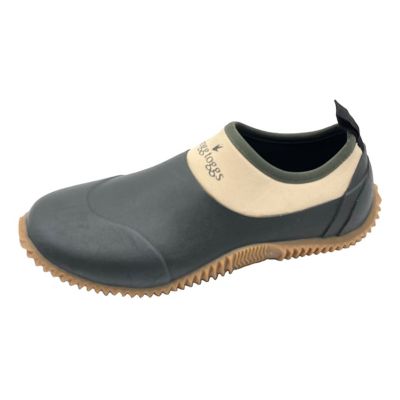
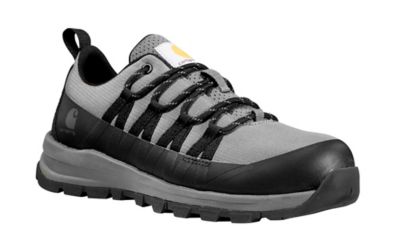
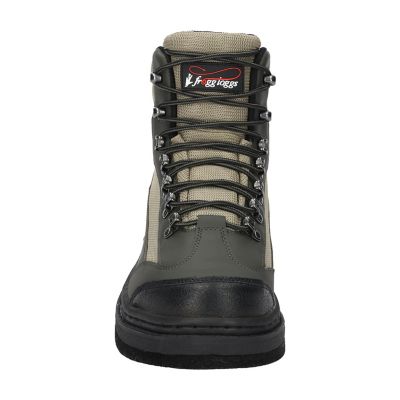
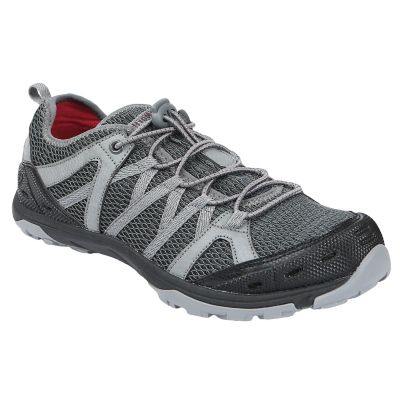
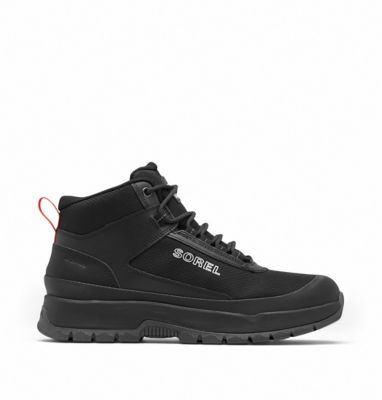
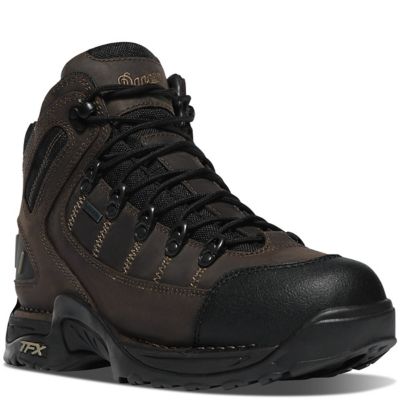
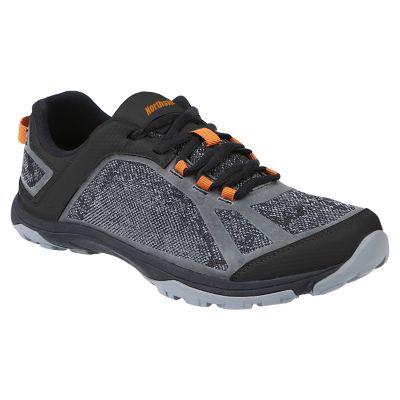
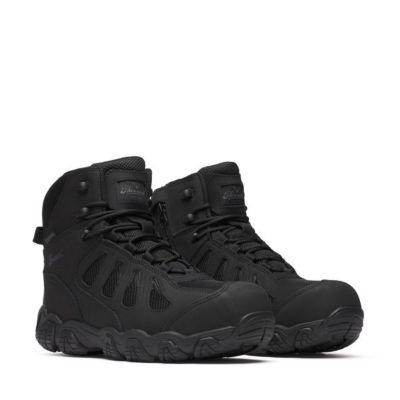
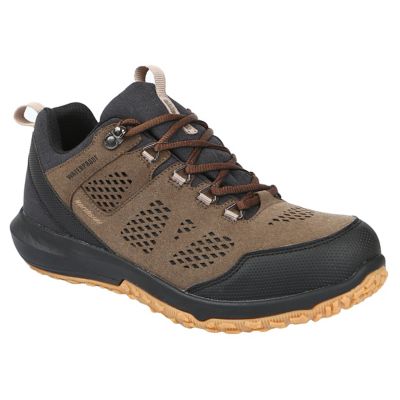
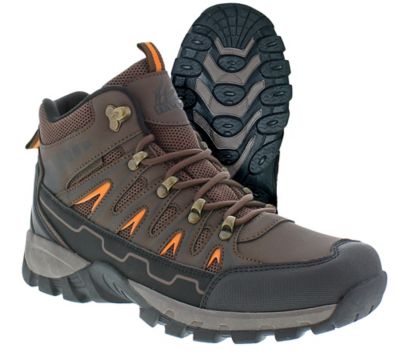
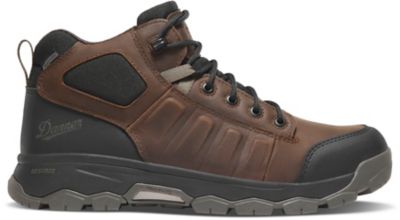
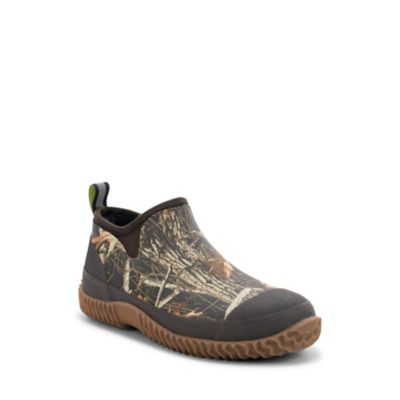
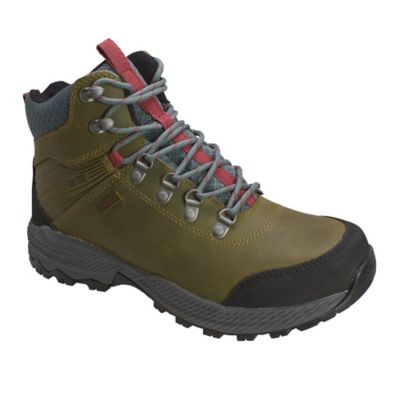
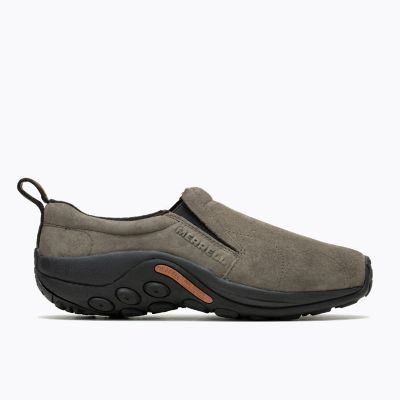
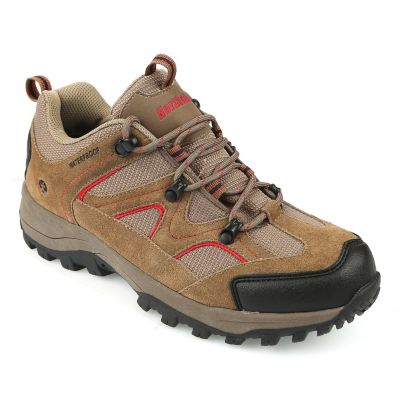
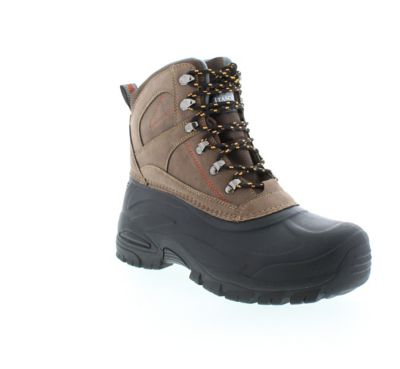
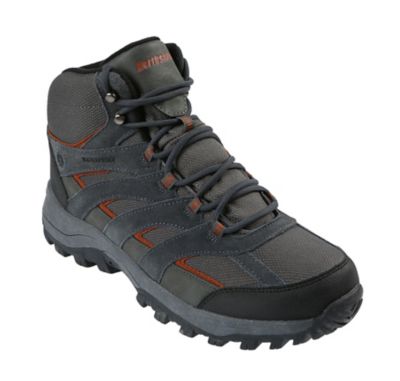
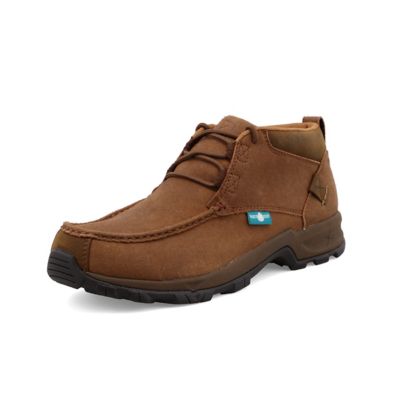
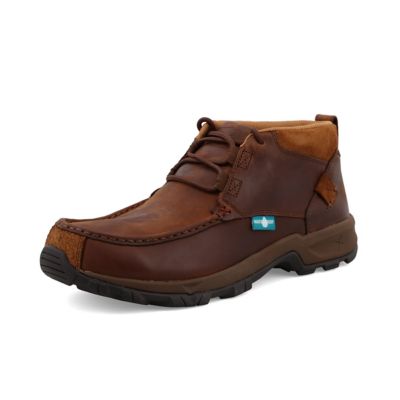
Men’s waterproof hiking shoes are made for days when the trail starts dry but the weather has other plans. They can help keep feet more comfortable through wet grass, muddy paths, shallow puddles and light rain while giving you the support and traction needed for walking beyond the pavement. A waterproof membrane or sealed construction helps block moisture from getting inside, while treated uppers and gusseted tongues add another layer of protection around seams and openings. Keep in mind that waterproof footwear is not meant for standing in deep water, and water can still enter over the collar if a creek runs high or rain rolls down your legs. For changing conditions during the cooler months, these shoes pair well with moisture-wicking socks and layers that can be adjusted as the day warms. They fit right in on farm lanes, wooded paths, hunting property, campground trails and long walks around the homestead. Someone who spends a lot of time outdoors may appreciate a pair as a practical gift, especially when his routine includes early-morning chores, weekend hikes or travel through rainy country. A thoughtful fit matters more than a flashy appearance: leave enough room for your toes to spread, make sure your heel stays planted, and try them on with the socks you plan to wear on the trail.
Terrain should guide the rest of the decision. Smooth dirt paths and packed gravel generally call for a flexible shoe with moderate tread, while rocky routes, steep grades and loose ground benefit from a firmer sole with deeper lugs and a stable base. On muddy trails, look for tread patterns with open spacing that can shed soil instead of packing up with every step. Rubber compounds with strong traction can help on slick roots, wet stone and damp boards, though no outsole can replace careful footing. A low-cut hiking shoe keeps the ankle moving freely and often feels lighter for fast walks, daily wear and easier trails. A mid-cut style reaches higher around the ankle and may feel more secure when carrying a daypack, crossing uneven ground or moving over rough, rocky paths. Cushioning is another personal choice. Softer foam can ease the feel of long miles on packed surfaces, while a firmer midsole may offer steadier footing when the trail is uneven. A shank or protective plate underfoot can help reduce the sting of sharp stones. For hikers with broad feet, a roomier toe box or wide-width option can prevent pressure along the forefoot, but extra space should not let the foot slide from side to side. Lace systems should hold the heel without creating tight spots across the top of the foot. Before heading out for a full day, wear the shoes around the house, on short walks and through ordinary chores so you can learn how they flex and where they offer the best support. For more trail-focused choices, browse
Mens Waterproof Trail Shoes.
Think about how the shoes will fit into real life after the hike is over. A lighter pair may be convenient for road-to-trail walks, travel and everyday errands, while a more structured build can make sense for steep ground, a loaded pack or regular work outside. Breathable panels can help release heat during a brisk climb, but more coverage may be welcome when cold wind and wet brush are part of the route. Check the tongue, collar and heel counter for padding that feels supportive without rubbing. Waterproof footwear often needs a little extra attention: brush off loose mud after each outing, rinse away grit when necessary, and let the shoes air dry away from direct heat so the materials keep their shape. Pulling out the insoles can help moisture escape faster between walks. Store them in a dry, ventilated spot rather than leaving them in a damp vehicle or closed gear bin. If the shoes are a gift, consider the recipient’s usual trail surface, foot width, preferred sock thickness and whether he favors a low shoe or added ankle coverage. A gift receipt or easy exchange option can be helpful because fit varies from one foot to the other. With the right balance of waterproof protection, traction, cushioning and fit, men’s hiking shoes can carry him from frosty grass at first light to muddy switchbacks, leaf-covered paths and damp camp roads with steady comfort.