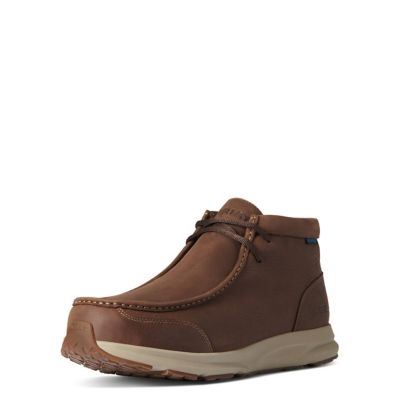
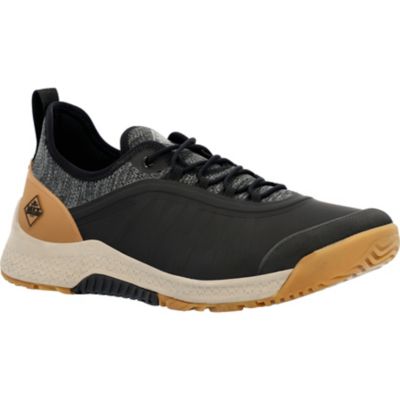
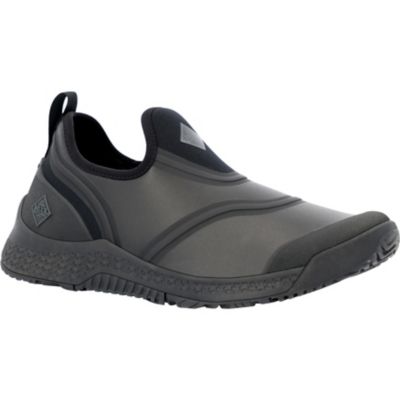
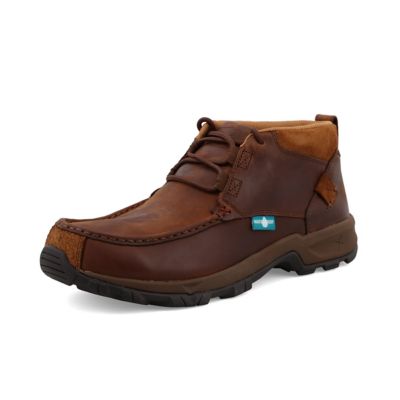
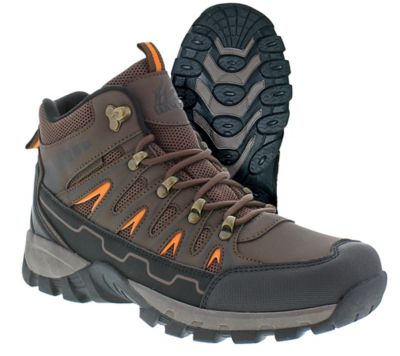
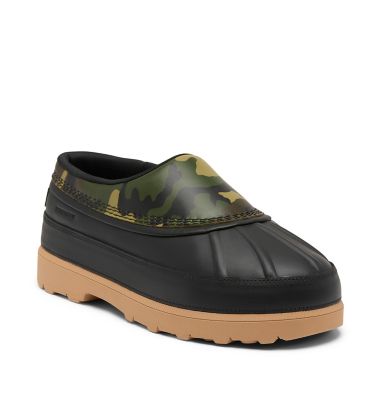
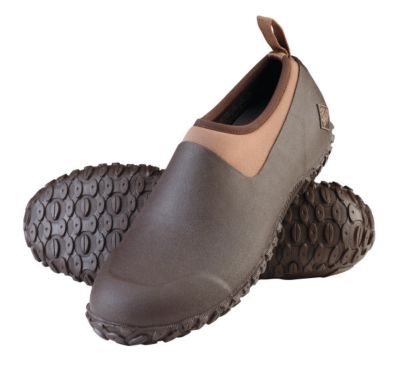
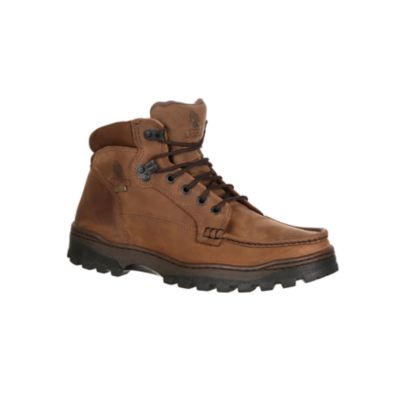
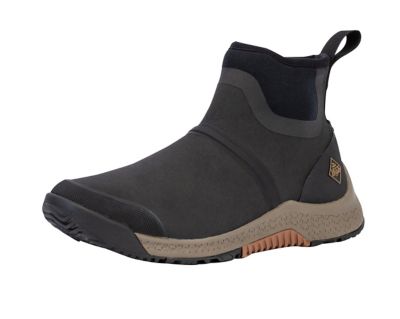
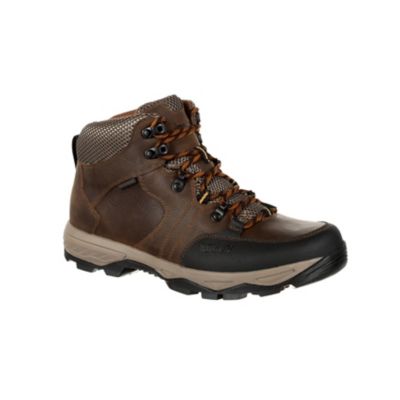
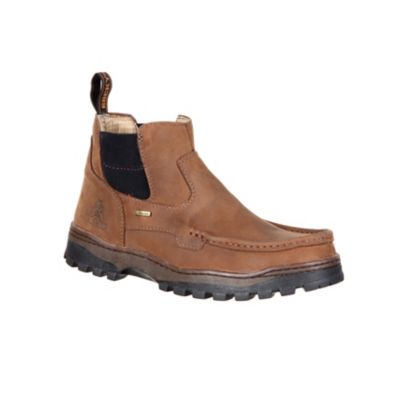
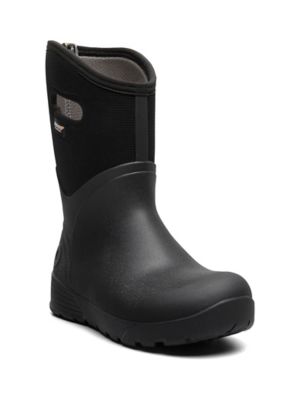
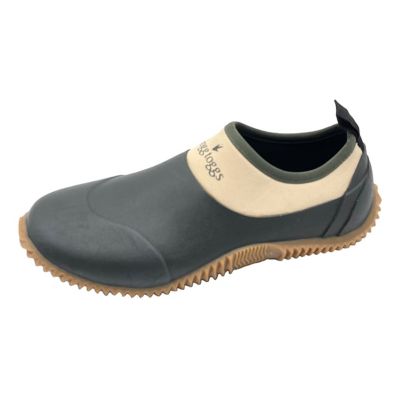
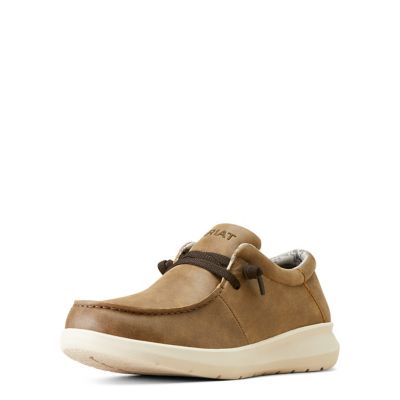
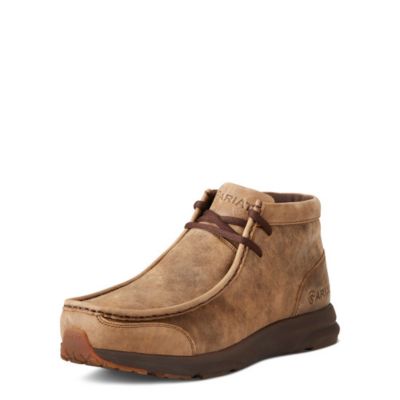
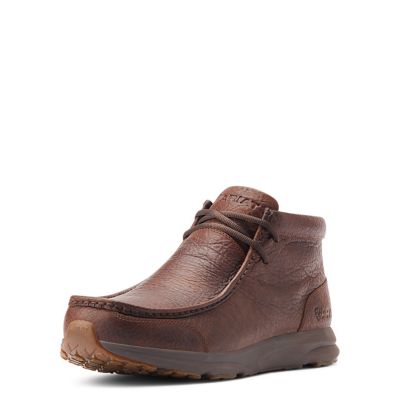
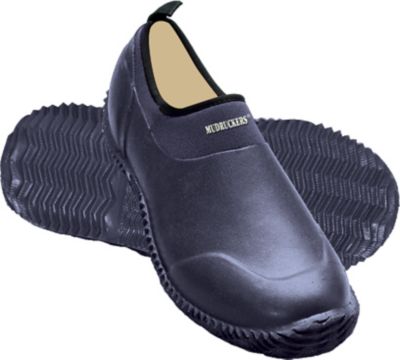
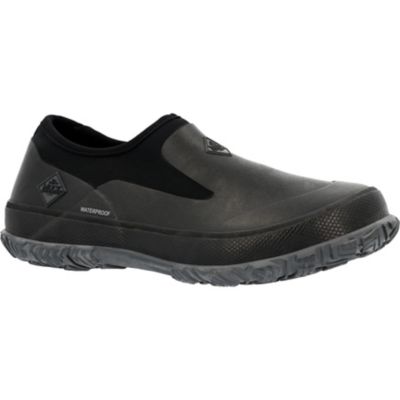
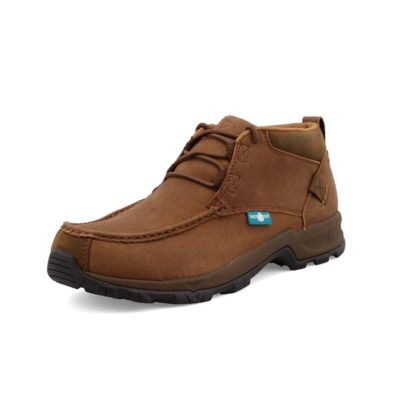
Men's waterproof walking shoes combine protection from outside moisture with cushioning and traction for everyday miles. They fit the kind of day that starts with damp grass on the way to the shed and carries on across gravel driveways, sidewalks and parking lots. A lower-cut walking shoe can feel less restrictive around the ankle than a boot, making it a practical choice for errands, dog walks and steady laps around the neighborhood. Waterproof protection comes from the shoe's construction, not simply a rugged-looking upper. Depending on the design, that protection may involve treated leather, an internal waterproof membrane, sealed seams or a combination of features. A membrane sits behind the outer material to help block liquid water, while breathable construction allows some moisture vapor from inside the shoe to escape. Breathability varies, though, and socks and activity level still affect how dry feet feel. Water-resistant footwear can shed light moisture, but it does not necessarily provide the same protection as footwear identified as waterproof. Even a waterproof shoe has limits: water that comes over the collar can enter through the opening. A tongue attached along its sides can help keep splashes and loose grit out, with protection extending only as high as that attachment and the waterproof construction. Materials also shape the feel of the shoe. Leather uppers tend to have a more substantial feel and may soften with wear, while textile and synthetic panels can help keep weight down and allow easier movement. Suede brings a softer surface but calls for care suited to its finish. Reinforcement around the toe and heel can help guard against scuffs from gravel, steps and everyday bumps. For men moving between pavement and maintained paths, the right balance is often a shoe that bends comfortably through each stride without feeling flimsy underfoot. Waterproofing is one part of that balance, alongside fit, sole construction and the surfaces covered most often.
Comfort in waterproof walking shoes for men depends on how the whole shoe fits and moves, not just how soft the footbed feels at first. The heel should sit securely without repeated slipping, while the toes need room to spread naturally without pressing against the front or sides. Feet can expand over the course of a long day, so trying shoes with the socks normally worn for walking gives a better sense of everyday fit. A little room at the toe is helpful, but extra length does not make up for a shoe that is too narrow. Width options can matter just as much as the size marked on the box, especially for men who feel pressure across the ball of the foot. Laces allow the fit to be adjusted over the instep, and a padded collar can soften contact around the ankle. For anyone wearing an orthotic, a removable footbed may provide space, although the insert and shoe still need to work together without crowding the foot or lifting the heel too high. Underfoot, foam midsoles help cushion repeated steps on hard ground, while a stable platform can make the shoe feel more settled on uneven patches. More cushioning is not automatically better; an overly soft feel may be less comfortable than a firmer, steadier base for some walkers. Flexibility near the ball of the foot helps the shoe follow the walking motion without folding loosely through the middle. Outsole design deserves the same attention. Rubber compounds, tread layout and contact with the ground all influence grip. Shallower tread can feel smoother on sidewalks, while more pronounced lugs may find purchase on dirt and gravel. No tread makes every wet surface safe, particularly slick painted lines, smooth stone or algae-covered boards. These shoes suit walking and everyday outdoor tasks, but waterproof construction alone does not mean a shoe has a safety toe, electrical hazard protection or a slip-resistance rating for workplace requirements.
The best match also depends on where the miles lead. A cushioned, flexible pair makes sense for walking the dog down a paved lane, browsing a feed store or spending an afternoon on foot at the fairgrounds. Routes with repeated climbs, loose rock and rougher footing call for a closer look at support and protection.
Men's Waterproof Hiking Shoes offer another category to consider for those trail-focused needs, with features that may include deeper lugs, firmer platforms and added protection beneath the foot. Low-cut walking shoes are not a replacement for tall waterproof boots when the job involves deep mud, standing water or repeated splashes above the ankle. Keeping the intended use in mind helps prevent asking a lightweight walking shoe to do a boot's job. Routine care can also help footwear stay comfortable and hold up to regular miles. Brush away dried dirt with a soft brush, and wipe off mud before it works into seams and textured panels. Cleaning methods should match the upper material and the manufacturer's directions; soaking or machine washing can harm some constructions. After a wet outing, loosen the laces, open the tongue and remove the footbeds if the design allows, then let everything air-dry away from a heater or other direct heat. Leather, suede and fabric may need different care treatments, and any water-repellent treatment should be compatible with the shoe's waterproof system. An outer surface that sheds droplets helps keep the material from becoming saturated, but a surface treatment cannot repair a torn membrane or an open seam. Check tread wear, loose stitching and changes in cushioning as the miles add up. As a practical gift for a man who walks often, the most useful pair is one matched to his usual size, width and everyday routes, rather than appearance alone. A comfortable fit and suitable construction make the difference between footwear that stays by the door and footwear that gets left behind.