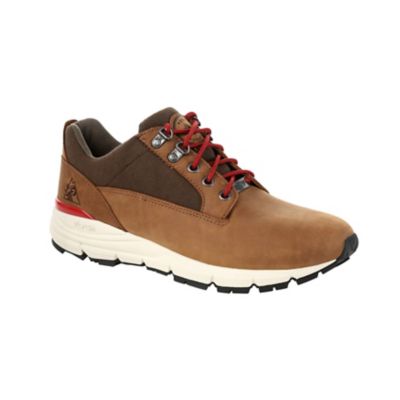
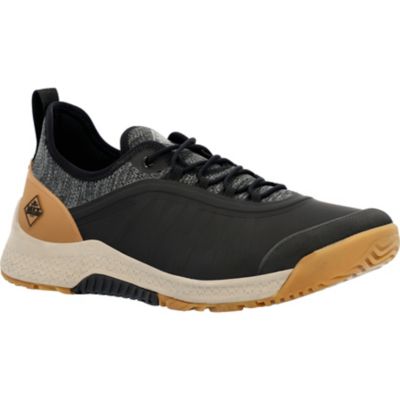
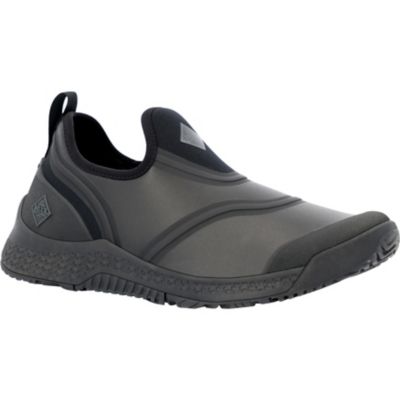
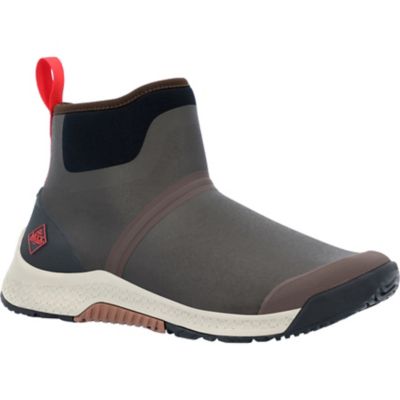
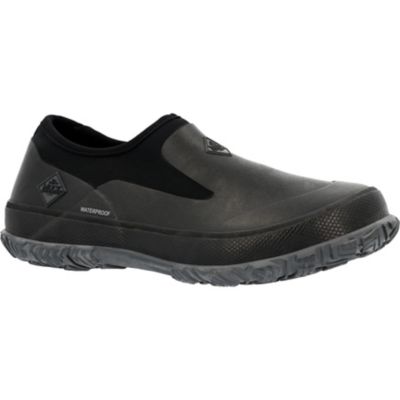
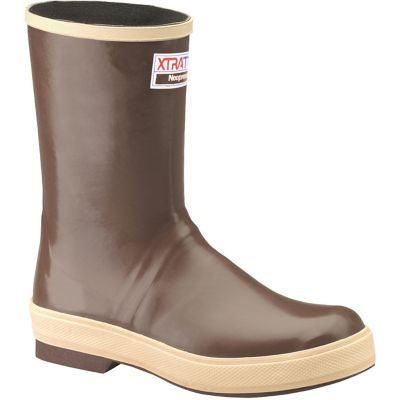
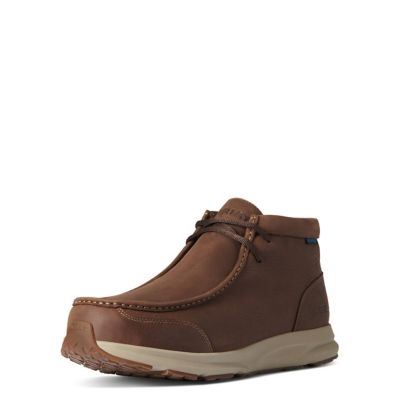
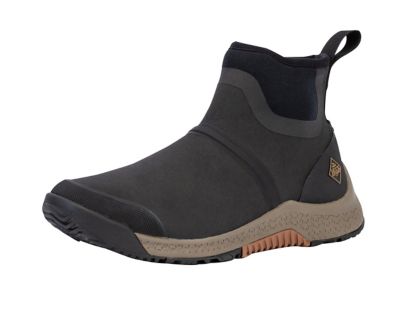
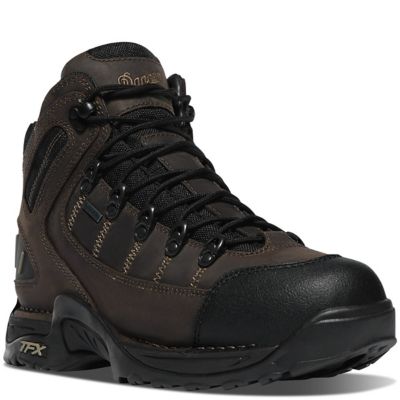
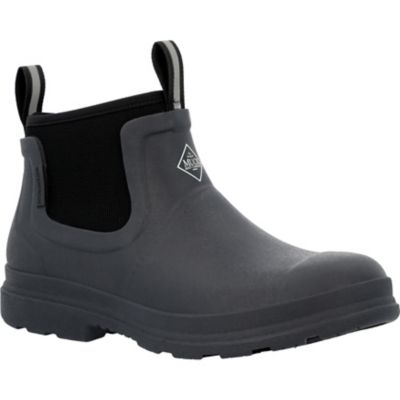
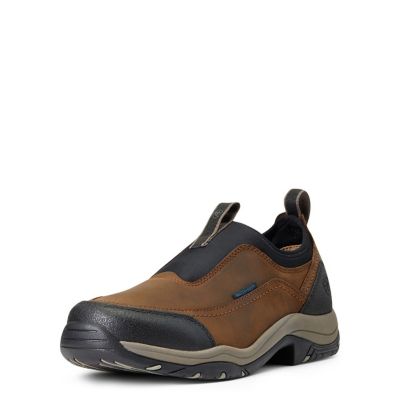
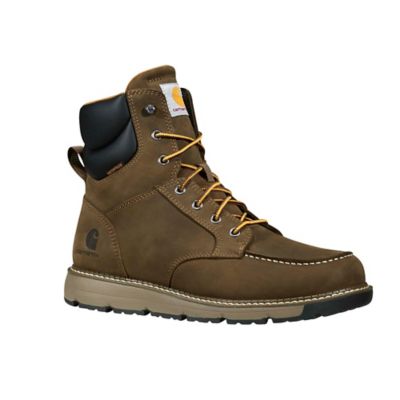
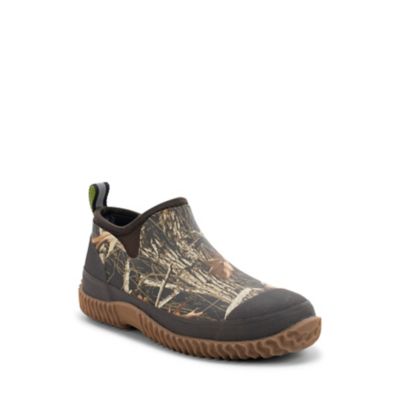
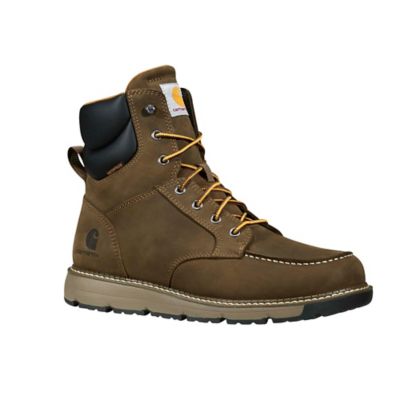
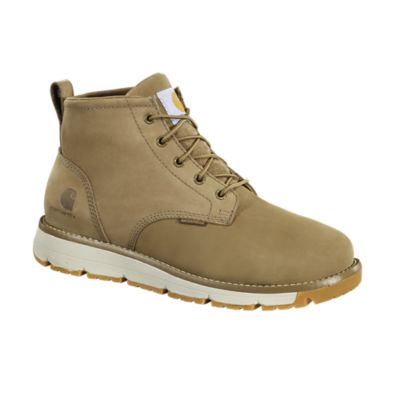
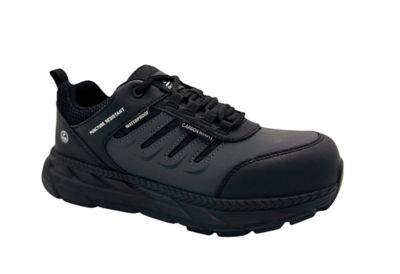
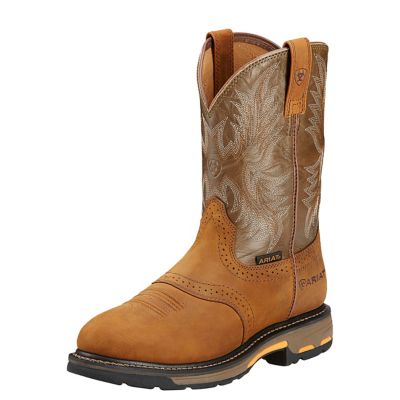
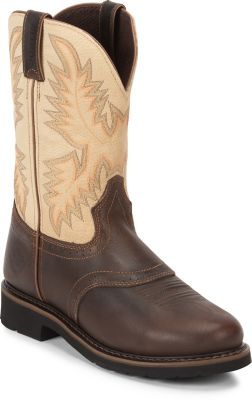
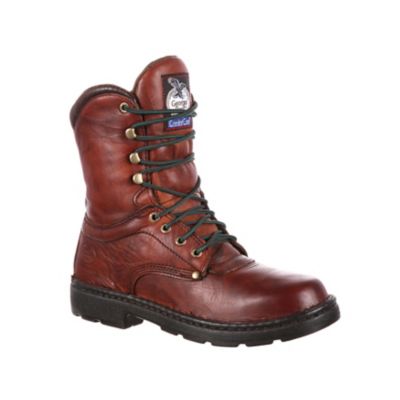
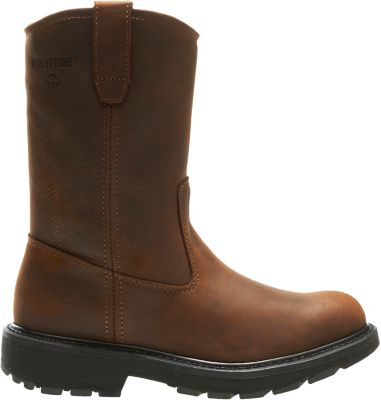
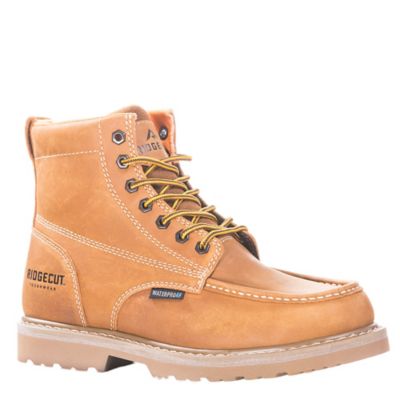
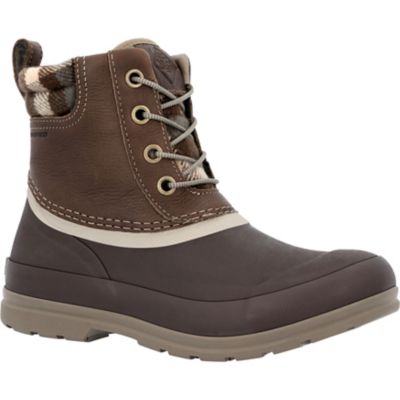
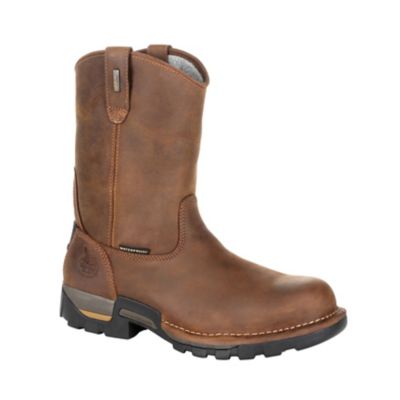
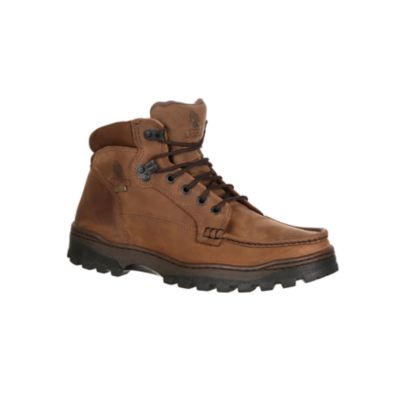
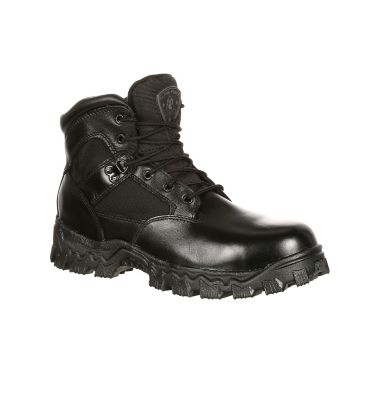
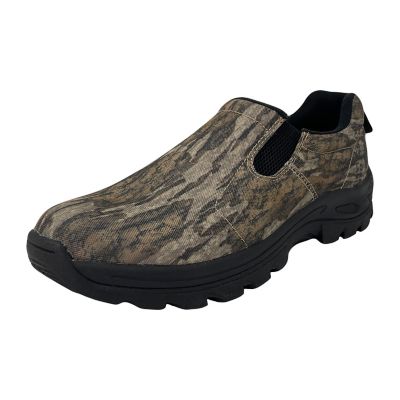
Men's lightweight waterproof shoes combine protection from outside moisture with a lighter feel for everyday walking, errands and time on your feet. They make sense for damp grass on the way to the shed, rain-soaked sidewalks in town and gravel lanes dotted with shallow puddles. The appeal is straightforward: less heft than many traditional boots, with a barrier that helps keep water from reaching your socks. That protection comes from the shoe's construction, not simply from how rugged the outside looks. Depending on the style, a waterproof membrane, sealed seams or an integrated waterproof lining may sit beneath leather, synthetic fabric or reinforced textile uppers. A water-repellent surface treatment helps water bead on the outside, but that treatment alone is not the same as waterproof construction. Lightweight waterproof sneakers tend to have a familiar, flexible feel, while trail-inspired shoes may add firmer support, reinforced toes and more pronounced tread. Leather panels can add structure around high-wear areas, and synthetic uppers can help limit weight and dry more readily on the surface. Breathable waterproof materials allow some moisture vapor to escape, though ventilation varies with the construction, activity level and surrounding conditions. Feet can still become damp from perspiration, especially over a long stretch of walking. A gusseted tongue, which connects to the upper along its sides, helps limit openings where water and grit might enter. Even then, low-cut footwear has a clear limit: water can run in over the collar. Shallow splashes and wet ground are different from standing in water or crossing a creek. The balance between weight and reinforcement matters, too. A shoe built mainly for sidewalks may feel different from one with a protective toe cap and a substantial rubber outsole. Rather than serving as a replacement for every work boot, this footwear fills the space between an ordinary everyday shoe and heavier protection for demanding conditions. That makes it a practical choice for men whose day includes both indoor stops and stretches outdoors.
Comfort in lightweight waterproof footwear depends on more than the number on the size label. A secure heel, enough room across the forefoot and space for toes to spread all affect how a pair feels after several miles or repeated trips between the truck and the barn. Waterproof linings can change the interior feel compared with an otherwise similar non-waterproof shoe, so familiar sizing does not always tell the whole story. The socks worn with the shoes also take up space. A fit that feels fine with thin socks may become tight with a thicker pair, while excess room can let the heel slide and create rubbing. Feet often swell through the day, making a little breathing room useful without leaving the foot loose inside. Lace-up closures allow adjustment across the instep, while slip-on construction puts more emphasis on getting the opening and heel fit right. Underfoot, foam midsoles can soften repeated steps on pavement, and a firmer platform may feel steadier across uneven ground. Removable footbeds offer room for compatible inserts, provided the shoe still has enough depth and holds the heel securely. For routes centered on sidewalks, packed paths and regular neighborhood miles,
Men's Waterproof Walking Shoes offer another way to focus on everyday walking comfort. Outsole design helps separate different purposes within lightweight footwear. Closely spaced tread can feel smooth on firm surfaces, while deeper, more open lugs may bite into loose dirt and release mud more readily. Neither pattern guarantees grip everywhere. Wet wood, algae-covered concrete, loose gravel and ice each create different footing challenges. Waterproofing also does not establish slip resistance, electrical protection or toe protection; jobs with those requirements call for footwear carrying the appropriate designation. A pair suited to checking the garden or walking the dog may not be the right match for moving heavy equipment or handling livestock. Matching the construction to the ground and the task keeps the focus on practical comfort rather than appearance alone.
Everyday wear puts lightweight waterproof shoes through plenty of small tests: dust along the driveway, grit caught beside the tongue and repeated bending where the toes meet the forefoot. Reinforcement at the toe and heel can help protect those busy areas, while sound stitching and firmly bonded sole edges support longer service. Packed-in dirt can work against both comfort and performance, so routine care matters even when the shoes still look presentable from a distance. Loose soil is generally easier to brush away after it dries, and surface mud can often be wiped off with a damp cloth when the care directions allow it. Cleaning methods need to suit the upper material; leather, textile and synthetic panels do not always respond to the same cleaner. Harsh solvents, machine washing and direct heat can damage certain materials, adhesives or waterproof layers. Air drying away from a heater or fireplace gives damp shoes a gentler recovery, and removable footbeds can dry separately when the manufacturer's directions permit. Fresh socks and time to dry between outings also help manage moisture inside the shoe. Any conditioner or water-repellent treatment should match the material and the maker's care instructions, since the wrong treatment can alter breathability or finish. These treatments do not repair a torn waterproof lining. A lifting sole edge, worn-smooth tread or a persistent leak is worth attention before the next long walk. For men who split the day between household chores, errands and an easy trail, an uncomplicated shape and neutral color can fit naturally with jeans or work pants. As a gift, lightweight waterproof footwear is most useful when the recipient's usual size, width, sock preference and daily routine are already familiar. The right match comes down to a comfortable fit, protection suited to the conditions and enough support for the miles ahead, whether those miles lead down a country lane or around town.