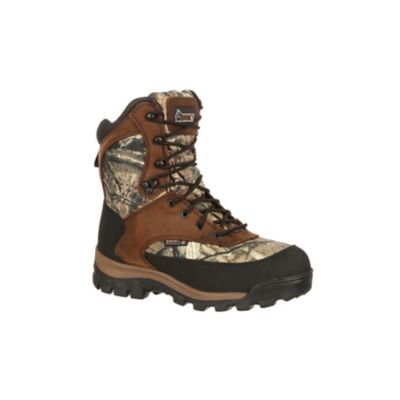
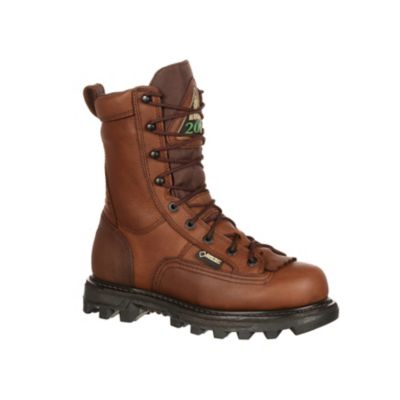
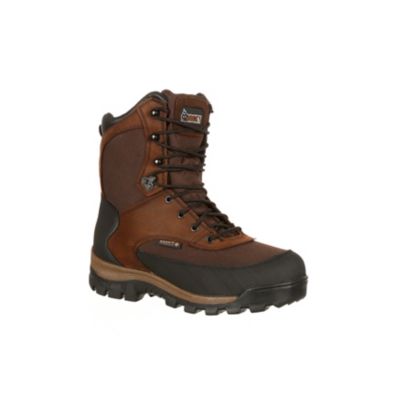
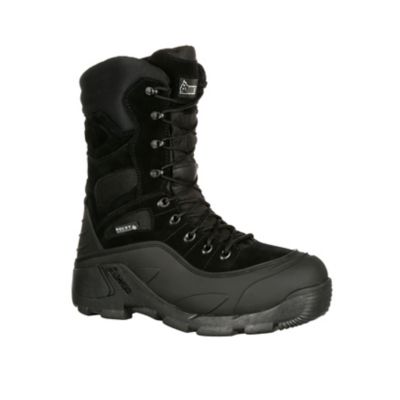
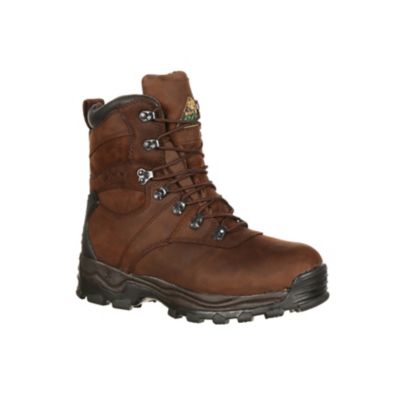
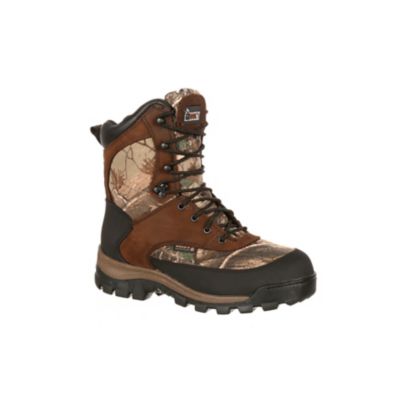
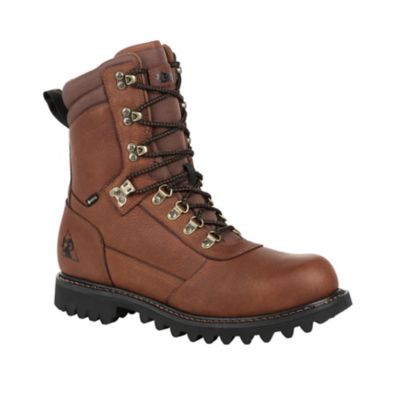
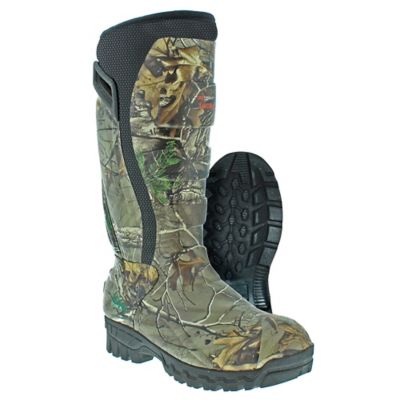
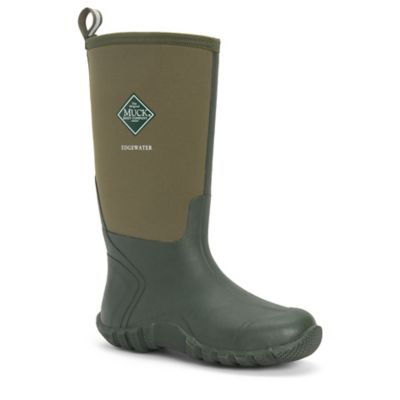
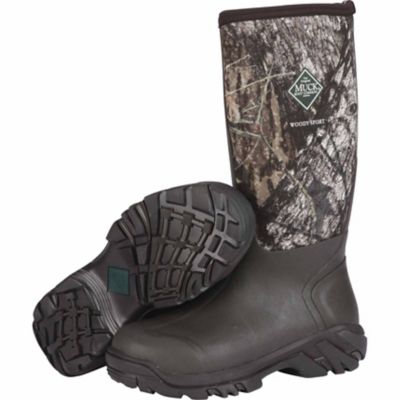
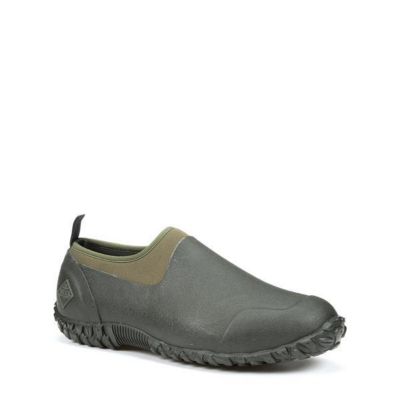
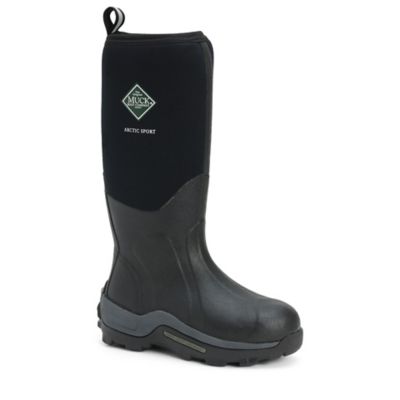
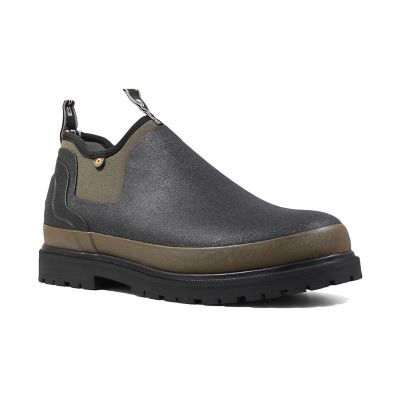
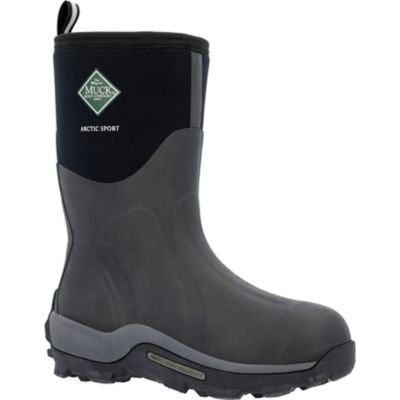
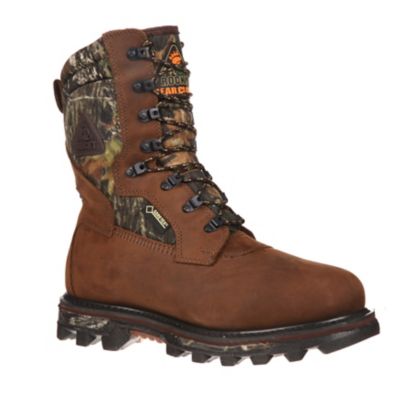
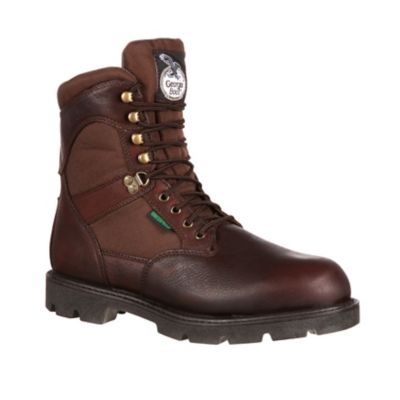
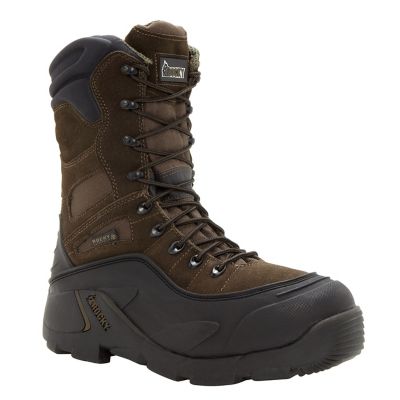
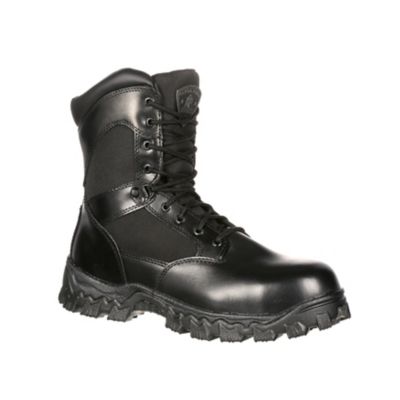
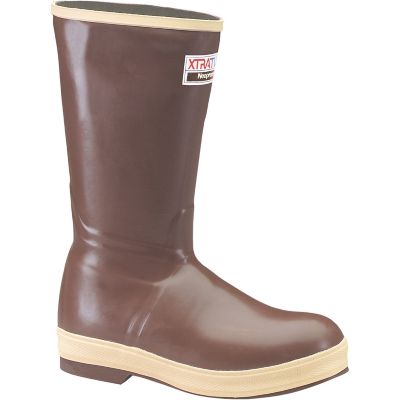
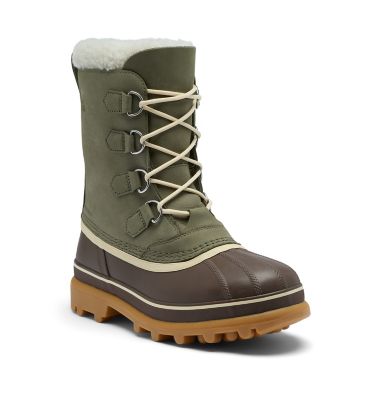
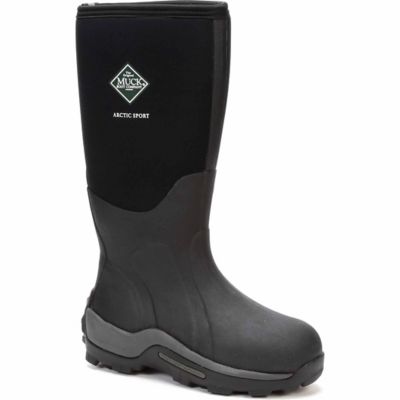
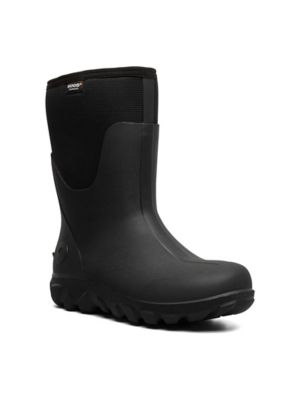
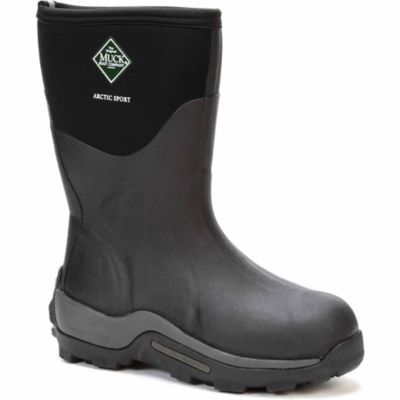
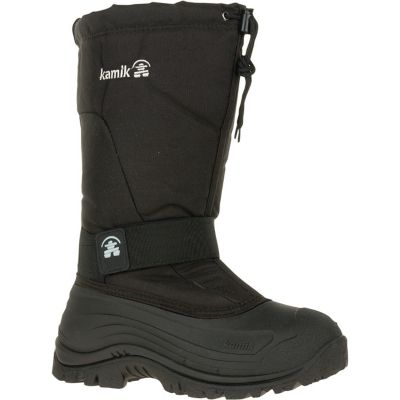
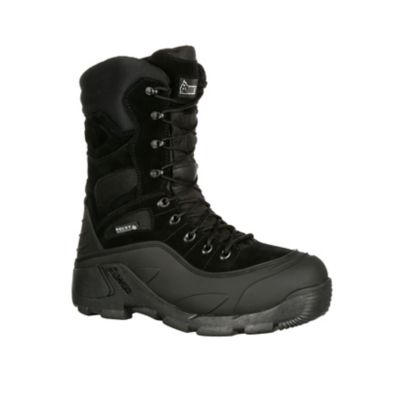
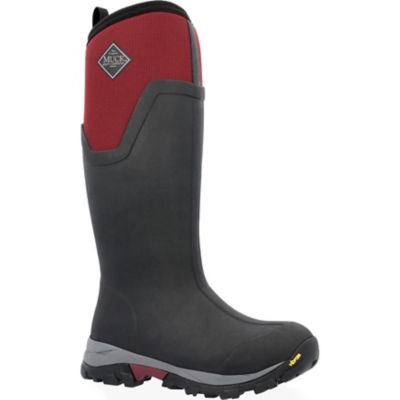
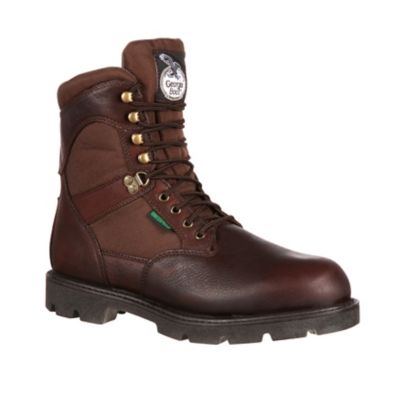
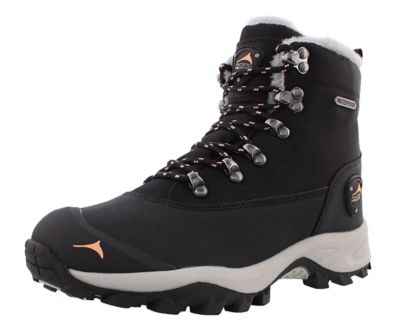
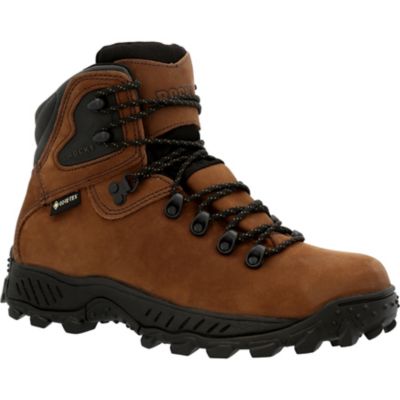
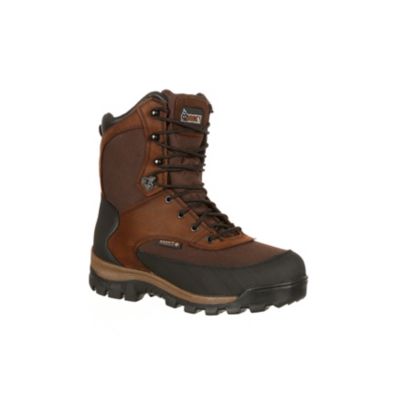
Men's insulated hiking boots bring together warmth, trail traction, and underfoot support for walks through frosted woods, snow-dusted paths, and cold stretches of uneven ground. They suit the fellow who heads out along a creek before breakfast, follows a fence line to reach a trail, or spends a Saturday covering miles of rolling timberland. Unlike an uninsulated hiking boot, an insulated design adds material that helps slow heat loss around the foot. Many designs feature synthetic insulation because it offers warmth without the weight of a heavily lined boot, though the overall feel also depends on the upper, footbed, and sole. Insulation weights around 200 to 400 grams are common starting points for active cold-weather hiking; heavier insulation may make more sense for slower outings or longer stops. Those numbers describe the insulation material, not a guaranteed temperature rating, and more insulation is not automatically better. A steady uphill pace creates body heat, while a long pause beside a frozen pond calls for more warmth. Personal comfort, circulation, sock thickness, wind, and moisture all affect how warm a boot feels. Waterproof construction serves a different purpose from insulation: it helps keep outside moisture from reaching the foot, while insulation helps retain warmth. Boots with both features can be useful on routes that cross shallow puddles, wet grass, and packed snow, provided water stays below the cuff and the waterproof components remain intact. A gusseted tongue helps limit entry around the laces, and a higher collar offers more coverage where snow brushes against the leg. Breathability matters, too, since sweat trapped inside footwear can leave feet feeling cold once the pace slows. For day hikes, the right balance often comes from matching insulation and coverage to the outing rather than choosing the heaviest boot. A moderate lining, a comfortable walking flex, and enough room for hiking socks can be a practical combination for someone who keeps moving.
The materials and shape of men's insulated hiking boots make a noticeable difference over a few miles. Full-grain leather uppers offer a substantial feel and resistance to abrasion from brush and rough ground, although they may need more break-in time and regular conditioning. Suede, textile panels, and synthetic materials can create a lighter, more flexible feel, with performance depending on their construction and care requirements. Reinforcement around the toe and heel helps protect high-contact areas when a trail runs through exposed roots or loose rock. Underfoot, cushioning takes some of the sting out of hard ground, while a firmer midsole can feel steadier under a loaded daypack. Neither a soft footbed nor a stiff sole suits every foot, so comfort comes from the whole boot working together. Deep, well-spaced outsole lugs help grip loose soil and snow and give mud room to release, while a defined heel edge can help on descents. Rubber compounds behave differently in cold temperatures, and no ordinary hiking outsole guarantees grip on ice; compatible traction devices may be necessary when a route turns slick. Mid-height and taller boots also differ in coverage and feel. For another look at taller profiles,
men's high-top hiking boots offer a related option, though cuff height alone does not determine warmth, waterproof protection, or ankle stability. Fit deserves just as much attention as construction. Toes need room to spread and move without hitting the front on a downhill step, while the heel should stay seated without excessive rubbing. The socks intended for the trail belong in the fitting process, particularly when they are thicker than everyday socks. Simply sizing up can leave too much movement through the heel and midfoot; a wider width or a different shape may be a better match. A snug boot can compress socks and insulation, reducing comfort rather than adding warmth. Adjustable lacing helps balance a secure midfoot with comfortable pressure over the instep, and properly arranged tongue fabric can prevent a small fold from becoming a sore spot miles from the truck.
Good care helps insulated hiking boots hold up through repeated outings on gravel, muddy paths, and snow-covered trails. Dirt left along seams and creases can wear at the upper, so a gentle brushing after the boots dry is a useful habit. Mud generally comes off with a soft brush, a damp cloth, and a cleaner approved for the material. Leather benefits from compatible conditioning when needed, while waterproof treatments should match the upper and any membrane manufacturer's care directions. A water-repellent finish on the outside is not the same thing as a waterproof membrane, and restoring that finish does not repair a damaged membrane or an open seam. Drying matters just as much as cleaning. Boots dry best with the laces loosened, tongues opened, and removable footbeds taken out, following the care label. Room-temperature airflow is a better choice than setting them beside a stove, radiator, or roaring fire, where concentrated heat can harm leather, adhesives, and other components. After a slushy walk, that slower approach helps protect the shape and construction needed for the next trip. Between outings, dry storage keeps dampness from lingering inside the lining. An occasional look at the outsole, lace hooks, stitching, and interior can reveal worn tread or rough spots before a long walk puts them to the test. Comfortable socks are part of the setup as well: wool blends and moisture-managing synthetics generally handle perspiration better than cotton on cold trails, and a spare pair can be welcome after an unexpectedly wet crossing. Insulated hiking boots make a thoughtful gift for men who enjoy winter day hikes, woodland walks, or exploring back acreage, especially when their size, width, and preferred sock thickness are known. Whether the outing ends at a ridge overlook or circles back along an old farm lane, a well-fitting pair supports the simple pleasure of staying out a little longer without letting cold feet set the schedule.