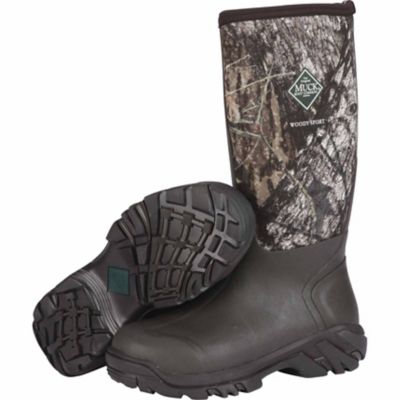
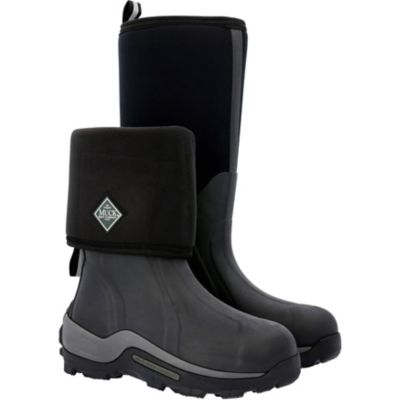
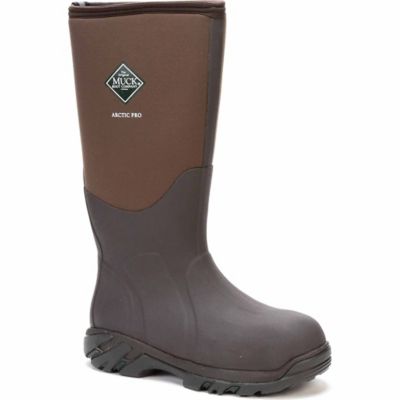
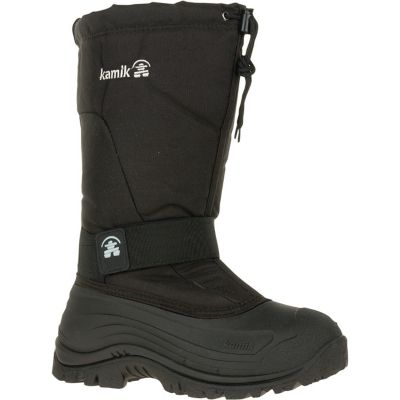
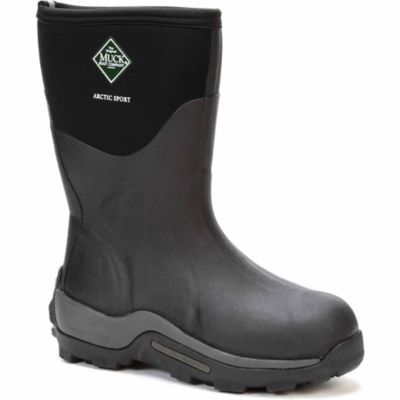
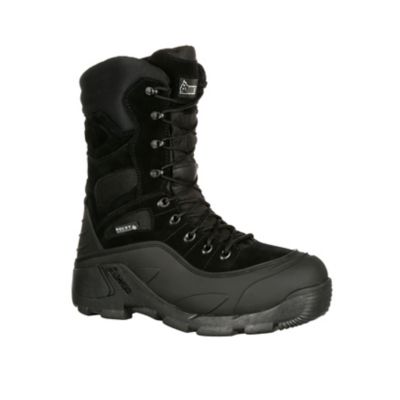
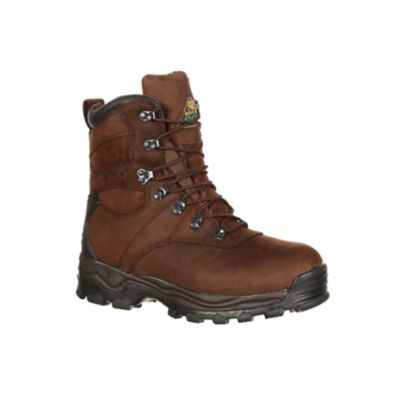
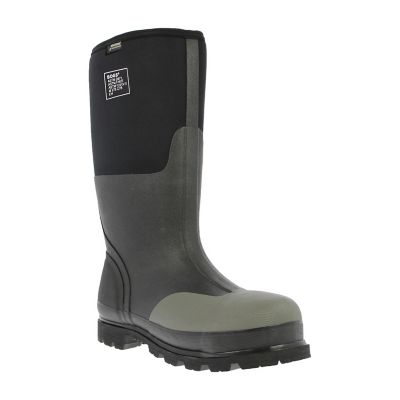
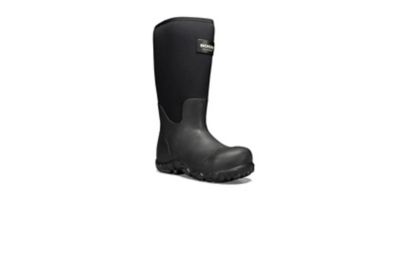
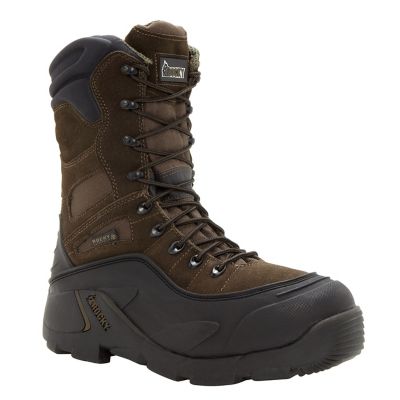
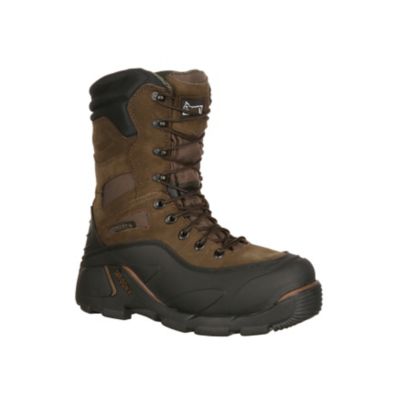
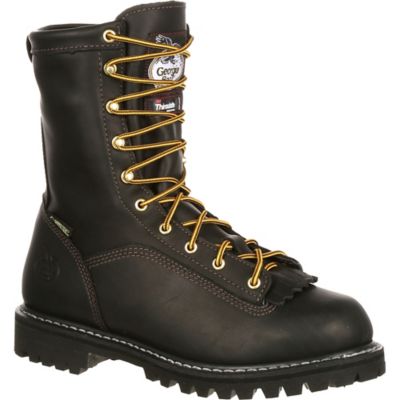
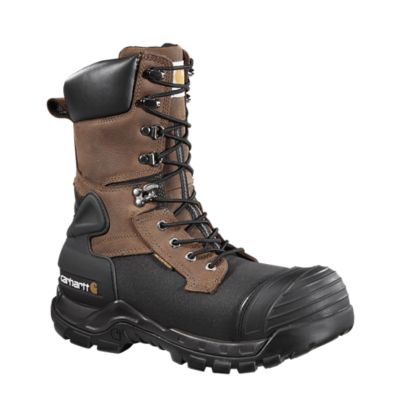
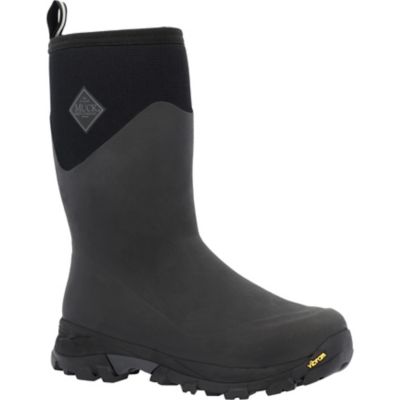
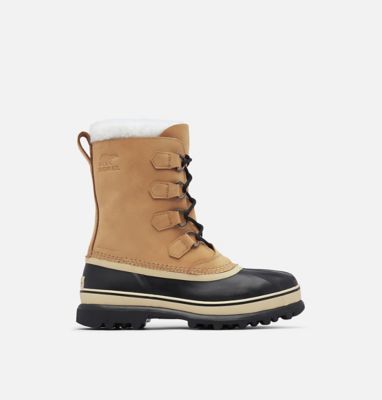
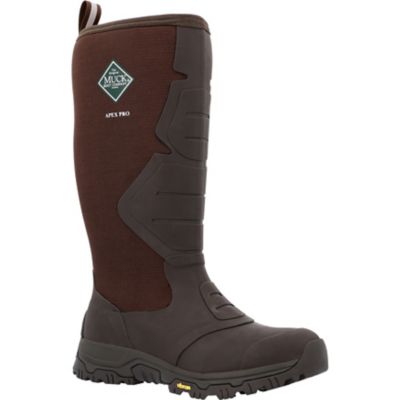
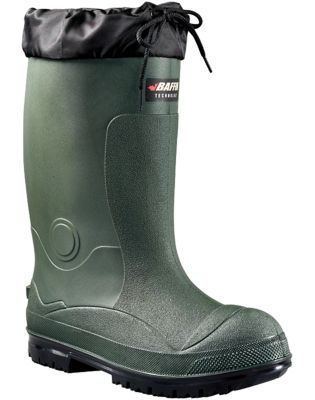
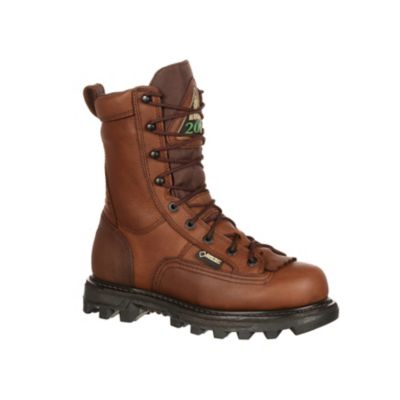
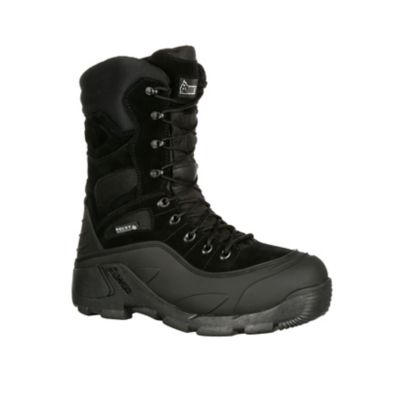
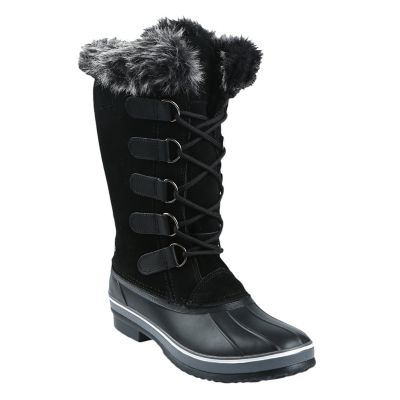
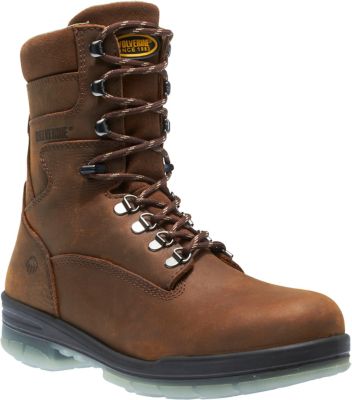
Men’s insulated snow boots bring warmth, protection from wet conditions and underfoot support to jobs and outings that don’t stop when snow covers the ground. From breaking a path to the chicken coop to clearing the driveway before heading to work, the right pair needs to suit both the conditions and the pace of the day. Insulation helps hold body heat around the feet, while the outer construction handles contact with snow, slush and wet ground. Those are separate jobs: an insulated boot is not automatically waterproof, and a waterproof boot does not necessarily provide much warmth. Synthetic insulation is often listed in amounts such as 200, 400, 800 or 1,200 grams. These figures describe the insulation’s weight per unit area, not the total weight of the boot, and higher numbers generally indicate more insulation within comparable constructions. They do not translate into a universal temperature limit. A person walking fence lines generates more heat than someone sitting in a hunting blind, even when both face the same conditions. Lighter insulation can suit steady movement, shorter errands and snow shoveling, while heavier insulation may make more sense for long stretches of low activity or deeper cold. Boot height matters, too. A taller shaft provides more coverage when stepping through drifts, while a shorter shaft can feel less restrictive for driving and frequent trips between the house and outbuildings. Deep snow can still enter over the top of a boot, so shaft height and the way pants or gaiters meet the opening deserve attention. The overall balance is what counts: enough warmth for the task, enough room for comfortable circulation and a construction that keeps ordinary winter chores from turning into a battle with wet socks. Any stated temperature rating is best treated as a manufacturer’s reference rather than a promise, since wind, moisture, activity, sock choice and time outdoors all affect how warm feet feel.
Materials and construction shape how men’s winter boots feel from the first step to the last trip across the yard. Rubber lower sections provide a practical barrier against puddles and slush, while leather, textile or synthetic uppers offer different combinations of flexibility, support and coverage. Leather benefits from care suited to its finish; textile panels may reduce weight and allow easier movement, depending on the design. Waterproof membranes, sealed seams and gusseted tongues can help limit water entry, but protection depends on the entire construction and the stated limits of the boot. A gusseted tongue connects to the sides of the upper, helping block snow and debris below the point where that connection ends. Pull-on styles keep getting out the door simple, especially for repeated trips to feed animals or carry firewood. Lace-up styles allow more adjustment through the instep and ankle, which can help settle the heel without squeezing the forefoot. A roomy opening is handy with work pants, though too much space around the leg may let snow fall inside. Fit should account for the socks that will actually go along with the boots. Wool-blend or synthetic winter socks can help manage moisture, and a little toe movement is important; a tight fit can restrict circulation and leave feet feeling colder. Extra socks are not always the answer if they make the boot cramped. The heel should feel secure without persistent rubbing, and toes should not strike the front when walking downhill or stepping off a porch. Cushioned footbeds and supportive midsoles can make a difference on packed paths, gravel drives and concrete floors, but softness alone does not guarantee the right fit. For anyone wearing prescribed inserts, removable footbeds and sufficient interior depth are useful details. Reinforced toe and heel areas can help resist everyday scuffs from steps, tools and rough ground, although a reinforced toe is not the same as a safety toe. Workplaces with protective-footwear requirements call for boots carrying the appropriate markings for the job.
Traction deserves just as much attention as warmth when snow boots spend their days between the barn, truck and back steps. Deep outsole lugs can bite into loose snow, while spacing between the lugs helps shed packed material as the foot flexes. Rubber compounds and tread patterns perform differently across surfaces, and a sole that grips snowy ground may still slide on smooth ice. No boot makes an icy walkway slip-proof. On glazed paths or frozen slopes, properly fitted traction aids may provide added grip, though they need to suit the activity and surface. The same boot that feels planted outdoors can track snow and grit onto an indoor floor, making a sturdy entry mat and a place to let footwear dry worthwhile. Regular care helps preserve the materials that do the hard work. Loose dirt and road salt should come off with cleaning methods recommended for the boot, followed by drying away from direct heat. A heater, stove or hot vent can damage leather, adhesives and other components. Removable liners and footbeds can dry separately when the construction allows, helping moisture escape between wearings. Leather treatments and waterproofing products need to match the upper material, since the wrong treatment can affect its finish or performance. Checking seams, tread and attachment points now and then can reveal wear before a small problem becomes a wet-footed walk back from the shed. These practical details also matter when choosing a gift for someone who spends winter mornings tending livestock, walking a dog or keeping the driveway clear. Knowing their usual boot size is helpful, but preferred sock thickness, calf fit and everyday tasks make the choice more personal. For another member of the household,
insulated snow boots for women offer a related category to explore. Whether the day calls for hauling feed or taking an unhurried walk down a snowy lane, a well-matched pair brings together warmth, fit and protection without adding more boot than the job needs.