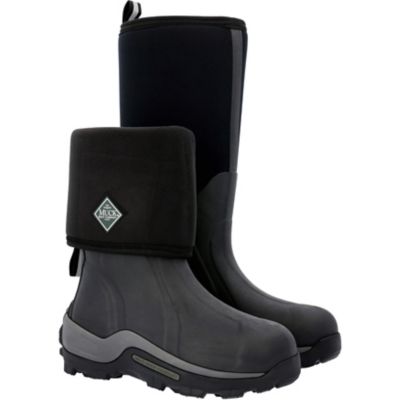
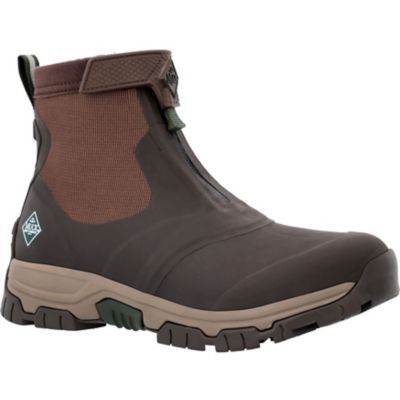
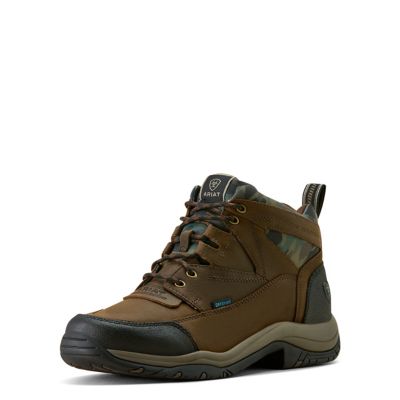
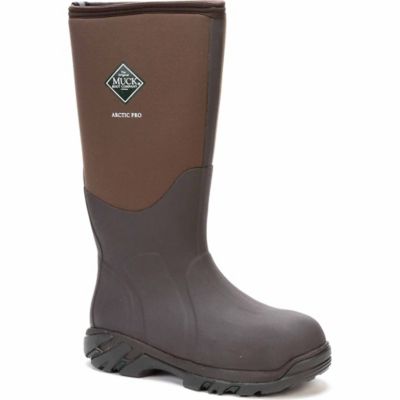
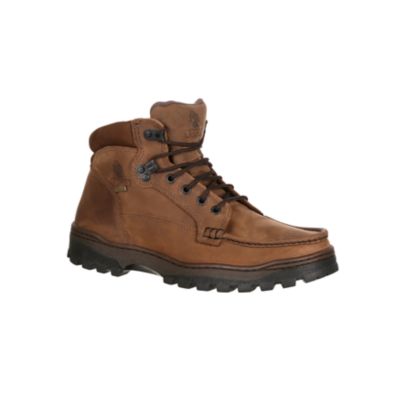
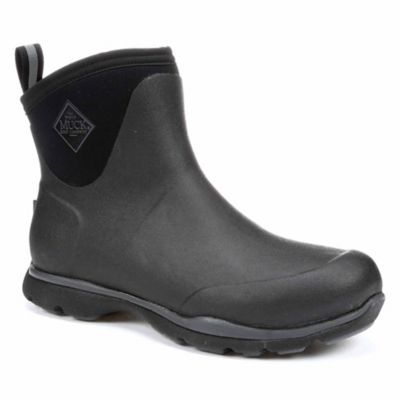
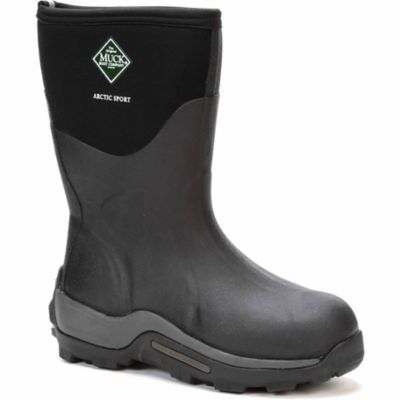
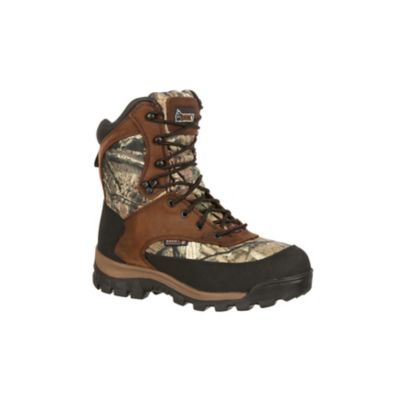
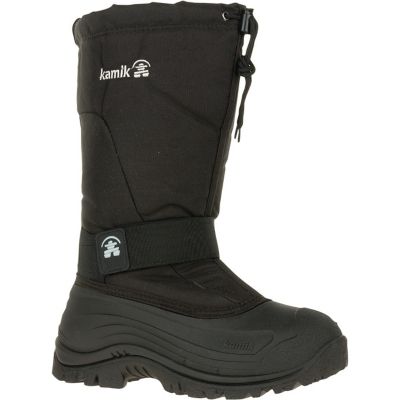
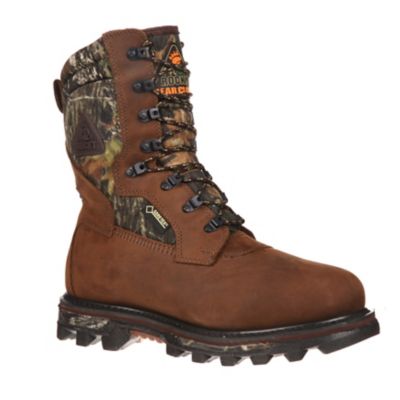
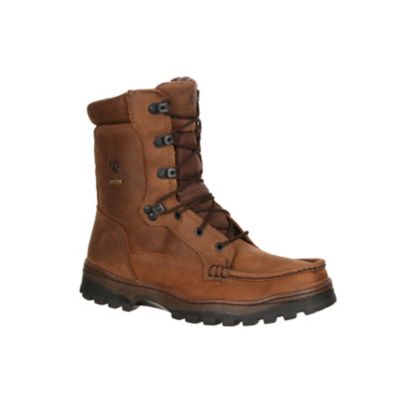
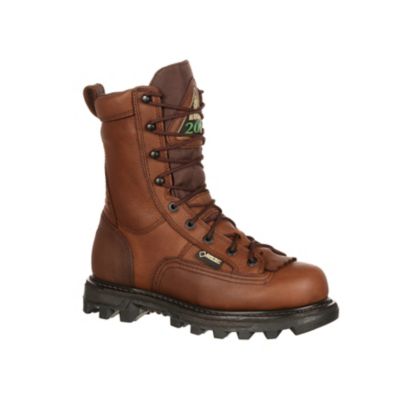
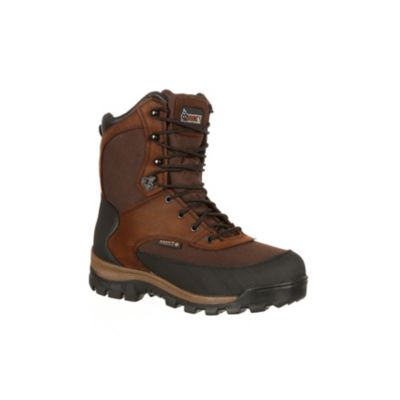
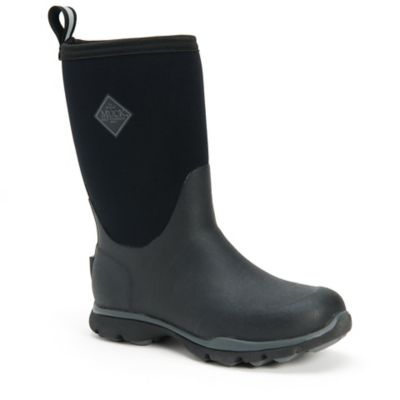
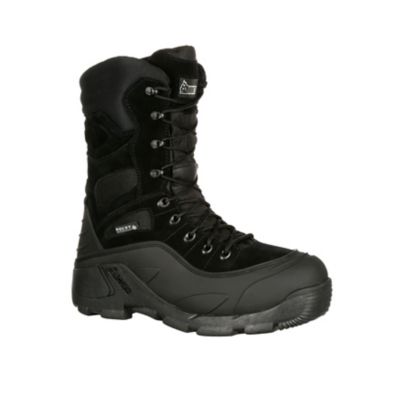
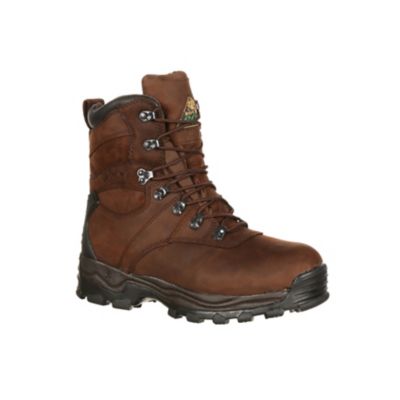
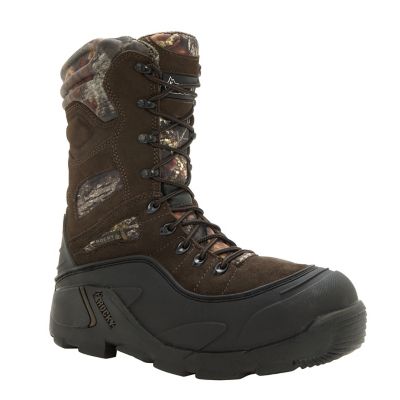
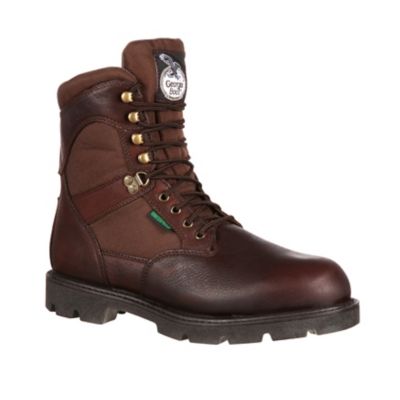
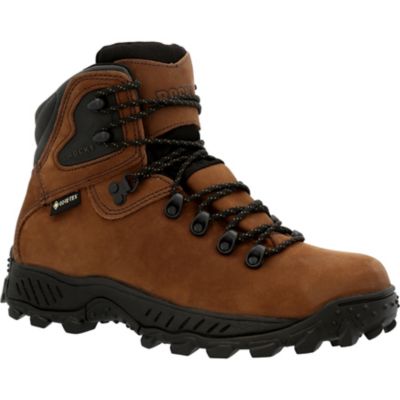
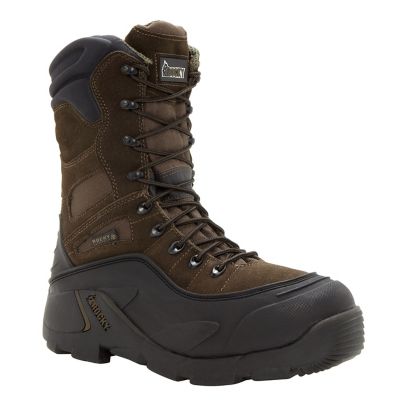
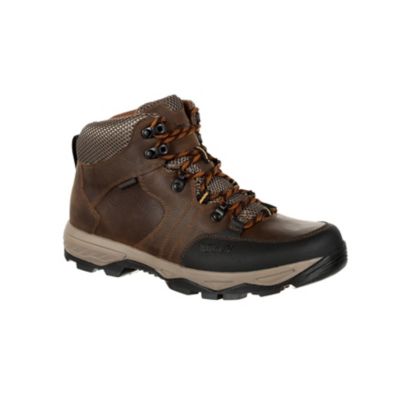
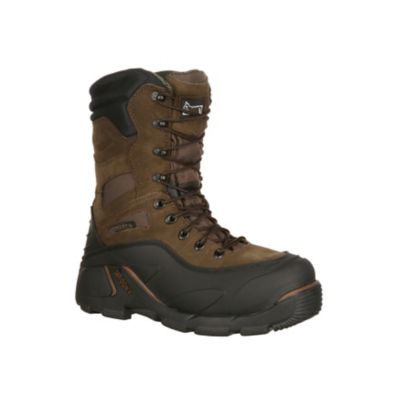
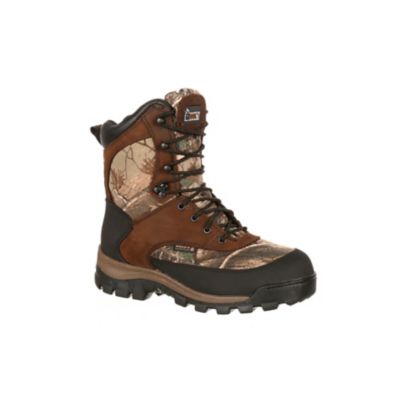
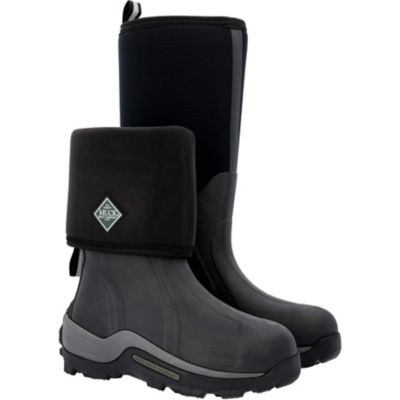
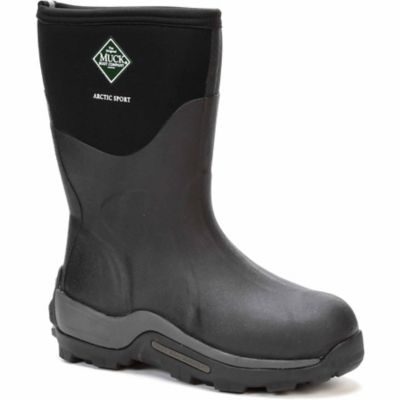
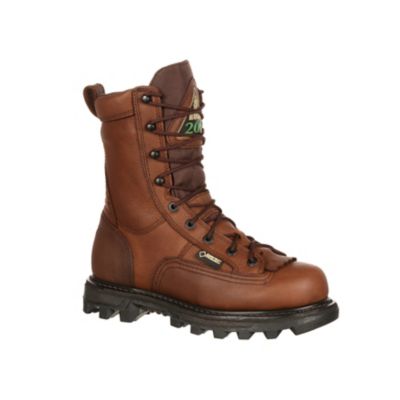
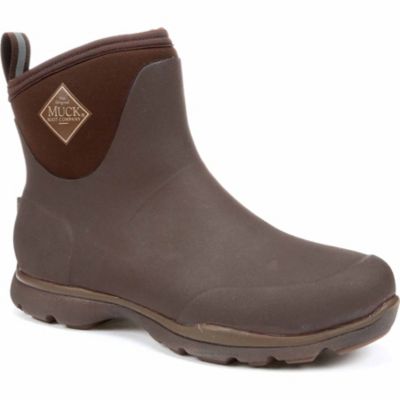
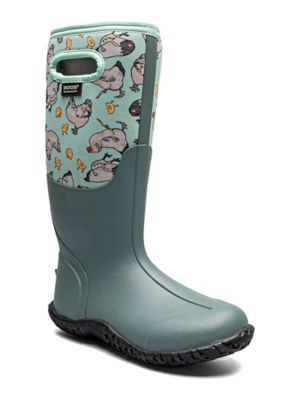
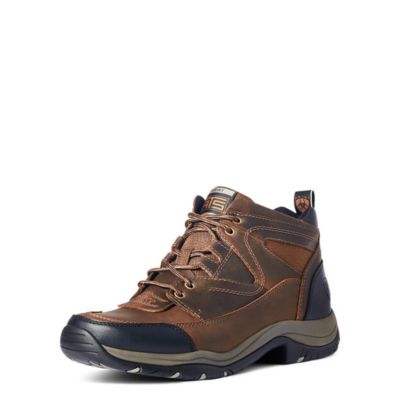
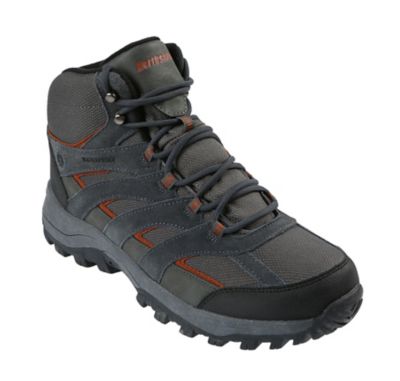
Winter hiking boots for men are built for more than a brisk walk from the truck to the barn. The right pair can help keep your feet warm, dry, and steady when trails are covered with packed snow, slush, frozen mud, or a thin glaze of ice. They are a practical choice for winter hikers, hunters, campers, dog walkers, snowshoers, outdoor workers, and anyone who spends long stretches outside during the cooler months. A good boot should work with your usual pace and terrain, whether you are following a maintained park trail, checking fence lines across frosty pasture, walking wooded paths, or heading into deeper snow. Start with the kind of conditions you expect to face most often. Waterproof construction is especially useful when snow is wet, creek crossings are unavoidable, or temperatures rise and fall around the freezing mark. Look for waterproof leather or treated uppers paired with a sealed waterproof membrane, and pay attention to the tongue and seams, since water can find its way in through small openings. A taller boot can help block snow from spilling over the collar, while a mid-cut style may feel lighter and more flexible for packed trails and everyday wear. Insulation is commonly rated by grams, with around 200 grams often suited to active use in milder winter weather and 400 grams or more better suited to freezing temperatures, deep snow, or times when you will be standing still. More insulation is not always better for every hiker; feet can sweat during a steep climb, and damp socks lose warmth quickly. Consider your activity level, the temperatures in your area, and whether you tend to run warm or cold before choosing the level of insulation. Reflective liners, fleece collars, and cushioned footbeds can add comfort, but the boot still needs enough room for your toes to move without pressing against the sides.
Traction deserves just as much attention as warmth. Snow can look soft and harmless until it packs into a slick layer beneath your boots, and ice often hides under fresh powder or leaves. Winter hiking boots should have a rubber outsole designed for cold conditions, with a lug pattern deep enough to bite into snow and uneven ground. Widely spaced lugs can shed packed snow more readily, while a flatter, specialized ice-grip surface may offer better contact on frozen paths and hard-packed surfaces. No sole can replace careful footing, especially on steep ice, but a well-designed outsole can make each step feel more planted. Pay attention to the heel and forefoot because those areas take much of the pressure when you climb, descend, or stop on a slope. A supportive heel counter, stable midsole, and secure lacing system can help reduce foot movement inside the boot, which may lessen rubbing and hot spots on longer outings. Try boots on with the socks you expect to wear, ideally a moisture-wicking pair with enough cushioning for the terrain. Your heel should stay mostly in place while walking, and your toes should have room to wiggle without sliding forward on a downhill stretch. Avoid sizing so snugly that thick socks squeeze your feet, since restricted circulation can leave them colder. At the same time, an overly roomy boot may cause blisters and make it harder to keep a steady stride. Flex the boot and walk around before heading out, then break in leather or structured uppers with shorter walks. For especially slick trails, traction aids that fit over the boot can provide added help, but they should be used according to their intended surface and removed before walking across floors or bare pavement.
Winter hiking boots can also make a thoughtful gift for a man who enjoys time outdoors, from a family member who spends weekends in the woods to a neighbor who walks a working dog before sunrise. They are useful for holiday travel, cold-weather camping, outdoor jobs, and everyday chores when ordinary shoes leave feet wet and chilled. If you are buying for someone else, focus on fit details that are easier to get right: his usual shoe size, preferred sock thickness, the height of boot he normally wears, and whether he spends more time moving on trails or standing in one place. A boot intended for active hiking may be lighter and more flexible, while one for slow-paced winter work may place greater emphasis on insulation, a sturdy upper, and a taller shaft. Look for practical features such as pull loops, speed hooks, easy-to-adjust laces, padded collars, and removable insoles that can be dried after a wet outing. Caring for the boots helps preserve their performance through the season. Brush away dried mud and salt, let them air-dry away from direct heat, and follow the maker’s directions for cleaning and conditioning the upper. Stuffing damp boots with plain paper can help draw out moisture, while rotating socks and allowing the boots to dry fully can keep them more comfortable. For additional cold-weather footwear options, browse
Women's Winter Hiking Boots. Whether the plan is a quiet walk through snow-dusted timber, a long day checking livestock, or a steady hike along a frozen ridge, choosing boots with the right balance of waterproofing, insulation, traction, support, and fit makes winter miles easier to enjoy.